
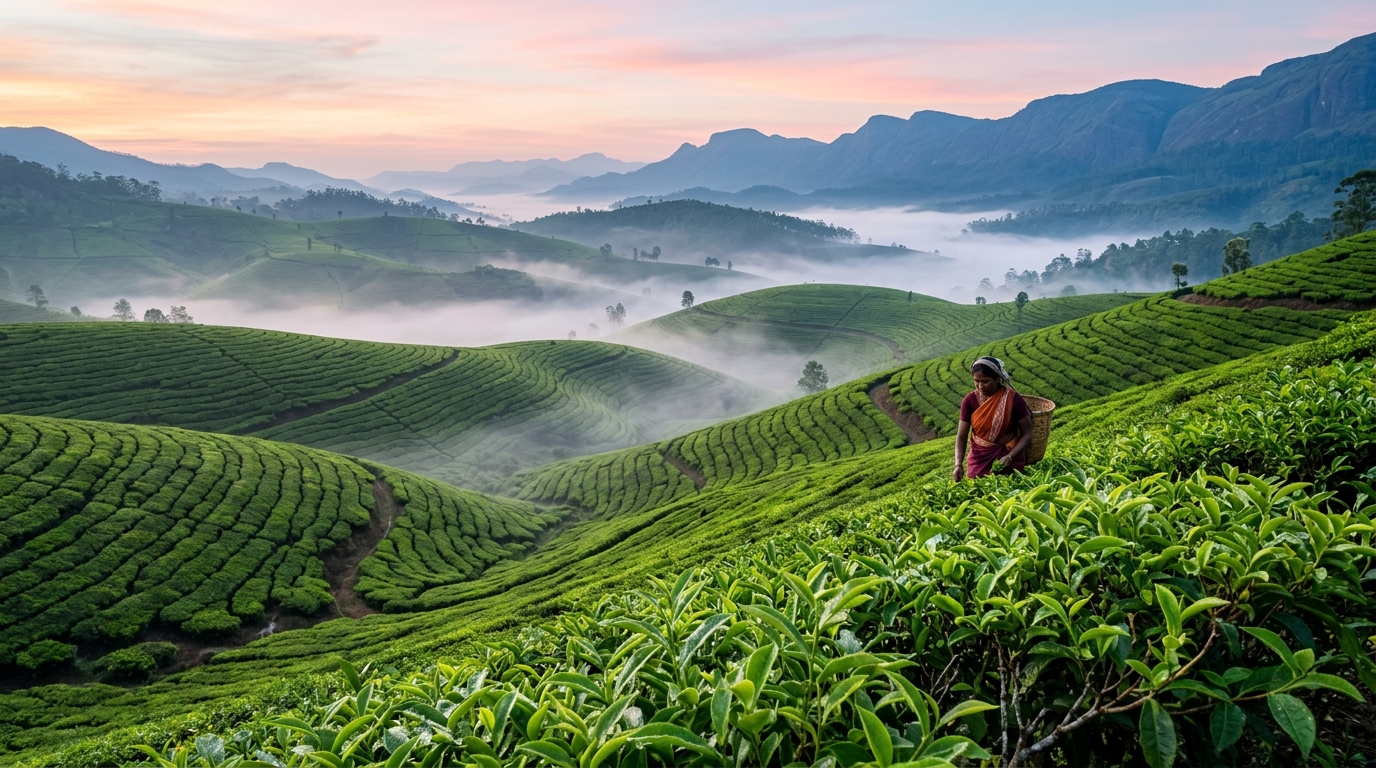
Planning a journey through the southern peninsula of India often brings a sense of overwhelming choice. The region encompasses five distinct states, each boasting its own linguistic heritage, culinary style, and historical trajectory. Developing a comprehensive south india travel plan is therefore not merely a matter of booking flights but an exercise in curated geography. From the mist-draped tea estates of the Western Ghats to the intricate, towering gopurams of ancient Tamil temples, first-time visitors must balance ambition with logistics to avoid travel fatigue. The cultural paradigm here differs significantly from the northern states, requiring a distinct approach to pacing, transport, and cultural adaptation. By understanding these regional nuances early, travelers can build an itinerary that is both deeply rewarding and logistically sound. A thoughtful approach ensures that the sheer diversity of this vast geographical region remains inspiring rather than exhausting, turning a first-time trip into a highly memorable adventure.
Key Takeaways for First-Timers
- Pacing is Key: Focus on one or two neighboring states rather than trying to cover the entire southern peninsula in a short 10-day trip.
- Best Travel Window: Plan your journey between October and March to enjoy mild temperatures and avoid heavy monsoons.
- Transport Strategy: Utilize domestic flights for long distances and hire private drivers for flexible regional exploration in hill stations.
- Cultural Respect: Dress modestly at sacred sites, remove footwear outside temples, and eat with your right hand when enjoying traditional meals.
Strategic Regional Overview of South India
To construct an effective itinerary, one must first comprehend the sheer scale of the southern peninsula. The territory comprises Andhra Pradesh, Telangana, Karnataka, Kerala, and Tamil Nadu, alongside union territories such as Puducherry. An essential foundation of any south india travel plan is recognizing that these states are not culturally uniform. They speak entirely different Dravidian languages (including Kannada, Malayalam, Tamil, and Telugu) and possess unique historical narratives. For first-time visitors, attempting to cover all five states in a single trip is a recipe for physical exhaustion. A targeted focus is always more rewarding, allowing travelers to truly immerse themselves in local customs.
Geographic Boundaries and Cultural Diversity
The geography of South India is dominated by two mountain ranges, namely the Western Ghats and the Eastern Ghats. These ranges bracket the elevated Deccan Plateau and taper down to lush coastal plains. Integrating these areas into a south india travel plan requires choosing between distinct environments:
- Karnataka: Offers historic ruins, royal heritage, and tech-centric urban environments.
- Kerala: Features serene backwater waterways, dense spice plantations, and wellness retreats.
- Tamil Nadu: Characterized by its monumental, active temple architecture and deep Dravidian heritage.
This diversity means that a traveler must decide whether their primary focus lies in historical architecture, natural retreats, or coastal relaxation.
Choosing Between the East and West Coasts
The coastal divide is another critical structural element. The West Coast, stretching along the Arabian Sea, is characterized by the palm-fringed backwaters of Kerala and the rocky cliffs of Karnataka. Incorporating these coastal routes within a south india travel plan delivers a relaxed, nature-centric vacation. In contrast, the East Coast along the Bay of Bengal features flatter sandy beaches, former French colonial outposts, and massive port cities. It is basically a choice between the slow-paced, tropical lifestyle of the West and the bustling, heritage-rich corridor of the East. Ultimately, the ultimate success of a south india travel plan depends on selecting a cohesive geographic corridor rather than zig-zagging across the peninsula. Travelers should aim to follow a logical line of transit, utilizing trains or private drivers to cover distances smoothly.
| Feature | West Coast (Kerala focus) | East Coast (Tamil Nadu focus) |
|---|---|---|
| Primary Appeal | Nature, serene backwaters, beaches, and wellness (Ayurveda) | Ancient temples, living history, spiritual heritage, and French colonial architecture |
| Pace of Travel | Slow, relaxed, and rejuvenation-oriented | Bustling, culturally rich, and highly active exploration |
| Topographic Highlights | Hill stations (Munnar), houseboats, and coastal cliffs | Monolithic rock carvings, massive temple complexes, and sandy beaches |
| Best Season | October to March (Winter) | January to March (Avoids the late-year Northeast monsoon) |
Optimal Seasons for a South India Travel Plan
The climate of southern India is predominantly tropical, meaning that temperature and rainfall variations dictate the travel experience far more than traditional four-season cycles. Designing a south india travel plan during the wrong month can lead to extreme humidity or disrupted transport.
The Winter Window (October to March)
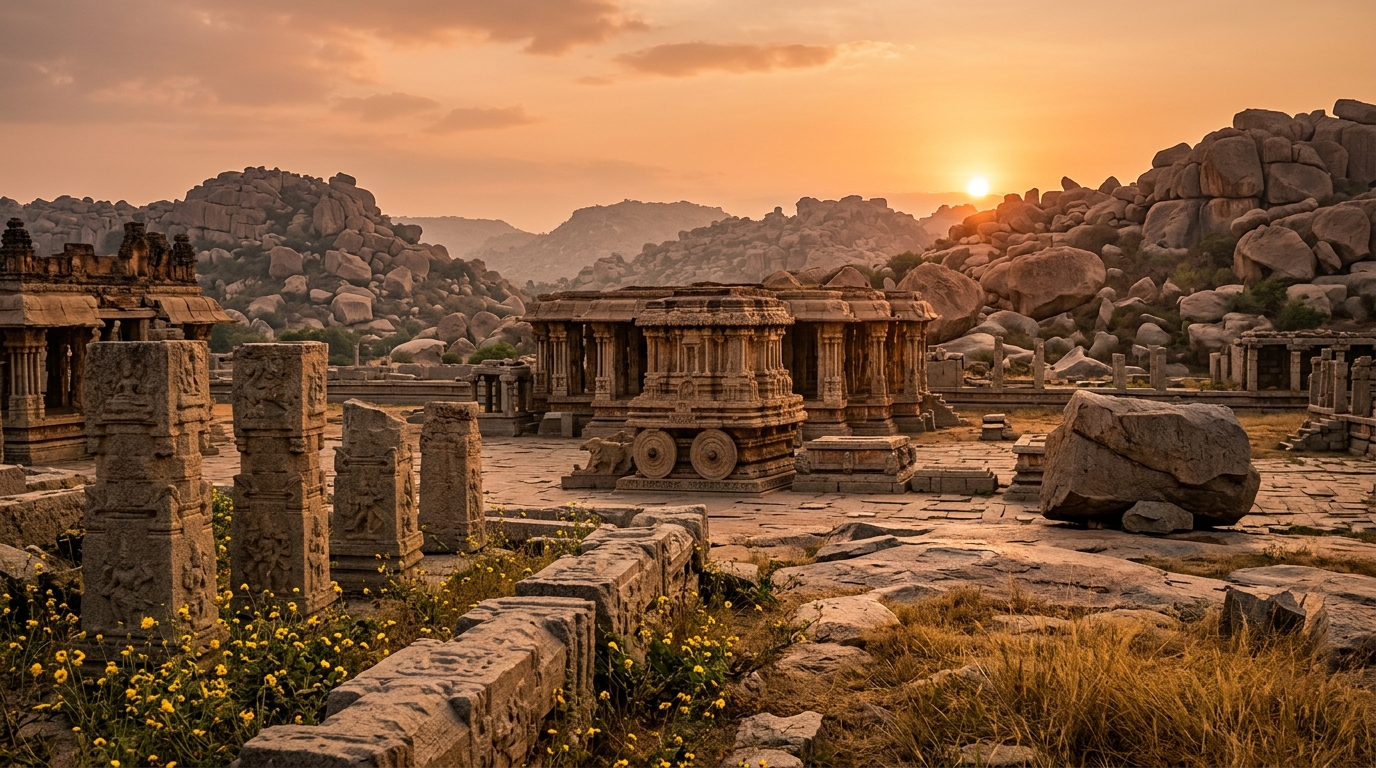
For the vast majority of international and domestic visitors, the winter months represent the peak travel window. During this period, temperatures are relatively mild, hovering between 20°C and 30°C in the plains. This makes it comfortable to walk around outdoor heritage sites. Aligning a south india travel plan with these months allows for comfortable exploration of the stone temples of Hampi or the open-air monuments of Mahabalipuram. This is also the period of lowest humidity, which is an important consideration for anyone unaccustomed to tropical climates.
Monsoon Dynamics and Monsoon Travel Considerations
The region experiences two distinct monsoon systems. The Southwest Monsoon hits the West Coast in June and continues through September, bringing heavy rainfall to Kerala and Karnataka. While the monsoon months can disrupt a south india travel plan with localized flooding, they also turn the Western Ghats into a lush, emerald green paradise. This period is highly favored for traditional Ayurvedic treatments. On the other side of the peninsula, Tamil Nadu receives its heaviest rainfall during the Northeast Monsoon between October and December. Understanding these alternating patterns is a crucial element of an effective south india travel plan. Adjusting a south india travel plan based on regional rainfall variations ensures a smoother journey without unexpected delays.
| City | Peak Season Avg Temp | Monsoon Avg Rain | Primary Travel Character |
|---|---|---|---|
| Kochi | 27°C (Moderate) | High (Heavy) | Backwaters & Houseboats |
| Chennai | 25°C (Pleasant) | Moderate (Heavy Nov-Dec) | Heritage Temples & Coast |
| Bengaluru | 22°C (Cool) | Low to Moderate | Tech Parks & Palaces |
| Ooty | 12°C (Chilly) | Moderate | Tea Estates & Peaks |
But still, even during the peak season, coastal cities will retain a baseline of humidity. Travelers accustomed to dry climates should prepare for this sensory shift. Hill stations like Ooty or Munnar offer an immediate escape, where temperatures can drop to single digits at night (roughly 8°C depending on the elevation). This geographical variety means that packing layers is always a prudent strategy, ensuring preparedness for sudden micro-climatic shifts.
Curated 10-Day South India Itineraries
For first-time visitors, structured routes are vital to prevent long, exhausting travel days. Rather than attempting a sweeping pan-regional journey, focusing on a single state or a tightly connected corridor is highly recommended. Below are two distinct 10-day itineraries designed to showcase the contrasting characters of the region.
The Classic Kerala Heritage Circuit
This 10-day south india travel plan focuses on the natural landscapes and water-based ecosystems of the West Coast. Kerala is renowned for its relaxed pace, making it an exceptional entry point for those new to Indian travel. A typical route begins in the historic port city of Kochi, where Portuguese, Dutch, and British colonial influences converge. From Kochi, travelers proceed inland to the tea-growing hills of Munnar, situated at an altitude of roughly 1600 meters in the Western Ghats.
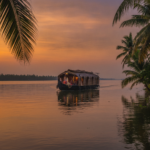
Customizing this segment of a south india travel plan involves transitioning from the hills to the quiet backwaters of Alappuzha. Here, overnight stays on traditional houseboats (locally known as *kettuvallams*) offer an intimate view of rural life along the canals. For those seeking coastal relaxation, extending the trip southward to the beaches of Kovalam provides a scenic finale. Booking a structured Kerala travel package ensures that private vehicle transfers between these topographically diverse locations are seamless.
- Days 1-2: Arrival in Kochi, exploring Fort Kochi, the Chinese fishing nets, and Mattancherry Palace.
- Days 3-5: Scenic drive to Munnar, visiting tea plantations, spice gardens, and Eravikulam National Park.
- Days 6-7: Travel to Thekkady for the Periyar Wildlife Sanctuary, known for its wild elephants and spice walks.
- Day 8: Alappuzha backwater cruise and overnight stay in a private houseboat.
- Days 9-10: Leisurely beach stay in Kovalam followed by departure from Trivandrum International Airport.
Tamil Nadu Temple and French Heritage Route
An alternative south india travel plan prioritizes the cultural, linguistic, and architectural history of the East Coast. Tamil Nadu is home to some of the world’s oldest living monuments, characterized by Dravidian architecture with monumental, sculpted gateway towers (gopurams). This route typically begins in Chennai, the state capital, before moving south along the scenic East Coast Road.
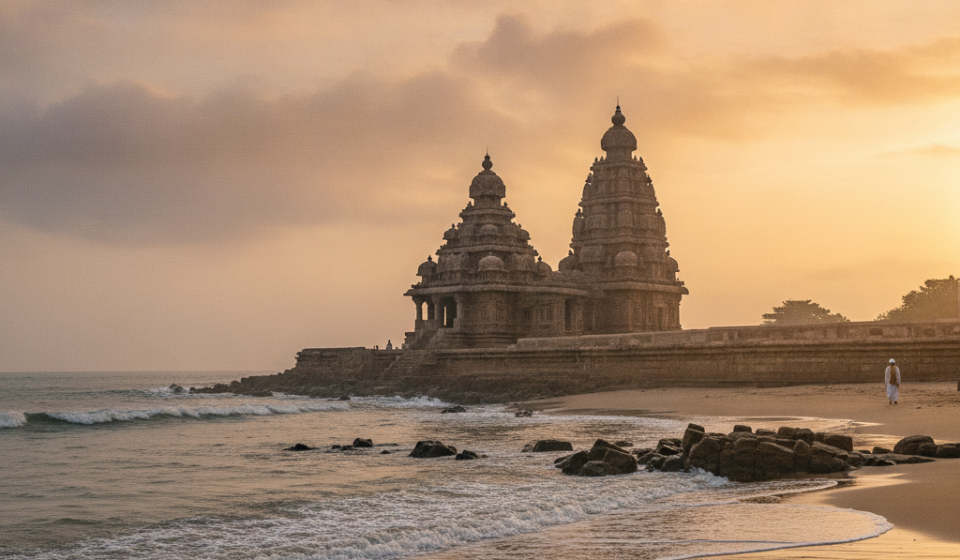
Incorporating this historical route into a south india travel plan allows for a fascinating stop at Mahabalipuram, a UNESCO World Heritage site famous for its seventh-century rock-cut relief carvings and shore temples. From there, the route proceeds to the unique coastal town of Pondicherry, a former French colony that retains its distinct colonial architecture, quiet paved streets, and bilingual character. A comprehensive south india travel plan must account for the transition from colonial history to deep spiritual heritage as travelers head further inland to the temple towns of Tanjore and Madurai.
- Days 1-2: Explore Chennai’s Kapaleeshwarar Temple and local museums.
- Days 3-4: Drive to Mahabalipuram to view the monolithic Rathas and Shore Temple, then transfer to Pondicherry.
- Days 5-6: Relax in Pondicherry’s French Quarter, visit Auroville, and enjoy coastal dining.
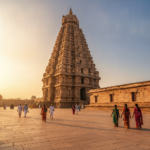
- Days 7-8: Travel to Thanjavur to marvel at the eleventh-century Brihadeeswarar Temple, a masterpiece of Chola architecture.
- Days 9-10: Journey to Madurai to witness the breathtaking Meenakshi Amman Temple complex before departure.
Choosing this heritage route is ideal for a first-time south india travel plan focused on art, philosophy, and history. Refining a south india travel plan to include these ancient cities reveals a living heritage that has survived continuously for millennia. For travelers who want to combine elements of both states, the historic city of Mysore in Karnataka serves as an excellent base for a diversified south india travel plan, connecting easily with the wildlife sanctuaries of Wayanad or the hills of Coorg.
Logistics, Transit, and Infrastructure Realities
Understanding the practical realities of transportation is vital for any international visitor. South India possesses an extensive transport network, but its operations and booking systems require advance planning. Logistics form the backbone of a south india travel plan, determining how much of the region can be comfortably explored.
Evaluating Rail, Road, and Air Connectivity
Air travel is highly efficient for covering long distances between major hubs like Bengaluru, Chennai, Kochi, and Hyderabad. Simplifying a south india travel plan by flying between key states is often the most sensible approach. However, for regional exploration, the Indian Railways network provides an authentic and highly scenic alternative. High-speed daytime trains, such as the Shatabdi and Vande Bharat expresses, connect major cities with high efficiency.
For complex itineraries involving hill stations and remote coastal areas, hiring a private vehicle with a professional driver is the most flexible option. Managing transport within a south india travel plan using a private car allows travelers to halt at roadside temples, spice farms, or local eateries without the stress of managing train timetables.
Accommodation Standards and Booking Timelines
Accommodation options in South India range from ultra-luxury heritage hotels and restored spice estates to modest guest houses. Safeguarding a south india travel plan against poor lodging experiences requires booking well in advance, particularly during the peak winter season. During this time, high-demand heritage properties in places like Munnar, Pondicherry, and Fort Kochi are often fully booked several months in advance.
Securing comfortable accommodation is essential for a realistic south india travel plan. First-timers should keep the following tips in mind when choosing lodging:
- Air Conditioning: Always opt for AC rooms, as coastal areas maintain high humidity year-round.
- Safe Water: Choose hotels that provide sealed mineral water bottles or have robust in-house RO purification systems.
- Location: In historical cities like Madurai or Pondicherry, book properties within walking distance of the central monuments or French Quarter to minimize local transit times.
| Transport Mode | Best Suited For | Booking Timeline | Key Advantage |
|---|---|---|---|
| Domestic Flights | Inter-state travel | 1 to 2 months in advance | Saves significant travel time |
| Express Trains | Medium distances | 60 days in advance (IRCTC) | Scenic and cost-effective |
| Private Chauffeur | Hill stations & custom routes | 2 to 4 weeks in advance | Maximum flexibility |
| Local Auto-rickshaws | Short inner-city transits | On-demand | Quick and highly accessible |
But still, while trains are incredibly charming, the booking system can be complex for first-timers. Utilizing authorized travel desks or platforms like TravelDham can simplify this hurdle. This assistance is particularly valuable during festival seasons when seats sell out within minutes of release.
Practical Cultural Etiquette and Dining Guidelines
Adjusting to the local lifestyle and customs is just as important as choosing the right route. Southern India maintains a distinct social fabric that is deeply traditional, particularly outside major metropolitan centers.
Culinary Traditions and Dietary Protocols
The culinary landscape of South India is incredibly diverse, characterized by the extensive use of coconut, rice, lentils, and aromatic spices. The culinary component of a south india travel plan is often a major highlight for visitors. Meals are traditionally served on clean banana leaves, particularly during formal occasions or traditional feasts (known as *sadya* in Kerala).
First-time visitors should understand that eating with the right hand is the standard cultural protocol. Rice-based dishes like *dosas*, *idlis*, and *uttapams* are staples across all states, offering mild and digestible options for those sensitive to intense heat. However, traditional curries can be exceptionally spicy. Requesting a lower spice level when ordering at local restaurants is always recommended.
Sacred Site Protocol and Dress Codes
Temples in South India are active centers of worship, not mere tourist attractions. Enhancing a south india travel plan with visits to these grand complexes requires strict adherence to local dress codes. Both men and women must wear modest clothing that covers shoulders and knees. Some traditional temples in Tamil Nadu and Kerala require men to wear a traditional sarong (known as a *veshti* or *mundu*) and remove their shirts before entering the inner sanctum.
Footwear must always be left outside the temple premises in designated shoe-keep stalls. It is basically a simple sign of respect that ensures a welcoming reception from local communities. By remaining mindful of these practices, finalizing a successful south india travel plan becomes a smooth, mutually respectful, and unforgettable cultural journey.
- Footwear Protocol: Always remove shoes before entering temples, shrines, and traditional homes.
- Conservative Attire: Opt for loose, lightweight linen clothing that covers shoulders and knees.
- Dining Etiquette: Use only the right hand for eating, passing food, and handling shared items.
- Photography Rules: Always seek permission before photographing people or taking pictures inside active temple shrines.