Your Ultimate Guide to Planning a South India Travel Plan: Itinerary & Essential Tips

Planning a journey across the southern peninsula of the Indian subcontinent involves balancing a rich history, dense forests, and coastal traditions. It is not merely about booking flights. It is about crafting a structured South India travel plan that respects the vast geographical variations of the region. From the towering Dravidian gopurams of Tamil Nadu to the misty spice plantations of Kerala, the sheer diversity can overwhelm even the most experienced travelers. Developing a successful South India travel plan requires clear chronological decisions and practical local knowledge. While northern circuits often prioritize monuments of the Mughal era, the southern states offer an uninterrupted lineage of temple architecture, classical arts, and ancient maritime trade routes. This comprehensive guide breaks down the essential routes, logistical considerations, and local nuances required to build an efficient South India travel plan.
Key Takeaways for Your South India Travel Plan
- Best Time to Visit: November to February offers the most pleasant, low-humidity weather across all southern states.
- Itinerary Focus: A minimum of 10–14 days is ideal to experience a balanced mix of Tamil Nadu’s heritage and Kerala’s backwaters.
- Geography Matters: The Western Ghats physically divide the peninsula; crossing them takes time due to winding mountain roads.
- Cultural Respect: Modest attire is mandatory when entering historic South Indian temples, and footwear must always be removed.
- Transport Strategy: Pre-booked trains are perfect for long distances, while private hired cars offer the best flexibility for hill stations.
Understanding the Geography of South India
To build a realistic South India travel plan, one must first grasp the physical geography of the region. The southern peninsula is bounded by the Arabian Sea to the west, the Bay of Bengal to the east, and the Indian Ocean to the south.
This vast area is divided into five distinct states and union territories, each offering unique cultural landscapes:
- Karnataka: Home to heritage sites like Hampi and the hills of Coorg.
- Kerala: Famous for its tropical backwaters and coastal wellness retreats.
- Tamil Nadu: The heartland of ancient Dravidian temple architecture.
- Andhra Pradesh & Telangana: Known for rich history, grand monuments, and distinct culinary traditions.
- Puducherry: A charming union territory reflecting French colonial influence.
This geographical layout creates highly distinct zones. The western coastal strip is humid and tropical, featuring fertile lowlands and extensive backwater networks. Conversely, the eastern side is drier, characterized by the Deccan Plateau and expansive plains. When designing a South India travel plan, travelers must recognize that crossing the Western Ghats is not a quick journey. The mountain passes, though scenic, slow down road transit significantly. Therefore, any effective South India travel plan must treat geography as a primary constraint. The coastal belt is ideal for slow, relaxed itineraries focused on nature and wellness. To optimize travel times, a smart South India travel plan typically focuses on either the eastern or western circuit, rather than trying to cover both in a single short trip.
Choosing the Perfect South India Travel Plan Itinerary
Selecting the right path depends heavily on personal travel preferences and available time. There is no single route that fits every traveler. Instead, a successful South India travel plan must be customized around specific themes such as heritage, coastal relaxation, or mountain retreats. Attempting to see everything in one visit leads to transit exhaustion, where more hours are spent in cars than exploring sites. For those who have a week to ten days, picking a single thematic focus is highly recommended. Choosing the right one is the crucial first step in your South India travel plan.
The Heritage and Temple Trail: Tamil Nadu and Karnataka
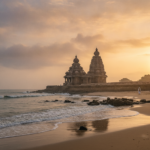
This route is designed for those seeking historical monuments. It’s basically a journey through centuries of dynastic rule, from the Pallavas and Cholas to the Hoysalas and the Vijayanagara Empire. A typical heritage-focused South India travel plan begins in Chennai and moves south along the Coromandel Coast to Mamallapuram, where rock-cut shore temples stand.
From Mamallapuram, the trail leads to Thanjavur, the heartland of Chola architecture. The Brihadisvara Temple showcases Dravidian engineering at its peak, featuring a massive 66-meter high stone tower built without mortar. According to historical records, the temple was consecrated in 1010 by Raja Raja Chola I in Tamil Nadu (which remains a major architectural draw).
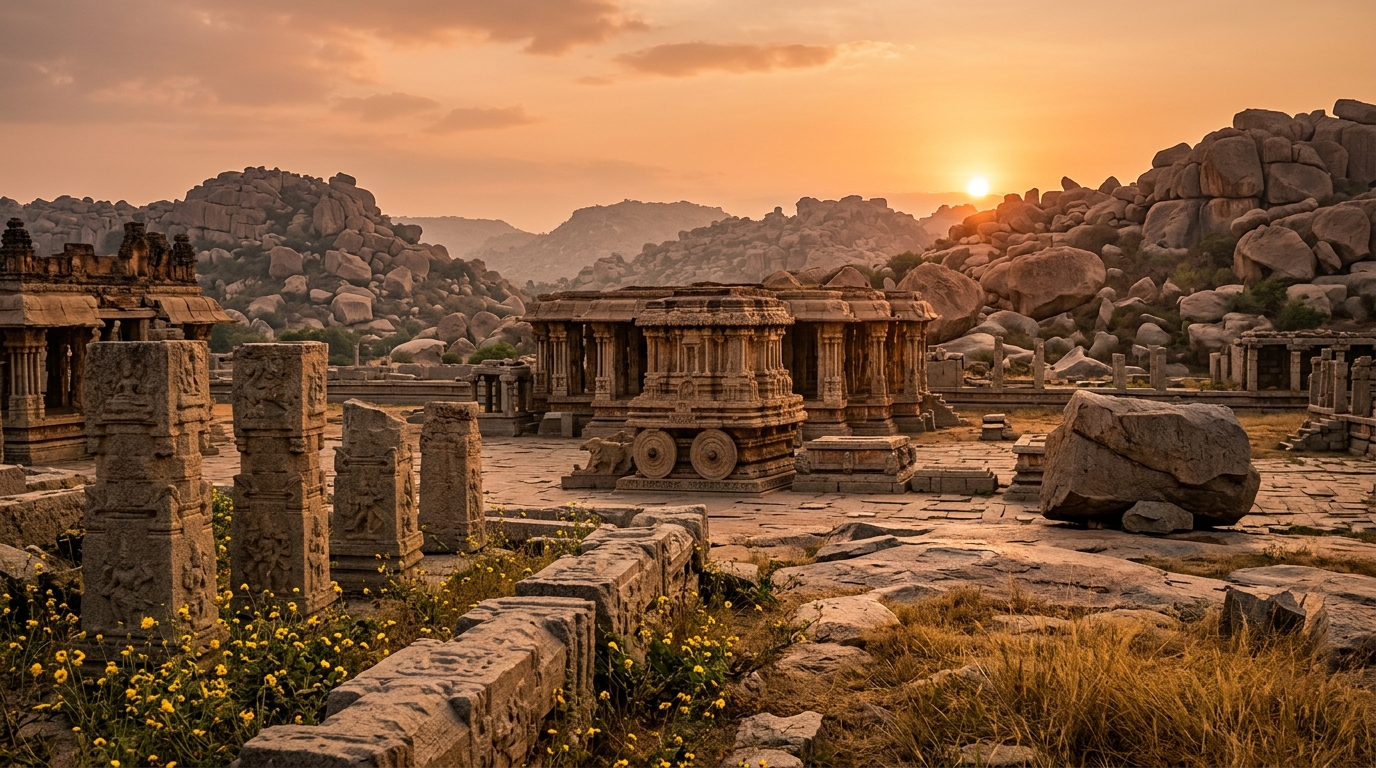
Moving further west into Karnataka, the ancient ruins of Hampi present a contrasting style. A comprehensive South India travel plan that includes Hampi requires at least three full days just to explore the ruins. To connect these historical areas, travelers often include Mysore, known for its grand palace and nearby Hoysala temples in Belur and Halebidu. Integrating these two states into a single South India travel plan provides a complete overview of South Indian royal history.
The Coastal and Backwater Escape: Kerala and Goa
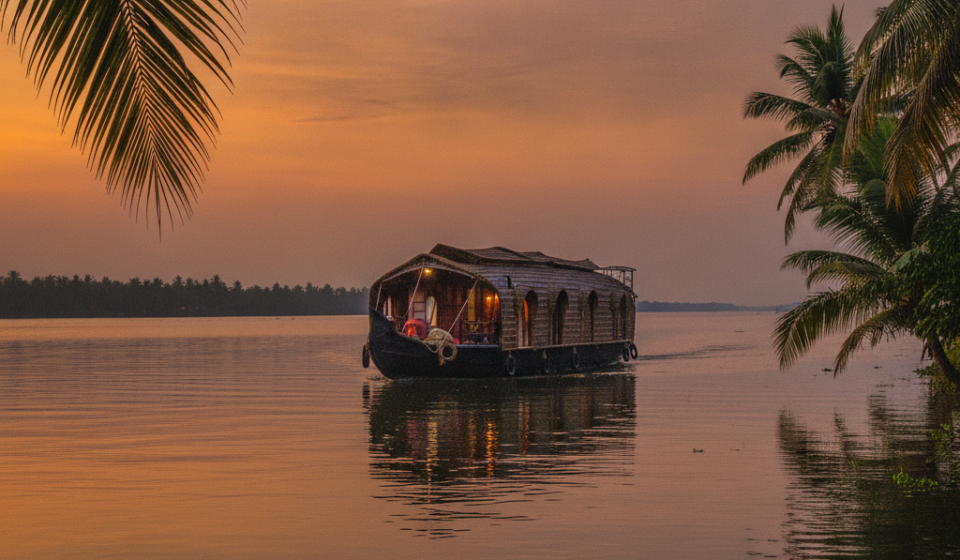
For travelers seeking coastal scenery, a relaxed South India travel plan is the ideal choice. This route starts in Kochi, a historic port city where Chinese fishing nets line the harbor. Kochi serves as the gateway to the backwaters of Alappuzha (Alleppey), where renting a traditional houseboat offers an intimate look at local life.
The backwaters represent a delicate freshwater ecosystem. Spending a night on a houseboat (locally called a Kettuvallam), gliding past coconut groves and paddy fields, is a slow travel experience that contrasts sharply with the busy heritage trail. From Alappuzha, the South India travel plan can continue south toward the dramatic cliffside beaches of Varkala, or the sweeping crescent beaches of Kerala. This coastal route stays entirely on the western side of the mountains, ensuring a highly humid climate and lush vegetation year-round.
For those who wish to extend this route, heading north into the coastal areas of Karnataka leads to the quiet beaches of Gokarna and eventually to Goa. A coastal-focused South India travel plan prioritizes slow travel, local seafood, and Ayurvedic wellness treatments, making it highly popular for couples and wellness seekers.
The Western Ghats and Wildlife Route: Wayanad, Coorg, and Ooty
This mountain route is tailored for nature lovers, hikers, and tea enthusiasts. The Western Ghats house some of the most biodiverse forest systems in the world. A mountain-focused South India travel plan connects the misty hills of Wayanad in Kerala, the coffee estates of Coorg in Karnataka, and the historic British hill station of Ooty in Tamil Nadu.
Wayanad features dense forests, ancient caves, and waterfalls. Moving north, Coorg offers coffee plantation stays and an immersive look at the local Kodava community. It’s basically an agricultural experience, combined with cool mountain air. But still, winding mountain roads require careful planning, as travel times between hill stations can be deceptively long due to steep hairpin curves.
Continuing to Ooty, travelers can experience the historic Nilgiri Mountain Railway, a narrow-gauge toy train that has been running since 1908 (making it a recognized world heritage site). Incorporating these hill stations into your South India travel plan provides a refreshing break from the tropical heat of the plains.
A Comprehensive 14-Day South India Travel Plan Itinerary
For a truly complete experience, a two-week trip is the standard recommendation. This duration allows travelers to combine the cultural depth of Tamil Nadu with the natural beauty of Kerala. Below is a detailed day-by-day outline designed to optimize transit times and maximize exploration. This 14-day South India travel plan serves as a balanced blueprint:
| Days | Destinations | Primary Focus & Key Highlights | States Covered |
|---|---|---|---|
| Days 1–3 | Chennai & Mamallapuram | Rock-cut shore temples, Krishna’s Butterball, coastal history | Tamil Nadu |
| Days 4–5 | Puducherry (Pondicherry) | French Quarter, Promenade Beach, Auroville | Puducherry (UT) |
| Days 6–7 | Thanjavur & Madurai | Brihadisvara Temple, Meenakshi Amman Temple evening rituals | Tamil Nadu |
| Days 8–10 | Munnar | Western Ghats trekking, tea gardens, Eravikulam National Park | Kerala |
| Days 11–12 | Alappuzha (Alleppey) | Private Kettuvallam houseboat stay, quiet backwater canals | Kerala |
| Days 13–14 | Kochi | Fort Kochi, Chinese fishing nets, Jewish Town heritage | Kerala |
Days 1 to 3: Chennai and Mamallapuram
Arrive in Chennai and travel to Mamallapuram. Spend two nights exploring the rock-cut shore temples and Krishna’s Butterball. The sea breeze makes the ruins pleasant to visit in the late afternoon.
Days 4 to 5: Puducherry
Drive to the former French colony of Pondicherry. Walk along the Promenade beach, explore the French Quarter with yellow colonial villas, and visit Auroville.
Days 6 to 7: Thanjavur and Madurai
Travel inland to Thanjavur to see the Great Living Chola Temples. On day seven, drive to Madurai to visit the Meenakshi Amman Temple. Watching the evening temple rituals is a highlight of any South India travel plan.
Days 8 to 10: Munnar Hill Station
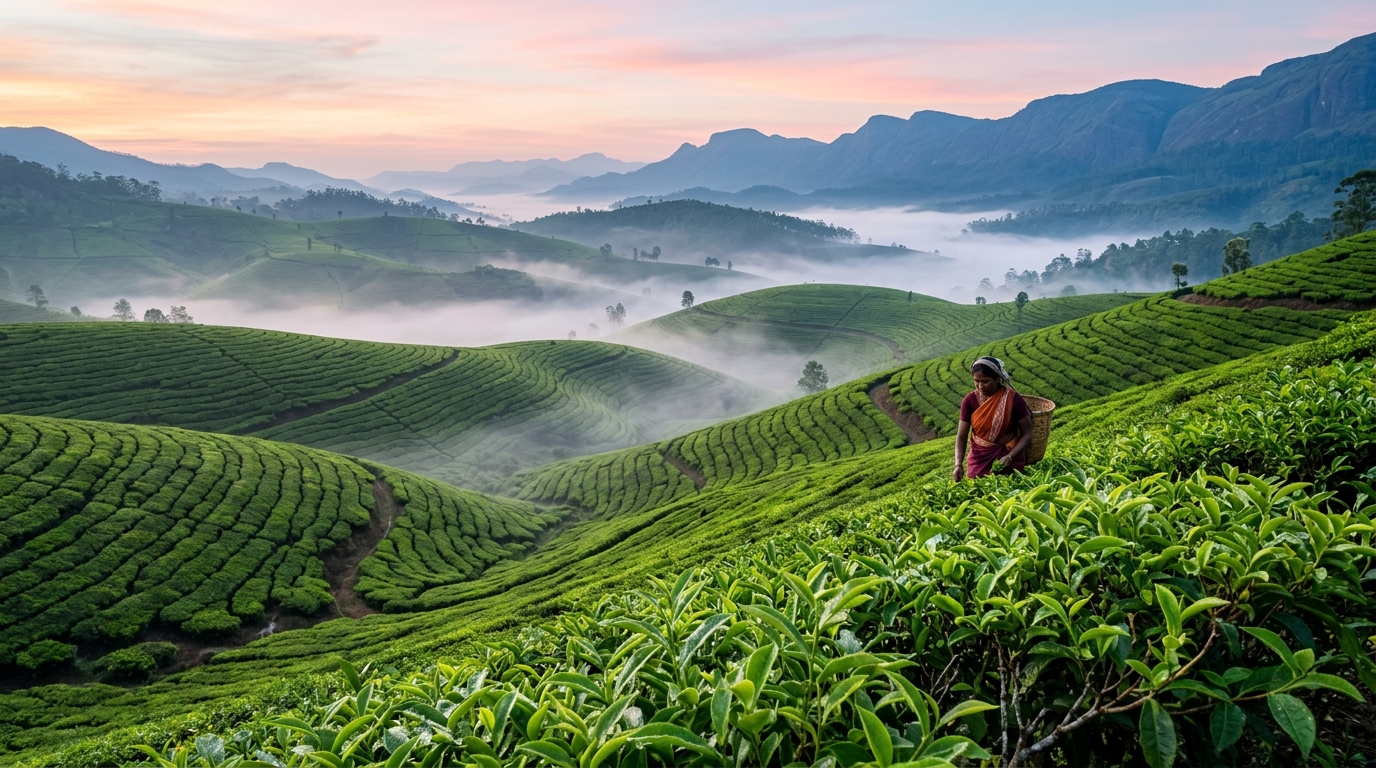
Cross into Kerala and climb up into the Western Ghats to Munnar. Spend two days visiting tea museums and trekking through Eravikulam National Park.
Days 11 to 12: Alappuzha Backwaters
Descend to Alappuzha and board a private backwater houseboat. Spend 24 hours cruising past coconut groves and villages. Meals served on board feature fresh Keralan style river fish and local rice.
Days 13 to 14: Kochi Departure
Conclude the South India travel plan in Kochi. Explore Fort Kochi, the historic Jewish town, and spice markets before your flight home.
Essential Planning Tips for Your South India Journey
Executing a trip across South India requires careful attention to logistical details that might not apply in other parts of the country. From distinct local languages to specific dress codes, being prepared makes a significant difference in the quality of your travel experience. To ensure a smooth journey, travelers must adapt their expectations to the local pace of life.
A well-prepared South India travel plan takes into account the distinct cultural and environmental differences of the southern states. Unlike the north, where Hindi is widely understood, the southern states speak entirely different languages belonging to the Dravidian family. While English is widely spoken in tourist hubs, learning a few basic local words is always appreciated.
Best Time to Visit South India
Timing is arguably the most critical factor when finalizing a South India travel plan. The region experiences a tropical climate, meaning it remains warm throughout the year. However, the winter months, from November to February, are universally considered the peak season, depending on the source of tourist traffic. During this window, temperatures are moderate, and humidity is at its lowest, making sightseeing comfortable.
But still, the monsoon seasons must not be ignored. South India receives two distinct monsoons: the Southwest Monsoon from June to September, which heavily impacts the western coast and Kerala, and the Northeast Monsoon from October to November, which affects Tamil Nadu. For a beach-focused South India travel plan, avoiding the heavy monsoon months is highly recommended, as sea conditions become rough and outdoor activities are suspended.
Transportation Options: How to Get Around
Choosing the correct mode of transport is essential for keeping your South India travel plan on track. Depending on your budget and preferences, here are the main options for getting around:
- Indian Railways: A highly reliable, affordable, and scenic option. Best for long-distance travel between major cities. Be sure to book air-conditioned sleeper classes (such as 2AC or 3AC) well in advance.
- Private Car with Driver: The most comfortable and flexible option for short distances, coastal routes, and navigating winding mountain roads. It allows easy stops at local spice farms and scenic lookouts.
- Domestic Flights: Ideal for saving time when jumping between distant hubs (e.g., Chennai to Kochi or Bangalore to Trivandrum).
Cultural Etiquette and Temple Norms
South India is culturally conservative, particularly regarding religious sites. Temples are active places of worship, not just tourist attractions. When incorporating historic temples into a South India travel plan, travelers must follow strict dress codes. Both men and women must dress modestly, ensuring shoulders and knees are fully covered. In some traditional temples, men may be required to remove their shirts before entering.
Additionally, leather items, including belts, wallets, and bags, are strictly prohibited inside certain temples. Footwear must always be removed before entering any temple complex. Always ask for permission before taking photographs, as photography is strictly forbidden inside the inner sanctum of most temples. Respecting these local customs ensures a positive and welcoming reception throughout your South India travel plan.
To make preparation easier, here are the core items to pack for the tropical southern climate:
- Lightweight cotton or linen clothing to manage high humidity
- Slip-on footwear for easy removal at temple entrances
- A light shawl or scarf to cover shoulders when entering sacred sites
- High-SPF sunscreen and reliable mosquito repellent
Comparative Analysis of South Indian Travel Circuits
To help decide which region fits your interests best, the table below compares the key travel circuits of South India across multiple criteria, including primary highlights, ideal duration, and the best travel style.
| Travel Circuit | Primary Highlights | Ideal Duration | Best Travel Style |
|---|---|---|---|
| Heritage & Temples | Hampi, Madurai, Thanjavur, Mamallapuram | 8 to 10 Days | Active exploration, historical focus |
| Coastal & Backwaters | Alappuzha, Kochi, Varkala, Gokarna | 7 to 9 Days | Slow travel, wellness, cruise |
| Western Ghats & Wildlife | Coorg, Wayanad, Ooty, Munnar | 6 to 8 Days | Nature hiking, plantation stays |
This comparison highlights how different each circuit is in terms of pace and focus. A comprehensive South India travel plan can combine elements of these circuits, provided there is enough time to handle the transition between the plains and the hills.
Frequently Asked Questions
Here are answers to some of the most common questions travelers ask when putting together their South India travel plan.
How many days are ideal for a South India travel plan?
While a 7-day trip is sufficient for a single state, a comprehensive South India travel plan requires at least 10 to 14 days. This duration allows for a balanced mix of sightseeing in Tamil Nadu and relaxation in Kerala, ensuring travel days are spaced out to prevent road transit burnout.
What is the local food like in South India?
The cuisine of South India is highly diverse, featuring rice as a staple grain served with lentil-based sambar and rasam. Seafood is prominent along the tropical coast, prepared with fresh coconut milk. Iconic breakfast dishes like crispy dosas and steamed idlis are highly popular. Trying local meals served on a banana leaf is recommended during your South India travel plan.
Is South India safe for solo travelers?
Generally speaking, South India is considered highly safe for solo travelers, including solo female travelers. Local communities are welcoming and respectful. Standard travel precautions should still be followed, such as avoiding isolated areas late at night. Having a structured South India travel plan with pre-booked accommodations provides extra security and peace of mind.
Conclusion
Crafting a successful South India travel plan is about choosing quality over quantity. The sheer richness of the region makes it impossible to experience everything in a single visit. By focusing on a well-defined circuit, matching your itinerary to the seasons, and respecting local temple protocols, you ensure an enriching and memorable journey.
Whether walking through the ancient ruins of Hampi, cruising the quiet canals of Alappuzha, or tasting spices in Munnar, the southern states offer a deeply authentic travel experience. Take the time to plan your route carefully, pack appropriately for the tropical climate, and allow yourself to slow down and match the gentle rhythm of South India.