Ultimate South India Travel Plan: Itinerary & Tips for Exploring the Southern States

Planning an expedition across the southern peninsula of the Indian subcontinent requires a careful balance of cultural exploration, geographical diversity, and logistical precision. This diverse region, defined by its ancient Dravidian architecture, mist-shrouded hill stations, and serene coastal waterways, presents an entirely different pace of life compared to the bustling northern plains. Creating a structured South India travel plan is essential to appreciate the distinct identities of Karnataka, Kerala, Tamil Nadu, Telangana, and Andhra Pradesh. Rather than attempting to cover the entire peninsula in a single visit, a successful journey focuses on well-planned geographic corridors. This comprehensive guide outlines the optimal strategies, itineraries, and essential travel protocols to ensure a highly rewarding and efficient journey through one of Asia’s most captivating cultural destinations.
Key Takeaways for Your South India Travel Plan:
- Ideal Duration: Plan for a minimum of 14 days to properly experience at least two neighboring states without rushing.
- Best Time to Visit: The dry winter months from November to February offer the most pleasant weather for sightseeing.
- Geography Matters: Winding mountain roads in the Western Ghats significantly increase travel times compared to flat highways.
- Cultural Respect: Modest dress codes and footwear removal are mandatory when entering active temple complexes.
- Diverse Experiences: Balance your itinerary with a mix of heritage sites, misty hill stations, and relaxing backwaters.
Understanding the Geography of South India
The peninsular geography of the southern states dictates both travel times and cultural experiences. Bordered by the Arabian Sea to the west, the Bay of Bengal to the east, and the Indian Ocean to the south, the region is structurally divided by two major mountain ranges: the Western Ghats and the Eastern Ghats. The Western Ghats (a UNESCO World Heritage site older than the Himalayas, roughly speaking) act as a climatic barrier, catching the southwest monsoon rains and nourishing dense tropical rainforests, extensive spice estates, and high-altitude hill stations. Conversely, the Eastern Ghats are more eroded and discontinuous, leading to broader, drier plains that eventually slope down to fertile coastal deltas.
Critics say traveling in India is inherently chaotic. They are not entirely wrong. But still, the south offers a significantly more orderly and welcoming environment for first-time visitors. Understanding this physical terrain is vital for transit planning:
- Coastal Routes (Malabar Coast): Flat but heavily populated, where vehicular speeds rarely exceed 50 kilometers per hour.
- Mountainous Passes (Western & Eastern Ghats): Involve winding hairpin bends requiring skilled driving and significantly more travel time than highway driving.
- Transit Expectations: Distances on a map may appear minor, but traveling between a high-altitude tea plantation and a coastal backwater can easily consume an entire day.
For these reasons, travelers should prioritize region-specific exploration over broad continental routes.
Determining the Ideal Duration for Your South India Travel Plan
When designing a South India travel plan, the most critical decision involves balancing depth with geographic distance. Travelers frequently make the mistake of attempting to cover multiple states within a single week, resulting in a superficial experience dominated by exhausting transit times. To truly appreciate the historical depth and natural beauty of the region, a minimum of 14 days is highly recommended. (A slightly longer stay of 18 days is even more favorable for those who prefer a slower, more immersive pace of exploration).
This two-week timeframe allows for a logical progression through at least two neighboring states (such as Karnataka and Kerala, or Tamil Nadu and Kerala) without rushing. Depending on your available time, you can structure your South India travel plan around the following options:
- 7-Day Focused Itinerary: Narrow your focus to a single state or regional circuit, such as Mysore and Coorg in Karnataka, or the backwaters and heritage towns of Kerala.
- 14-Day Balanced Itinerary: The recommended sweet spot to explore a logical multi-state corridor combining hill stations, cultural heritage, and coastal regions.
- 21 to 30-Day Grand Tour: Ideal for a comprehensive journey encompassing major archaeological monuments, wildlife sanctuaries, and coastal towns across Karnataka, Kerala, and Tamil Nadu.
Therefore, any viable South India travel plan must prioritize selective, regional experiences over exhaustive checklists.
Seasonal Variations: When to Execute Your South India Travel Plan
Climatic patterns in the southern peninsula are highly distinct and should guide the timing of your South India travel plan. The region experiences three primary seasons: the dry winter, the scorching summer, and the heavy monsoon. The period from November to February represents the peak travel window, characterized by pleasant daytime temperatures ranging from roughly 20°C to 30°C and minimal rainfall. This temperate weather is ideal for exploring temple complexes, walking through spice plantations, and relaxing on coastal beaches.
If your South India travel plan includes heavy outdoor exploration or wildlife viewing, avoiding the intense summer heat of March, April, and May is advisable. During these months, temperatures in the interior plains of Tamil Nadu and Andhra Pradesh can regularly exceed 40°C, making midday sightseeing highly uncomfortable. However, the high-altitude hill stations of the Western Ghats remain cool and pleasant during the summer, offering a popular escape. The southwest monsoon arrives in early June and lasts until September, bringing torrential rains that revitalize the natural environment but can disrupt road transport and outdoor activities. While monsoon tourism has gained traction for wellness treatments, general travelers usually prefer the dry winter months.
| Season | Months | Average Temp | Travel Recommendations |
|---|---|---|---|
| Peak Season (Winter) | November to February | 20°C – 30°C | Best for coastal beaches, backwaters, and intensive temple sightseeing. |
| Shoulder Season (Summer) | March to May | 25°C – 40°C+ | Best for high-altitude hill stations like Coorg, Wayanad, and Ooty. Avoid plains. |
| Monsoon Season (Rainy) | June to October | 22°C – 32°C | Ideal for Ayurvedic wellness retreats, lush green landscapes, and waterfalls. |
The Ultimate 14-Day South India Travel Plan Itinerary
This carefully curated South India travel plan offers a balanced, multi-state route starting in the cultural hub of Karnataka, winding through the cool highlands of the Western Ghats, descending into the serene waterways of Kerala, and ending along the historic eastern coast. It is designed to minimize backtracking while maximizing the variety of cultural, historical, and natural experiences.
Days 1-3: Cultural Heritage in Karnataka
The journey begins in Bengaluru (historically Bangalore), a city that serves as a major international gateway and represents India’s modern technological growth. Spending the first day adjusting to the climate and exploring local landmarks like the Tudor-style Bangalore Palace or the expansive Lalbagh Botanical Garden lays a solid foundation for your South India travel plan.
On day two, a scenic three-hour drive south leads to Mysuru (formerly Mysore), the historical capital of the Wodeyar dynasty. For travelers interested in this specific region, a dedicated Bangalore and Mysore itinerary offers deep insights into the local history. Mysuru is celebrated for its majestic Amba Vilas Palace, an architectural masterpiece that combines Indo-Saracenic, European, and Dravidian styles. Visitors should also explore the bustling Devaraja Market, famous for its vibrant displays of local spices, sandalwood products, and traditional silk saris. On the third day, a short excursion to Srirangapatna (the island fortress of Tipu Sultan) or the ancient temples of Somnathpur highlights the intricate Hoysala architecture before departing toward the hills. This introductory segment provides an ideal transition from the modern urban environment to the rich historical heritage of the Deccan Plateau.
Days 4-7: Hill Stations and Coffee Plantations in Coorg and Wayanad
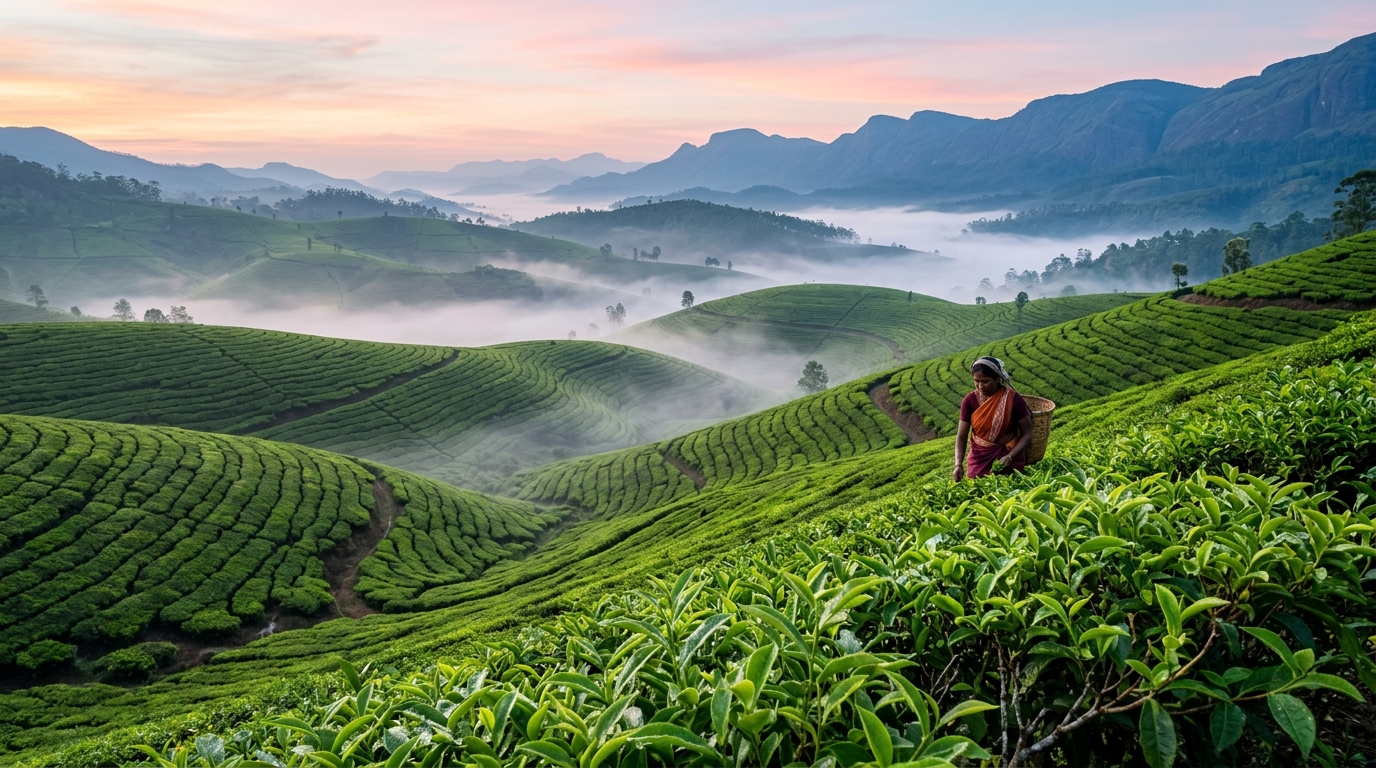
Moving deeper into your South India travel plan, the route climbs into the verdant heights of the Western Ghats. Days four and five are dedicated to the district of Kodagu, popularly known as Coorg. This highland region is characterized by misty coffee estates, cascading waterfalls, and the unique culture of the Kodava people. Travelers can visit the Namdroling Monastery (the Golden Temple) in Bylakuppe, which is one of the largest Tibetan Buddhist settlements in India, housing towering gold-plated statues of Buddha.
On day six, the journey continues south across the state border into Wayanad, a picturesque highland district in northern Kerala. This region offers dense forests, spice gardens, and ancient archaeological sites. A visit to the Edakkal Caves is highly recommended, where prehistoric rock carvings date back to the Neolithic era. Spending day seven hiking through tea gardens or visiting the Banasura Sagar Dam (the largest earth dam in India) offers a serene, nature-focused experience. The cool mountain air and slower pace of life in these highland districts provide a refreshing contrast to the bustling cities of the plains.
Days 8-11: Backwaters, Beaches, and Wellness in Kerala
No comprehensive South India travel plan is complete without experiencing the tranquil waters and wellness traditions of Kerala. On day eight, descend from the highlands to the historic port city of Kochi (Fort Cochin). This coastal hub showcases a unique blend of Portuguese, Dutch, British, and Chinese influences. Visitors can view the iconic Chinese fishing nets lining the harbor, explore the Jewish Synagogue in Jew Town, and attend an evening performance of Kathakali (a highly stylized traditional dance-drama).
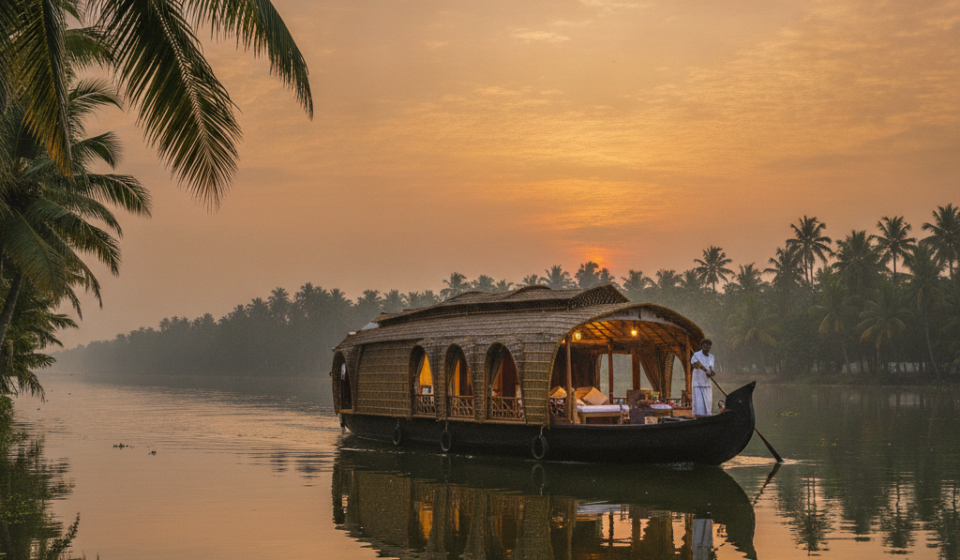
On day nine, travel south to Alappuzha (Alleppey), the gateway to the famous backwaters of Kerala. Boarding a traditional thatched houseboat (known locally as a Kettuvallam) for an overnight cruise through the interconnected canals, lakes, and lagoons is a definitive regional highlight. The gentle pace of the houseboat allows for an intimate look at rural riverside life. Days ten and eleven are spent further south at Marari Beach or Kovalam, focusing on relaxation and traditional Ayurvedic wellness therapies. Kerala is globally renowned for its authentic Ayurveda schools, where ancient herbal treatments and massages help restore physical and mental balance.
Days 12-14: Historic Temples and Coastlines of Tamil Nadu
The final phase of this South India travel plan crosses the eastern plains into the temple state of Tamil Nadu. On day twelve, travel to Madurai, one of the oldest continuously inhabited cities in the world. The city centers around the magnificent Meenakshi Amman Temple, a sprawling complex featuring fourteen towering gopurams (gateway towers) covered in thousands of colorful stone sculptures. Attending the evening temple ceremony, where the deity is carried in a formal procession, offers a profound cultural experience.
On day thirteen, drive north to Pondicherry (Puducherry), a coastal union territory that retains a distinct French colonial heritage. The French Quarter, with its mustard-colored villas, quiet cobbled streets, and bougainvillea-draped walls, presents a striking contrast to the bustling Indian towns nearby. On day fourteen, before concluding the journey in Chennai, visit the coastal monuments of Mahabalipuram (Mamallapuram). This UNESCO World Heritage site features exquisite 7th-century rock-cut temples, monolithic rathas (chariots), and the famous Shore Temple overlooking the Bay of Bengal. This final leg highlights the architectural transition from the brick and stucco styles of the west to the monumental granite carvings of the east.
Comparative Overview of South Indian States
To help refine your custom South India travel plan, it is useful to understand how the primary states differ in terms of their core attractions, topography, and cultural highlights. Each state possesses its own distinct language, culinary traditions, and historical legacy. The following comparative summary is designed to assist in your South India travel plan decision-making process:
| State | Primary Highlights | Key Topography | Signature Cuisine |
|---|---|---|---|
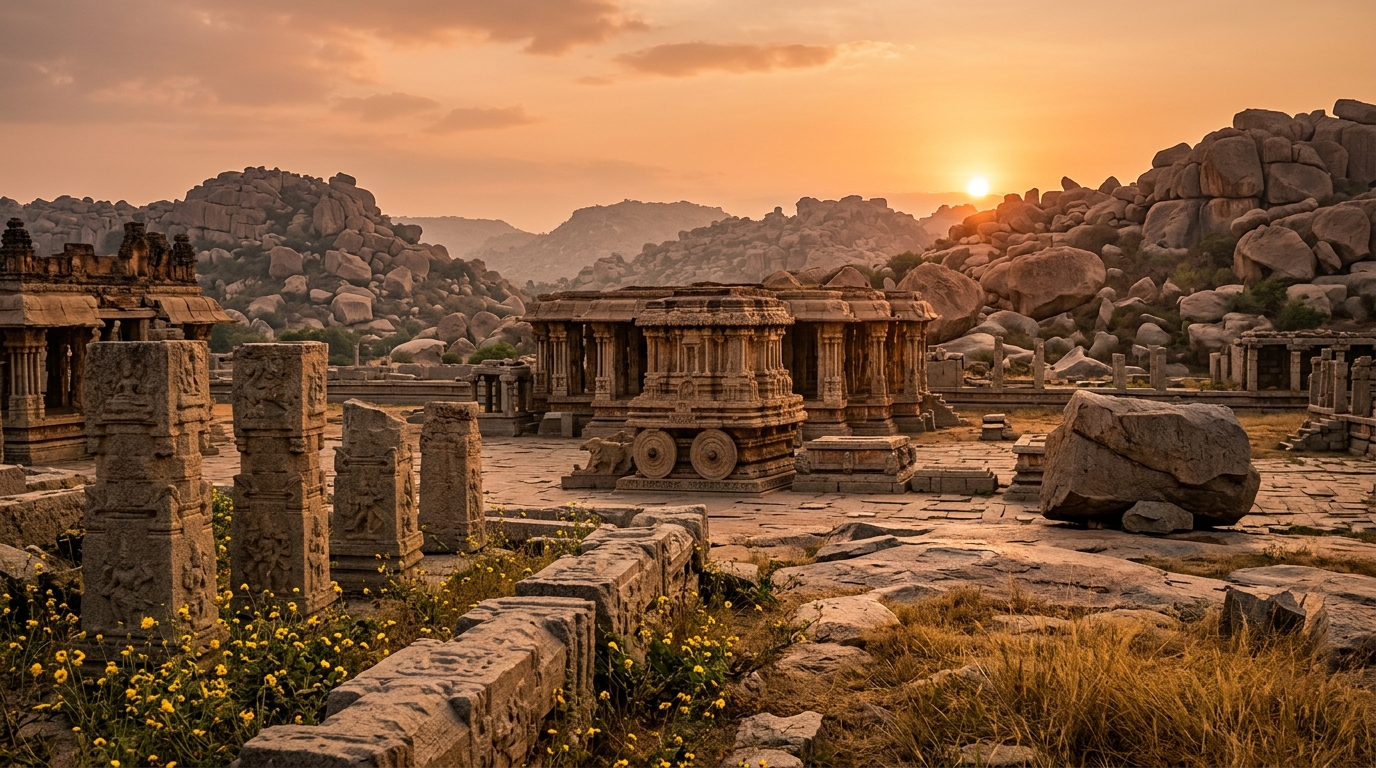
| Karnataka | Ancient ruins (Hampi), royal palaces (Mysuru), modern technology hubs, and diverse wildlife sanctuaries. | Deciduous forests, high plateaus, and sandy coastlines. | Bisi Bele Bath, Mysore Pak, and coastal Mangalorean seafood. |
| Kerala | Serene backwaters, traditional Ayurvedic wellness, spice hills, and pristine beaches. | Coastal lagoons, humid lowlands, and wet montane forests. | Karimeen Pollichathu, Appam with stew, and coconut-rich curries. |
| Tamil Nadu | Monumental Dravidian stone temples, French colonial heritage, and UNESCO archaeological sites. | Broad agricultural plains, dry scrublands, and long eastern beaches. | Idli, Dosa, Sambar, and spicy Chettinad preparations. |
As the table indicates, a balanced itinerary can easily combine the royal heritage of Karnataka with the relaxing waterways of Kerala, or pair the rich temple architecture of Tamil Nadu with the scenic hills of the Western Ghats, depending entirely on personal travel preferences.
Logistical Essentials for Your South India Travel Plan
Managing the practical aspects of a journey through the southern states requires careful preparation. Transport logistics are the backbone of any South India travel plan. While regional flights efficiently connect major cities like Bengaluru, Kochi, and Chennai, the railway network remains the most atmospheric and practical way to travel medium distances. For an efficient South India travel plan, booking train tickets well in advance (as far as current passenger volumes suggest) is crucial, particularly for high-class air-conditioned sleepers (1AC or 2AC). For shorter, regional journeys between hill stations and coastal towns, hiring a private vehicle with an experienced professional driver is often the most comfortable and flexible option.
Selecting the right lodging can transform your South India travel plan from a standard vacation into an extraordinary cultural immersion. Accommodation options range from heritage palace hotels in Mysore and luxury eco-resorts in Coorg to traditional houseboats in Alleppey and beach resorts in Kovalam. Securing reservations several months in advance is crucial if your South India travel plan falls during the peak winter season (November to February), when prime boutique properties sell out quickly. Additionally, integrating health precautions into your South India travel plan (such as drinking only bottled or purified water, opting for freshly cooked hot meals, and packing appropriate insect repellent) ensures a safe and uninterrupted journey.
Cultural Etiquette and Practical Travel Tips
Understanding local social norms is essential to elevate your South India travel plan from standard tourism to a respectful cultural exchange. Southern India is, arguably, more conservative than major northern cities, particularly regarding attire and temple protocols. When executing your South India travel plan, respecting local customs by dressing modestly is highly recommended. When visiting sacred spaces, both men and women should keep their shoulders and knees covered, and shoes must always be removed before entering a temple complex or a private home.
In terms of financial transactions, while digital payments like UPI are ubiquitous even with street vendors, carrying cash remains necessary for small purchases, local bus rides, and tipping service staff. These small transactional costs should be accounted for in your South India travel plan budget. To capture the essence of local respect, keep the following cultural advice in mind:
- Temple Dress Code: Avoid sleeveless tops and shorts when visiting active religious structures.
- Footwear Etiquette: Always leave shoes at designated counters outside temples.
- Right-Hand Rule: Use the right hand for eating and receiving sacred offerings (Prasadam).
- Photography: Seek permission before photographing individuals or temple sanctuaries.
“In South Indian temple architecture and culture, the temple is not merely a monument but a living space of worship and community. Behaving with quiet reverence and avoiding photography where prohibited is the highest form of respect a traveler can offer.”
Conclusion
Developing a strategic South India travel plan allows travelers to experience a region defined by historical depth, natural beauty, and warm hospitality. By balancing urban exploration with tranquil hill stations and backwaters, a two-week journey offers an excellent introduction to this unique part of the subcontinent. Proper seasonal selection, logical route planning, and respectful cultural engagement will ensure your South India travel plan is both rewarding and memorable.