
The southern peninsula of India presents a sensory shift that is immediately noticeable to any traveller crossing its geographic boundaries. Here, the hurried pace of modern metropolitan growth meets ancient temple architecture, lush hill stations, and palm-fringed coastlines. Creating a comprehensive south india travel plan requires a careful balance between the slow rhythm of the backwaters and the complex heritage of medieval dynasties. The region is not a singular tourist destination but rather a collection of distinct cultural landscapes, languages, and culinary identities waiting to be understood. Designing the perfect south india travel plan involves mapping out experiences that range from early morning mist in the Western Ghats to the aromatic spice plantations of the Deccan plateau. Taking the time to explore this diverse land ensures an encounter with rich traditions and spectacular scenery.
Key Takeaways for Your South India Journey
- Best Time to Visit: October to March offers ideal weather, while June to September is perfect for wellness and Ayurveda.
- Diverse Experiences: Combines Dravidian temple architecture, tranquil backwaters, mist-covered Western Ghats, and rich culinary traditions.
- Optimal Duration: A 10 to 14-day itinerary is recommended to explore two states comfortably without travel fatigue.
- Seamless Transport: Well-connected by airports, scenic trains (like the Nilgiri Mountain Railway), and private cabs.
- Cultural Respect: Ensure modest dress codes (shoulders and knees covered) when visiting active temples.
Why Choose South India for Your Next Vacation?
South India offers an escape from the formulaic holiday structures that often define modern travel. While the golden triangle of the north is famous for Mughal architecture, the south is characterized by Dravidian stone carving, tranquil lagoons, and a slower way of living. A well-designed south india travel plan allows travellers to explore some of the world’s oldest living temples, which continue to serve as active community hubs rather than static monuments. Critics often argue that the region is too humid or difficult to navigate for first-time visitors. They are not entirely wrong, but they underestimate how easily the local infrastructure handles tourist needs. This makes planning a journey here highly rewarding for those seeking meaningful, slow-paced exploration.
But still, the appeal of the region goes beyond history. For nature enthusiasts, the Western Ghats (a mountain range older than the Himalayas) offer unique attractions:
- Endemic Wildlife: Home to rare species found nowhere else on Earth.
- Coffee Plantations: Beautiful estates producing world-class Arabica and Robusta beans.
- Filter Kaapi Rituals: A lifestyle emphasizing simplicity where brewing traditional chicory-infused coffee is treated with structured reverence.
This cultural depth makes a south india travel plan highly rewarding for those seeking meaningful, slow-paced exploration. To better understand the distinct personalities of the southern states, let’s examine what each region brings to your itinerary.
| Region / State | Primary Highlights | Vibe | Key Destinations |
|---|---|---|---|
| Kerala | Backwaters, houseboats, and spice hills | Lush, serene, and restorative | Alleppey, Munnar, Kochi |
| Karnataka | Royal palaces, tech hubs, and coffee hills | Diverse, historic, and vibrant | Bengaluru, Mysuru, Coorg |
| Tamil Nadu | Ancient Dravidian temples and coastal ruins | Deeply cultural, historic, and warm | Madurai, Thanjavur, Chennai |
| Pondicherry | French quarters and coastal beaches | Colonial, relaxed, and bohemian | White Town, Auroville |
As the table shows, the geographical and cultural diversity is immense. Choosing where to go depends heavily on whether your priorities lie in relaxation, historical exploration, or rugged outdoor adventure. A balanced south india travel plan often combines elements of all three to create a rich, multi-layered journey. It is basically a matter of picking the right mix of destinations that align with your individual travel style. As the Ministry of Tourism, Government of India, reported in their 2024 tourism statistical analysis, international visitor arrivals to South India grew by roughly 8% year-on-year, indicating a rising global interest in the region’s cultural offerings.
The Best Time to Execute Your South India Travel Plan
Choosing the right season is crucial when finalizing your south india travel plan. Because the peninsula is bordered by the Arabian Sea and the Indian Ocean, the weather varies significantly across the states. While the coastal plains remain warm and humid throughout the year, the inland hill stations offer a pleasant retreat. Depending on the source, some local weather reports suggest that planning your trip around local festivals can also elevate your experience.
| Season | Avg Temperature | Best For | Recommended Places |
|---|---|---|---|
| Winter (Oct – Mar) | 18°C – 30°C | Sightseeing, culture, beach, and wildlife | Hampi, Madurai, Kochi, Alleppey |
| Monsoon (Jun – Sep) | 22°C – 32°C | Ayurveda, waterfalls, lush landscape photography | Wayanad, Athirappilly, Munnar |
| Summer (Apr – May) | 25°C – 38°C+ | Hill stations and mountain trekking | Ooty, Coorg, Munnar, Kodaikanal |
The Winter Window: October to March
For most international and domestic travellers, this period is the absolute gold standard for executing a south india travel plan. Temperatures hover between a pleasant 18 degrees Celsius and 30 degrees Celsius, depending on the specific altitude. The monsoon rains clear by late October, leaving the landscapes incredibly vibrant. This is the perfect time to explore the ancient temple complexes of Madurai or wander through the French quarters of Pondicherry without dealing with the oppressive heat. It is basically the ideal period for outdoor sightseeing, wildlife safaris, and beach visits.
The Monsoon Magic: June to September
If the primary goal of your south india travel plan is wellness, rejuvenation, and landscape photography, the monsoon season is an underrated gem. South India receives heavy rainfall from the southwest monsoon, which turns the entire region into a lush, green paradise. Many travellers choose this time to experience traditional Ayurvedic treatments in Kerala, as the cool, humid climate is historically considered optimal for these therapeutic sessions. But still, heavy downpours can occasionally cause minor travel delays, meaning your daily itinerary must remain highly flexible.
The Summer Retreat: April to May
Summer in the southern plains can be intense, with temperatures frequently exceeding 38 degrees Celsius in the shade. However, this is the prime time to shift your south india travel plan toward the high-altitude hill stations of the Western Ghats. Towns like Coorg, Ooty, and Munnar offer refreshing temperatures, cool mountain breezes, and beautiful morning mist. It is an ideal escape from the heat, though popular hill stations do get crowded with domestic holidaymakers during school vacations. Planning your mountain accommodations well in advance is essential to secure the best properties.
The Ultimate 10-Day South India Itinerary
To truly appreciate the diversity of the region, a structured 10-day south india travel plan is highly recommended. This route focuses on the cultural heart of Karnataka and the natural serenity of Kerala, offering an excellent introduction for first-time visitors.
Days 1-2: Cultural Immersion in Bengaluru and Mysuru
The journey begins in Bengaluru, a modern metropolis where leafy public parks stand alongside glittering glass high-rises. After a short orientation, the south india travel plan moves south toward Mysuru (formerly Mysore). Mysuru is a city of royal heritage and sandalwood, located roughly 140 kilometres away. Key highlights include:
- Amba Vilas Palace: A breathtaking architectural marvel that combines Hindu, Muslim, and Gothic architecture in a stunning display of royal wealth.
- Devaraja Market: A vibrant, century-old bazaar filled with fresh marigolds, local perfumes, and mounds of colorful kumkum powder.
Days 3-5: The Serene Hills of Coorg
Next, the south india travel plan heads into the misty highlands of Coorg, also known as Kodagu. Coorg is a premier destination for coffee lovers, where plantations stretch across rolling hillsides under a canopy of rosewood trees. Visitors can book a tailored Coorg tour itinerary to explore the region’s hidden waterfalls, trek through wilderness paths, and visit the spectacular Namdroling Monastery (commonly called the Golden Temple) in Bylakuppe, which is home to thousands of Tibetan Buddhist monks. The local Kodava culture is distinct, featuring unique culinary traditions like pandi curry (a slow-cooked pork dish seasoned with local wild garcinia).
Days 6-8: Backwaters and Wilderness in Kerala
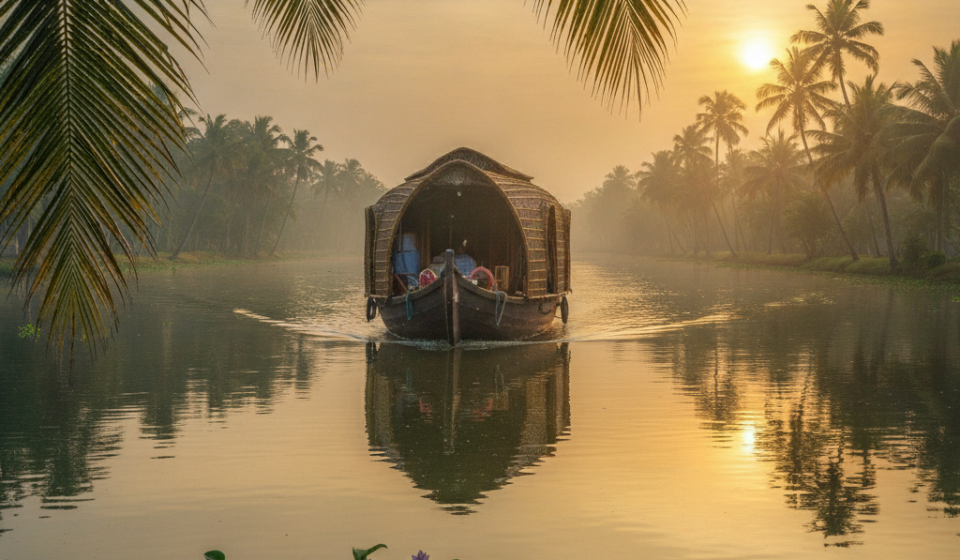
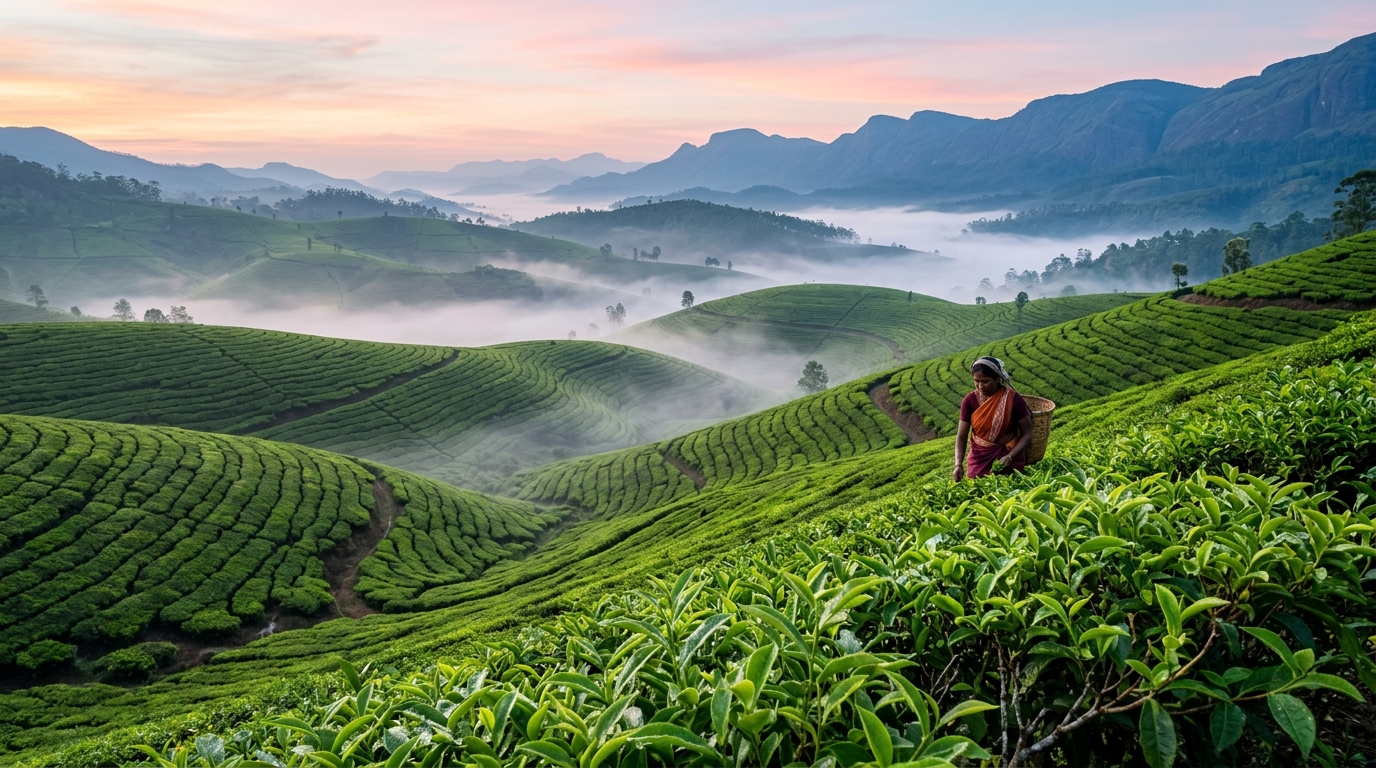
Leaving the hills of Karnataka behind, the south india travel plan moves south into Kerala, a state often referred to as "God’s Own Country." For an unforgettable experience, head to Alleppey (Alappuzha) to board a traditional Kettuvalam, a thatch-roofed houseboat made without a single nail. Drifting through the peaceful backwaters of Vembanad Lake offers an intimate look at local village life along the canals. After a day of cruising, travelers can transition to the hills of Munnar or Wayanad to enjoy lush tea gardens. This diverse region is best explored through curated Kerala travel packages that blend leisure with authentic local experiences.
Days 9-10: Coastal Heritage in Kochi
The final stop of this south india travel plan is the historical port city of Kochi (Cochin). For centuries, Kochi was a major global trade hub where Arab, Chinese, Portuguese, Dutch, and British merchants left their architectural and cultural marks. Visitors can stroll along the shoreline of Fort Kochi to see the iconic Chinese fishing nets, which are massive cantilevered structures operated by teams of local fishermen. A short walk inland leads to the quiet streets of Jew Town and the Paradesi Synagogue, which features hand-painted Chinese porcelain tiles from the mid-18th century.
Alternative Routes: Heritage Trails and Coastal Escapes
For those who prefer a different focus, your south india travel plan can be customized to highlight either grand temple architecture or relaxed coastal living.
The Temple Trail: Tamil Nadu Heritage Route
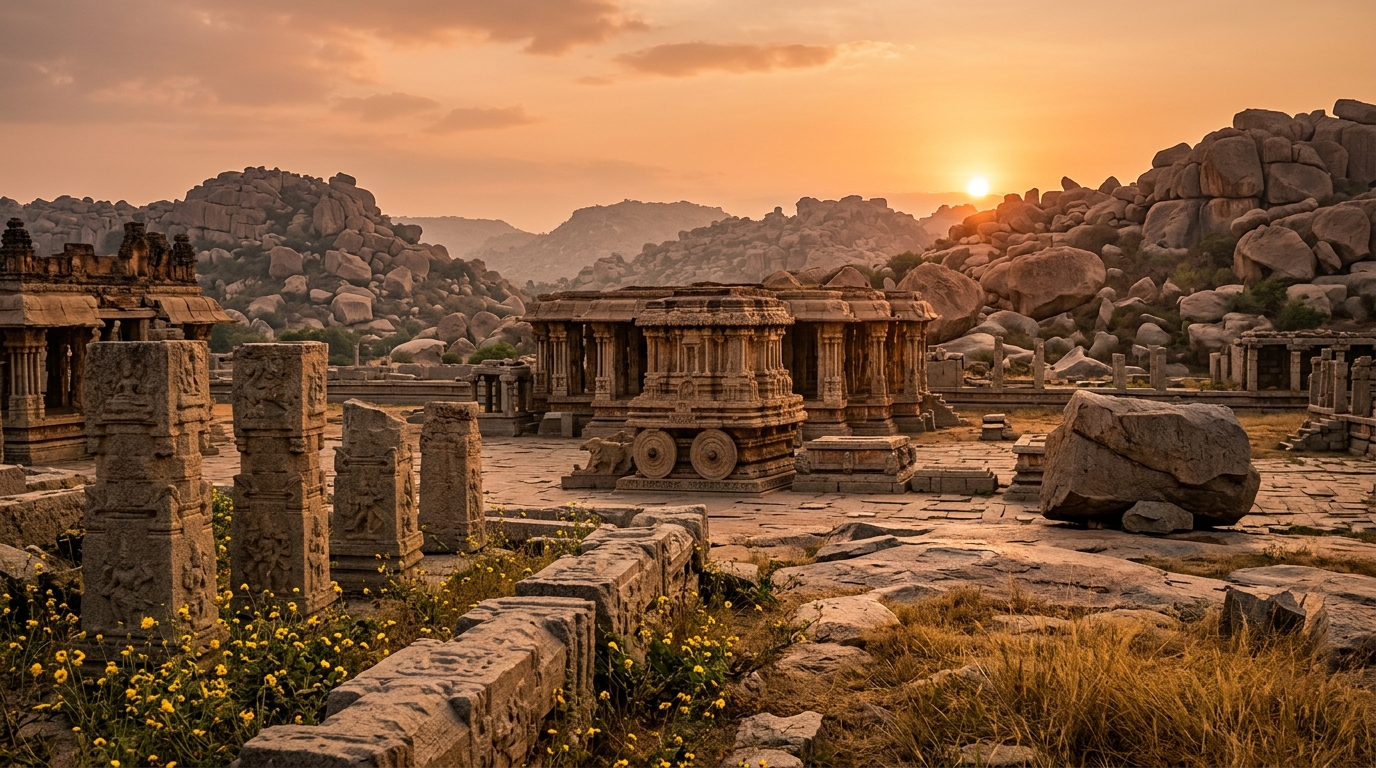
If your interest lies in ancient history and Dravidian art, a dedicated Tamil Nadu heritage trail is an excellent choice. This route starts in Chennai and moves south along the coast to Mahabalipuram, famous for its 7th-century rock-cut monuments. The journey continues inland to Thanjavur (Tanjore) to visit the Brihadeeswarar Temple, a UNESCO World Heritage site built entirely of granite without any binding mortar. Ending the loop in Madurai allows travelers to witness the evening rituals at the Meenakshi Amman Temple, a complex featuring towering gopurams (temple gateway towers) covered in thousands of colorful stucco figures. This route is deeply spiritual and provides a profound look at the artistic achievements of the Chola and Pandya dynasties.
The French Coast and Coastal Karnataka Route
Another compelling alternative for a south india travel plan is the coastal route. This itinerary can begin on the east coast in the former French colony of Pondicherry, where yellow colonial villas and chic cafes line the quiet streets of the French Quarter. Alternatively, travelers can explore the rugged West Coast of Karnataka, stopping at the temple town of Gokarna, known for its pristine beaches and relaxed atmosphere. Both options provide a more laid-back pace, allowing visitors to experience the coastal culture, beach activities, and unique seafood traditions of the south. This route is perfect for those who want to balance historical curiosity with beachside leisure.
Essential Tips for Planning Your South India Trip
A successful south india travel plan requires attention to logistical details that might not be obvious to first-time visitors. The southern states are vast, and rushing through them can lead to travel fatigue.
Transportation Options: Trains, Planes, and Cabs
Air travel in South India is highly efficient, with major airports in Bengaluru, Kochi, Chennai, and Coimbatore making it easy to cover long distances quickly. However, taking a train is arguably the best way to experience the local landscapes. Booking a seat in the air-conditioned chair car or sleeper classes on routes like the Nilgiri Mountain Railway or the coastal lines offers stunning scenic views. For shorter regional journeys, hiring a private air-conditioned cab with a local driver is highly recommended. It provides the flexibility to stop at roadside temples, spice farms, and small villages along the way.
Culinary Highlights: What and Where to Eat
The food of South India is far more diverse than just idlis and dosas. While those steamed rice cakes and crispy crepes are delicious breakfast staples, each state has its own distinct culinary identity. In Kerala, dishes feature coconut, curry leaves, and fresh seafood, such as Karimeen Pollichathu (pearl spot fish marinated in spices and baked in banana leaves). In Tamil Nadu, the Chettinad region offers some of the spiciest and most aromatic meat dishes in the country. To truly experience the culinary culture, enjoy a traditional meal served on a fresh banana leaf, where the arrangement of chutneys, pickles, rice, and sambar follows a specific sequence.
Cultural Etiquette and Temple Dress Codes
When executing your south india travel plan, understanding local customs is key to showing respect. Many active temples maintain strict dress codes, requiring visitors to cover their shoulders and knees. Both men and women should wear modest clothing, such as long trousers, maxi skirts, or traditional Indian wear like salwars. Leather items, including belts and bags, are often prohibited inside the inner sanctum of the temples. Always remove your shoes before entering any temple complex or local home.
To help you prepare, here is a quick reference table for temple rules and etiquettes that you should keep in mind during your trip:
| Aspect | What to Do | What to Avoid |
|---|---|---|
| Footwear | Leave shoes at the designated storage counter at the entrance. | Never wear socks or shoes inside the temple premises. |
| Clothing | Wear modest clothes that cover shoulders, chest, and knees. | Avoid shorts, sleeveless tops, and tight athletic wear. |
| Photography | Check for signage; photography is usually allowed in outer courtyards. | Do not take photos inside the inner sanctum or of the main deities. |
| Offerings | Purchase fresh flowers or coconuts from outside vendors if you wish to make an offering. | Do not touch the stone sculptures or historical carvings. |
Understanding these small details can significantly enrich your cultural interactions and ensure a seamless travel experience throughout your south india travel plan. Taking the time to respect local traditions will ensure a warm welcome wherever you go.
FAQs
How many days are enough for a comprehensive south india travel plan?
To fully appreciate the region without rushing, a 10 to 14-day south india travel plan is ideal. This timeframe allows you to combine two states, such as Karnataka and Kerala, or Tamil Nadu and Pondicherry, without spending too much time in transit. If you wish to cover all four major southern states, you will need at least three to four weeks. This extended duration will allow you to explore remote villages and national parks at a relaxed pace.
Which is the best state to start a South India tour?
Karnataka is arguably the best starting point for a south india travel plan due to its excellent transport connectivity. Bengaluru and Kochi serve as major international gateways with modern airports and well-connected rail networks, making it easy to transition from bustling city hubs to peaceful hill stations and coastal backwaters. Starting in Karnataka also allows you to experience the transition from city life to the quiet coffee estates of Coorg before heading further south.
Is it safe to travel solo in South India?
Yes, South India is widely considered one of the safest regions in India for solo travelers. The local communities are generally welcoming, and violent crime rates are low. However, travelers should still practice standard precautions, such as avoiding isolated areas late at night and using registered transportation services. Having a clear and detailed south india travel plan shared with family or friends back home is also a good safety practice.
What should I pack for a South India vacation?
Pack lightweight, breathable cotton clothing to stay comfortable in the warm, humid climate. You should also include a light sweater or fleece if your south india travel plan includes hill stations like Coorg or Munnar, where evenings can get quite cool. Modest clothing for temple visits and slip-on shoes that are easy to remove are also essential. Carrying a high-SPF sunscreen and an umbrella for sudden showers will also keep you prepared.