

Missed Connecting Flight Rules in India: Compensation, Rights & Rebooking Guide

Air travel disruptions remain a persistent challenge in civil aviation, often leaving passengers stranded in transit hubs due to delays or cancellations. When a primary flight arrives late, the window for catching a subsequent flight closes rapidly. This scenario highlights the critical importance of understanding the exact missed connecting flight rules india enforces. For travelers transitioning through busy Indian hubs, knowing what compensation, rebooking facilities, or complimentary services are legally required can prevent substantial financial losses. While many passengers assume airlines hold absolute power during disruptions, Indian regulatory frameworks establish clear, binding obligations for carriers. Familiarity with these directives ensures that passengers can confidently state their rights at the boarding gate. Therefore, having a clear understanding of the missed connecting flight rules india enforces can be the difference between a smooth resolution and a costly disaster.
Key Takeaways:
- Single PNR Protection: Airlines are legally liable for missed connections only if both flights are booked under a single PNR.
- DGCA CAR Section 3: Governs Indian air traveler rights, mandating free rebooking, food, and accommodation for airline-caused delays.
- Separate Booking Risks: Passengers booking multiple independent flight tickets assume all financial risk for missed transfers.
- Compensation Caps: Eligible domestic flyers can claim financial compensation of up to INR 10,000 for delays within the carrier’s control.
- AirSewa Portal: Provides an official, direct administrative route to escalate unresolved disputes with airlines operating in India.
Understanding Single-Ticket vs. Separate-Ticket Connecting Flights in India
The legal protections available to a passenger are almost entirely determined by how the flight ticket was booked. In the aviation industry, a connection is classified as a single-ticket contract or a combination of separate bookings. This distinction is the single most important factor when applying the missed connecting flight rules india has in place. If the booking is not unified, passengers have very little recourse under standard civil aviation guidelines.
The Legal Definition of a Single-Ticket Contract
A single-ticket contract (often referred to as an interline or codeshare booking) occurs when a passenger purchases an entire journey under a single Passenger Name Record (PNR). Under this arrangement:
- The airline assumes full responsibility for transporting the traveler from the origin point to the final destination.
- If the first leg of the journey is delayed, causing a missed connection, the carrier is legally obligated to manage the disruption.
- This makes the single-ticket booking the safest option when evaluating how the missed connecting flight rules india protects travelers.
- Without this unified protection, travelers must bear all recovery and rebooking costs, highlighting why buying separate flight legs requires caution.
The Risks of Booking Multi-Ticket Connections Independently
Conversely, independent bookings present a completely different legal scenario. When a traveler purchases two separate tickets on different airlines to save money, they are effectively creating two distinct contracts. Under the standard missed connecting flight rules india enforces, airlines are only responsible for fulfilling the specific flight on their ticket. If Airline A is delayed by three hours, causing the passenger to miss a flight on Airline B, Airline B has no legal obligation to rebook the passenger for free. The traveler is considered a no-show and must pay for a new ticket. The first airline is also not responsible for the subsequent missed flight. It is basically a risk that the traveler assumes entirely, which is why booking through unified channels is highly recommended.
| Feature Comparison | Single-Ticket Contract (Single PNR) | Separate-Ticket Bookings (Multiple PNRs) |
|---|---|---|
| Baggage Handling | Checked through automatically to final destination | Must collect and re-check at transit hubs |
| Missed Connection Liability | Airline is legally bound to rebook for free | Passenger absorbs all rebooking costs |
| Complimentary Care | Airlines provide meals, drinks, and hotel if applicable | No accommodation or meal assistance provided |
| Typical Recovery Cost | INR 0 (borne by carrier) | High (spot fare ticket pricing + accommodation) |
The Civil Aviation Requirements (CAR) Mandated by the DGCA
The primary regulatory body governing commercial aviation in India is the Directorate General of Civil Aviation (DGCA). To protect consumer rights during travel disruptions, the DGCA has issued specific guidelines under the Civil Aviation Requirements (CAR). Specifically, CAR Section 3, Series M, Part IV outlines the obligations of airlines regarding delays, cancellations, and missed connections under the missed connecting flight rules india establishes. These regulatory frameworks are updated periodically to adjust to evolving industry standards and protect the interests of millions of fliers annually.
DGCA Regulations on Airline Flight Delays and Cancellations
The DGCA regulations are designed to penalize systemic operational inefficiency while ensuring passengers are not left stranded without assistance. Under these rules, when a flight delay is expected to cause a passenger to miss a connected flight, the airline must take preemptive steps. But still, real-world travel is messy, and delays often occur on the tarmac or mid-flight. These delay protocols serve as the foundation of the missed connecting flight rules india applies to connecting flights.
Airlines Liable for Missing Connections Under CAR Section 3
According to the missed connecting flight rules india mandates through the DGCA, airlines are strictly liable if a delay on a single PNR results in a missed connection. The CAR rules stipulate that the operating carrier of the delayed flight must facilitate the passenger’s transition to the next available flight. If the delay extends overnight, the airline’s liability expands to include accommodation. Understanding the legal backing of CAR Section 3 is essential for holding carriers accountable. This framework ensures that carriers pay for their operational shortcomings rather than shifting the burden onto travelers.
Rebooking and Compensation Rights Under Missed Connecting Flight Rules in India
When a connection is missed due to an airline’s operational delay, the missed connecting flight rules india defines require the carrier to provide immediate assistance. This is not a gesture of goodwill; it is a regulatory requirement. The table below outlines how the missed connecting flight rules india has established apply to different transit scenarios.
Free Alternative Flights and Rerouting Protocol
The immediate priority for any stranded passenger is reaching their destination. The missed connecting flight rules india mandates require the airline to rebook the passenger on its next available flight at no additional cost. If the airline does not have another flight scheduled within a reasonable timeframe, they must explore rerouting options. This includes booking the passenger on a competing airline if a mutual agreement exists. The passenger should not pay any fare difference or baggage charges for the newly issued ticket.
Meals, Refreshments, and Complimentary Hotel Accommodation
While waiting for the alternative flight, passengers are entitled to standard care provisions. If the delay or wait time for the next connection is more than two hours, the airline must provide free meals and refreshments. If the rescheduled flight is on the following day, the airline must provide complimentary hotel accommodation. This service must also include free transport between the airport and the hotel. These rules apply regardless of whether the initial disruption was caused by technical glitches or crew scheduling issues. These welfare provisions are integrated directly into the missed connecting flight rules india enforces.
Financial Compensation and Liability Limits
Under specific conditions, financial compensation may also be applicable. If the missed connection is due to reasons within the airline’s control and causes a delay at the final destination of more than three hours, passengers can claim compensation. The financial limits depend on the length of the flight and the duration of the delay, up to a maximum cap of INR 10,000 for domestic connections. When claiming these funds, understanding the nuances of the missed connecting flight rules india governs will help you secure your rights. Additionally, standard industry reports indicate that fewer than 15% of eligible travelers actively claim their rightful compensation due to complex corporate processes (according to DGCA passenger data released in late 2025).
| Delay Duration / Scenario | Passenger Entitlement / Airline Obligation | Financial Compensation Limits |
|---|---|---|
| Delay of 2 to 4 hours | Free meals and refreshments at the transit terminal. | No direct monetary compensation if alternative flight is accepted. |
| Delay exceeding 4 hours (domestic) | Free meals, refreshments, and choice of rebooking or full refund. | Up to INR 10,000 depending on flight length and notification time. |
| Overnight delay / Rescheduled to next day | Complimentary hotel accommodation, meals, and airport transfers. | Additional carrier liabilities if rebooking options are not provided. |
| Disruption on multi-ticket booking (Separate PNRs) | No legal obligation for rebooking or meals from either carrier. | Not applicable; passenger bears all recovery costs. |
Step-by-Step Recovery Action Plan When You Miss Your Connection
Dealing with a missed connection can be an incredibly stressful experience, but reacting systematically is key to protecting your rights. By following the missed connecting flight rules india establishes, you can resolve the issue with minimal friction. Here is a step-by-step action plan to guide you through the process at the transit airport:
- Proceed Immediately to the Transfer Desk: Do not exit the terminal. Locate the airline’s transfer desk within the transit area. They have the system access required to modify your booking.
- Request Your New Boarding Pass: Ensure the agent rebooks you on the next available flight. Verify that your checked luggage will be transferred automatically.
- Request Vouchers: If the delay exceeds the thresholds outlined in the missed connecting flight rules india has established, ask for your complimentary meal or hotel vouchers before leaving the desk.
- Collect Written Confirmation: Ask the airline staff to provide a written statement of the delay details and cause. This document is essential evidence for any future insurance or compensation claims.
What to Do at the Transit Airport Terminal
While at the transit terminal, keep a close eye on your luggage. If your journey is booked under a single PNR, the airline is responsible for transferring your bags to the new flight. But still, it is wise to double-check this with the gate agent. For long-term peace of mind, having a valid travel insurance policy can cover unexpected costs that the airline might dispute. Asserting your rights under the missed connecting flight rules india maintains is easiest when you remain calm but firm. The missed connecting flight rules india provides do not cover incidental personal expenses, making a dedicated policy a vital safeguard.
How to File a Valid Compensation Claim with Indian Carriers
If you believe you are entitled to monetary compensation under the missed connecting flight rules india enforces, you must file a formal claim. Airlines rarely pay compensation proactively. Send a written complaint to the airline’s customer service department, citing the flight numbers, PNR, the specific duration of the delay, and the relevant section of the DGCA Civil Aviation Requirements. Attach copies of your boarding passes and the delay certificate you collected at the airport. This process ensures that your claim is processed systematically and can be referenced later.
Special Considerations: Domestic-to-International and International-to-Domestic Transit
Customs and Immigration Clearance Frictions in India
When transitioning from an international flight to a domestic one in India, passengers must undergo a mandatory clearance process. Even on a single PNR, national security laws dictate that you must:
- Clear immigration at the first point of landing in India.
- Retrieve your checked luggage from the international baggage carousel.
- Pass through customs inspection with all of your belongings.
- Re-check your bags at the domestic transfer desk for your continuing flight.
Under the missed connecting flight rules india enforces, the carrier is still responsible for rebooking you, but the physical delay caused by customs clearance remains a major friction point.
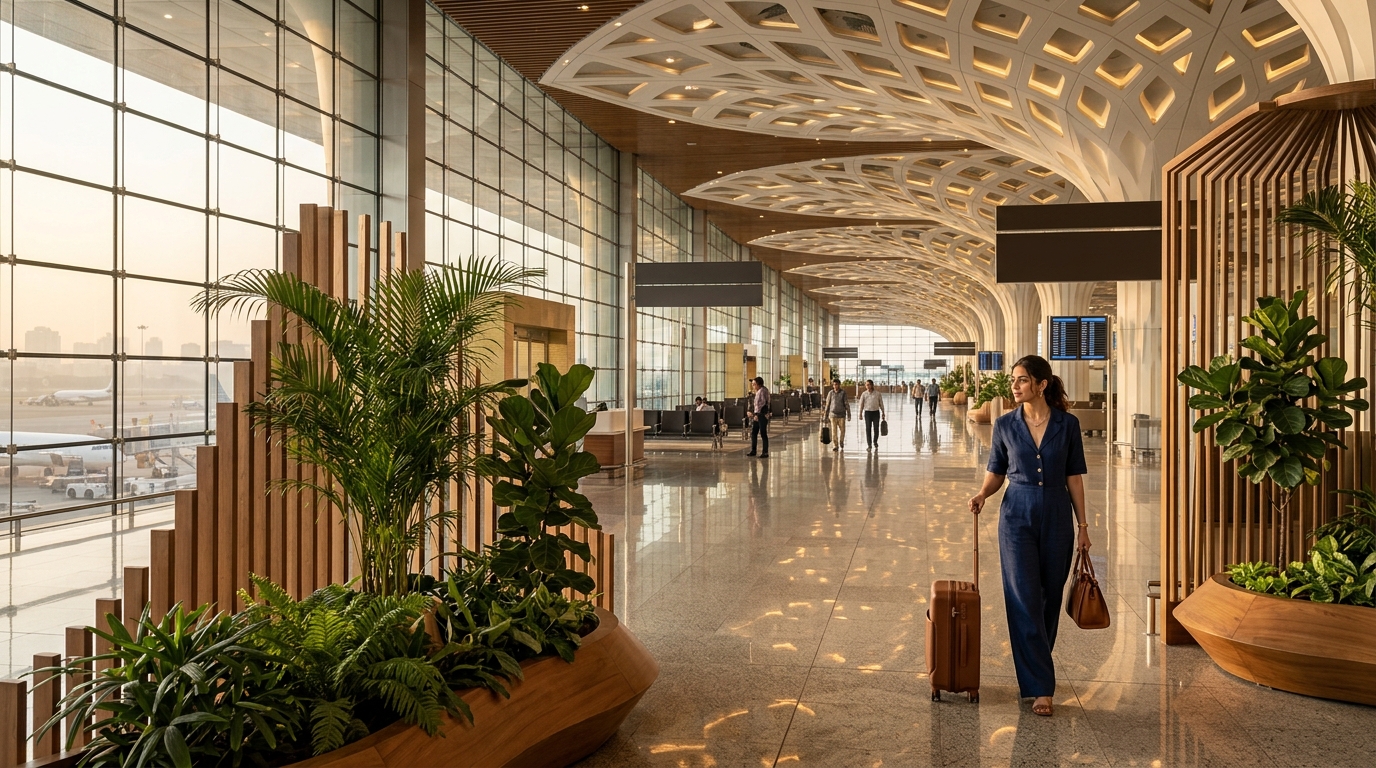
Minimum Connection Times (MCT) at Major Hubs Like DEL and BOM
To prevent passengers from booking impossible connections, airports establish a Minimum Connection Time (MCT). This is the minimum amount of time required to transfer between flights under normal conditions. Transferring between Terminal 3 and Terminal 1 at Delhi’s Indira Gandhi International Airport takes roughly 45 minutes, depending on the shuttle availability and traffic, but still a transfer time of under three hours for international-to-domestic transfers is highly risky (as reported by the Ministry of Civil Aviation in its 2026 guidelines). Similarly, at Mumbai’s Chhatrapati Shivaji Maharaj International Airport, transitioning between Terminal 1 and Terminal 2 requires a dedicated airport shuttle. Airlines are not allowed to sell tickets that violate the official MCT. If they do, and you miss your connection, they are fully liable under the missed connecting flight rules india mandates. If you book separate tickets, you should plan for a buffer of at least four hours.
Common Scenarios and Dispute Resolution Mechanisms
What Happens in Cases of Force Majeure or Weather Disruptions
Airlines frequently cite force majeure (extraordinary circumstances beyond their control) to avoid paying compensation. This includes severe weather events, air traffic control restrictions, political instability, or security threats. Under the missed connecting flight rules india enforces, if a connection is missed due to weather, the airline is not required to pay financial compensation. However, they are still obligated to provide basic duty of care, such as food, water, and assistance with rebooking. Critics of this policy argue that airlines abuse this clause to save costs. They are not entirely wrong, but regulatory oversight has tightened in recent years to verify these claims.
How to Use AirSewa and Consumer Courts for Dispute Settlement
If an airline refuses to cooperate or denies your valid claim under the missed connecting flight rules india provides, you have administrative and legal recourses. The Ministry of Civil Aviation operates AirSewa, a dedicated digital portal designed for passenger grievance redressal. You can submit a complaint online, uploading your ticket and correspondence with the airline. AirSewa coordinates directly with the airline’s nodal officers to resolve the dispute. If this administrative route fails, you can approach the Consumer Disputes Redressal Forum (Consumer Court) to seek compensation for harassment and financial loss.
Conclusion
Missing a connecting flight is an exhausting experience, but staying informed changes the dynamic entirely. The missed connecting flight rules india has established through the DGCA provide robust protections for passengers, provided they are traveling on a single-ticket contract. By understanding the distinction between single and multi-ticket bookings, maintaining an active awareness of civil aviation requirements, and following a methodical recovery plan, you can protect both your schedule and your finances. If you are planning a complex itinerary, always ensure your connection times are realistic and consider booking travel protection to mitigate unforeseen risks. Feel free to contact our travel experts for assistance in planning your next hassle-free journey.