

The Ultimate Chettinad Travel Guide: How to Explore Tamil Nadu’s Heritage Mansions and Culinary Capital

Planning a trip to Tamil Nadu often focuses on the famous temples or the bustling city life of Chennai. Yet, the region holds a distinct cultural treasure in the form of the Chettinad region. Using this Chettinad travel guide, visitors can move beyond the usual tourist path to discover a world defined by grand architecture and world-class culinary traditions. It is a place where history feels alive in every mansion corridor.
Key Takeaways for Your Chettinad Trip
- Architectural Wonders: Explore grand heritage mansions (Athis) featuring a unique blend of East-West design in villages like Kanadukathan and Athangudi.
- Culinary Heritage: Savor authentic, intensely aromatic Chettinad cuisine, famous for freshly ground spices and signature dishes like Kavuni Arisi.
- Handcrafted Treasures: Witness the traditional manufacturing of hand-painted Athangudi tiles and fine hand-woven cotton saris.
- Optimal Timing: Plan your visit between November and February to enjoy pleasant weather perfect for walking tours.
- Seamless Exploration: Base yourself in Karaikudi and hire a private vehicle to easily navigate the spread-out heritage villages.
Understanding the History of Chettinad
The Chettinad region, located in the Sivaganga district of Tamil Nadu, earned its reputation through the global success of the Nattukottai Chettiars. These merchant bankers traded extensively across Southeast Asia during the 19th and early 20th centuries. The wealth they accumulated abroad flowed directly back into their home villages. This capital supported the creation of monumental residential structures that remain unique to this area.
The scale of these homes is often difficult to comprehend until you stand inside one. Designed as grand displays of status, wealth, and community endurance, their philosophy seamlessly integrated local craftsmanship with imported luxury materials from across the globe:
- Burmese Teak: Used for massive structural pillars, heavy doors, and intricate ceiling carvings.
- Italian Marble & Spanish Tiles: Imported to pave the expansive central courtyards and hallways.
- Belgian Glass & Mirrors: Adorning the ceremonial reception halls to reflect light and grandeur.
- Local Egg-White Plaster: A traditional wall plastering technique that gives the interiors a smooth, ivory-like finish.
This exquisite blend of global and local styles created an architectural aesthetic that does not exist anywhere else in India.
Exploring Heritage Mansions
The mansions, known locally as Athis, serve as the primary attraction for architecture enthusiasts. Many of these structures remain under private ownership, though several have been restored and opened for public viewing or luxury heritage stays. Touring these properties reveals a complex layout built around inner courtyards meant to facilitate natural light and ventilation.
Visitors interested in viewing these architectural wonders should focus their efforts on a few key locations. Karaikudi stands as the unofficial capital, serving as the best base for exploration. Kanadukathan and Athangudi are neighboring villages that offer a denser concentration of well-preserved mansions. These villages allow for a slower pace of travel that suits the historical significance of the region.
- Karaikudi: The main hub for commerce and access to major heritage homes.
- Kanadukathan: Renowned for having the highest concentration of preserved, grand mansions.
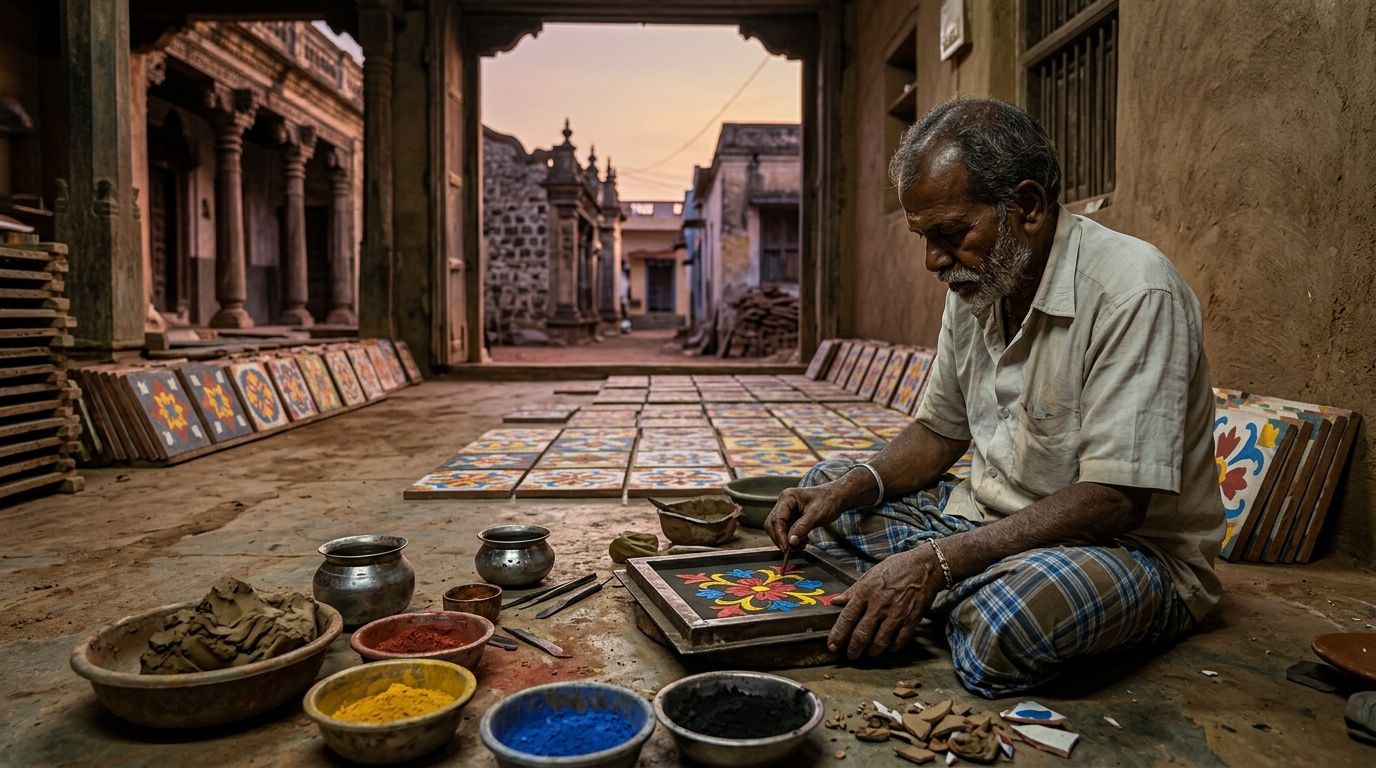
- Athangudi: Famous for its hand-made terracotta tile industry alongside its architectural landmarks.
| Destination | Key Highlights | Vibe & Atmosphere | Must-Visit Attraction |
|---|---|---|---|
| Karaikudi | Commercial hub, antique shopping, accessibility | Bustling town with heritage pockets | The Koviloor Temple, Antique Market |
| Kanadukathan | Best-preserved grand mansions, quiet streets | Serene, highly historic, pedestrian-friendly | Chettinad Palace (exterior), Chidambara Vilas |
| Athangudi | Handmade tile factories, palace-like homes | Artisanal, rustic, and highly interactive | Athangudi Palace, Tile Manufacturing Workshops |
The Culinary Capital of Tamil Nadu
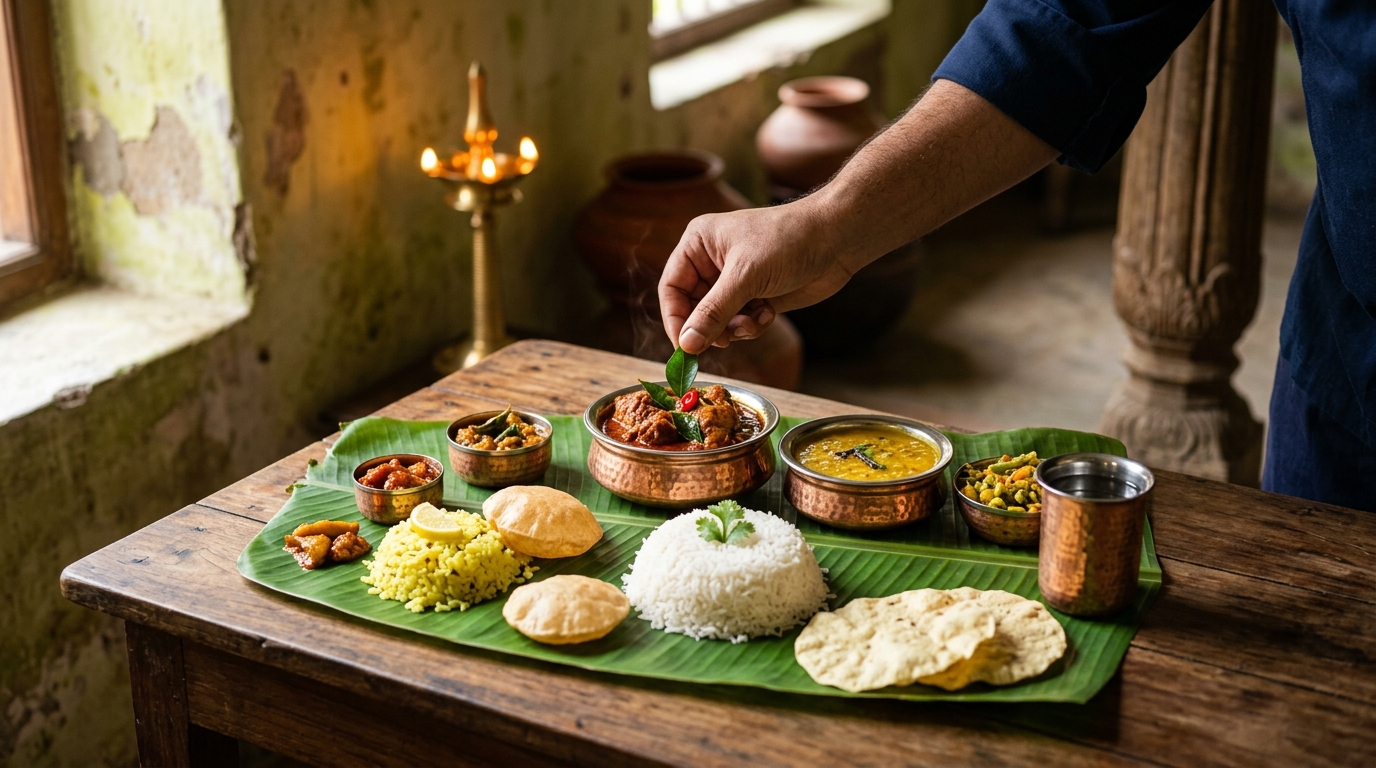
Chettinad cuisine holds a legendary status across India, and for good reason. It is defined by its use of freshly ground spices and complex preparation techniques. Unlike other regional styles that might rely on simpler profiles, Chettinad cooking prides itself on deep, layered flavours. It is not just about heat; it is about the aromatic balance created by ingredients like star anise, stone flower, and fennel seeds.
The traditional dining experience is structured to showcase this depth. Most meals include a wide variety of vegetarian and non-vegetarian preparations. The meat-based dishes, particularly those involving chicken or mutton, are famous, but the vegetarian spreads are equally complex. Visiting during a festive period or booking a culinary workshop provides direct access to these ancestral recipes.
| Dish Category | Notable Characteristic |
|---|---|
| Chettinad Masala | A complex blend of roasted spices ground into a fresh paste. |
| Vegetarian Curries | Utilizes local legumes and fresh vegetables with coconut milk bases. |
| Non-Vegetarian Specialties | Features deeply marinated meats cooked in traditional clay pots. |
| Kavuni Arisi | A traditional black rice pudding served as a dessert. |
Planning Your Chettinad Itinerary
A successful trip requires a bit of logistical planning, as the region remains quiet and spread out. Most travellers choose to spend at least three days in the area to fully absorb the pace of village life. Accessing the region is easiest through Trichy or Madurai, both of which host international airports with good connections to major Indian cities.
To ensure a smooth journey, consider these practical transportation and routing recommendations:
- Hire a Private Vehicle: This is the most efficient way to move between spread-out villages, giving you maximum flexibility.
- Avoid Relying on Public Buses: While public transit exists, schedules can be irregular and do not directly serve the remote heritage properties.
- Spontaneous Stops: Having a dedicated driver allows you to stop freely at local workshops, such as the famous Athangudi tile factories, or explore hidden architectural gems on a whim.
“The beauty of Chettinad lies in the details. You do not just look at these mansions; you experience the craft that sustained a global merchant empire.”
Best Time to Visit
Weather plays a significant role in how much you can enjoy the region. The summer months from March to June can be intense, with temperatures often reaching high levels that make outdoor walking uncomfortable. The monsoon season brings heavy rain, which is beautiful but can disrupt travel plans across the rural roads.
The ideal period for travel is between November and February. During these months, the temperature remains pleasant for walking tours of the villages and exploring the interior courtyards of the mansions. This window also aligns with the main harvest festivals in Tamil Nadu, offering a deeper look into the cultural life of the local community.
Local Crafts and Souvenirs
The region is not merely a museum of the past. It maintains active craft traditions that reflect its history. The Athangudi tiles mentioned previously are perhaps the most famous takeaway. These tiles are made from local sand and cement, then hand-painted with intricate designs before being polished. They are heavy, so consider shipping options if you plan to purchase more than a few.
Beyond tiles, look for hand-woven textiles. The region has a history of fine weaving, and you can still find quality cotton saris and linens in the local markets of Karaikudi. Purchasing directly from the weavers ensures that your money supports the local economy and helps keep these traditional methods of production viable for the next generation.
Where to Stay
To truly understand the region, staying in a restored mansion is recommended. This provides a perspective that a standard hotel cannot replicate. You are essentially living within a piece of history, complete with the original wood carvings, granite pillars, and central courtyards.
Options range from boutique heritage hotels to family-run guesthouses. Regardless of the price point, these stays typically offer home-cooked meals featuring authentic recipes passed down through families. This immersion is a key component of the Chettinad travel guide philosophy, as it bridges the gap between tourist and observer.
Conclusion
Chettinad offers a rare look into a corner of India where wealth and tradition formed a lasting legacy. It is a destination for those who value architecture, culinary history, and a slower pace of travel. By focusing your visit on the villages of Karaikudi, Kanadukathan, and Athangudi, you ensure a balanced and comprehensive experience. Whether you are walking through a century-old mansion or tasting authentic spice blends, the region leaves a lasting impression of a world that values craft above all else.