
If you want to learn how to plan a trip to south india, the first rule is to stop treating the southern peninsula as a single, homogenous destination. Spanning five distinct states and two union territories, South India covers massive geographic and cultural diversity—from the misty tea plantations of Munnar and Western Ghats coffee estates to grand Chola temples and tranquil backwaters. Trying to see everything in a single 7-day trip leads to spent hours on highways rather than enjoying your vacation.
A realistic, well-planned itinerary focuses on targeted regional circuits. Whether you are traveling with family, planning a romantic couple’s escape, or coordinating a multi-generational trip with senior citizens, this guide covers the exact logistics, entry permits, transport options, budget breakdowns, and daily itineraries you need to execute a seamless trip.
Crucial Realities to Know Before You Plan
Planning a trip across Southern India involves specific local rules, regional regulations, and cultural nuances that generic online travel guides frequently miss. Keep these five operational rules in mind before booking your hotels and transport:
- Mandatory Tamil Nadu Hill Station E-Pass: The Tamil Nadu government mandates an official E-Pass for all private and commercial vehicles entering the Nilgiris district (Ooty) and Dindigul district (Kodaikanal). You must register your vehicle, dates, and passenger details in advance at
epass.tnega.org. Registration is free, but checkposts strictly enforce compliance at the base of the hills. - Interstate Commercial Cab Taxes: If you hire a private yellow-plate cab to travel across state lines (for instance, driving from Bengaluru in Karnataka into Tamil Nadu or Kerala), you must pay state entry permit taxes at border checkposts. These range from ₹400 to ₹3,500 depending on the vehicle size and destination state. Always clarify with your cab operator whether these border taxes and Fastag tolls are included in your quote.
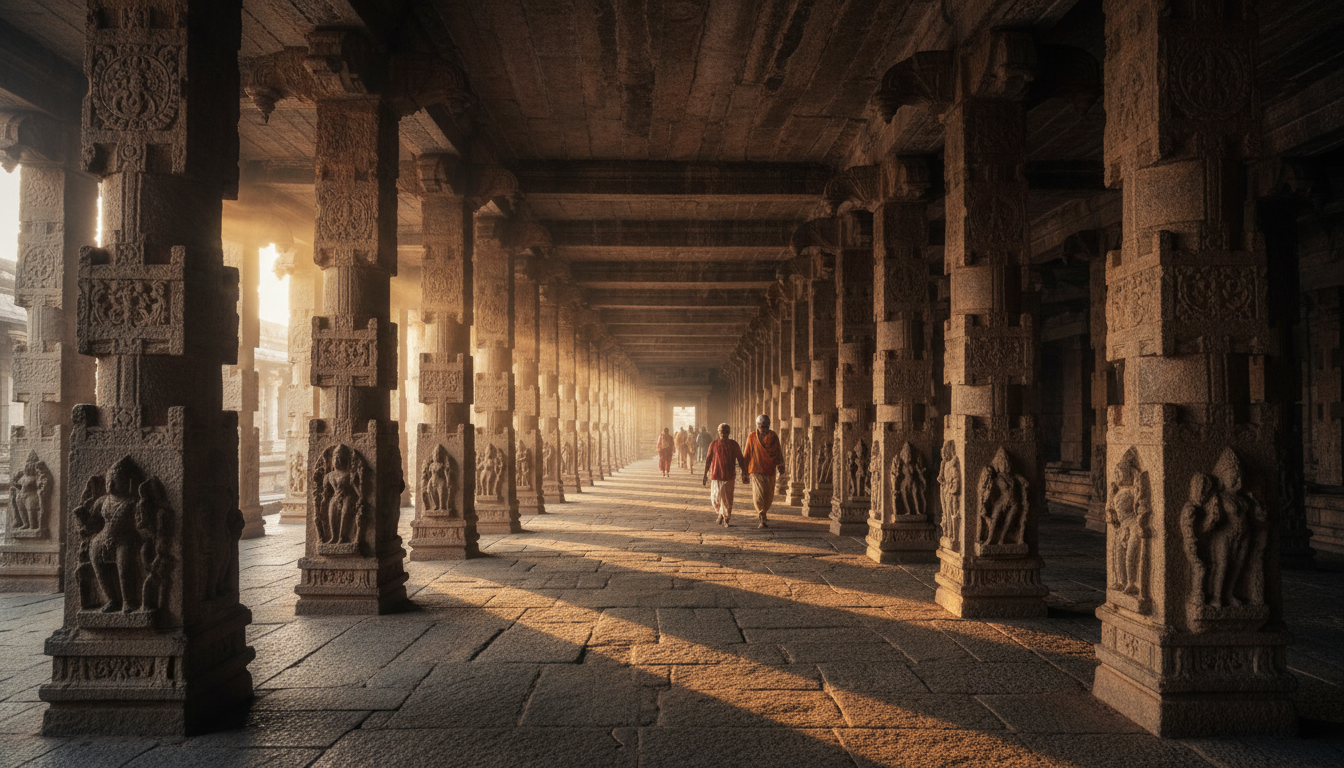
- Midday Temple Closures: Almost all prominent heritage and functioning temples in Tamil Nadu, Kerala, and Coastal Karnataka close their main inner sanctums (Garbhagriha) between 12:00 PM and 4:00 PM. Schedule your temple visits for early morning (6:00 AM – 10:30 AM) or late afternoon/evening (4:30 PM – 8:30 PM).
- Strict Temple Dress Codes: Kerala temples like Padmanabhaswamy and Guruvayur require men to wear a traditional mundu (dhoti) around the waist and remain bare-chested inside the inner compound; women must wear sarees or traditional salwar kameez (jeans are prohibited). In Tamil Nadu and Coastal Karnataka, tight leggings, shorts, and sleeveless tops are banned, and men must remove upper garments before entering inner sanctums in Coastal Karnataka.
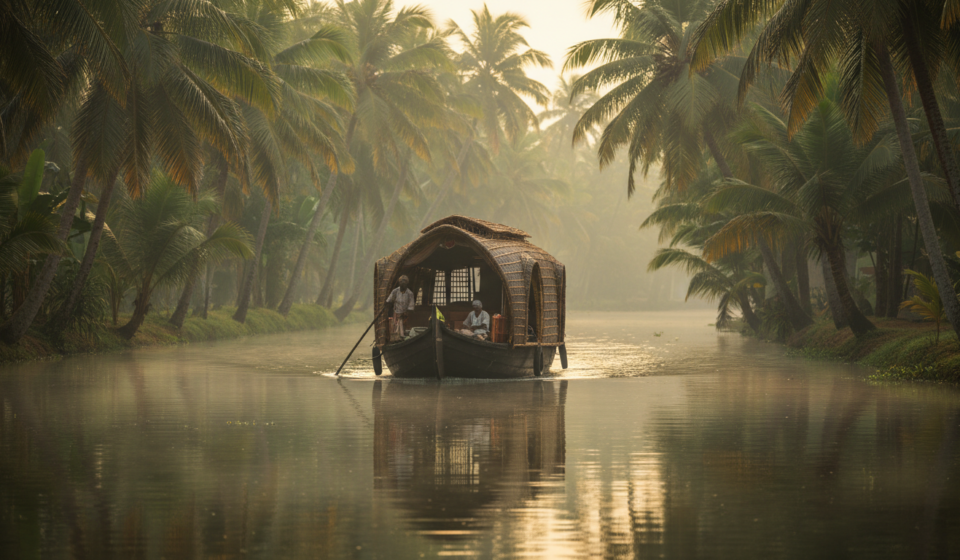
- Houseboat Air Conditioning Rules: On standard “Deluxe” overnight houseboats in Alleppey or Kumarakom, air conditioning operates only from 9:00 PM to 6:00 AM. If you expect 24-hour daytime cooling during hot afternoon backwater cruises, you must specifically book a Premium or Luxury category houseboat.
Best Time to Visit South India
Weather in South India is governed by the tropical coastline and the Western Ghats mountain range. Selecting the right months depends heavily on your choice of region:
| Season | Months | Ideal Destinations | Key Considerations |
|---|---|---|---|
| Peak Winter | Oct – Feb | All regions (Kerala, TN Temples, Hampi, Coastal KA) | Pleasant weather (20°C–30°C). Peak tourist season; hotel tariffs rise 30–50% during Diwali, Christmas, and Pongal/Sankranti. |
| Monsoon | Jun – Sep | Coorg, Wayanad, Chikmagalur, Kerala Backwaters | Lush greenery, lower room rates, ideal for Ayurvedic retreats. Heavy rains can trigger occasional landslips in steep Ghat sections. |
| Summer | Mar – May | Ooty, Kodaikanal, Munnar, Coorg, Yercaud | Escape plain heat (35°C–42°C in lowlands). Hill stations experience heavy traffic and strict E-Pass checks at checkposts. |
Budget Breakdown: How to Plan a Trip to South India on Any Spend Level
Understanding realistic expenses helps prevent budget surprises on the road. Here is a breakdown of estimated daily costs for different travel styles, along with standard prices across South India.
Daily Cost Estimates per Person (Excluding Intercity Flights/Trains)
- Budget Traveler: ₹1,500 – ₹2,500 per day. Staying in budget guesthouses/homestays, taking 3AC/Sleeper trains or local buses, and eating at local tiffin centers or mess outlets (₹300 – ₹500/day for food). Learn more about managing funds using general budget travel strategies across India.
- Mid-Range Traveler: ₹3,500 – ₹6,000 per day. Staying in 3-star or 4-star hotels and boutique homestays (₹3,000 – ₹5,500/night), using private AC sedans for sightseeing, taking Vande Bharat trains, and dining at regional specialty restaurants.
- Luxury Traveler: ₹8,000 – ₹15,000+ per day. Staying in 5-star heritage resorts, luxury private houseboats, using private chauffeur-driven Innova Crystas, and enjoying fine-dining culinary tours.
Itemised Expense Reference Sheet
To help you budget accurately, here are itemised estimates for accommodation, transport, and food across key destinations:
Accommodation Rates:
- Budget Guesthouse / Homestay: ₹1,200 – ₹2,200 per room/night.
- Mid-Range 3-Star / Heritage Hotel: ₹3,200 – ₹6,000 per room/night.
- Luxury Resort / 5-Star Property: ₹8,500 – ₹20,000+ per room/night.
- Alleppey Houseboat (1-Bedroom Overnight, including 3 meals):
- Deluxe (AC 9 PM–6 AM): ₹10,000 – ₹12,500/night.
- Premium (Full-time AC): ₹14,000 – ₹16,000/night.
- Luxury (Boutique/Glassed-in, Full AC): ₹22,000 – ₹35,000/night.
Intercity & Local Transport Pricing:
- Outstation Cab Hire (Sedan – Dzire/Etios): ₹3,000 – ₹4,000 per day (includes 250–300 km daily limit + driver allowance of ₹400–₹500/day).
- Outstation Cab Hire (SUV – Innova Crysta): ₹4,800 – ₹6,500 per day.
- Interstate Permit Taxes for Commercial Yellow-Plate Cabs (Border Checkposts):
- Karnataka to Tamil Nadu: ~₹800 (Sedan) / ₹1,500 (SUV) for a 7-day state permit.
- Karnataka to Kerala: ~₹1,500 (Sedan) / ₹3,500 (SUV).
- Tamil Nadu to Kerala: ~₹600 (Sedan) / ₹2,150 (SUV).
- Tamil Nadu to Puducherry: ~₹400 (Sedan) / ₹750 (SUV).
Vande Bharat Express Fares (Key Corridors):
- Chennai – Mysuru (via Bengaluru): ~₹1,200 – ₹1,400 (Chair Car), ~₹2,300 – ₹2,500 (Executive Class).
- Bengaluru – Ernakulam (Kochi): ~₹1,400 – ₹1,600 (Chair Car).
- Thiruvananthapuram – Kasaragod: ~₹1,500 – ₹2,800.
- Chennai – Nagercoil / Kanyakumari: ~₹1,600 – ₹3,000.
Top Regional Itineraries: How to Plan a Trip to South India by Circuit
Rather than rushing through four states in a few days, select one of these high-value, geographically efficient itineraries based on your interests.
Itinerary 1: The Classic Kerala Circuit (7 Days / 6 Nights)
Ideal For: Couples, families, and first-time travelers to South India.
Route: Kochi ➔ Munnar ➔ Thekkady ➔ Alleppey ➔ Kovalam / Kochi
- Day 1: Arrival in Kochi. Land at Cochin International Airport (COK). Spend the afternoon exploring Fort Kochi, the Chinese Fishing Nets, St. Francis Church, and Mattancherry Palace. Attend an evening Kathakali dance performance.
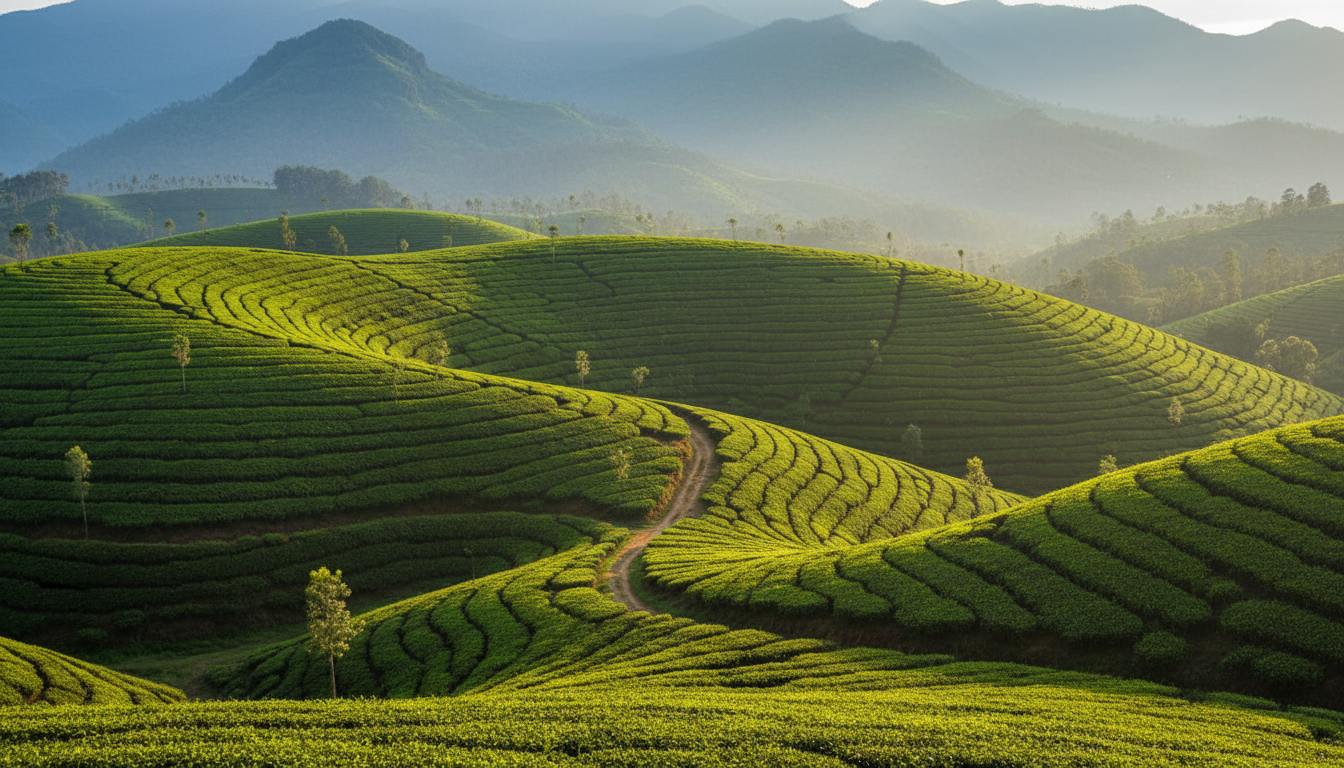
- Day 2: Kochi to Munnar (130 km / 4 hrs). Drive up through lush mountain roads, stopping at Cheeyappara and Valara Waterfalls en route. Check in to a mountain resort surrounded by tea gardens.
- Day 3: Munnar Exploration. Visit Eravikulam National Park early in the morning to spot the endangered Nilgiri Tahr. Continue to Mattupetty Dam, Echo Point, and the Tea Museum.
- Day 4: Munnar to Thekkady/Periyar (85 km / 3 hrs). Drive south through cardamon plantations. Take a guided spice plantation tour in the afternoon and a boat safari on Periyar Lake for wildlife viewing.
- Day 5: Thekkady to Alleppey Backwaters (140 km / 3.5 hrs). Reach the boat jetty by 12:00 PM to board your private houseboat. Cruise through Vembanad Lake and narrow palm-fringed canals. Enjoy a traditional Kerala meal served on a banana leaf on board.
- Day 6: Alleppey to Marari or Kovalam. Disembark at 9:00 AM after breakfast. Head to Marari Beach for a quiet seaside afternoon, or drive south toward Kovalam Beach near Trivandrum.
- Day 7: Departure. Depart from Trivandrum International Airport (TRV) or Cochin International Airport (COK).
Itinerary 2: Tamil Nadu Heritage & Coastal Temple Trail (8 Days / 7 Nights)
Ideal For: Families, senior citizens, and culture seekers.
Route: Chennai ➔ Mahabalipuram / Puducherry ➔ Thanjavur ➔ Madurai ➔ Rameshwaram / Kanyakumari
- Day 1: Arrive in Chennai. Visit Kapaleeshwarar Temple in Mylapore and take an evening stroll along Marina Beach.
- Day 2: Chennai to Puducherry via Mahabalipuram (160 km / 3.5 hrs). Drive along the scenic East Coast Road (ECR). Explore the UNESCO-listed Shore Temple, Pancha Rathas, and Krishna’s Butterball in Mahabalipuram before reaching Puducherry.
- Day 3: Puducherry French Quarter. Heritage walk through the French Quarter (White Town), visit Auroville and Matrimandir viewpoint, and relax along the Promenade Beach.
- Day 4: Puducherry to Thanjavur (170 km / 4 hrs). En route, visit Chidambaram Nataraja Temple. Arrive in Thanjavur to admire the Great Living Chola architecture of Brihadeeswarar Temple at sunset.
- Day 5: Thanjavur to Madurai (190 km / 3.5 hrs). Drive to the ancient temple city of Madurai. Visit Thirumalai Nayakkar Palace during the day and witness the evening procession ceremony at Meenakshi Amman Temple.
- Day 6: Madurai to Rameshwaram (170 km / 3.5 hrs). Cross the Pamban Bridge. Visit Ramanathaswamy Temple (and take part in the 22 holy water baths) and take a cab to Dhanushkodi at the southern tip.
- Day 7: Rameshwaram to Kanyakumari (300 km / 5.5 hrs). Drive down to India’s southernmost point. Take the ferry to Vivekananda Rock Memorial and Thiruvalluvar Statue, then watch the sunset over the tri-sea confluence.
- Day 8: Departure. Fly out from Trivandrum Airport (TRV, 90 km from Kanyakumari) or Madurai Airport (IXM).
Itinerary 3: Deccan Heritage, Coffee Hills & Culture – Karnataka (7 Days / 6 Nights)
Ideal For: Nature lovers, history buffs, and road-trippers.
Route: Bengaluru ➔ Mysuru ➔ Coorg ➔ Chikmagalur ➔ Bengaluru
- Day 1: Bengaluru to Mysuru (145 km / 2.5 hrs). Travel via the Mysuru Expressway or take the morning Vande Bharat train. Visit the grand Mysore Palace and Chamundi Hill.
- Day 2: Mysuru to Coorg/Madikeri (120 km / 3 hrs). Stop en route at Bylakuppe to visit the Namdroling Monastery (Golden Temple). Check into a plantation homestay in Coorg.
- Day 3: Coorg Sightseeing. Visit Abbey Falls, Raja’s Seat, Dubare Elephant Camp, and take a guided coffee plantation walk.
- Day 4: Coorg to Chikmagalur (135 km / 3.5 hrs). Drive north, visiting the UNESCO World Heritage Hoysala temples at Belur and Halebidu en route.
- Day 5: Chikmagalur Peak Explorations. Take a jeep trip or drive up to Mullayanagiri (Karnataka’s highest peak), Baba Budangiri, and Hebbe Falls.
- Day 6: Return to Bengaluru (240 km / 4.5 hrs). Drive back to Bengaluru for shopping or dining in Indiranagar.
- Day 7: Departure. Fly out from Kempegowda International Airport (BLR).
Itinerary 4: The Grand Multi-State South India Tour (12 to 14 Days)
If you have two full weeks and want a multi-state trip, link the key highlights of Karnataka, Kerala, and Tamil Nadu using a combination of fast trains and regional drivers:
Route: Bengaluru ➔ Mysuru (Train) ➔ Wayanad (Drive) ➔ Munnar (Drive) ➔ Alleppey Houseboat (Drive) ➔ Madurai (Drive/Train) ➔ Puducherry (Drive) ➔ Chennai (Vande Bharat Express). Ensure you review these essential train travel tips for India to secure multi-leg train reservations early.
Logistics, Transport & Operational Nuances
Key Gateway Airports
To keep transit times short, choose your arrival and departure airports strategically based on your chosen circuit:
- Bengaluru (BLR): Best entry point for Mysuru, Coorg, Chikmagalur, and Hampi.
- Chennai (MAA): Ideal entry hub for Puducherry, Mahabalipuram, and Northern Tamil Nadu temples.
- Kochi (COK): Gateway for Munnar, Alleppey, Kumarakom, and Thekkady.
- Trivandrum (TRV): Convenient hub for Varkala, Kovalam, and Kanyakumari.
- Coimbatore (CJB): Convenient access point for Ooty, Coonoor, Isha Yoga Center, and Palani.
- Madurai (IXM): Quickest gateway to Southern Tamil Nadu temples and Rameshwaram.
Navigating Trains & Vande Bharat Corridors
Southern Railway and South Western Railway operate some of the most efficient train routes in the country. The semi-high-speed Vande Bharat Express network provides clean, rapid intercity transport on key corridors:
- Chennai ➔ Mysuru (via Bengaluru): Covers the route in under 6.5 hours.
- Bengaluru ➔ Ernakulam (Kochi): Reaches Central Kerala in ~8.5 hours.
- Thiruvananthapuram ➔ Kasaragod: Runs along the entire coast of Kerala in under 8.5 hours.
- Chennai ➔ Nagercoil/Kanyakumari: Reaches Southern Tamil Nadu in ~7.5 hours.
Train bookings open 60 days in advance on IRCTC. For major holiday periods (Diwali, Christmas, Pongal), book on the exact day tickets open, as trains sell out rapidly.
Local Culture & Dining Guidelines
Food is an essential part of traveling through South India. Each state offers unique culinary styles, with distinct vegetarian and non-vegetarian traditions.
Navigating Vegetarian vs. Non-Vegetarian Food
Pure-vegetarian travelers will find plenty of reliable dining options across all four states. Look for eateries marked “Pure Veg”, “Bhavan” (e.g., Saravana Bhavan, Adyar Ananda Bhavan / A2B, Sangeetha), or “Udupi Hotel”. These venues serve clean, quick, vegetarian tiffin meals, thalis, and filter coffee.
For non-vegetarians, South India offers exceptional regional dishes worth trying:
- Kerala: Karimeen Pollichathu (pearl spot fish baked in banana leaf), Malabar Mutton Biryani, Appam with duck or beef stew, Puttu with Kadala curry.
- Tamil Nadu: Chettinad Pepper Chicken, Madurai Jigarthanda (a sweet cooling drink), Kanchipuram Idli, and authentic filter coffee (Kapi).
- Karnataka: Mangalorean Ghee Roast (chicken or prawn), Neer Dosa with seafood curry, Mysore Masala Dosa, Bisi Bele Bath, and Coorg Pandi Curry.
- Andhra Pradesh / Telangana: Spicy Andhra meals with Gongura pickle, Podi rice with ghee, and Hyderabadi Dum Biryani.
Common Planning Mistakes to Avoid
- Attempting Too Many States in One Week: Driving through mountain roads in the Western Ghats takes longer than expected due to hairpin curves and narrow tracks. Average driving speeds in hill sections drop to 30–40 km/h. Keep a 7-day trip confined to a single state or two adjacent regions.
- Forgetting the Ooty and Kodaikanal E-Pass: Arriving at Mettupalayam or Kallar checkposts without registering on
epass.tnega.orgleads to denied entry or long registration delays at police posts. - Visiting Temples at Midday: Showing up at Meenakshi Temple or Brihadeeswarar Temple at 1:30 PM means finding closed doors and standing on sun-heated stone walkways. Always schedule temple visits for early morning or evening.
- Misunderstanding Houseboat AC Operational Hours: Assuming a Deluxe houseboat provides daytime AC leads to uncomfortable afternoons on the water. If you want continuous air conditioning throughout the day, pay the extra charge for a Premium or Luxury category houseboat.
- Underestimating Festival Surcharges and Pilgrim Traffic: Traveling during Onam (Kerala – Aug/Sep), Mysore Dasara (Oct), or Pongal (Jan) requires booking stays and cabs 3–4 months in advance. Additionally, during the Sabarimala pilgrimage season (mid-November to mid-January), major highway corridors and train routes across Kerala and Tamil Nadu experience heavy traffic and crowded stations.
Frequently Asked Questions
How many days are ideal for a South India trip?
For a focused regional trip (such as Kerala Backwaters or Tamil Nadu Temples), 6 to 8 days is sufficient. To experience a multi-state route spanning Karnataka, Kerala, and Tamil Nadu, plan a trip of 12 to 15 days.
Which state is best for a first-time South India traveler?
Kerala is widely considered the most accessible state for first-timers, offering relaxed backwater cruises, cool hill stations, and nature resorts. Tamil Nadu is best for history lovers and temple architecture, while Karnataka offers a balance of heritage sights (Hampi, Mysuru) and coffee country (Coorg, Chikmagalur).
Is an E-Pass mandatory for all South Indian hill stations?
No. Mandatory E-Pass registration applies specifically to vehicles entering Ooty (Nilgiris District) and Kodaikanal (Dindigul District) in Tamil Nadu via epass.tnega.org. Hill stations in Karnataka (Coorg, Chikmagalur) and Kerala (Munnar, Wayanad) do not require tourist entry passes.
Is it better to book a Kerala houseboat in Alleppey or Kumarakom?
Choose Alleppey (Alappuzha) if you want to see narrow canals, bustling village life, and traditional backwater sights. Choose Kumarakom if you prefer luxury lake resorts, open water views on Vembanad Lake, and a quieter atmosphere.
Can vegetarian and non-vegetarian travelers travel together easily?
Yes. Pure-vegetarian travelers can eat comfortably at designated “Pure Veg” restaurants in every town. In non-vegetarian places, kitchen areas maintain clear separation, but dining at dedicated vegetarian chains ensures complete peace of mind.