
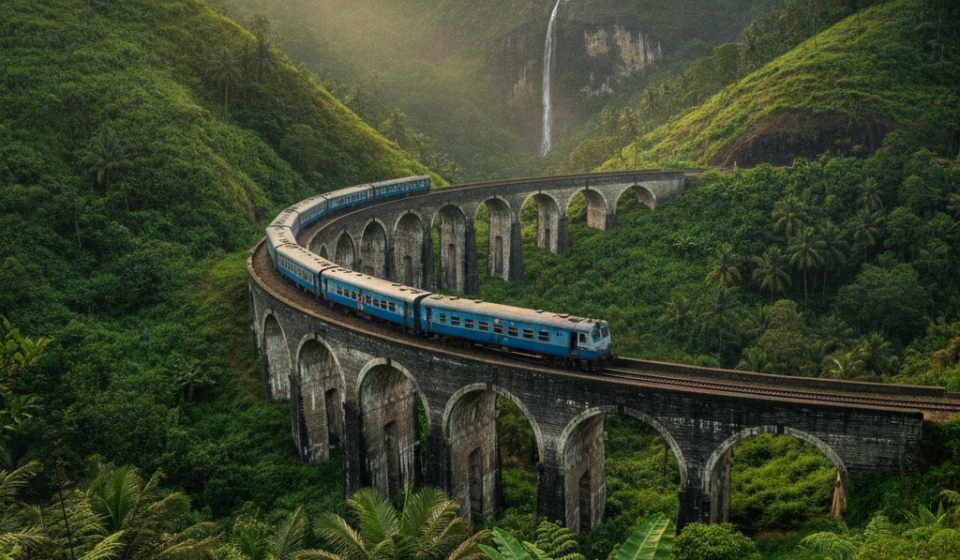

India by rail is less of a transport option and more of a national epic. It is an intricate, mechanical pulse that holds a nation of over a billion people together. When planning an adventure across this sub-continent, gathering practical train travel in india tips becomes essential for a smooth journey. The sheer size of the railway system can overwhelm first-time visitors who are used to simple transit networks. Indeed, mastering the rails requires some preparation, which is why compiling these train travel in india tips is vital. Choosing the right class, booking at the right moment, and understanding station codes are not merely administrative tasks. They represent the difference between an exhausting ordeal and a fascinating cross-country voyage. Whether watching the sunset over the desert of Rajasthan or seeing the green paddies of Kerala fly by, rail travel remains the definitive Indian experience. It is basically the best way to immerse oneself in the culture of this vast country.
Key Takeaways
- Plan and Book Early: Secure your train tickets up to 120 days in advance to get confirmed seats on popular routes.
- Choose the Right Class: Opt for AC classes (1AC, 2AC, or 3AC) for overnight journeys to ensure comfort and safety.
- Understand Station Codes: Always note the 3- or 4-letter terminal codes (e.g., NDLS, CSTM) to avoid boarding at the wrong station.
- Leverage Special Quotas: Utilize the Foreign Tourist Quota or Tatkal scheme if general tickets are sold out.
- Stay Secure and Prepared: Keep your luggage locked with chains and use offline tracking apps like ‘Where is my Train’.
Understanding the Indian Railways Network
While studying train travel in india tips, one must first comprehend the sheer scale of this infrastructure. The network spans over 68,000 kilometres of route length, according to official data published by the Indian Ministry of Railways in 2024. It operates thousands of passenger trains daily, linking metropolitan hubs to remote rural outposts. For a smart traveller, this system is an affordable, efficient, and deeply rewarding way to see the country. But still, the operational complexity requires some study before booking. Understanding how the network is structured prevents common errors, such as booking trains that arrive at inconvenient hours or choosing slow passenger trains over express options. This knowledge forms the bedrock of basic preparation.
Deciphering the Vast Web of Indian Rail
Experienced travellers often share train travel in india tips that focus on understanding terminal codes and tracking metrics to prevent major navigation errors. Keeping these key elements written down simplifies your journey:
- Terminal Codes: Every railway station in India has a unique three- or four-letter code (e.g., NDLS represents New Delhi, while CSTM stands for Chhatrapati Shivaji Maharaj Terminus in Mumbai). It is common for a single city to have multiple major stations, sometimes hours apart, making these codes vital to prevent getting stranded in the wrong part of a metropolis.
- The PNR Number: The PNR (Passenger Name Record) is a unique ten-digit number assigned to every booking. This code acts as the master tracker for your itinerary, allowing you to check reservation status, seat numbers, and platform assignments online.
Major Train Types in India
When compiling train travel in india tips, experts always recommend prioritizing premium trains. The category of train you choose determines your speed, punctuality, and comfort. Premium trains receive priority on the tracks, meaning they experience fewer delays. The railway carries more than 22 million passengers daily, as reported by the Railway Board last year, which represents a substantial chunk of global transit. To manage this volume, trains are categorized into distinct service tiers:
- Vande Bharat Express: These are modern, semi-high-speed day trains. They are fully air-conditioned and offer superior chair car comfort. They connect major cities within an eight-hour travel window, making them ideal for short business or tourist trips.
- Rajdhani Express: These are elite, fully air-conditioned sleeper trains. They link the national capital, New Delhi, with various state capitals. Rajdhani trains are fast, highly punctual, and include all meals in the ticket price.
- Shatabdi Express: These are fast day-trains featuring only sitting accommodation. They are excellent for distances that can be covered in four to six hours.
- Duronto Express: These are long-distance, point-to-point trains with minimal stops. They offer a fast transit option for cross-country journeys.
- Standard Mail and Express Trains: These are the standard long-distance trains. They stop more frequently and are slower than premium options, but they cover almost every corner of the country.

Choosing the Right Travel Class
Selecting where to sit is a key aspect of any guide on train travel in india tips. Indian trains have a complex system of classes. The options range from luxury, private air-conditioned cabins to crowded unreserved compartments. Choosing the right class depends on your budget, travel duration, and comfort requirements. If you are traveling overnight, selecting an air-conditioned sleeper class is highly recommended to ensure a restful night.
“Indian Railways is a living microcosm of the nation itself, where every carriage tells a different story of heritage, culture, and connection.”
Executive and First Class Options
Among the premium train travel in india tips, booking First Class AC offers the highest privacy. First Class AC (1AC) features lockable two-berth or four-berth compartments. It is clean, quiet, and provides bedding, including sheets, pillows, and blankets. On day trains like the Shatabdi or Vande Bharat, the equivalent premium class is the Executive Chair Car (EC). This option offers spacious seating in a 2×2 configuration, complimentary meals, and a quiet environment. It is the preferred choice for travellers seeking comfort.
Mid-Tier Comfort: Second and Third AC
For mid-range budgets, common train travel in india tips emphasize 2AC and 3AC classes. Two-Tier AC (2AC) features open-plan compartments with four berths (two upper and two lower) in each bay, plus two side berths along the corridor. Privacy curtains are provided for each bay, which is a major benefit for families or solo travellers. Three-Tier AC (3AC) is similar in layout but contains six berths per bay (two lower, two middle, and two upper), along with two side berths. No privacy curtains are provided in 3AC, and the compartments are more crowded. A newer variant, 3AC Economy (3E), offers a slightly cheaper alternative with slightly narrower berths, though comfort levels remain comparable.
Budget Travel: Sleeper Class and Unreserved
Many budget-oriented train travel in india tips caution against Sleeper Class during peak summer. Sleeper Class (SL) is non-air-conditioned and features the same layout as 3AC. The windows remain open, allowing natural ventilation. While it is highly affordable and offers a lively, culturally rich environment, it can become dusty, noisy, and extremely hot during summer. Unreserved general compartments (UR or GS) do not require a reserved seat. They are often incredibly crowded, with passengers standing or sitting in corridors. This option is not recommended for long journeys or first-time international visitors. Critics say Sleeper Class is too chaotic and uncomfortable for long trips. They are not entirely wrong. But still, it remains the ultimate window into real daily Indian life, provided you travel in cooler months.
| Travel Class | Code | Air Conditioned? | Best Suited For |
|---|---|---|---|
| First AC | 1AC | Yes | Premium travellers seeking privacy |
| Executive Chair | EC | Yes | Business travellers on short day routes |
| Two-Tier AC | 2AC | Yes | Families wanting a balance of cost and privacy |
| Three-Tier AC | 3AC / 3E | Yes | Budget-conscious travellers desiring comfort |
| Sleeper Class | SL | No | Adventure travellers looking for cultural immersion |
| Unreserved | UR / GS | No | Extremely short, budget-focused daytime hops |
Handling the Booking System and IRCTC
Mastering the online portal is a critical step in compiling actionable train travel in india tips. The official booking portal is operated by the Indian Railway Catering and Tourism Corporation (IRCTC). To book tickets, travellers must create an IRCTC account. For international visitors, this process requires a small registration fee to verify international mobile numbers. The booking system is highly structured, and understanding its rules is essential for securing a seat.
Securing Confirmed Tickets Early
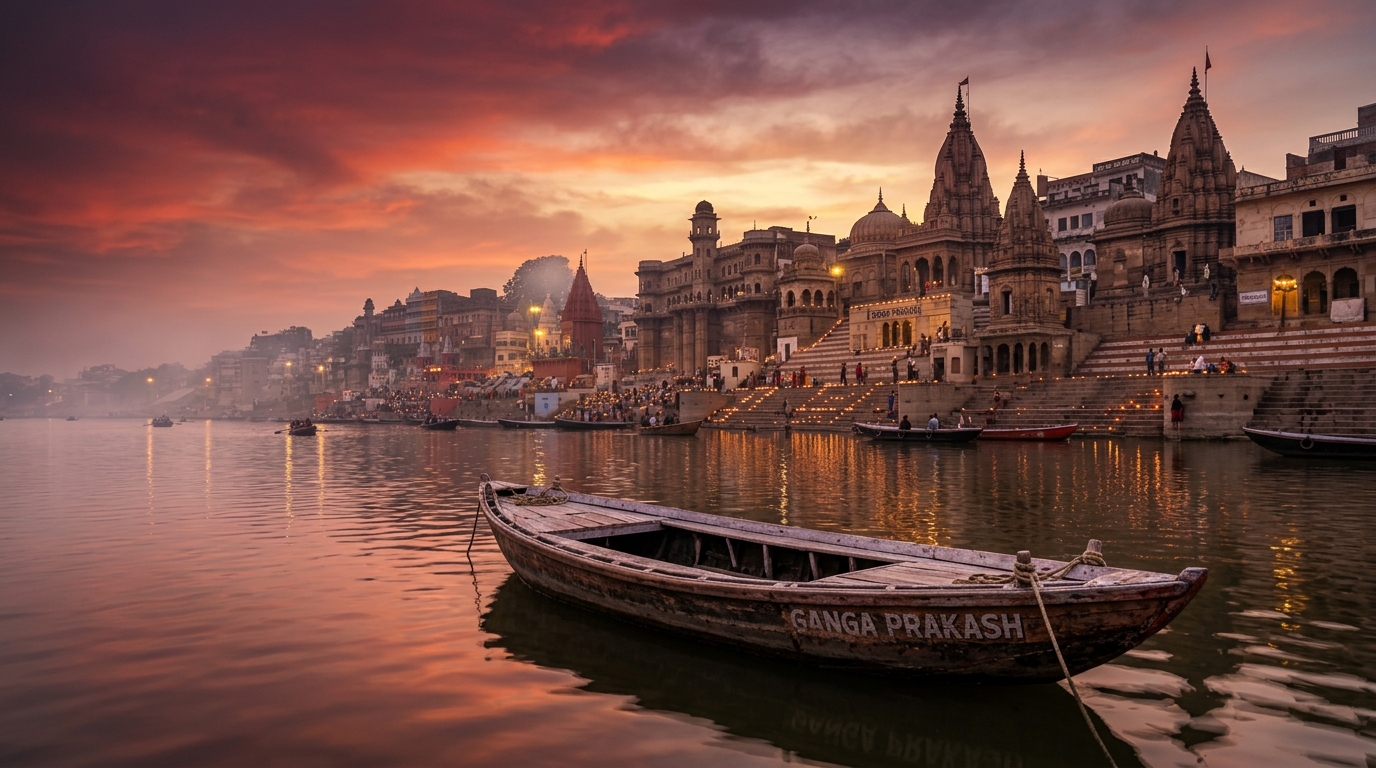
One of the most valuable train travel in india tips is to book tickets as soon as the reservation window opens. This booking window opens exactly 120 days before departure, as specified in the official IRCTC booking guidelines. Tickets for popular routes sell out within minutes of release. This is why booking early is always at the top of train travel in india tips. For example, travellers visiting Rajasthan can book the Ajmer Shatabdi. Booking a structured trip, such as the TravelDham Jaipur Tour, handles these logistics easily. Similarly, those bound for Varanasi can book the Kashi Vishwanath Express. Choosing a TravelDham Varanasi Tour ensures that regional transfers are managed by professionals. Setting a reminder for the 120-day mark is essential to avoid disappointment. If ticket booking feels complex, choosing a curated package from TravelDham Domestic Packages is an excellent alternative.
Understanding Waitlist and RAC Statuses
Deciphering ticket codes is another area where reliable train travel in india tips are indispensable. Statuses include CNF (Confirmed), RAC (Reservation Against Cancellation), and WL (Waitlist). RAC status means you can board the train but will share a side-lower berth with another passenger. It guarantees travel but not a private sleeping space. A Waitlist status means you do not have a confirmed seat. You are placed in a queue, and your ticket only upgrades if confirmed passengers cancel. Knowing waitlist types, such as General Waitlist (GNWL) or Pooled Quota Waitlist (PQWL), helps travellers decide whether to keep a ticket or seek alternatives.
Foreign Tourist Quota and Tatkal Rules
For international visitors, key train travel in india tips include utilizing the Foreign Tourist Quota. The Foreign Tourist (FT) quota is a dedicated allotment of seats on major trains reserved specifically for international passport holders. These tickets can be booked online through the IRCTC portal or at major international booking offices at major stations. This quota is a lifesaver when general tickets are sold out. If you must book at the last minute, the Tatkal scheme is another option. Tatkal tickets open for booking at 10:00 AM daily for AC classes and 11:00 AM for non-AC classes, for trains departing the next day. These tickets carry a surcharge and sell out within seconds, requiring a fast internet connection and quick fingers.
To help you choose the best booking pathway, here is a comparison of the primary reservation channels:
| Booking Pathway | Best For | When to Book | Key Advantage |
|---|---|---|---|
| General Quota | All travellers | Up to 120 days before departure | Standard pricing and maximum seat availability |
| Foreign Tourist (FT) Quota | International passport holders | Before or during travel | Dedicated seats held back for international visitors |
| Tatkal Scheme | Last-minute emergency bookings | 10:00 AM (AC) / 11:00 AM (Non-AC) one day before departure | Allows booking despite high general waitlists |
Essential Train Travel in India Tips
Implementing practical train travel in india tips can make the difference between an exhausting trip and an unforgettable adventure. Beyond booking and classes, day-to-day survival on Indian trains requires practical knowledge. From managing your luggage to securing clean food, these strategies ensure a safe and comfortable journey.
Packing Strategies and Personal Safety
Regarding safety and comfort, standard train travel in india tips emphasize being highly prepared and cautious. Implementing these basic strategies can keep you and your belongings secure:
- Secure Your Luggage: Keep your bags locked to your seat frame. Major railway stations have vendors selling simple metal chains and padlocks. It is highly recommended to purchase these and secure your suitcases under the lower berth, especially during overnight journeys.
- Protect Your Valuables: Your passport, wallet, phone, and laptop should remain in a small daypack that you keep next to you or use as a pillow at all times.
- Bring Personal Toiletries: Carry your own travel toiletries, including hand sanitizer, wet wipes, and toilet paper, as these are rarely provided on board.
- Dress for Comfort: Wearing loose, comfortable clothing is highly recommended to manage the variable temperatures inside the cabins throughout the trip.
Food on Board: Managing Onboard Meals
Culinary safety is a major highlight of seasonal train travel in india tips. To maintain your health while enjoying the journey, consider these essential dining options:
- Pantry Car Meals: Many long-distance trains feature a pantry car that serves freshly cooked meals, including dal, rice, roti, and vegetable curries. While this food is generally safe, some travellers prefer to avoid it to prevent stomach upset.
- IRCTC E-Catering: This modern service allows you to order fresh food from popular local restaurants using an app, which is then delivered directly to your berth at designated stations.
- Platform Vendors: When buying food from platform vendors, always choose hot, freshly prepared items. Avoid cut fruits, salads, and water that is not in a sealed bottle. Always buy official bottled water like Rail Neer, which is bottled under strict quality standards.
Station Layout and Using Apps
Digital efficiency is at the heart of modern train travel in india tips. Major Indian railway stations can be massive, featuring ten or more platforms. Navigating these stations requires patience. Look for electronic overhead boards showing train numbers and platform assignments. You can also ask the station master or information desk for assistance. Several mobile applications can make your journey considerably easier:
- Where is my Train: This app is highly useful because it tracks your train’s location using cell tower GPS, meaning it works even when you do not have an active internet connection.
- IRCTC Rail Connect: The official app for managing bookings, checking PNR status, and cancelling tickets.
- NTES: The National Train Inquiry System app, which provides official scheduling updates and delay notices.
Having these train travel in india tips in mind will help you find the right platform quickly. Staying informed about platform changes prevents last-minute dashes across pedestrian overpasses.
Frequently Asked Questions
To consolidate our train travel in india tips, here are quick answers to common queries.
How early should I book my train tickets in India?
When reviewing train travel in india tips, booking timelines are always the top concern. You should book your tickets as early as possible, ideally 60 to 120 days in advance. Popular routes and premium classes sell out very quickly. If you miss this window, look into the Foreign Tourist Quota or Tatkal options.
Is train travel in India safe for solo female travellers?
For safety-focused visitors, specific train travel in india tips exist to protect solo travelers. Yes, train travel is generally safe for solo female travellers, especially in AC classes (1AC, 2AC, and 3AC). Booking an upper berth is recommended as it provides more privacy during the day. It is also wise to stay vigilant, avoid late-night arrivals at isolated stations, and keep your phone charged.
What is the difference between RAC and Waitlisted tickets?
Understanding waitlists remains a core part of all train travel in india tips. An RAC (Reservation Against Cancellation) ticket guarantees that you can board the train, but you will share a seat with another passenger. A Waitlisted (WL) ticket does not guarantee travel; you cannot board reserved coaches unless your ticket status upgrades to RAC or Confirmed before departure.