
Learning how to plan a trip to north india requires balancing distinct geographical regions that operate on completely different seasonal calendars, transport systems, and local transit rules. Whether you are navigating the historic forts of Rajasthan, heading into the high-altitude valleys of Kashmir and Ladakh, or exploring the spiritual hubs along the Ganges, successful planning comes down to realistic logistics rather than packed daily itineraries. This practical guide breaks down exact transit policies, seasonal weather realities, actual travel budgets, and plug-and-play itineraries so you can plan a seamless North Indian journey.
Understanding North India’s Climate Matrix: When Should You Visit?
North India is not a single, uniform climate zone. Treating it as one is the single most common mistake travelers make. The peak tourist season for the plains of Rajasthan and Uttar Pradesh directly conflicts with the ideal travel window for high-altitude deserts like Ladakh and Spiti. Meanwhile, the monsoons present severe hazards in the Himalayan foothill belts.
| Region / Zone | Peak Season | Shoulder Season | Monsoon (Avoid) | Key Winter Considerations |
|---|---|---|---|---|
| North Indian Plains (Delhi, Agra, Varanasi, Amritsar, Jaipur) | Oct – Mar Pleasant, sunny days (10°C to 25°C). Ideal for sightseeing. | Apr & Sep | May – Jun Extreme heatwaves (42°C to 48°C). Avoid outdoor noon travel. | Mid-Dec – Jan: Dense radiation fog causes severe flight cancellations and long train delays. |
| Himalayan Hill Stations (Manali, Shimla, Dharamshala, Mussoorie) | Apr – Jun & Dec – Feb Summer relief (15°C–28°C) and winter snow chasers. | Oct – Nov | Jul – Sep High risk of landslides, road blockages, and cloudbursts. | Sub-zero night temperatures; snow clearance can block high passes like Solang and Jalori. |
| Trans-Himalaya (Leh-Ladakh & Spiti Valley) | May – Sep All mountain passes open; mild daytime weather (15°C–25°C). | May & Oct | Jul – Aug Cold desert sees little rain, but approach roads via Himachal suffer landslides. | Nov – Apr: Extreme cold (-20°C); overland access highways via Manali/Srinagar closed by snow. |
When selecting your travel dates, always match your destination to its specific weather window. If you are planning a multi-regional holiday—such as combining Delhi and Rajasthan with a hill station like Shimla or Manali—the autumn months of October and November or early spring in March offer the best balance across both plains and mountains.
How to Plan a Trip to North India: Transportation Rules & Local Logistics
Transport logistics in North India require exact timing and an understanding of regional transport laws. Relying on outdated travel advice regarding train bookings or expecting a single hired vehicle to drive you everywhere will lead to unexpected delays and added costs.
1. Indian Railways (IRCTC) Booking Window & Rules
If you rely on train travel across North India, note that the Indian Railways Advance Reservation Period (ARP) is set to 60 days (reduced from the former 120-day rule). To secure high-demand trains like the Vande Bharat Express, Shatabdi, or Rajdhani, you must understand how opening-day reservations work:
- Aadhaar-Priority Window (8:00 AM Opening): When the 60-day reservation window opens at 8:00 AM IST, IRCTC restricts ticket bookings between 8:00 AM and 12:00 PM exclusively to Aadhaar-authenticated IRCTC accounts. If your account is not linked with Aadhaar, you will be locked out until noon, by which time confirmed seats on popular routes are usually sold out.
- Tatkal Booking Windows: Tatkal quotas open exactly one day prior to train departure from its origin station—at 10:00 AM for AC classes (1A, 2A, 3A, CC, EC) and 11:00 AM for Non-AC/Sleeper classes. Tatkal bookings require an Aadhaar-verified profile and OTP authentication. Review key train travel tips for India before booking to ensure your account is setup properly.
- High-Speed Vande Bharat Corridors: Day-travel between major North Indian hubs has been streamlined by Vande Bharat Express routes. Key operational routes include:
- New Delhi – Varanasi: ~8 hours travel time.
- New Delhi – Shri Mata Vaishno Devi Katra: ~8 hours travel time.
- Old Delhi – Amritsar: ~5 hours 30 minutes travel time.
- Anand Vihar (Delhi) – Dehradun: ~4 hours 45 minutes travel time.
- Ajmer – Jaipur – Delhi Cantt – Chandigarh: Direct connection linking Rajasthan to NCR and the gateway to Himachal.
Note: While Vande Bharat Chair Cars operate actively across these routes, Vande Bharat Sleeper trains for long-distance overnight routes out of Delhi remain under progressive phase testing.
2. Local Taxi Union Restrictions & Vehicle Swaps
A common mistake is hiring a commercial cab in Delhi, Chandigarh, or Srinagar and expecting it to conduct all local sightseeing throughout the trip. Local taxi unions enforce strict territorial regulations across several northern tourist belts.
Kashmir (Pahalgam, Gulmarg, Sonamarg): Outstation cabs or private cabs hired in Srinagar can drop you off at your hotel in Pahalgam, Gulmarg, or Sonamarg. However, they are strictly barred from conducting internal local sightseeing. In Pahalgam, you must hire a local Pahalgam Taxi Union vehicle at the main taxi stand for trips to Aru Valley, Betaab Valley, and Chandanwari (fixed union rates range between ₹2,300 and ₹2,700 per circuit). In winter, outside cabs stop at Tangmarg, requiring a transfer to union 4×4 vehicles fitted with snow chains to reach Gulmarg.
Leh & Ladakh: Commercial taxis, outstation tourist vehicles, and commercial self-drive rental cars (such as black-plate rentals) registered outside Ladakh are banned from taking tourists for sightseeing in Nubra Valley, Pangong Tso, Hanle, or Khardung La. Outside cabs may only enter Leh town to drop off passengers. To tour Ladakh internally, you must rent a local Leh-registered union taxi or hire bikes locally in Leh town. Private, white-plate personal cars registered in your own name, or that of your spouse or parent, are exempt provided you hold valid Inner Line Permits (ILP).
3. Rohtang Pass Permits vs. Atal Tunnel
If your itinerary includes Manali and Lahaul-Spiti, keep the following permit rules in mind:
- Crossing Rohtang Pass: Driving over the Rohtang Pass summit requires an official permit booked online via
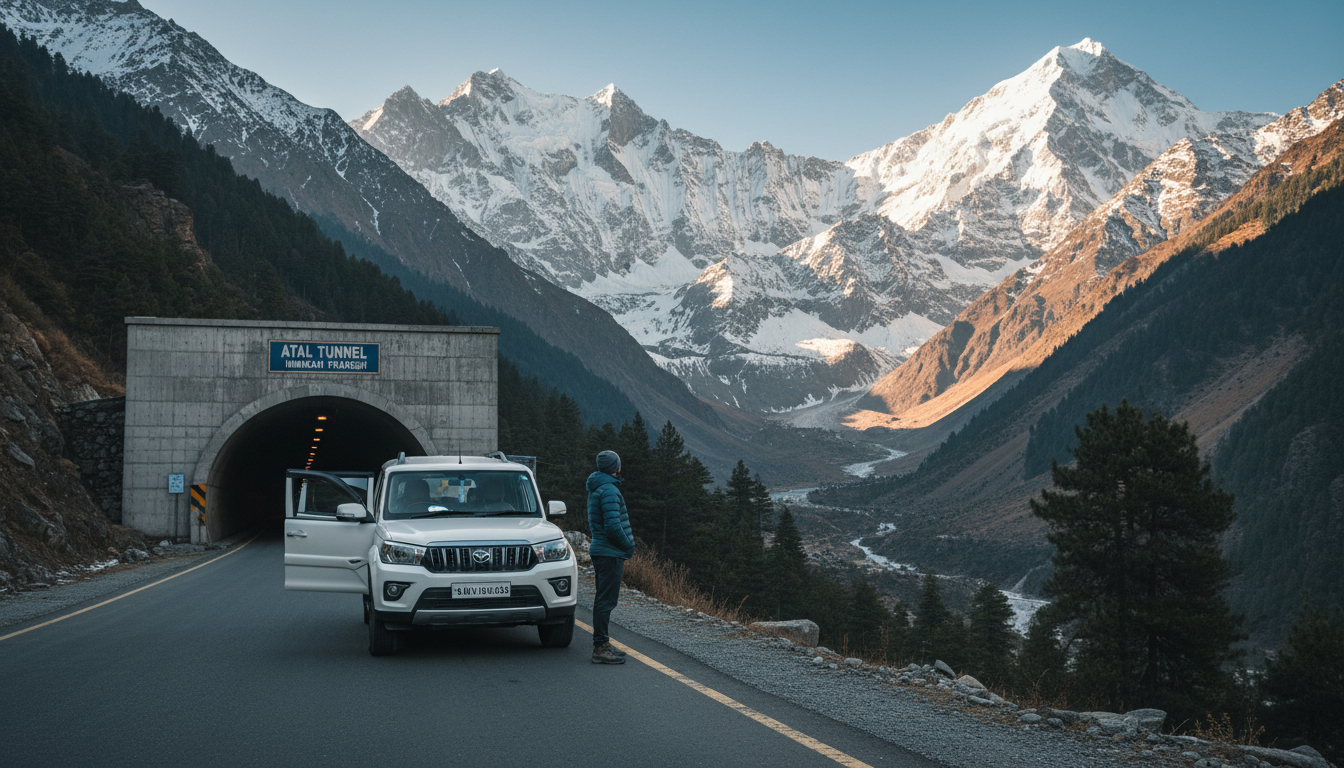
rohtangpermits.hp.gov.in. The mandatory fee is ₹550 per vehicle (₹500 congestion fee + ₹50 green tax). Permits are released daily in two online batches at 10:00 AM and 4:00 PM (up to 2–6 days in advance) for a strict daily quota of 800 petrol and 400 diesel commercial/tourist vehicles. The pass is closed every Tuesday for maintenance. - The Atal Tunnel Exemption: If you are traveling from Manali to Lahaul (Sissu, Jispa), Leh, or Spiti Valley via the Atal Tunnel, you DO NOT need a Rohtang Pass permit. Permits are only required if you physically drive up to the Rohtang Pass summit itself.
Real Travel Costs: Budgeting for Your Trip
Travel costs in North India vary based on region, transport choice, and travel style. Mid-range travel offers exceptional value, combining comfortable boutique properties with private transfers. If you are comparing overall expenses with other regions, review our comprehensive guide to North East India to understand how logistical costs differ between regions.
| Travel Tier | Estimated Daily Cost | Accommodation Style | Food & Dining | Transport & Transfers |
|---|---|---|---|---|
| Budget Tier (Solo / Backpackers) | ₹2,000 – ₹3,500 per person / day | Hostels, budget homestays, basic guesthouses (₹800 – ₹1,800/night). | Roadside dhabas, local thalis, street food markets (₹400 – ₹700/day). | IRCTC 3AC/Sleeper trains, public state buses (HRTC, UPSRTC), shared taxis. |
| Mid-Range Tier (Families & Couples) | ₹5,000 – ₹9,000 per person / day (₹8,000–₹12,000/couple) | 3-Star hotels, heritage havelis, boutique riverside stays (₹3,500 – ₹7,000/night). | Mid-range sit-down restaurants, multi-cuisine cafes (₹1,000 – ₹2,500/day). | Vande Bharat Express (CC/EC), 2AC trains, private dedicated cab (Sedan/Innova). |
| Luxury Tier (High-End / Honeymoon) | ₹15,000 – ₹35,000+ per person / day | 5-Star luxury resorts, palace hotels (Taj, Oberoi, Suryagarh) (₹18,000 – ₹60,000+/night). | Fine dining, hotel dining, curated rooftop private dinners (₹3,000 – ₹6,000+/day). | Chauffeured Toyota Innova Crysta / Luxury SUVs, domestic flights between hubs. |
Group Cost Nuances
- Families (3–5 people): Renting a dedicated Toyota Innova (approx. ₹4,500 – ₹5,500 per day, including driver allowance and fuel) is significantly more economical than buying individual flight or high-tier train tickets for short regional legs.
- Friend Groups (6–12 people): Renting a Tempo Traveller (approx. ₹8,500 – ₹10,500 per day) drastically lowers per-head transit costs across circuit routes in Himachal, Uttarakhand, and Rajasthan. If you are managing tight budgets across a group, check our general tips on budget travel in India.
How to Plan a Trip to North India Across Four Complete Itineraries
Circuit 1: The Classic Golden Triangle + Amritsar (7 Days)
Best for: First-time travelers, families, and culture enthusiasts.
- Days 1–2: Delhi. Explore Old Delhi (Chandni Chowk, Jama Masjid) and New Delhi (Humayun’s Tomb, Qutub Minar, India Gate). Night train or early morning Vande Bharat to Agra.
- Day 3: Agra. Sunrise visit to the Taj Mahal, explore Agra Fort and Mehtab Bagh. Afternoon drive to Jaipur via Fatehpur Sikri (approx. 4.5 hours by private cab).
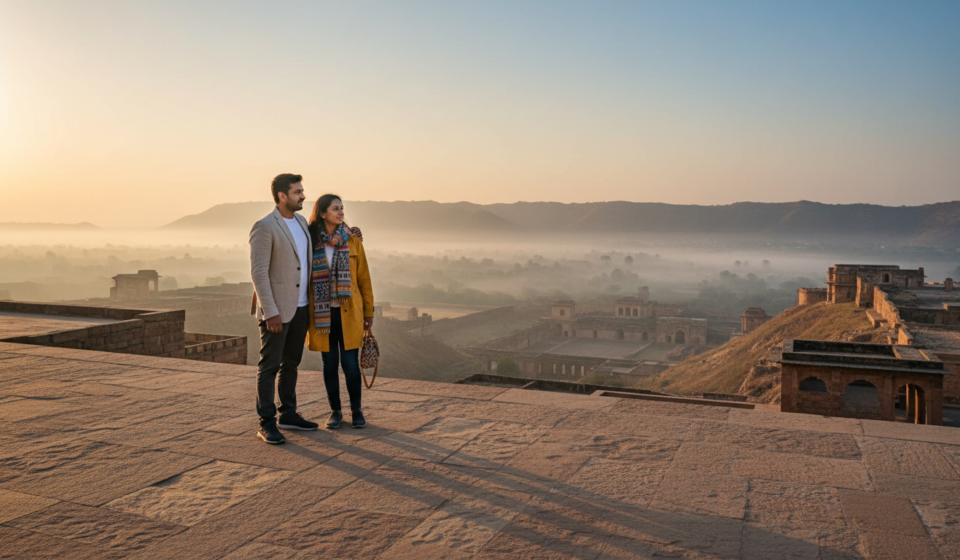
- Days 4–5: Jaipur. Tour Amber Fort, City Palace, Hawa Mahal, and Jantar Mantar. Spend Day 5 shopping in Johari Bazaar and enjoying a traditional Rajasthani thali. Take the evening Vande Bharat Express back to Delhi or fly directly to Amritsar.
- Day 6: Amritsar. Visit the Golden Temple (Harmandir Sahib) in the morning, pay respects at Jallianwala Bagh, and watch the evening border ceremony at Wagah Border.
- Day 7: Amritsar to Delhi. Take the early morning Vande Bharat Express (approx. 5.5 hours) back to Delhi for departure.
Circuit 2: Royal Rajasthan Heritage Trail (9 Days)
Best for: Couples, photography enthusiasts, and road-trippers.
- Days 1–2: Jaipur. Fort tours, stepwells (Panna Meena ka Kund), and heritage walking tours.
- Days 3–4: Jodhpur. Private transfer to the Blue City (approx. 5.5 hours drive). Explore Mehrangarh Fort, Jaswant Thada, and the vibrant clock tower market.
- Days 5–6: Jaisalmer. Drive into the Thar Desert (approx. 5 hours). Explore the living Jaisalmer Fort, historic havelis (Patwon Ki Haveli), and spend Night 6 in a desert camp among the Sam Sand Dunes.
- Days 7–8: Udaipur. Drive down to the Lake City via Ranakpur Jain Temple (approx. 8 hours total road time). Take a sunset boat trip on Lake Pichola, visit the City Palace complex, and tour Saheliyon Ki Bari.
- Day 9: Departure. Fly out directly from Udaipur’s Maharana Pratap Airport.
Planning Tip: Monument entry fees in Rajasthan differ by nationality. For example, standard admission to major sites costs around ₹50–₹100 for Indian citizens, while foreign national tickets are typically higher (e.g., Taj Mahal entry is ₹50 for Indian citizens and ₹1,100 for foreign nationals, plus an optional ₹200 mausoleum ticket). Keep valid photo ID on hand at all ticket counters.
Circuit 3: Himalayan Valleys — Kashmir or Himachal (7–8 Days)
Best for: Nature lovers, mountain travelers, and honeymooners.
- Option A (Kashmir Circuit):
- Days 1–2: Srinagar. Arrive at Sheikh ul-Alam International Airport. Experience a shikara ride on Dal Lake, stay in a heritage houseboat, and visit the Mughal Gardens.
- Days 3–4: Gulmarg. Drive to Gulmarg (2 hours). Ride Phase 1 and Phase 2 of the Gulmarg Gondola. Remember to hire a local union vehicle at Tangmarg if traveling during snowbound winter months.
- Days 5–6: Pahalgam. Drive to Pahalgam via Pampore saffron fields (approx. 4 hours). Transfer to local union cabs at Pahalgam taxi stand to visit Aru Valley, Betaab Valley, and Chandanwari.
- Days 7–8: Srinagar & Departure. Return to Srinagar for shopping (pashmina, dry fruits) and fly home.
- Option B (Himachal Valley Circuit):
- Days 1–2: Shimla. Drive from Chandigarh (approx. 3.5 hours) or take the heritage Toy Train from Kalka. Explore the Mall Road, Ridge, and Jakhu Temple.
- Days 3–5: Manali & Lahaul. Drive to Manali via Kullu Valley (approx. 7 hours). Visit Hadimba Temple and Solang Valley. Take a day drive through the Atal Tunnel to Sissu (Lahaul Valley) for alpine views without needing a Rohtang Pass permit.
- Days 6–7: Dharamshala / Mcleodganj. Drive to Dharamshala (approx. 6.5 hours). Tour the Dalai Lama Temple complex, Bhagsu Waterfall, and St. John in the Wilderness Church.
- Day 8: Departure. Drive back to Chandigarh for your return flight or train.
Circuit 4: Spiritual North & Ganges Heritage (6 Days)
Best for: Multigenerational family trips and spiritual travel.
- Days 1–2: Rishikesh & Haridwar. Arrive in Dehradun/Haridwar via the Delhi-Dehradun Vande Bharat. Attend the evening Ganga Aarti at Har Ki Pauri in Haridwar. Explore Rishikesh (Laxman Jhula, Triveni Ghat, beatles ashram) on Day 2.
- Day 3: Ayodhya. Take an express train or direct cab transfer to Ayodhya. Visit Shri Ram Janmabhoomi Mandir, Hanuman Garhi, and Saryu Ghat.
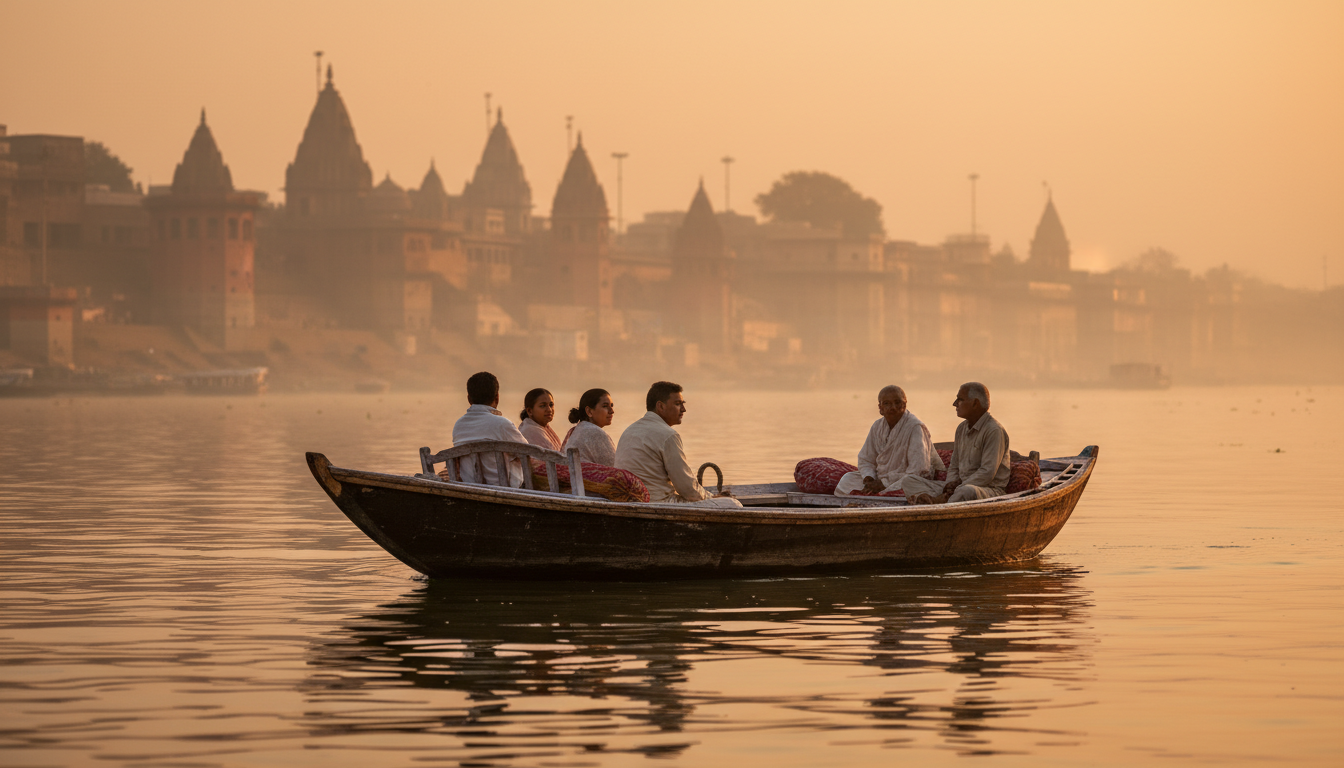
- Days 4–5: Varanasi. Board a connecting train or cab to Varanasi. Take a early morning boat ride past the historic ghats (Dashashwamedh, Manikarnika, Assi), tour Sarnath, and attend the grand evening Ganga Aarti.
- Day 6: Varanasi to Delhi. Take the 8-hour Vande Bharat Express back to New Delhi or fly directly from Lal Bahadur Shastri International Airport.
Common Pitfalls When Planning a North India Trip (And How to Avoid Them)
1. Acute Mountain Sickness (AMS) in High-Altitude Belts
Flying directly into Leh (3,500 meters) or driving rapidly up to Kaza in Spiti Valley subjects your body to sudden atmospheric pressure drops. Ignoring acclimatization will result in severe headaches, nausea, and potential medical emergencies.
- The Fix: Build a mandatory, non-negotiable 48-hour complete rest window upon arriving in Leh or high-altitude Spiti before attempting any transit over Khardung La, Chang La, or Pangong Tso. Stay hydrated, avoid heavy physical exertion, and carry recommended altitude medication after consulting a doctor.
2. Over-Packing Your Daily Route
Attempting to combine Rajasthan, Kashmir, and Varanasi into a single 10-day itinerary results in spending most of your holiday inside airports, train stations, or on highways. Traffic bottlenecks and mountain transit times are frequently underestimated.
- The Fix: Restrict your holiday to one geographical zone per week (e.g., 7 days dedicated solely to Rajasthan, or 7 days dedicated to Kashmir).
3. Winter Fog Disruptions (December 15 – January 31)
Dense radiation fog coats the North Indian plains every winter, reducing visibility across Punjab, Haryana, Delhi, and Uttar Pradesh to near zero during early morning and late night hours. This causes widespread train delays of 5 to 12 hours and severe flight disruptions.

- The Fix: If traveling in peak winter, avoid booking tight flight-to-train connections. Keep a buffer of at least 12 hours between major transit legs, and prefer daytime Vande Bharat Express trains, which handle low-visibility conditions far better than overnight sleeper routes.
4. Unexpected Local Taxi Union Costs
Tourists often book “all-inclusive” private cab drivers from Delhi or Srinagar, only to end up in heated arguments at checkposts in Pahalgam, Gulmarg, or Leh when told their hired vehicle cannot proceed further.
- The Fix: Clarify transit boundaries with your transport agency before paying deposits. Ensure your driver’s itinerary explicitly states where union swaps occur, and account for local taxi expenses in Pahalgam, Sonamarg, and Leh within your daily cash budget. At TravelDham, pre-arranged itineraries account for these local union handovers in advance so you face no surprise cash demands on the ground.
Frequently Asked Questions
What is the absolute best time to plan a North India trip?
The ideal time depends on the specific region. For the North Indian plains (Delhi, Agra, Rajasthan, Varanasi), the best window is from October to March when temperatures are comfortable. For mountain destinations like Ladakh and Spiti Valley, the best time is from May to September when mountain passes are clear of snow.
Do I need a permit to visit Rohtang Pass if I am driving to Spiti or Lahaul?
No. If you travel through the Atal Tunnel to access Lahaul, Jispa, Leh, or Spiti Valley, you do not need a Rohtang Pass permit. Permits are strictly required only for vehicles driving over the Rohtang Pass summit itself, available via the official Himachal Pradesh portal for ₹550 per vehicle.
Can I drive my own private car for sightseeing in Ladakh?
You can use a personal, private car (bearing a white registration plate) throughout Ladakh and over high passes, provided the vehicle is registered in your name or that of an immediate family member (spouse or parent), and you hold valid Inner Line Permits (ILP). However, commercially registered cars or self-drive rentals from outside Ladakh are banned from internal sightseeing.
How far in advance should I book train tickets for North India?
You should book train tickets as soon as the 60-day IRCTC Advance Reservation Period (ARP) opens at 8:00 AM IST. Ensure your IRCTC account is linked to your Aadhaar card beforehand, as only Aadhaar-verified users are permitted to book tickets during the initial 8:00 AM to 12:00 PM opening window.
How much budget should I allocate per day for a mid-range family trip?
A mid-range family or couple trip typically costs between ₹8,000 and ₹12,000 per day for two adults. This budget comfortably covers 3-star or heritage haveli accommodations, sit-down dining, monument entry fees, and private cab transfers or Vande Bharat train seats.
Planning a trip across North India requires aligning your regional choices with local seasonal conditions and transit rules. Focus on one geographic circuit, verify local vehicle rules in advance, and confirm train and permit bookings early to ensure a smooth, enjoyable trip.