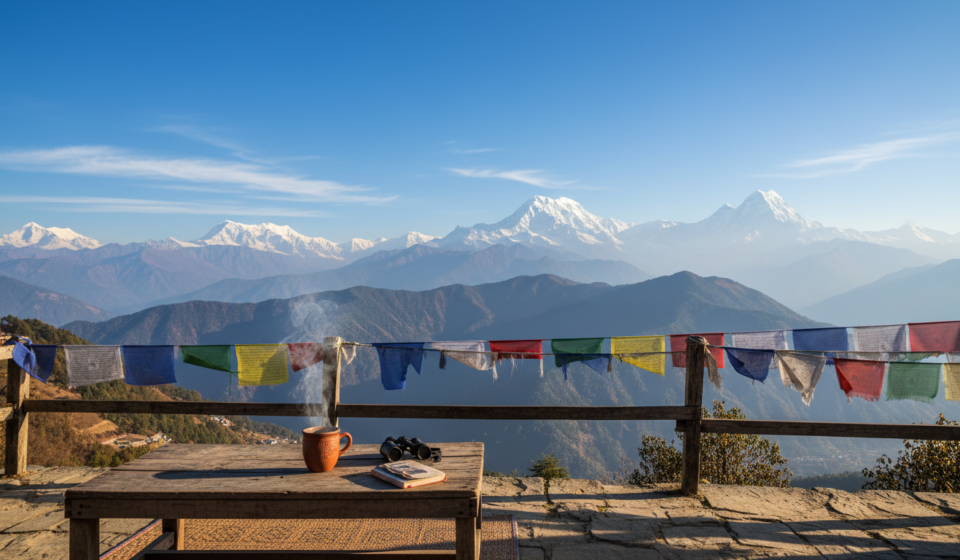

The best time to visit India and Nepal together is during the autumn months of October and November. During this post-monsoon window, rain clouds disappear entirely, leaving crisp blue skies, dust-free Himalayan mountain views, and comfortable daytime temperatures ranging between 15°C and 25°C in Kathmandu, Pokhara, and the North Indian plains. This period also aligns with the region’s grandest festive celebrations—Diwali and Navratri in India, alongside Dashain and Tihar in Nepal—offering an unforgettable cultural experience.
Planning a combined trip across India and Nepal requires balancing two very different landscapes: the plains, deserts, and heritage circuits of India, and the altitude-based microclimates of Nepal. While Western travel guides focus heavily on luxury flight packages priced in foreign currencies, Indian travellers have distinct practical advantages. You benefit from visa-free entry into Nepal, shared overland border crossings, cross-border UPI payments, and flexible rail and road connectivity. This guide details everything you need to know about seasonal weather patterns, entry rules, currency regulations, self-drive requirements, and practical itineraries to plan a seamless journey.
Seasonal Breakdown: Determining Your Best Time to Visit India and Nepal
Because India and Nepal share a contiguous geographical footprint, weather systems move across both nations in tandem. Choosing when to go depends on whether your priority is high-altitude trekking, cultural festivals, wildlife safaris, or budget-friendly travel.
1. Autumn (October – November): Peak Weather and Festival Season
Autumn is universally regarded as the prime window for a joint itinerary. The heavy southwest monsoon recedes by late September, sweeping away atmospheric dust and leaving mountain corridors strikingly clear.
- Nepal Climate: Daytime temperatures in Kathmandu and Pokhara average 18°C to 25°C. High-altitude trekking routes like Everest Base Camp (EBC) and the Annapurna Circuit open up with dry trails and optimal visibility.
- India Climate: Heat recedes across Northern and Central India. Cities like Delhi, Agra, Jaipur, and Varanasi experience pleasant, dry weather with daytime temperatures around 22°C to 28°C. For detailed region-specific weather breakdowns, consult our guide on the best time to visit North India.
- Festival Highlights: You can witness Nepal’s Dashain (Vijayadashami) and Tihar (Deepawali) alongside India’s Navratri and Diwali. Cities light up, though business operations may briefly pause during primary puja days.
- Trade-offs: High demand causes peak tariffs for hotels, surge pricing on flights between Delhi and Kathmandu, and extended wait times at land borders like Sunauli.
2. Spring (March – May): Wildflowers, Wildlife, and Shifting Heat
Spring is the second peak season for high-altitude adventure in Nepal and wildlife tourism across both countries.
- Nepal Climate: Days are warm (20°C to 28°C in low valleys), rainfall is minimal, and sub-alpine hills erupt in blooming rhododendrons (the national flower of Nepal) and wildflowers.
- India Climate: March remains pleasant and hosts the festival of Holi. However, by April and May, temperatures on the North Indian plains frequently cross 40°C. During these months, sightseers must pivot to mountain destinations in Uttarakhand, Himachal Pradesh, or Sikkim.
- Best Activities: Excellent time for jungle safaris. Water sources dry up in national parks, concentrating tigers and wildlife around watering holes in India’s Ranthambore or Bandhavgarh, as well as Nepal’s Chitwan and Bardiya National Parks.
- Trade-offs: Dust haze builds up in late April and May, slightly obscuring long-range mountain views from mid-hill towns like Nagarkot and Bandipur.
3. Winter (December – February): Clear Skies vs. Lowland Fog
Winter offers sharp contrasts depending on your elevation and geographical region.
- Nepal Climate: Terai plains (Lumbini, Chitwan) enjoy mild, sunny winter days (18°C to 22°C). Kathmandu and Pokhara have clear daytime skies but drop close to freezing at night (2°C to 5°C). High-altitude mountain passes are closed due to heavy snow.
- India Climate: Perfect weather for exploring Rajasthan, Gujarat, and South India. If you are exploring northern circuits during these months, review our recommendations for places to visit in India in November and December to plan around seasonal shifts.
- Trade-offs: Dense winter fog routinely engulfs the Indo-Gangetic plains (Delhi, Uttar Pradesh, Bihar) from mid-December through January. This severely impacts overland travel, delaying flights out of Delhi and slowing down cross-border trains and road journeys via Gorakhpur.
4. Summer / Monsoon (June – September): Trans-Himalayan Rain-Shadow Escapes
The monsoon brings heavy downpours across the southern slopes of the Himalayas, leading to frequent landslides on hill highways, flooded border towns, and the temporary closure of national parks.
However, regions situated in the rain-shadow area behind the main Himalayan crest receive very little rain, making them extraordinary summer destinations:
- Nepal’s Rain-Shadow Regions: Upper Mustang and Dolpo remain dry, accessible, and culturally vibrant throughout the summer months.
- India’s Rain-Shadow Regions: Ladakh, Spiti Valley, and Zanskar offer peak trekking conditions while the rest of the subcontinent experiences heavy rainfall.
Document & Entry Requirements for Indian Nationals
Under the 1950 Indo-Nepal Treaty of Peace and Friendship, Indian citizens do not require a visa to enter, reside, or travel within Nepal. However, border immigration authorities strictly enforce document verification rules.
To avoid being turned back at airport check-in desks or land checkpoints, carry the exact accepted identification documents detailed below.
| Age Group | Officially Accepted Documents | Strictly Rejected Documents |
|---|---|---|
| Adults (18 to 65 years) | 1. Valid Indian Passport 2. Original Voter ID Card (Election Photo Identity Card) | Aadhaar Card, PAN Card, Driving Licence, Ration Card, Smart Cards, DigiLocker/digital copies. |
| Children (Below 15 years) | Original Birth Certificate or School ID Card accompanied by a parent with valid documents. | Unverified digital certificates or standalone uncertified photocopies. |
| Seniors (Above 65 years) | Any photo ID card issued by a Central/State Government body establishing age and identity (including Aadhaar). | Non-governmental IDs or private membership cards. |
| Teens (15 to 18 years) | Official Identity Certificate issued and signed by the principal of their educational institution. | Self-attested student cards without institutional stamps. |
Critical Immigration Warning: Air India, IndiGo, and Nepal Airlines will deny boarding at Indian airports if an adult passenger produces only an Aadhaar Card. The Indian Ministry of External Affairs and Nepal Immigration recognize only original Passports and Voter ID cards for adult air transit.
Cross-Border Vehicle Rules & Driving Guide for Indian Travelers
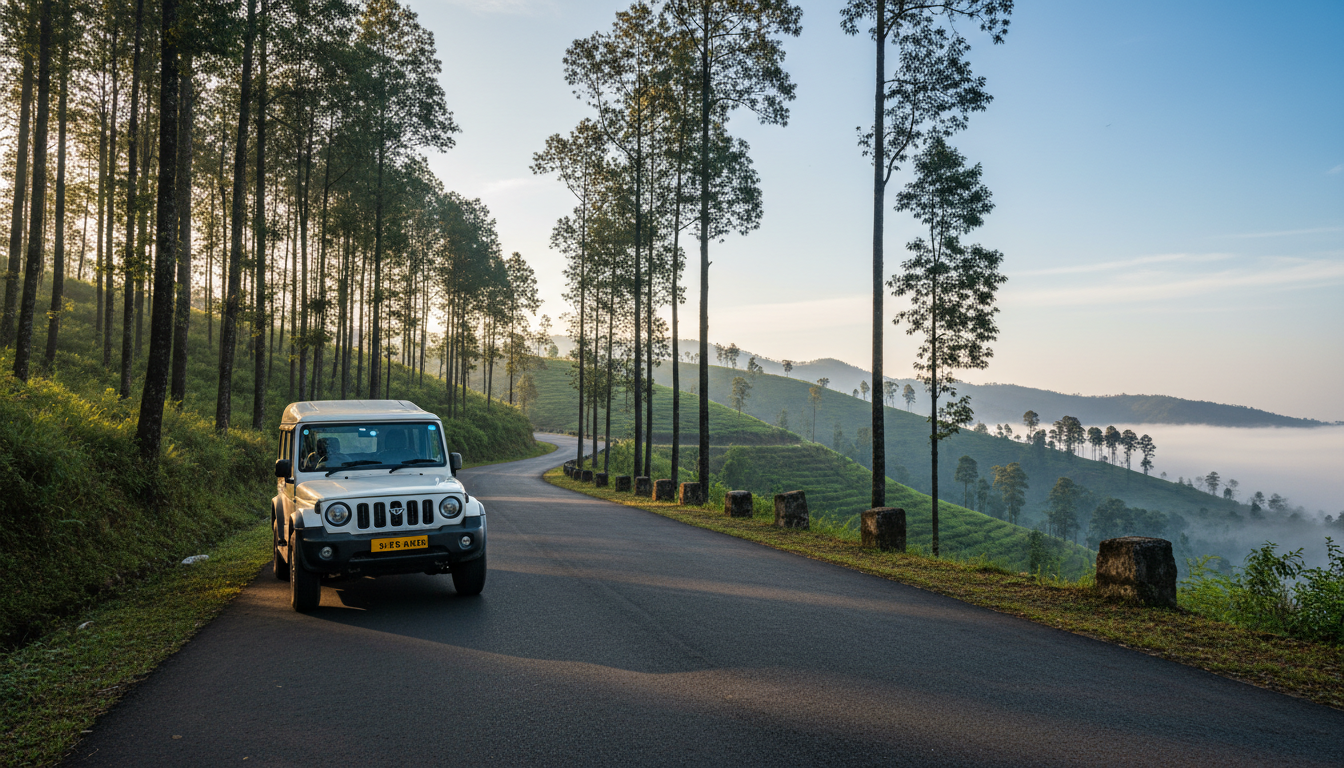
Self-driving or taking a personal car or motorcycle from India into Nepal is a popular choice for families and road-trip enthusiasts. Border entry is seamless if you complete your documentation at the border customs house (Bhansar).
Primary Land Border Checkpoints
- Sunauli (Uttar Pradesh) – Belahiya (Nepal): Located near Gorakhpur. This is the busiest border post, offering direct access to Lumbini (30 km), Pokhara (180 km), and Kathmandu (280 km).
- Raxaul (Bihar) – Birgunj (Nepal): The main freight and passenger gateway for travellers coming from Bihar, Jharkhand, and West Bengal toward Kathmandu.
- Panitanki (West Bengal) – Kakarbhitta (Nepal): Ideal for travellers routing through Siliguri, Bagdogra, or Darjeeling into Eastern Nepal.
- Banbasa (Uttarakhand) – Mahendranagar (Nepal): Gateway to Far-Western Nepal, including Bardia National Park.
Mandatory Customs Permits and Vehicle Caps
- Bhansar (Customs Permit): Upon crossing the border, take your vehicle directly to the Nepalese Customs Office. Pay the daily Bhansar fee based on your planned length of stay. Fees range from approximately NPR 100–150 per day for motorcycles to NPR 500–600+ per day for cars/SUVs (verify current rates at the post).
- Yatayat Anumati (Transport Permit): Issued alongside the Bhansar permit at the border transport office. It authorizes your vehicle to travel beyond immediate border municipalities into mid-hill corridors.
- The 30-Day Annual Limit Rule: Indian-registered private vehicles are subject to a strict cumulative maximum stay of 30 days per calendar year in Nepal. If you overstay this 30-day allowance, customs authorities can impound your vehicle or levy heavy financial penalties.
- Day Passes (Challan): If you cross the border strictly for single-day shopping or local temple visits in border towns, request a single-day pass. The vehicle must return to India before the checkpoint closes that evening.
Essential Vehicle Documents Required at the Customs Desk
- Original Vehicle Registration Certificate (RC).
- Original Driving Licence (DL) of the driver.
- Valid Indian Motor Insurance (ask your insurer to add an endorsement stamp for Nepal coverage).
- Valid Pollution Under Control (PUC) Certificate.
- Authorization Letter from the registered owner if the vehicle is registered under a company name or a relative who is not travelling with you.
Currency, UPI Payments, and Budgeting Guidelines
Managing money across India and Nepal is straightforward due to fixed monetary pegs and recent digital payment integration. However, cash rules require careful attention.
The Fixed Exchange Peg
The Nepalese Rupee (NPR) is officially pegged to the Indian Rupee (INR) at a fixed exchange rate:
₹1.00 INR = NPR 1.60 (Conversely, NPR 100 = ₹62.50 INR).
Cash Usage Restrictions
While Indian currency is widely accepted in Nepal, Nepal Rastra Bank enforces strict rules regarding banknote denominations:
- Freely Accepted: Indian currency notes of ₹10, ₹20, ₹50, and ₹100 denominations are accepted by shopkeepers, hotels, and local vendors throughout Nepal.
- Prohibited Notes: Indian currency notes of ₹200 and ₹500 denominations are officially banned from import and circulation in Nepal. Carrying high-value Indian notes can lead to confiscation or questioning by border security. Carry clean ₹100 INR notes when entering the country.
Cross-Border UPI Integration
Indian travellers using UPI apps (PhonePe, Google Pay, BHIM) can scan Fonepay QR codes across Nepal at over 67,000 retail outlets, restaurants, and hotels in major cities like Kathmandu, Pokhara, and Lumbini.
- How to Pay: Enable “UPI International” inside your Indian UPI application. Scan the merchant’s Fonepay QR code. The merchant’s screen displays the bill in NPR, while your app displays the exact converted INR amount to be debited from your Indian bank account at the standard 1:1.60 peg.
- Transaction Limit: Capped at NPR 50,000 (approx. ₹31,250 INR) per transaction.
- Coverage Note: Digital acceptance reaches 70%–85% in major cities, but drops sharply in remote mountain regions like Mustang or high trekking trails. Always carry physical cash in ₹100 INR bills when leaving city centers.
Daily Budget Benchmarks for Joint Trips
To help structure your finances, here are estimated per-person daily operational costs (excluding international flights or long-distance train tickets):
| Travel Style | Estimated Daily Cost (INR) | Typical Inclusions |
|---|---|---|
| Budget / Solo | ₹1,800 – ₹2,800 | Budget guesthouses/homestays, local buses/shared cabs, local dhabas, self-guided tours. |
| Mid-Range (Families/Couples) | ₹4,500 – ₹7,500 | 3-star or 4-star hotels, private AC sedans/SUVs, casual dining restaurants, park permits. |
| Luxury / Premium | ₹12,000 – ₹25,000+ | 5-star heritage resorts, private intercity flights/transfers, personal tour guides. |
Transport Connections: Flights, Trains, and Overland Roads
Combining destinations across both countries is straightforward thanks to well-established flight corridors, international bus routes, and cross-border rail links.
1. Direct Flight Connections
Non-stop flights connect major Indian metros directly to Tribhuvan International Airport (KTM) in Kathmandu. Carriers like Air India, IndiGo, and Nepal Airlines operate daily non-stop routes from Delhi (1h 45m flight time), Mumbai, and Bengaluru.
Round-trip economy airfares from Delhi to Kathmandu typically start around ₹10,000–₹14,000 during off-peak months (July–August or January), but surge to ₹18,000–₹25,000+ during peak festival months (October–November).
2. The Cross-Border Jaynagar–Janakpur Railway
Operated by the Nepal Railway Company Ltd (NRCL), this cross-border passenger train links India and Nepal directly through the eastern plains:
- Route: Jaynagar (Madhubani district, Bihar, India) to Janakpurdham / Bijalpura (Nepal).
- Travel Time & Fares: The 35 km journey to Janakpur takes roughly 1 hour. Fares range from NPR 100 (~₹62 INR) for General Class to NPR 200 (~₹125 INR) for AC Class.
- Immigration Checks: Conducted at the Inarwa border station. Passengers must present a valid original Voter ID or Passport before boarding or exiting the station.
3. Direct International Bus and Rail Transit
The Delhi-to-Kathmandu direct bus service, operated jointly by DTC and Nepal’s transport bodies, covers approximately 1,150 km over 30 hours via the Sunauli border checkpoint. Alternatively, travellers can take express trains from across India to Gorakhpur Junction (UP), from where local taxis or shared buses reach the Sunauli border in about 3 hours.
Recommended Joint Itineraries
These two curated itineraries combine high-demand regional destinations based on realistic travel times and optimal seasonal weather windows.
Itinerary 1: The Classic Golden Triangle + Nepal Highlights (10–12 Days)
Best Time: October–November or March.
Target: Families, couples, and first-time international travellers relying on flight transfers.
- Day 1–2 (Delhi): Arrive in Delhi. Explore Old Delhi, Humayun’s Tomb, and Qutub Minar. Discover offbeat capital sights through our guide to hidden places in Delhi.
- Day 3 (Agra): Early morning drive via Yamuna Expressway to Agra. Tour Taj Mahal and Agra Fort; evening transfer to Jaipur.
- Day 4–5 (Jaipur): Tour Amber Fort, City Palace, and Hawa Mahal. Enjoy local Rajasthani cuisine.
- Day 6 (Delhi to Kathmandu Flight): Drive back to Delhi airport; board afternoon flight to Kathmandu. Hotel check-in at Thamel.
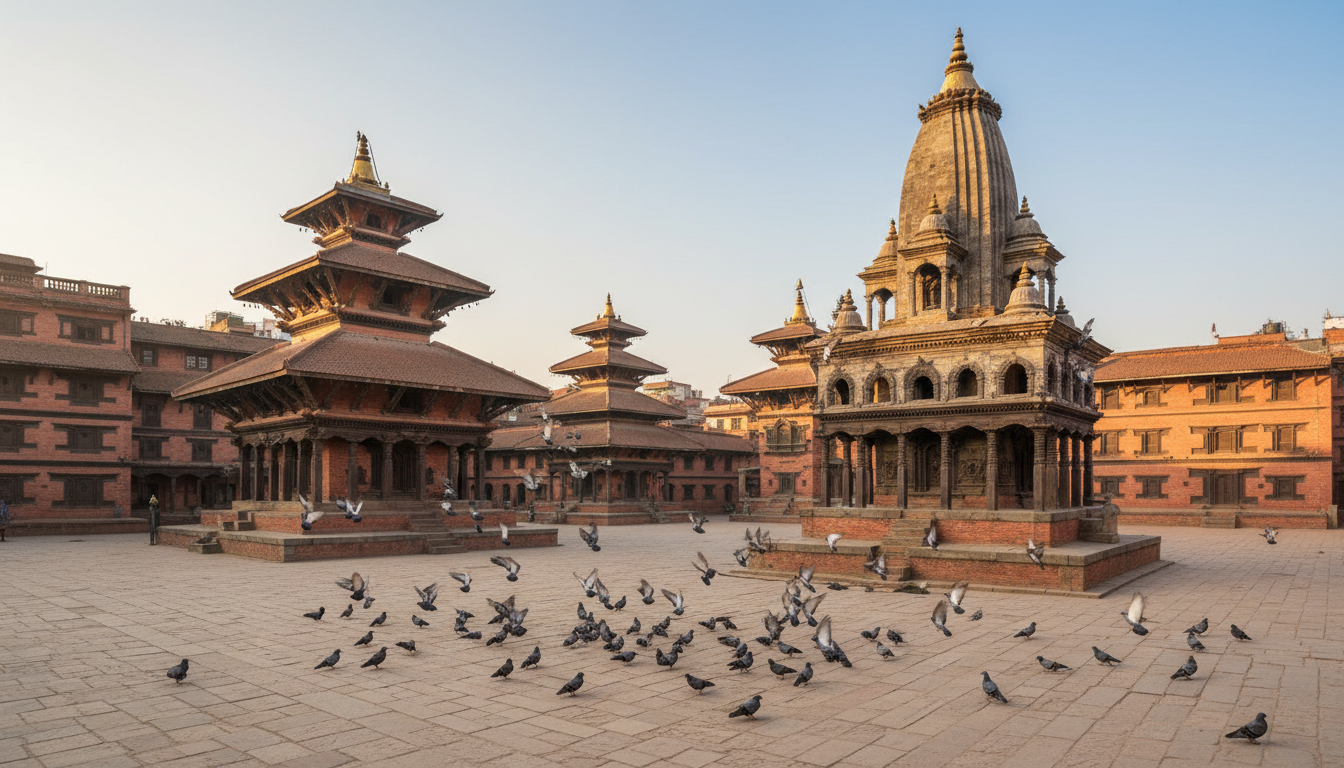
- Day 7–8 (Kathmandu Valley): Visit Pashupatinath Temple, Swayambhunath (Monkey Temple), Boudhanath Stupa, and Patan Durbar Square.
- Day 9–11 (Pokhara): Scenic drive or short 25-minute flight to Pokhara. Experience boating on Phewa Lake, sunrise over the Annapurna range from Sarangkot, and a visit to the Peace Pagoda.
- Day 12 (Departure): Fly back to Kathmandu and board your return flight home.
Itinerary 2: The Sacred Overland & Wildlife Circuit (12–14 Days)
Best Time: October to February.
Target: Pilgrims, self-drive enthusiasts, and nature lovers exploring North India and Southern Nepal.
- Day 1–2 (Varanasi): Attend the evening Ganga Aarti, take an early morning boat ride at Dashashwamedh Ghat, and visit Sarnath.
- Day 3–4 (Varanasi to Lumbini via Sunauli): Drive North via Gorakhpur to cross the Sunauli border. Complete Bhansar paperwork and arrive in Lumbini. Explore the Maya Devi Temple and International Monastery Zone.
- Day 5–6 (Chitwan National Park): Drive East to Chitwan. Experience jeep safaris, canoe rides along the Rapti River, and cultural Tharu dance performances.
- Day 7–9 (Pokhara): Travel along the Narayanghat corridor into Pokhara. Relax by Phewa Lake, explore Mahendra Cave, and take short day hikes in the Annapurna foothills.
- Day 10–13 (Kathmandu & Nagarkot): Travel along the Prithvi Highway to Kathmandu. Spend two days touring heritage durbar squares and end with an overnight stay in Nagarkot for panoramic Himalayan sunrise views.
- Day 14 (Return): Drive back overland toward the Raxaul/Sunauli border or fly back home from Kathmandu.
Best Time to Visit India and Nepal for Wildlife and Nature Escapes
For wildlife enthusiasts, combining safari circuits across India and Nepal requires planning around national park operating schedules. In both countries, major national parks close their core zones during the monsoon season (June to September) due to unpaved track washouts and animal breeding cycles.
The optimal period for wildlife photography is between **March and April**. During early spring, forest undergrowth thins out significantly and seasonal water holes dry up, forcing animals out into open clearings. You can combine tiger tracking in Northern or Central India with rhinos and wild elephant tracking in Southern Nepal. To build out your broader regional travel plan, read our comprehensive guide on the best places to visit in North India.
Common Tourist Mistakes to Avoid
- Carrying ₹500 Indian Banknotes into Nepal: Avoid carrying ₹200 or ₹500 notes across the border. While accepted informally by some local vendors, they are legally restricted by Nepal Rastra Bank. Carrying them risks confiscation at border checkpoints. Stick to ₹100 notes or digital UPI payments.
- Relying on Aadhaar at Airport Immigration: Aadhaar cards are not accepted by airline check-in desks or immigration counters for adult international flights to Nepal. Adults must carry a valid original Passport or Voter ID.
- Exceeding the 30-Day Limit for Private Vehicles: Do not assume your Indian-registered car can stay in Nepal indefinitely by simply paying extended daily fees. Customs authorities strictly enforce a 30-day maximum limit per calendar year. Overstaying can lead to severe fines or vehicle impoundment.
- Ignoring Winter Fog along Northern Transit Routes: If travelling between December and January, build flexibility into your schedule. Dense morning fog across Delhi, Uttar Pradesh, and Bihar frequently causes train delays of 6–12 hours and disrupts regional flights.
- Driving Hill Roads During Peak Monsoon Months: Avoid driving key highway corridors like the Prithvi Highway (Kathmandu–Pokhara) or Narayanghat–Mugling stretch during July and August. Monsoon rains frequently cause heavy mudslides and multi-day road closures along river gorges.
Frequently Asked Questions
Is an Indian driving licence valid in Nepal for private vehicles?
Yes. A valid, original Indian Driving Licence (DL) is legally recognized in Nepal for driving private cars and motorcycles. You do not need an International Driving Permit (IDP). However, your vehicle must carry a valid Bhansar customs permit and Yatayat Anumati issued at the border checkpoint.
Can I use my Indian credit or debit cards in Nepal?
Most major Indian bank debit and credit cards (Visa and Mastercard) work at ATMs and point-of-sale (POS) terminals in Kathmandu and Pokhara. Ensure international usage is activated on your card via your banking app. Note that standard bank cross-border transaction fees (2.5% to 3.5%) apply to card transactions.
What is the best month to visit India and Nepal if I want to trek and see snow?
If you want to view snow-capped Himalayan peaks alongside clear weather, plan your trip between late October and December. For direct snow experiences on lower trails, visit mid-altitude regions in December or January. For high-altitude trekking routes like Everest Base Camp, late October through November offers clear skies, dry trails, and manageable cold temperatures.
Do Indian citizens need to pay park entry fees in Nepal?
Yes. Indian citizens must pay entry fees for national parks and conservation areas in Nepal (such as Chitwan National Park or the Annapurna Conservation Area Project – ACAP). However, as SAARC country nationals, Indian citizens pay significantly discounted permit rates compared to non-SAARC foreign tourists.
How works UPI scanning in Nepal for Indian mobile numbers?
Ensure your Indian UPI app (PhonePe, BHIM, GPay) is updated and connected to your registered Indian mobile number. Activate “UPI International” within the app settings. When at a merchant displaying a Fonepay QR code, scan it directly. The payment processes in Nepalese Rupees and debits the equivalent amount in Indian Rupees from your bank account based on the standard 1:1.60 peg.