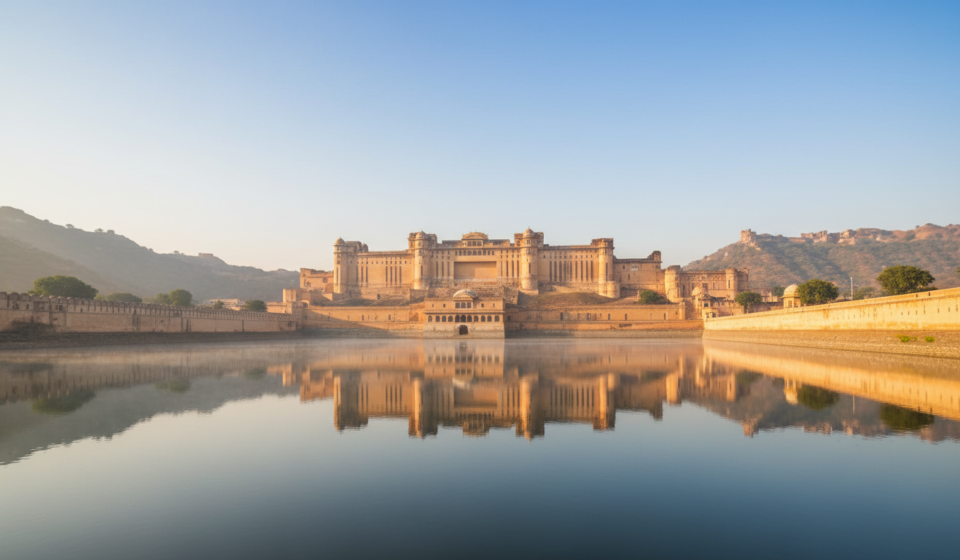

The best time to visit north india depends entirely on which region you plan to explore. If your trip focuses on the heritage monuments of the Golden Triangle or the desert palaces of Rajasthan, the optimal window is October through March when days are dry and pleasant. However, if your target is a high-altitude circuit across Ladakh or Spiti Valley, May through September offers comfortable conditions and open mountain passes while lower regions experience scorching heat or torrential monsoons.
Because North India spans from flat Gangetic plains to the highest mountain ranges on earth, treating the region as a single climate zone is a mistake. Visiting the wrong zone at the wrong time can mean getting stuck in -20°C freezing mountain passes when you planned on sightseeing, or navigating severe landslide alerts in hill stations during peak monsoon. Matching your itinerary to the correct regional climate pattern is essential for a safe and rewarding trip.
Understanding North India’s 4 Unique Climate Zones
To choose the right travel window, you need to divide North India into four clear geographical and climatic zones:
- Zone A: The Northern Plains & Gangetic Belt (Delhi, Agra, Varanasi, Amritsar, Lucknow) — Characterized by severe summer heat (over 40°C), short autumn and spring windows, a heavy monsoon from July to September, and cold winters marked by dense radiation fog.
- Zone B: The Thar Desert & Rajasthan (Jaipur, Jodhpur, Jaisalmer, Udaipur, Bikaner) — Arid climate with scorching summers (42°C to 45°C+), mild rainfall, and warm, pleasant winter days with cold desert nights.
- Zone C: Lower & Middle Himalayas (Shimla, Manali, Dharamshala, Rishikesh, Mussoorie, Nainital, Kashmir Valley) — Temperate hill zone featuring mild summers, heavy monsoon rains with significant landslide risks, and sub-zero winter temperatures with regular snowfall.
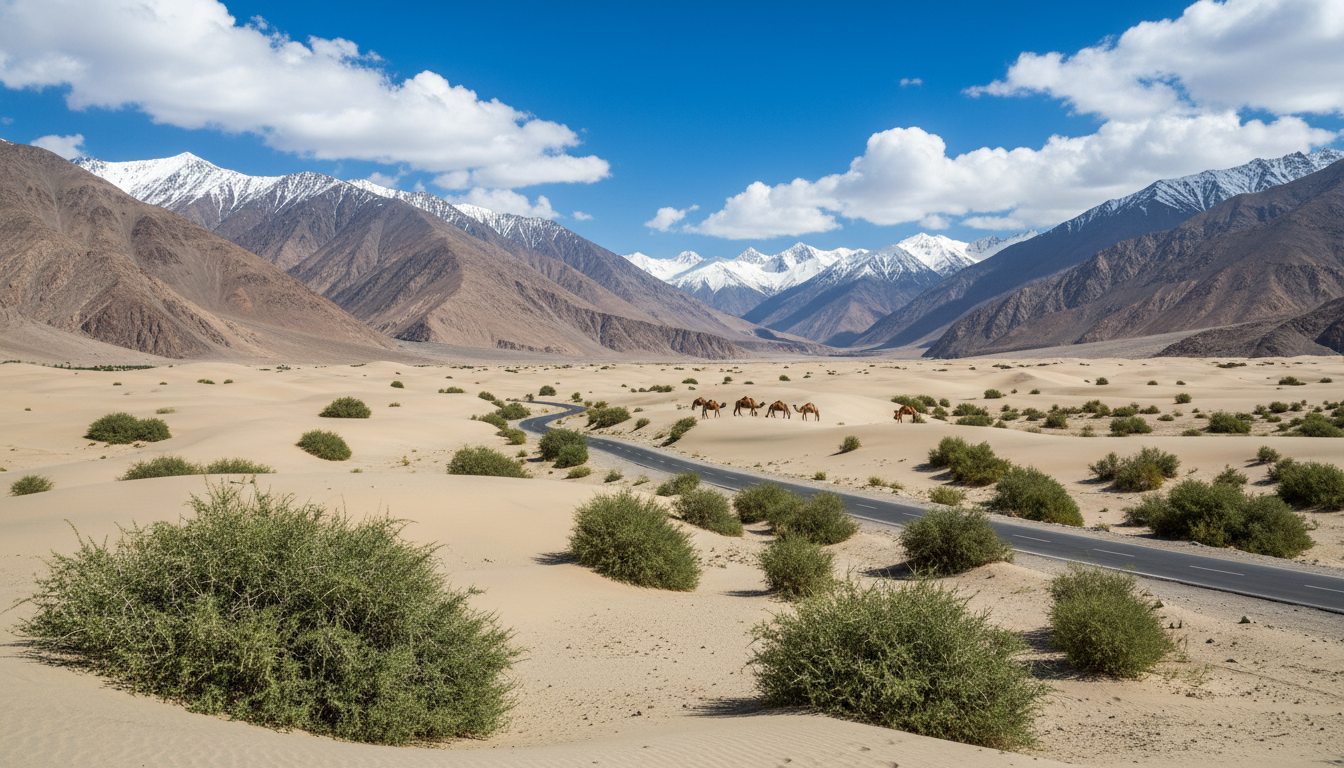
- Zone D: High-Altitude Trans-Himalayas (Ladakh: Leh, Nubra, Pangong; HP: Lahaul & Spiti) — High-altitude cold desert located in a monsoon rain-shadow. Winters are frozen (-15°C to -25°C), while summers (May to September) bring ideal temperatures ranging from 15°C to 25°C.
Overview: Month-by-Month Weather Across All Zones
| Month | Zone A: Plains | Zone B: Rajasthan | Zone C: Lower Himalayas | Zone D: Trans-Himalayas |
|---|---|---|---|---|
| January | Cold / Heavy Fog | Peak Season (Pleasant) | Snow Season / Sub-Zero | Freezing (-20°C) / Isolated |
| February | Crisp & Sunny | Ideal / Cultural Fairs | Mild Snow / Clear Days | Extreme Cold (Chadar Trek) |
| March | Warm Spring | Warm Days / Cool Nights | Spring Bloom Begins | Snowbound / Passes Closed |
| April | Hot (35°C+) | Very Hot | Pleasant Hill Escape | Season Prep / Flights Active |
| May | Scorching (40°C+) | Extreme Desert Heat | Peak Summer Crowds | Passes Start Opening |
| June | Pre-Monsoon / Hot | Severe Heatwave | Warm / Pre-Monsoon Rains | Peak Travel Window |
| July | Humid Monsoon Rains | Lush Green / Soft Rains | High Landslide Danger | Rain-Shadow Peak Window |
| August | Heavy Monsoon Rains | Green / Moderate Rains | High Landslide Danger | Rain-Shadow Peak Window |
| September | Monsoon Retreat | Pleasant Evenings | Clear Skies / Trekking | Crisp Skies / Pre-Winter |
| October | Ideal Autumn | Peak Tourist Season | Golden Foliage / Crisp | Chilly / Season Closing |
| November | Cool / Early Morning Fog | Peak Tourist Season | Cold / Off-Peak | Overland Routes Closed |
| December | Cold / Dense Fog | Peak Festive Season | Snow Season Starts | Deep Freeze (-15°C) |
Detailed Month-by-Month Guide to North India
January
January brings peak winter across the region. The northern plains of Delhi, Agra, and Varanasi see daytime temperatures between 15°C and 20°C, but dense radiation fog frequently disrupts morning travel schedules. In Rajasthan, cities like Jaisalmer, Jaipur, and Udaipur enjoy sunny days around 22°C, though desert night temperatures drop close to freezing.
In the Himalayas, ski resorts in Gulmarg, Manali, and Auli operate at full capacity with regular snowfall. High-altitude regions like Leh experience sub-zero conditions (-15°C to -20°C), remaining connected primarily by air, while adventurous trekkers head there for the Chadar Frozen River Trek.
- Key Events: Jaipur International Kite Festival (Jan 14), Republic Day Parade in Delhi (Jan 26).
- Best Places to Visit: Jaisalmer, Jaipur, Udaipur, Auli, Gulmarg.
- Travel Advice: Avoid long road drives or early morning train connections in the plains due to zero-visibility fog.
February
February is one of the most reliable months to travel across North India. The heavy fog over the plains begins to break, leaving clear blue skies and pleasant daytime temperatures between 18°C and 25°C. Rajasthan remains near peak condition for sightseeing.
In Himachal Pradesh and Uttarakhand, lower hill slopes begin to thaw, offering crisp mountain views and warm winter sunshine. The high passes into Ladakh and Spiti remain locked under snow, keeping road access closed.
- Key Events: Jaisalmer Desert Festival, Taj Mahotsav in Agra.
- Best Places to Visit: Delhi, Agra, Varanasi, Jodhpur, Rishikesh, Amritsar.
- Travel Advice: This is a ideal month for full-day heritage walking tours in Delhi and Rajasthan before summer heat begins. If you are structuring a classic heritage route, check out our guide on the Best Time to Visit India’s Golden Triangle.
March
March marks the transition to spring. The plains and desert areas warm up quickly, with daytime temperatures reaching 28°C to 34°C. Mornings and evenings stay mild and dry, making early March comfortable for desert circuits.
Spring blooms across the Himalayan foothill valleys. Kashmir comes alive as almond orchards blossom and the Indira Gandhi Memorial Tulip Garden in Srinagar prepares for its annual opening, usually around mid-to-late March.
- Key Events: Holi (celebrated nationwide; famous in Mathura and Vrindavan), Srinagar Tulip Festival opening.
- Best Places to Visit: Srinagar, Mathura, Vrindavan, Jaipur, Dharamshala.
- Travel Advice: Book Srinagar accommodation early if traveling during late March, as the opening of the tulip gardens attracts massive domestic crowds.
April
By April, summer temperatures return to the plains, with Delhi, Agra, and Rajasthan consistently topping 35°C to 38°C. Sightseeing in these zones becomes exhausting during midday hours.
The lower Himalayas enter their prime spring season with comfortable daytime temperatures between 15°C and 25°C. High mountain road clearing operations by the Border Roads Organisation (BRO) are well underway, and the Srinagar-Leh highway generally reopens toward the middle or end of the month depending on winter snow accumulation.
- Key Events: Kashmir Tulip Festival peak bloom (early April), Baisakhi festival in Punjab (April 13).
- Best Places to Visit: Srinagar, Mussoorie, Shimla, Nainital, Corbett National Park.
- Travel Advice: April is an excellent month for wildlife safaris in Corbett and Ranthambore, as drying vegetation improves animal visibility around water sources.
May
May brings severe summer conditions to the plains and Thar Desert, with afternoon temperatures spiking between 40°C and 45°C. Outdoor sightseeing in cities like Delhi, Agra, or Jaisalmer is not recommended during daytime hours.
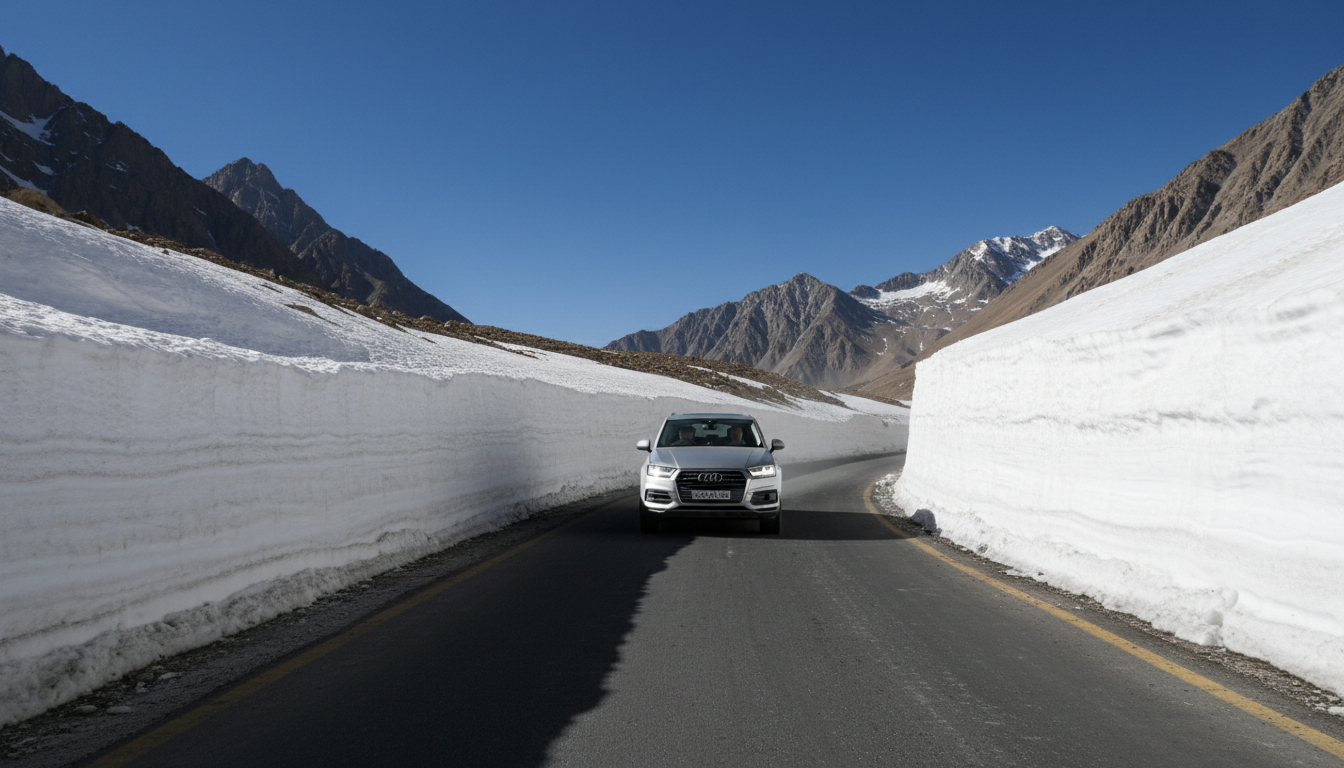
Demand shifts to hill stations like Manali, Shimla, and Mussoorie as domestic summer school holidays start. Expect heavy traffic on hill corridors. High mountain passes like the Manali-Leh Highway and Kunzum Pass usually open by late May, signaling the start of the trans-Himalayan road trip season.
- Best Places to Visit: Leh, Nubra Valley, Spiti Valley, McLeod Ganj, Pahalgam.
- Travel Advice: Expect high hotel rates and traffic jams along major access corridors like the Chandigarh-Manali highway during peak May travel.
June
June brings hot, pre-monsoon conditions to the plains, with high humidity pushing heat indices to uncomfortable levels. Dust storms often occur across Rajasthan and NCR.
June is the prime window for high-altitude mountain circuits. All trans-Himalayan road passes (including Khardung La, Chang La, Baralacha La, and Kunzum Pass) are fully cleared and operational. Long daylight hours and dry roads create ideal conditions for motorcycling and overland expeditions through Ladakh and Spiti. If you’re looking for quieter mountain retreats away from peak summer traffic, browse our guide to Hidden Places to Visit in North India.
- Key Events: Hemis Monastery Festival in Ladakh (dates vary based on the lunar calendar, falling in June or July).
- Best Places to Visit: Ladakh (Leh, Pangong, Nubra), Spiti Valley, Shoja, Tirthan Valley.
- Travel Advice: Ensure your vehicle has high ground clearance when tackling mountain routes, as melting snow creates heavy water crossings (nallahs) across high passes in June.
July
The southwest monsoon reaches full force across North India in July. Heavy rains cover the plains and cause serious hazards in the lower and middle Himalayas, where landslides, flash floods, and debris flows frequently block roads throughout Himachal Pradesh and Uttarakhand.
However, the trans-Himalayan regions of Ladakh and Spiti sit in the rain-shadow of the Greater Himalayas and receive very little rainfall. While the rest of the country experiences monsoon downpours, Ladakh and Spiti enjoy dry weather, clear roads, and comfortable daytime temperatures (20°C to 25°C).
| Zone / Region | July Weather Conditions | Travel Recommendation |
|---|---|---|
| Zone A (Plains) | Hot, humid, monsoon downpours | Not recommended (waterlogging) |
| Zone B (Rajasthan) | Moderate rain, lush greenery | Good for nature stays (Udaipur/Mount Abu) |
| Zone C (Lower Hills) | Torrential rain, high landslide risk | AVOID (High hazard risk) |
| Zone D (Trans-Himalaya) | Dry, warm, rain-shadow protection | IDEAL (Peak season) |
- Best Places to Visit: Leh-Ladakh, Spiti Valley, Valley of Flowers (Uttarakhand monsoon alpine bloom), Udaipur.
- Travel Advice: Avoid driving through the Beas River basin (Kullu-Manali) or the Char Dham routes in Uttarakhand during July due to landslide threats.
August
Monsoon activity remains high through August. Plains cities face high humidity and urban waterlogging, while lower hill routes remain subject to landslide delays.
August remains ideal for exploring Ladakh, Zanskar, and Spiti Valley. In Rajasthan, monsoon showers transform dry scrublands into green landscapes, making southern destinations like Udaipur, Ranakpur, and Mount Abu visually appealing.
- Key Events: Independence Day celebrations in Delhi (August 15), Teej festival in Jaipur.
- Best Places to Visit: Leh, Zanskar Valley, Spiti Valley, Udaipur, Mount Abu.
- Travel Advice: If flying into Leh in August, book tickets early as this is a short, high-demand summer window. If you’re building a complete trip itinerary, reference our tested 7-Day Leh Ladakh Itinerary.
September
September marks the retreat of the monsoon. Rainfall decreases across the lower hills and plains, leaving clean air, emerald green hillsides, and low tourist density.
The lower Himalayas offer some of their best weather of the year during late September, featuring pleasant day temperatures (18°C to 24°C) and crisp nights. High-altitude passes in Ladakh remain open, though evening temperatures begin to drop rapidly toward freezing late in the month.
- Key Events: Ladakh Festival in Leh.
- Best Places to Visit: Srinagar, Gulmarg, Manali, Spiti Valley, Rishikesh, Amritsar.
- Travel Advice: Late September is an excellent time for trekking in Himachal Pradesh and Uttarakhand before high-altitude trails close for winter.
October
October is arguably the most versatile month to plan a multi-destination trip across North India. The autumn climate brings warm, sunny days (25°C to 30°C) and cool evenings to the plains and Rajasthan, signaling the start of peak regional tourism.
In Kashmir and Kumaon, leaves turn golden, while mountain daytime temperatures stay comfortable (15°C to 20°C). High passes into Ladakh begin to freeze overnight, and early seasonal snow spells can cause temporary pass closures by late October.
- Key Events: Kullu Dussehra, Rajasthan International Folk Festival (RIFF) in Jodhpur.
- Best Places to Visit: Jaipur, Udaipur, Jodhpur, Delhi, Varanasi, Kullu Valley, Srinagar.
- Travel Advice: October provides an ideal weather window if you want to pair a hill station visit with heritage sightseeing in Rajasthan or Delhi during a single trip.
November
Clear, sunny days and cool nights make November a popular travel month across the plains and deserts. Temperatures in Delhi, Agra, and Jaipur average between 12°C and 26°C.
In the high mountains, winter sets in firmly. The Border Roads Organisation officially closes the high overland routes (Manali-Leh and Kunzum Pass) due to heavy ice and snow build-up. Lower hill stations remain open, offering quiet shoulder-season travel before winter holiday crowds arrive in December.
- Key Events: Pushkar Camel Fair in Rajasthan, Diwali celebrations across the region.
- Best Places to Visit: Pushkar, Jaisalmer, Varanasi, Ranthambore National Park, Delhi, Agra.
- Travel Advice: Book hotel stays and train transport months in advance if your trip coincides with the Pushkar Fair or Diwali.
December
December brings winter conditions to the northern plains, with daytime temperatures between 15°C and 20°C, and night temperatures falling to 5°C. Radiation fog begins to build over the Gangetic plains late in the month, leading to frequent transport delays.
The lower Himalayas see their first major winter snowfalls, drawing holiday travelers to Shimla, Manali, Auli, and Gulmarg for skiing and snow stays. Trans-Himalayan cold deserts plunge into deep freeze, with lakes like Pangong Tso freezing solid.
- Best Places to Visit: Jaisalmer, Ranthambore, Auli, Gulmarg, Shimla, Varanasi.
- Travel Advice: If traveling to hill stations for Christmas or New Year snow, build extra travel buffer days to handle winter road congestion.
High-Altitude Permits & Mountain Pass Logistics
Planning a trip to the high-altitude zones (Ladakh, Spiti, high Himachal) requires navigating specific permit rules, pass schedules, and health requirements.
1. Permit Realities (Ladakh & Frontier Border Zones)
A common misconception is that domestic Indian tourists need an Inner Line Permit (ILP) for standard routes in Ladakh. Inner Line Permits for Indian citizens visiting standard circuits (including Leh, Pangong Tso, Nubra Valley, Tso Moriri, Turtuk, and Hanle) were abolished in August 2021.
However, all domestic visitors must pay an mandatory Environmental & Development Fee (approximately ₹400 to ₹500 per person) through the official LAHDC portal or at registration desks in Leh. Foreign passport holders still require a Protected Area Permit (PAP) arranged through local registered agencies.
2. High-Altitude Pass Opening & Closing Seasons
High mountain passes operate on strict seasonal schedules managed by the Border Roads Organisation (BRO). Exact opening dates vary based on snowfall levels:
- Manali–Leh Highway (via Baralacha La & Sarchu): Typically opens mid-May to early June; closes by early November.
- Srinagar–Leh Highway (via Zojila Pass): Typically opens mid-April to May; closes by late November or December.
- Manali–Spiti Road (via Kunzum Pass): Opens late May or early June; closes late October.
- Atal Tunnel: Provides year-round access from Manali into Lahaul (Sissu/Keylong), but onward access over Kunzum Pass into Spiti remains weather-dependent.
3. Altitude Acclimatization
If you fly directly into Leh (3,500 meters / 11,500 feet), you are required to rest completely for at least 48 hours in Leh town before driving over high passes like Khardung La (5,359 meters) or staying overnight at Pangong Tso. Driving over high passes on Day 2 frequently leads to Acute Mountain Sickness (AMS).
Real Travel Costs in North India (Confirmed Rates)
Travel expenses vary significantly across North India’s zones and seasonal peaks. The table below outlines realistic daily cost expectations per couple:
| Region / Zone | Budget Range (Per Couple / Day) | Mid-Range Range (Per Couple / Day) | Includes |
|---|---|---|---|
| Plains & Rajasthan | ₹2,000 – ₹3,500 | ₹5,000 – ₹9,000 | Guesthouses/3-star vs Heritage hotels, local transport vs private sedan cab. |
| Lower Himalayas | ₹2,500 – ₹4,000 | ₹6,000 – ₹11,000 | Standard hotels vs resort stays, local cabs for mountain sightseeing. |
| Trans-Himalayan Circuits | ₹3,500 – ₹5,500 (per person) | ₹7,000 – ₹12,000 (per person) | Shared transport/bikes vs dedicated 4×4 SUVs, luxury camps, environmental fees. |
5 Common Mistakes to Avoid When Planning Your Trip
- Packing a single wardrobe for multi-zone trips: A trip combining Delhi and Shimla in April requires light cottons for Delhi’s 38°C heat, along with light woolens for Shimla’s 15°C evenings. Always check temperature differentials across your specific destinations.
- Booking tight train connections during Gangetic winter fog: From late December through late January, dense fog across Punjab, Haryana, Delhi, and UP regularly causes multi-hour train delays and flight diversions at Delhi IGI Airport. Leave flexible buffers between connections.
- Traveling to lower mountain routes during peak monsoon (July–August): Routes across lower Himachal Pradesh and Uttarakhand face severe risks of landslides and highway blockages during heavy rainfall. Save high-altitude destinations like Ladakh or Spiti for these months instead.
- Rushing acclimatization in Leh: Skipping the recommended 48-hour rest period in Leh before crossing high passes often results in AMS, requiring medical intervention and interrupting your travel itinerary.
- Attempting rough mountain passes in low-clearance hatchbacks: Roads over Baralacha La, Kunzum Pass, or Chang La feature rough water crossings and unpaved sections. Choose high-clearance SUVs or local experienced drivers for these routes.
When planning a trip across varying climate zones, choosing the right travel period and route makes a substantial difference. For broader state-by-state timing details across the country, refer to our complete Best Time to Visit Indian States travel calendar.
Frequently Asked Questions
Is October a good time to visit both Rajasthan and Himachal Pradesh?
Yes. October is one of the best months to combine both regions. Rajasthan offers comfortable, dry weather (around 28°C) without extreme summer heat, while Himachal Pradesh features clear post-monsoon skies, bright autumn foliage, and pleasant day temperatures before winter freezing sets in.
Can we visit Ladakh during the monsoon season (July and August)?
Yes. Ladakh lies in the Himalayan rain-shadow zone and receives negligible monsoon rainfall. While lower hill stations in Himachal Pradesh and Uttarakhand face landslide hazards from heavy rain, July and August offer clear skies, comfortable temperatures, and fully open road passes across Ladakh.
Which month guarantees snowfall in North India?
January through mid-February offers the highest probability of heavy snowfall in major hill stations and ski destinations, including Gulmarg, Auli, Manali, Kufri, and Shimla.
Do Indian citizens need a permit to visit Pangong Lake and Nubra Valley?
No Inner Line Permit (ILP) is required for Indian citizens visiting standard tourist areas in Ladakh, including Pangong Lake, Nubra Valley, Turtuk, and Hanle. However, domestic travelers must pay an online Environmental and Development Fee (~₹400–₹500 per person) before exploring these areas.
Why are trains frequently delayed in North India during December and January?
Radiation fog forms over the low-lying Gangetic plains (covering Punjab, Haryana, Delhi, and Uttar Pradesh) during winter due to high atmospheric humidity, calm winds, and low overnight temperatures. This heavy fog drops visibility close to zero, requiring trains to run at significantly reduced speeds for safety.