
Choosing the best places to visit in north india requires managing dramatically different landscapes, transit logistics, permit requirements, and seasonal weather patterns. From the snow-capped trans-Himalayan passes of Ladakh and Spiti to the grand palaces of Rajasthan and the spiritual ghats along the Ganga, North India is a vast region best tackled with a clear plan. To help you structure your trip, check out our month-by-month guide to the Best Time to Visit North India before booking tickets.
This 2026 travel guide covers the top 15 destinations in North India with up-to-date entry rules, verified permit costs, direct transit options (including new Vande Bharat routes), realistic budget breakdowns, and practical itineraries.
Top 15 Places to Visit in North India: Detailed Destination Guide
1. Leh-Ladakh (UT of Ladakh)
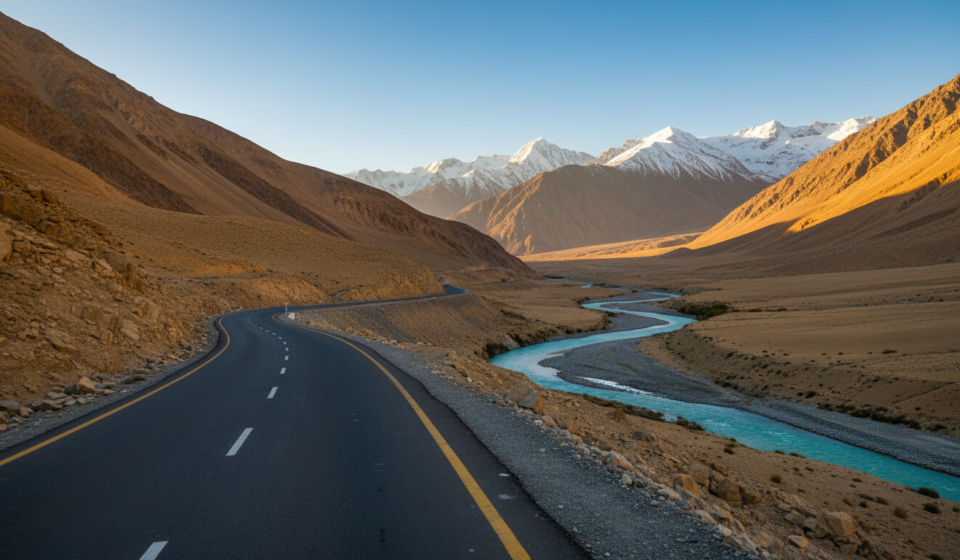
Located in India’s far north, Leh-Ladakh is a high-altitude cold desert known for Stark mountain passes, ancient Tibetan monasteries, and brilliant alpine lakes. Key highlights include Pangong Tso, Nubra Valley’s Hunder sand dunes with double-hump Bactrian camels, Khardung La (17,582 ft), Umling La (the world’s highest motorable pass at 19,024 ft), and Hanle—India’s first designated Dark Sky Reserve.
- Best Time to Visit: May to September (Road passes open; pleasant daytime temperatures).
- Permit Rules & Fees: Indian citizens do not require an Inner Line Permit (ILP). However, you must pay the online Ladakh Environment & Development Fee (EDF) via
lahdclehpermit.in. A standard 7-day trip costs ₹400 for the Environment Fee + ₹20/day Wildlife Fee + ₹50 optional Red Cross contribution (approx. ₹590 total per person). Foreign travelers require a Protected Area Permit (PAP) arranged via registered travel agencies (~₹500 + service charges). - Acclimatization Mandate: If you fly into Leh Kushok Bakula Rimpoche Airport (IXL) at 11,500 feet, local health regulations and mountain safety require a mandatory 48-hour complete rest period in Leh before traveling over high passes like Khardung La to prevent Acute Mountain Sickness (AMS).
- Transit: Reached via direct flights to Leh or overland via the Srinagar–Leh Highway (NH 1) and Manali–Leh Highway (open late May/June to October). For a complete day-by-day plan, refer to The Ultimate Leh Ladakh Itinerary.
2. Srinagar, Gulmarg & Pahalgam (Jammu & Kashmir)
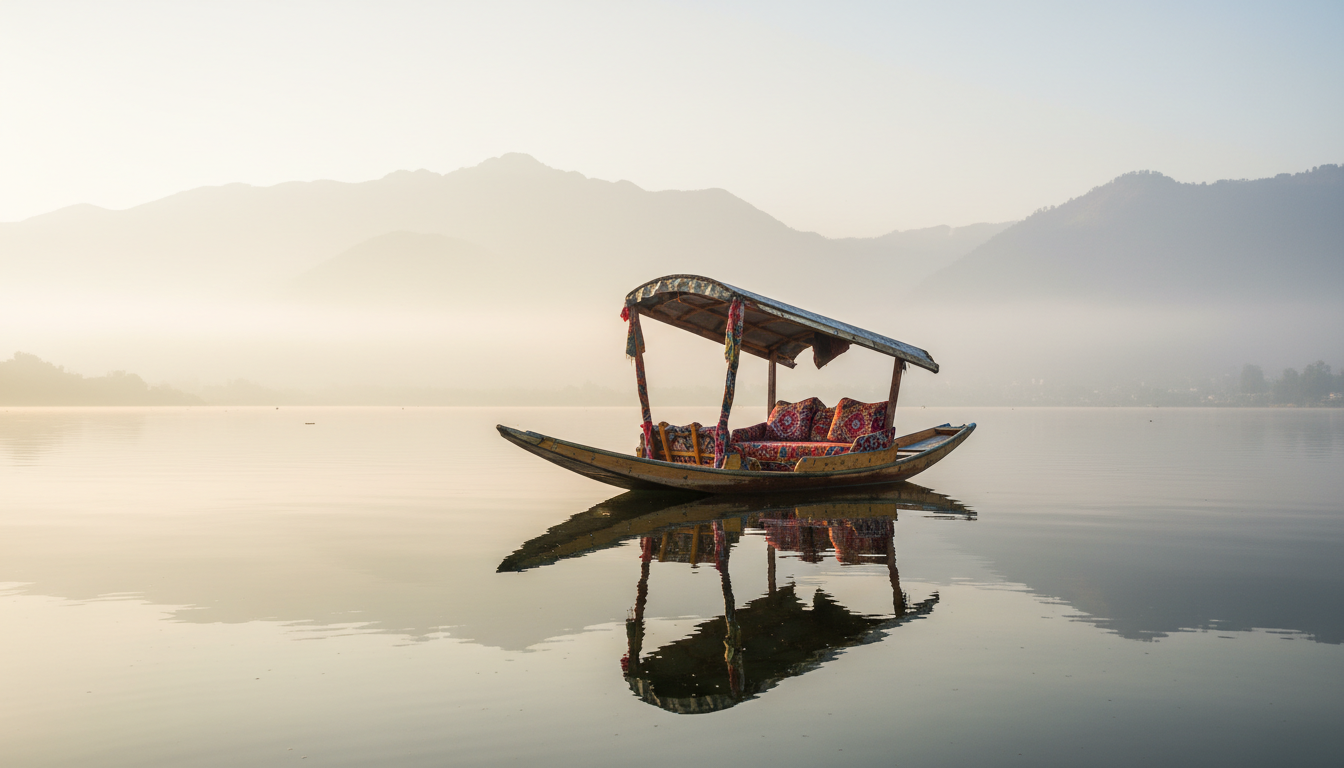
The Kashmir Valley remains one of the premier places to visit in North India. Srinagar offers historic houseboats and wooden shikara rides on Dal Lake. Gulmarg is famed for world-class skiing and high-altitude cable cars, while Pahalgam features pristine pine forests along the Lidder River in Betaab and Aru Valleys.
- Best Time to Visit: March to May (Spring blooms & lush valleys) and December to February (Snow season & skiing).
- Gulmarg Gondola Costs & Rules:
- Phase 1 (Gulmarg to Kongdoori): ₹810 per adult (return).
- Phase 2 (Kongdoori to Apharwat Peak – 13,780 ft): ₹1,010 per adult (return). Combined cost for both phases is ₹1,820 per person.
- Booking Warning: Tickets must be booked 3 to 4 weeks in advance on the official J&K Cable Car portal (
jgc.jk.gov.in). On-spot tickets are restricted or unavailable during peak season.
- 2026 Transit Upgrade: The direct Jammu–Srinagar Vande Bharat Express operates via the historic Chenab Rail Bridge (359 meters above the riverbed), reducing travel time between Jammu Tawi and Srinagar to approximately 4 hours and 45 minutes.
- Local Taxi Union Rule: Local transport union regulations in Pahalgam prevent non-local and Srinagar-registered taxis from conducting local sightseeing to Aru Valley, Chandanwari, and Betaab Valley. Travelers must hire a local union cab at the Pahalgam taxi stand (costs range from ₹2,200 to ₹3,200 depending on the circuit).
3. Spiti Valley (Himachal Pradesh)
Spiti is a cold desert mountain valley perched high in the Himalayas. Key attractions include Key Monastery, Tabo Monastery (established in 996 CE), the Chicham Bridge, Kaza, and Hikkim—home to the world’s highest post office at 14,567 feet.
- Best Time to Visit: Mid-June to October (via Manali) or year-round (via Shimla-Kinnaur road).
- Permits & Fees: Indian citizens do not need permits to enter Spiti. Outside-state personal vehicles entering Lahaul-Spiti are charged a Special Area Development Authority (SADA) entry tax (₹200 for hatchback/sedan cars, ₹300 for SUVs). Visiting Chandratal Lake requires a free e-pass via
eaagman.hp.gov.inplus a ₹150 per person environmental entry fee. Note that camping directly on the banks of Chandratal is strictly prohibited; eco-camps operate 3 to 5 km away from the lake shore. - Route Logistics: Entering via Shimla–Kinnaur provides gradual altitude acclimatization. Coming via Manali takes you through the 9.02 km Atal Tunnel into Lahaul, then over Kunzum Pass (15,060 ft) into Spiti.
4. Varanasi / Kashi (Uttar Pradesh)
Varanasi is one of the world’s oldest continually inhabited cities and the spiritual heartland of India. Key experiences include visiting the transformed Kashi Vishwanath Dham Corridor, watching the evening Ganga Aarti at Dashashwamedh Ghat, attending Subah-e-Banaras at Assi Ghat, taking dawn boat rides, and taking day trips to Sarnath (10 km away).
- Best Time to Visit: October to March (Comfortable winter temperatures).
- Ganga Aarti Boat Ride Costs:
- Shared seat on a wooden rowboat: ₹250 – ₹500 per person.
- Private rowboat: ₹1,500 – ₹3,000.
- Private motorboat (up to 8–10 passengers): ₹3,500 – ₹5,000.
- Transit: Direct access via the New Delhi–Varanasi Vande Bharat Express (Train numbers 22436/22435 and 22416/22415), which completes the journey in around 8 hours.
5. Jaipur (Rajasthan)
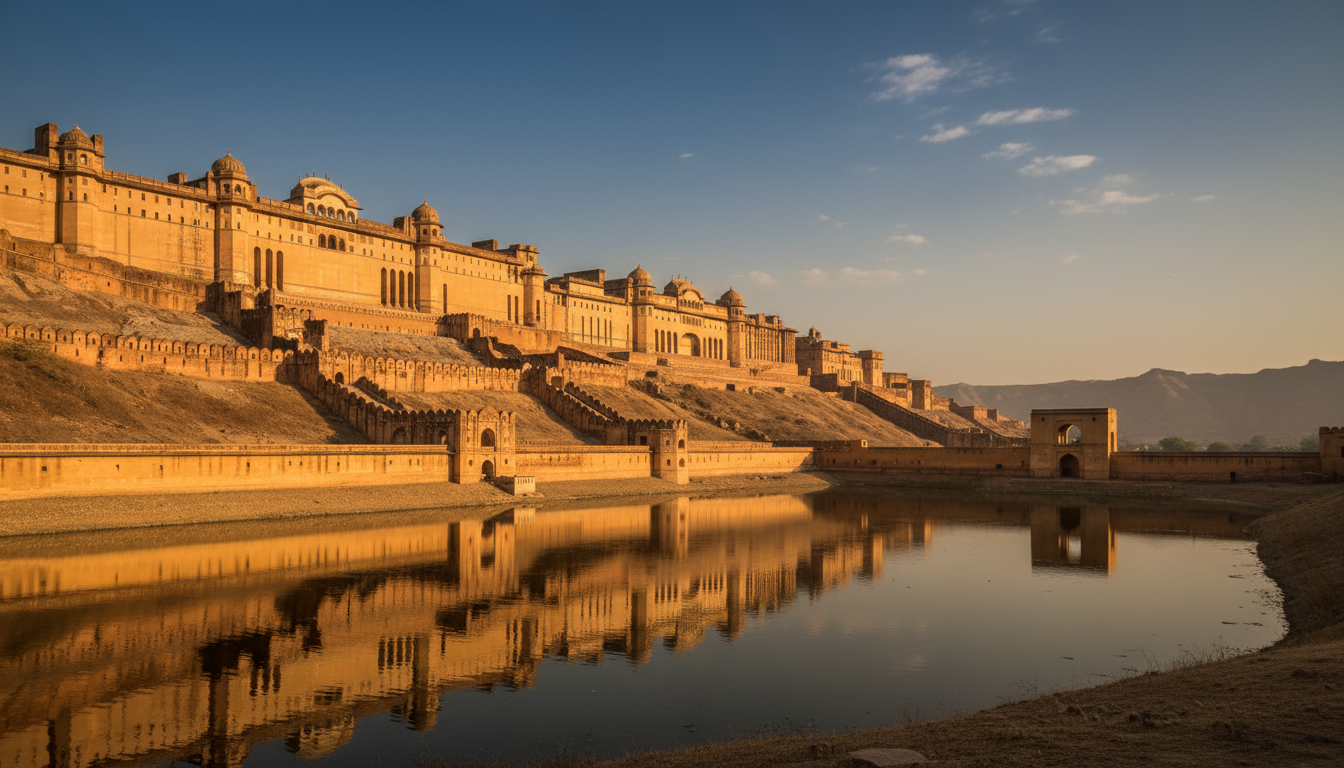
The capital of Rajasthan and part of the Golden Triangle circuit, Jaipur is famous for its pink sandstone architecture, imposing fortresses, and royal heritage. Highlights include Amer Fort, Hawa Mahal, City Palace, Jantar Mantar observatory, and sunset views from Nahargarh Fort.
- Best Time to Visit: October to March.
- Composite Monument Ticket:
- Indian Adults: ₹550 | Indian Students: ₹180.
- Foreign Tourists: ₹1,700 | Foreign Students: ₹800.
- Validity & Access: Valid for 2 consecutive days across 9 major monuments: Amer Fort, Hawa Mahal, Jantar Mantar, Nahargarh Fort, Albert Hall Museum, Sisodia Rani Garden, Vidyadhar Garden, Isarlat Minaret, and the Metro Art Gallery.
- Free Entry Days: Rajasthan Day (March 30), World Heritage Day (April 18), World Museum Day (May 18), and World Tourism Day (September 27).
6. Agra (Uttar Pradesh)
Home to three UNESCO World Heritage Sites, Agra is an essential cultural stop in North India. Key attractions include the Taj Mahal, Agra Fort, Fatehpur Sikri, and Mehtab Bagh.
- Best Time to Visit: October to March.
- Taj Mahal Ticket Prices:
- Indian Citizens / OCI: ₹50 (Complex Entry) + ₹200 (Main Mausoleum optional add-on) = ₹250 Total.
- SAARC / BIMSTEC Nationals: ₹540 + ₹200 = ₹740 Total.
- Foreign Tourists: ₹1,100 + ₹200 = ₹1,300 Total.
- Children (under 15 years): Free entry.
- Crucial Rules: The Taj Mahal is CLOSED every Friday for general tourism (open only for local mosque prayers). Online tickets booked via
asi.paygov.org.inoffer a direct ₹5 discount for Indian tickets and a ₹50 discount for foreign tickets.
7. Amritsar (Punjab)
Amritsar is the cultural and spiritual hub of Sikhism, world-renowned for its architectural beauty, hospitality, and rich Punjabi cuisine. Key sites include Sri Harmandir Sahib (The Golden Temple), Jallianwala Bagh, the Partition Museum, and the daily border ceremony at Wagah.
- Best Time to Visit: October to March.
- Wagah Border Beating Retreat Ceremony:
- Cost: Free entry for all visitors (Seating is first-come, first-served).
- Timings: Winter (Oct–Mar): 4:15 PM – 5:00 PM; Summer (Apr–Sept): 5:15 PM – 6:00 PM.
- Logistics: Leave Amritsar city (30 km away) by 2:30 PM to clear security checkpoints and secure central stadium seats. Large backpacks, handbags, and power banks are prohibited inside the stadium arena.
8. Rishikesh & Haridwar (Uttarakhand)
Situated along the banks of the Holy Ganga, these twin towns combine spiritual heritage with outdoor adventure. Key highlights include the evening Ganga Aarti at Har Ki Pauri (Haridwar) and Triveni Ghat (Rishikesh), white-water rafting from Shivpuri, the Beatles Ashram (Chaurasi Kutia), and wellness retreats.
- Best Time to Visit: September to November & February to April.
- White-Water Rafting Costs: Rates run between ₹600 and ₹1,200 per person depending on the river stretch selected (9 km, 16 km, or 26 km from Marine Drive/Shivpuri to Rishikesh).
- Transit: Connected directly from New Delhi via the Delhi–Dehradun Vande Bharat Express, which makes a scheduled stop at Haridwar Railway Station.
9. Shimla & Manali (Himachal Pradesh)
These two classic hill stations offer cedar-covered slopes, colonial heritage, and gateway access to high-altitude Himalayan passes. Key attractions include Shimla’s Mall Road and Viceregal Lodge, Old Manali, Hadimba Temple, Solang Valley sports, and day trips through the Atal Tunnel to Lahaul Valley.
- Best Time to Visit: March to June (pleasant summer) and December to February (snowfall).
- Rohtang Pass Permit Rules:
- Permit Fee: ₹550 per vehicle (₹500 permit fee + ₹50 congestion charge) issued online via
rohtangpermit.nic.in. Slots release daily at 10:00 AM and 4:00 PM. The pass is closed every Tuesday for environmental maintenance. - Manali Green Tax: Out-of-state vehicles entering Manali pay a ₹200 municipal green tax valid for 7 days.
- Important Bypass Rule: If you are driving through the Atal Tunnel to Sissu or Spiti Valley, you do NOT require a Rohtang Pass permit.
- Permit Fee: ₹550 per vehicle (₹500 permit fee + ₹50 congestion charge) issued online via
10. Udaipur (Rajasthan)
Known as the City of Lakes, Udaipur offers grand palace architecture set against serene water bodies and the Aravalli hills. Key highlights include the massive City Palace complex, sunset boat rides on Lake Pichola, Jagmandir Island, Saheliyon Ki Bari, and evening cultural dance performances at Bagore Ki Haveli.
- Best Time to Visit: October to March.
- Lake Pichola Boat Ride Costs: Municipal row/motorboats operating from Rameshwar Ghat cost between ₹200 and ₹400 per person. Private/luxury boat cruises operating from the City Palace Jetty cost between ₹800 and ₹1,500 per person.
- Itinerary Planning: Read The Ultimate Udaipur Itinerary for a step-by-step 3-day sight-seeing structure.
11. Jim Corbett National Park (Uttarakhand)
India’s oldest national park is premier tiger territory, housing Bengal tigers, wild Asian elephant herds, and over 600 bird species across core zones including Dhikala, Bijrani, Jhirna, Dhela, Garjia, and Phato.
- Best Time to Visit: October to June (Dhikala zone opens annually on November 15).
- Safari Permit Costs & Booking Windows:
- Jeep Safari E-Permit: ₹3,350 government fee per jeep (accommodates up to 6 Indian nationals). Total cost including registered Gypsy rental and mandatory forest guide fees comes to approximately ₹7,000 to ₹8,000 per jeep (~₹1,200–₹1,350 per person for a group of 6).
- Dhikala Canter Safari: Approx. ₹1,770 per seat (16-seater open forest bus).
- Booking Timeline: Safari permits open exactly 45 days in advance on the official portal
corbettonline.uk.gov.in. Night-stay permits inside historic Forest Rest Houses (like Dhikala) sell out almost instantly upon release.
12. Dharamshala & McLeodganj (Himachal Pradesh)
The residence of His Holiness the 14th Dalai Lama and the central Tibetan administration, this region blends Tibetan spiritual culture with pine-forested scenery along the Dhauladhar range. Key visits include the Tsuglagkhang Complex (Dalai Lama Temple), Namgyal Monastery, Bhagsunag Waterfall, vibrant local cafes, and the popular 9 km day trek to Triund.
- Best Time to Visit: March to June and September to November.
13. Nainital & Kumaon Lakes (Uttarakhand)
Set around the eye-shaped Naini Lake, this retreat is ideal for boating, family getaways, and exploring nearby mountain lakes. Key activities include row-boating on Naini Lake, visiting Naina Devi Temple, taking the aerial ropeway cable car to Snow View Point, and exploring surrounding lake towns like Bhimtal, Sattal, and Naukuchiatal.
- Best Time to Visit: March to June and October to December.
- Boating Costs: Standardized rowboat charges on Naini Lake range from ₹300 to ₹500 per boat for a 30 to 45-minute circuit.
14. Jaisalmer (Rajasthan)
Rising out of the Thar Desert, Jaisalmer features golden sandstone architecture. Highlights include Jaisalmer Fort (Sonar Quila—a UNESCO site and living fort where roughly a quarter of the old city population still resides), Patwon Ki Haveli, desert camping amidst the Sam Sand Dunes, camel/jeep safaris, and trips to the Longewala War Memorial.
- Best Time to Visit: October to March.
- Desert Camp Pricing: Overnight packages in Swiss desert tents range from ₹2,500 to ₹7,000 per night. Rates typically include traditional Rajasthani folk dance performances, buffet dinner, breakfast, and a sunset camel safari.
15. Mussoorie & Landour (Uttarakhand)
Located 35 km uphill from Dehradun, Mussoorie and the adjacent historic cantonment town of Landour offer colonial charm, pine trails, and views of the Doon Valley. Key stops include Mussoorie Mall Road, Kempty Falls, George Everest House, Lal Tibba viewpoint, Char Dukan, and Landour Bakehouse.
- Best Time to Visit: March to June and September to November.
- Tip for Quiet Escapes: While Mussoorie gets crowded during peak summer, Landour retains a tranquil atmosphere with strict vehicle limits and preserved heritage walks. If you want more tranquil destinations away from tourist crowds, explore our guide on 15 Hidden Places to Visit in North India.
Estimated Budget for Places to Visit in North India
Planning costs in North India depends heavily on your choice between public transport vs private cabs, and homestays vs heritage properties. Below is a baseline daily cost framework per person for 2026 travel planning.
| Expense Category | Budget Traveler | Mid-Range Traveler | Luxury / Premium |
|---|---|---|---|
| Accommodation | ₹600 – ₹1,200 (Hostels / Homestays) | ₹2,500 – ₹5,000 (3-Star / Boutique Hotels) | ₹10,000 – ₹25,000+ (5-Star / Forts) |
| Meals & Dining | ₹400 – ₹700 (Dhabas / Local Eats) | ₹1,000 – ₹1,800 (Mid-tier Cafes/Restaurants) | ₹3,000 – ₹6,000 (Fine Dining / Palaces) |
| Local Transit | ₹300 – ₹600 (Buses / Shared Autos) | ₹1,200 – ₹2,500 (Private Sedan / Cabs) | ₹4,000 – ₹8,000 (Private SUV / Luxury Cars) |
| Sightseeing & Entry | ₹150 – ₹300 | ₹500 – ₹1,200 | ₹2,000 – ₹5,000 (Safaris, Gondolas, Guides) |
| TOTAL (Per Person / Day) | ₹1,450 – ₹2,800 | ₹5,200 – ₹9,500 | ₹19,000 – ₹44,000+ |
Sample Total Trip Costs (6 to 7 Days, Per Person on Twin-Sharing)
- Golden Triangle (Delhi–Agra–Jaipur): Budget: ₹12,000 | Mid-Range: ₹28,000 | Luxury: ₹75,000+
- Kashmir Circuit (Srinagar–Gulmarg–Pahalgam): Budget: ₹16,000 | Mid-Range: ₹35,000 | Luxury: ₹85,000+
- Leh-Ladakh Tour (7 Days Fly-in): Budget: ₹18,000 | Mid-Range: ₹38,000 | Luxury: ₹90,000+
Practical Itineraries for Places to Visit in North India
Route A: The Heritage & Spiritual Circuit (7 Days)
- Day 1: Arrive in Delhi $\rightarrow$ Drive to Agra via Yamuna Expressway or Gatiman Express. Visit Agra Fort.
- Day 2: Early morning Taj Mahal sunrise visit $\rightarrow$ Drive to Jaipur (visit Fatehpur Sikri en route). Overnight in Jaipur.
- Day 3: Full day Jaipur sightseeing (Amer Fort, Hawa Mahal, City Palace, Jantar Mantar using Composite Ticket).
- Day 4: Morning Nahargarh Fort $\rightarrow$ Express train (Ajmer–Chandigarh Vande Bharat) back to Delhi. Evening flight or overnight train to Varanasi.
- Day 5: Check-in Varanasi $\rightarrow$ Kashi Vishwanath Dham Corridor $\rightarrow$ Evening Ganga Aarti boat ride at Dashashwamedh Ghat.
- Day 6: Subah-e-Banaras at Assi Ghat $\rightarrow$ Half-day excursion to Sarnath. Evening stroll through street food stalls.
- Day 7: Morning boat ride $\rightarrow$ Delhi Return via Delhi–Varanasi Vande Bharat Express (~8 hrs).
Route B: The Mountain & Cold Desert Loop (10 Days)
- Day 1–2: Delhi/Chandigarh $\rightarrow$ Shimla $\rightarrow$ Kinnaur Valley (Kalpa/Sangla). Staying overnight in Kinnaur aids high-altitude acclimatization.
- Day 3–5: Kinnaur $\rightarrow$ Kaza (Spiti Valley). Explore Key Monastery, Hikkim post office, Chicham Bridge, and Tabo Monastery.
- Day 6: Kaza $\rightarrow$ Chandratal Lake (e-pass required). Overnight in designated eco-camps 3 km from the lake.
- Day 7–8: Cross Kunzum Pass $\rightarrow$ Enter Lahaul via Atal Tunnel $\rightarrow$ Manali. Relax in Old Manali.
- Day 9–10: Solang Valley excursion $\rightarrow$ Drive back to Chandigarh/Delhi.
Route C: Himalayan Spiritual & Wellness Escape (5 Days)
- Day 1: Delhi to Haridwar via Delhi–Dehradun Vande Bharat Express (~3.5 hrs). Attend Har Ki Pauri Ganga Aarti.
- Day 2: Haridwar to Rishikesh (30 mins). Visit Laxman Jhula area, Beatles Ashram, and Triveni Ghat.
- Day 3: Morning white-water rafting from Shivpuri (16 km stretch) $\rightarrow$ Drive to Mussoorie/Landour.
- Day 4: Explore Landour (Char Dukan, Lal Tibba) and George Everest House in Mussoorie.
- Day 5: Kempty Falls visit $\rightarrow$ Drive down to Dehradun Airport/Railway Station for return journey to Delhi.
Common Pitfalls & Travel Mistakes to Avoid
- Buying Unnecessary Vehicle Permits for Sissu / Spiti: Thousands of travelers hire agents or pay extra for a Rohtang Pass permit when they only plan to travel through to Sissu, Lahaul, or Spiti. Transiting through the Atal Tunnel does NOT require a Rohtang Pass permit.
- Unofficial Resellers & Fake Permit Sites: Unofficial third-party sites frequently charge inflated fees for Corbett safari permits and fake “Ladakh Inner Line Permits.” Always use official state portals:
corbettonline.uk.gov.infor Corbett,lahdclehpermit.infor Ladakh EDF, androhtangpermit.nic.infor Rohtang. - Visiting Outer Hill Stations During Peak Monsoon (July–August): Heavy rains frequently cause landslides and road blockages in Shimla, Manali, Nainital, and Mussoorie. If traveling in July or August, head instead to trans-Himalayan rain-shadow zones like Leh-Ladakh or Spiti Valley, which remain dry and open.
- Delaying High-Demand Bookings: Corbett Dhikala forest rest house nights sell out within seconds of opening 45 days ahead. Gulmarg Phase 2 Gondola tickets sell out weeks in advance. Always secure these reservations before locking in non-refundable flights.
How TravelDham Helps Plan Your North India Trip
Navigating multiple local taxi unions, permit platforms, and strict booking windows can add stress to your holiday planning. TravelDham simplifies your journey with complete logistics coordination:
- High-Altitude Road Trips: We manage Ladakh EDF payments, acclimatization stays, union-compliant vehicles, and oxygen-equipped cars for seamless travel across Ladakh and Spiti.
- Hard-to-Secure Reservations: Our desk assists in tracking verified inventory for Gulmarg Phase 2 Gondola tickets and Jim Corbett Dhikala forest permits.
- Custom Family & Senior Packages: From wheelchair-assisted darshan visits at Kashi Vishwanath to boutique heritage properties in Rajasthan, we design itineraries tailored to your family’s pace.
Frequently Asked Questions
Do Indian citizens need an Inner Line Permit (ILP) to visit Ladakh or Spiti?
No. Indian citizens do not need an Inner Line Permit for either destination. For Spiti Valley, Indian nationals can travel freely without entry permits. For Ladakh, Indian citizens must pay the mandatory online Ladakh Environment & Development Fee (EDF) of ₹400 plus nominal daily wildlife charges via lahdclehpermit.in.
Do I need a Rohtang Pass permit to travel from Manali to Lahaul or Spiti via the Atal Tunnel?
No. The Rohtang Pass vehicle permit (₹550) is only required if you drive up directly to Rohtang Pass itself. If you travel to Lahaul, Sissu, or Spiti Valley through the Atal Tunnel, no Rohtang permit is needed.
What is the minimum advance window required for booking the Gulmarg Gondola and Corbett Safaris?
Gulmarg Gondola tickets (especially Phase 2 to Apharwat Peak) should be booked 3 to 4 weeks in advance on jgc.jk.gov.in. Jim Corbett safari permits open exactly 45 days in advance at 10:00 AM on corbettonline.uk.gov.in, and Dhikala stay permits sell out within seconds.
Are outstation taxis allowed for local sightseeing inside Pahalgam?
No. Local taxi union regulations in Pahalgam prohibit vehicles registered outside the local union (including Srinagar cabs and self-drive cars) from taking tourists to Betaab Valley, Aru Valley, and Chandanwari. You must hire a local union taxi at the Pahalgam taxi stand.
Which destinations in North India are safe to visit during the monsoon season (July–August)?
While mainstream hill stations like Shimla, Manali, and Mussoorie face landslide risks during peak monsoon, trans-Himalayan rain-shadow regions like Leh-Ladakh and Spiti Valley receive negligible rainfall and are in peak travel season during July and August.