
The coastal town of Puducherry, widely recognized as Pondicherry, presents an unusual historical synthesis where the legacy of French colonialism intersects with deep-rooted Tamil heritage. Walking through its distinct quarters reveals a clear architectural division, split by a canal that once separated European settlers from the native population. For travelers planning a journey to this quiet enclave on the Bay of Bengal, understanding what are the places to visit in pondicherry becomes essential to experiencing its true character. The destination offers a slow-paced lifestyle, coastal beauty, and spiritual sanctuary, making it a compelling escape from India’s busier urban centers. This guide provides a detailed analysis of these landmarks, offering practical insights to assist in structuring a well-balanced travel itinerary.
Key Takeaways
- Unique Dual Heritage: Pondicherry features a distinct layout split into the colonial French Quarter (White Town) and the traditional Tamil Quarter.
- Must-Visit Landmarks: Key attractions include the serene Sri Aurobindo Ashram, the futuristic township of Auroville, and the rocky Promenade Beach.
- Convenient Local Commute: Renting a two-wheeler (scooter or bicycle) is the most efficient and budget-friendly way to explore the town.
- Best Travel Window: The cooler winter months from October to March offer the most pleasant weather for sightseeing.
- Coastal Escape: Beautiful beaches like Paradise Beach are accessible via short, scenic ferry rides.
Understanding the Allure of Pondicherry
Pondicherry occupies a unique position in Indian geography and history. Originally a fishing village, it became the chief French settlement in India during the late seventeenth century. Unlike other coastal cities that experienced rapid modernization, Pondicherry preserved its architectural layout and historical pacing. This preservation remains visible in the grid-like pattern of the streets, the plaster walls of the colonial villas, and the deliberate preservation of heritage structures.
The town maintains a dual layout (separated by an old canal) that splits the French and Tamil communities. The French side features stately mansions, arched gateways, and high compound walls. In contrast, the Tamil Quarter showcases traditional house structures with large verandas, known as thinnai, and intricate wooden pillars. It is this structural contrast that defines the cultural situation of the town. Visiting this coastal enclave is not merely about sightseeing. It is basically about experiencing a slower tempo of life where the sea breeze and the shade of ancient trees create an environment conducive to reflection.
What Are the Places to Visit in Pondicherry
Identifying what are the places to visit in pondicherry is a matter of matching individual interests with the town’s unique geography. The municipal area and its surrounding districts contain a diverse array of landmarks, ranging from colonial administrative structures to modern ecological experiments. To help travelers categorize these destinations, the following sections detail the prominent locations that define the region’s heritage.
| Attraction Name | Ideal Visit Duration | Entry Fee / Ticket Cost | Best Time to Visit |
|---|---|---|---|
| Sri Aurobindo Ashram | 1–2 Hours | Free Entry | 8:00 AM – 12:00 PM & 2:00 PM – 6:00 PM |
| Matrimandir (Auroville) | 3–4 Hours | Free (Prior booking required for inner chamber) | Morning hours (Pre-booked slots) |
| Paradise Beach | 2–3 Hours | Entry free (Ferry cost: INR 300–400 approx.) | 9:00 AM – 4:00 PM (Ferry timings) |
| Arikamedu Ruins | 1 Hour | Free Entry | Early Morning or Late Afternoon |
The French Quarter (White Town)
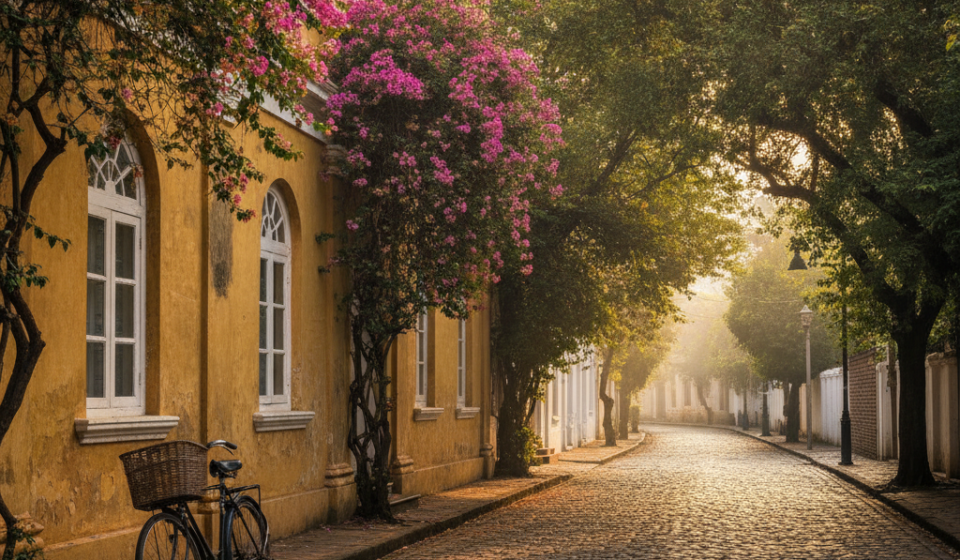
When cataloging what are the places to visit in pondicherry, the French Quarter, or White Town, stands as the undeniable architectural centerpiece. Characterized by quiet, cobblestone streets named “Rue,” this neighborhood offers a direct window into eighteenth-century French colonial planning. Key architectural highlights of this district include:
- Vibrant Pastel Facades: Buildings are famously painted in shades of mustard yellow, peach, and white, adorned with beautiful bougainvillea.
- European Design Elements: Structures use massive arched windows, high ceilings, and internal courtyards designed to optimize ventilation.
- Historical Landmarks: Prominent structures include the Consulate General of France, the Pondicherry Museum, and the Raj Nivas.
- Heritage Accommodations: Many historic villas now operate as boutique hotels, art galleries, and cafes, allowing visitors to appreciate the interior craftsmanship in a relaxed setting.
Promenade Beach and the Seafront
No assessment of what are the places to visit in pondicherry is complete without mentioning the Promenade Beach. Stretching approximately 1.5 kilometers along the Bay of Bengal (depending on how the beach boundaries are measured), this seafront boulevard serves as the social heart of the town. It is a paved walkway bordered by rocky barriers designed to prevent coastal erosion, offering clear views of the sea. Several important monuments are positioned along this stretch. The four-meter-tall statue of Mahatma Gandhi, surrounded by eight granite pillars, forms the focal point. Nearby lies the French War Memorial, built to honor the soldiers of the First World War. Additionally, the Old Lighthouse stands as a reminder of Pondicherry’s maritime trading past. The promenade becomes a pedestrian-only zone in the evening.
Auroville and the Matrimandir
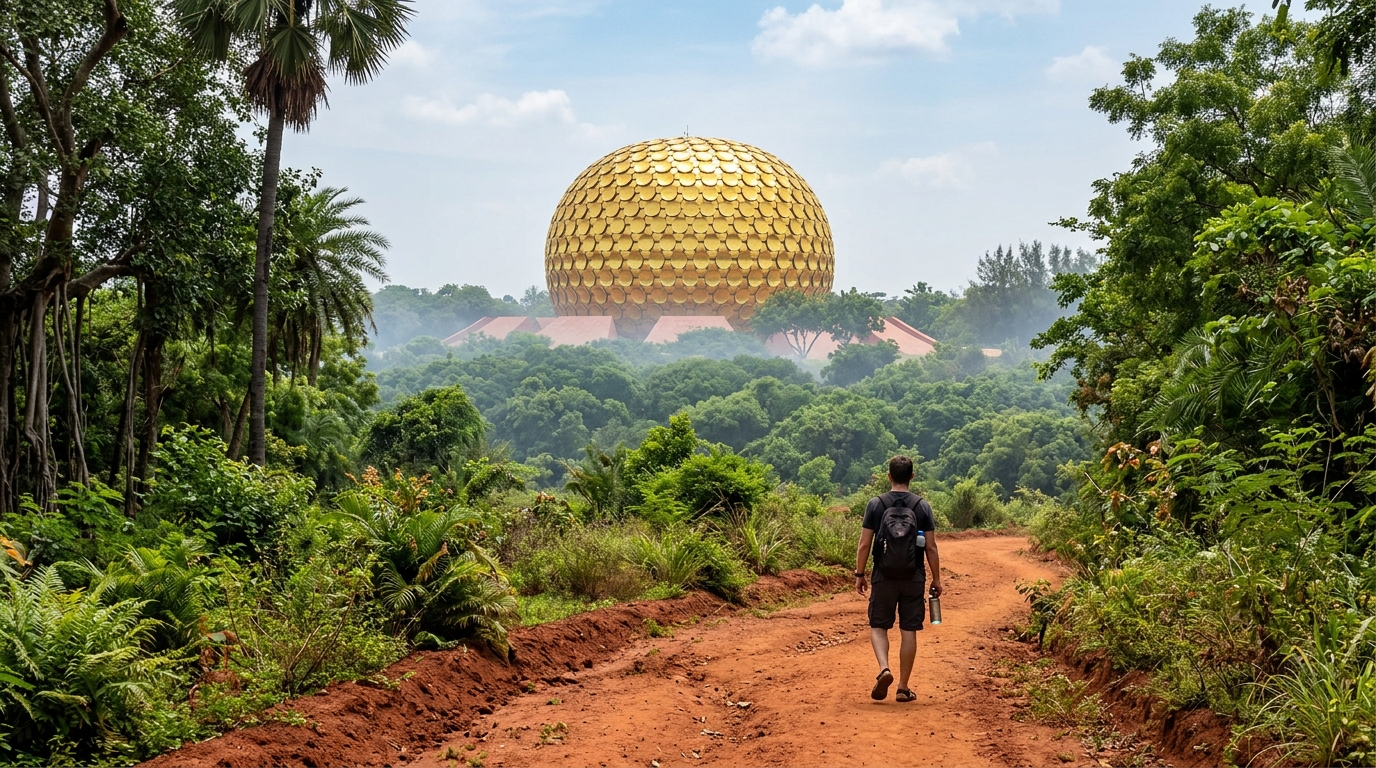
Beyond the municipal limits, when people inquire about what are the places to visit in pondicherry, the experimental township of Auroville is inevitably suggested. Founded in 1968 by Mirra Alfassa, known as “The Mother,” and designed by French architect Roger Anger, Auroville was established as an international town dedicated to human unity and sustainable living. At the center lies the Matrimandir, a massive golden sphere that serves as a silent meditation center. The exterior is covered in gold-plated discs, while the interior houses a stark white chamber containing the largest optically perfect glass globe in the world. Viewing the Matrimandir requires advance planning, as casual tourists are permitted only at an external viewing point after a short walk through a shaded forest pathway.
Sri Aurobindo Ashram
For those exploring the spiritual history of the region, the Sri Aurobindo Ashram is central to what are the places to visit in pondicherry. Established in 1926 by Sri Aurobindo Ghosh, the ashram grew under the guidance of Mirra Alfassa. It has evolved into a global spiritual center, attracting thousands of seekers who follow the philosophy of Integral Yoga. The ashram is integrated directly into the urban environment, consisting of numerous buildings spread across White Town. The central building houses the Samadhi, the marble tomb where the physical remains of Sri Aurobindo and the Mother are laid to rest. This courtyard is kept in absolute silence, shaded by a large frangipani tree, where devotees sit to meditate daily.
Paradise Beach and Chunnambar Boathouse
Coastal recreation is another major element, and when determining what are the places to visit in pondicherry for pristine waters, Paradise Beach is the premier recommendation. Also known as Plage Paradiso, this beach is located at Chunnambar, approximately eight kilometers south of the town center. To access Paradise Beach, visitors must travel to the Chunnambar Boathouse and board a ferry. This boat transit takes passengers through mangrove forests and quiet backwaters. Upon arrival, visitors find a clean coastline characterized by fine, golden sand and relatively calm waters. The local tourism department has developed basic infrastructure on the beach, including changing rooms and eco-friendly shelters. The beach remains undeveloped overnight, preserving its natural state.
Arikamedu Archaeological Site
For archaeology enthusiasts studying what are the places to visit in pondicherry, the ruins of Arikamedu provide a fascinating historical window. Located on the bank of the Ariyankuppam River, roughly four kilometers from the main town, this site was once an active Indo-Roman trading center. Historical records from the Archaeological Survey of India (ASI) indicate that Arikamedu was an active Roman trading port as early as the 1st century BCE. Excavations conducted here by British archaeologist Sir Mortimer Wheeler in the 1940s revealed significant quantities of Roman artifacts, including red-glazed Arretine tableware and Roman coins. Today, the site is relatively quiet, marked by the brick ruins of ancient warehouses, serving as a physical testament to ancient global connections.
The Heritage Temples and Churches
In terms of religious monuments, deciding what are the places to visit in pondicherry requires a balance of European cathedrals and ancient Dravidian temples. The Basilica of the Sacred Heart of Jesus is a prominent landmark on South Boulevard, representing an exceptional example of Gothic Revival architecture with rare stained-glass panels depicting events from the life of Christ. In contrast, the Tamil Quarter houses the ancient Sri Manakula Vinayagar Temple. Dedicated to Lord Ganesha, this temple existed before the French arrival in 1674. It is famous for its golden chariot, carved stone pillars, and painted ceilings, offering an authentic sensory immersion into Tamil Hindu traditions.
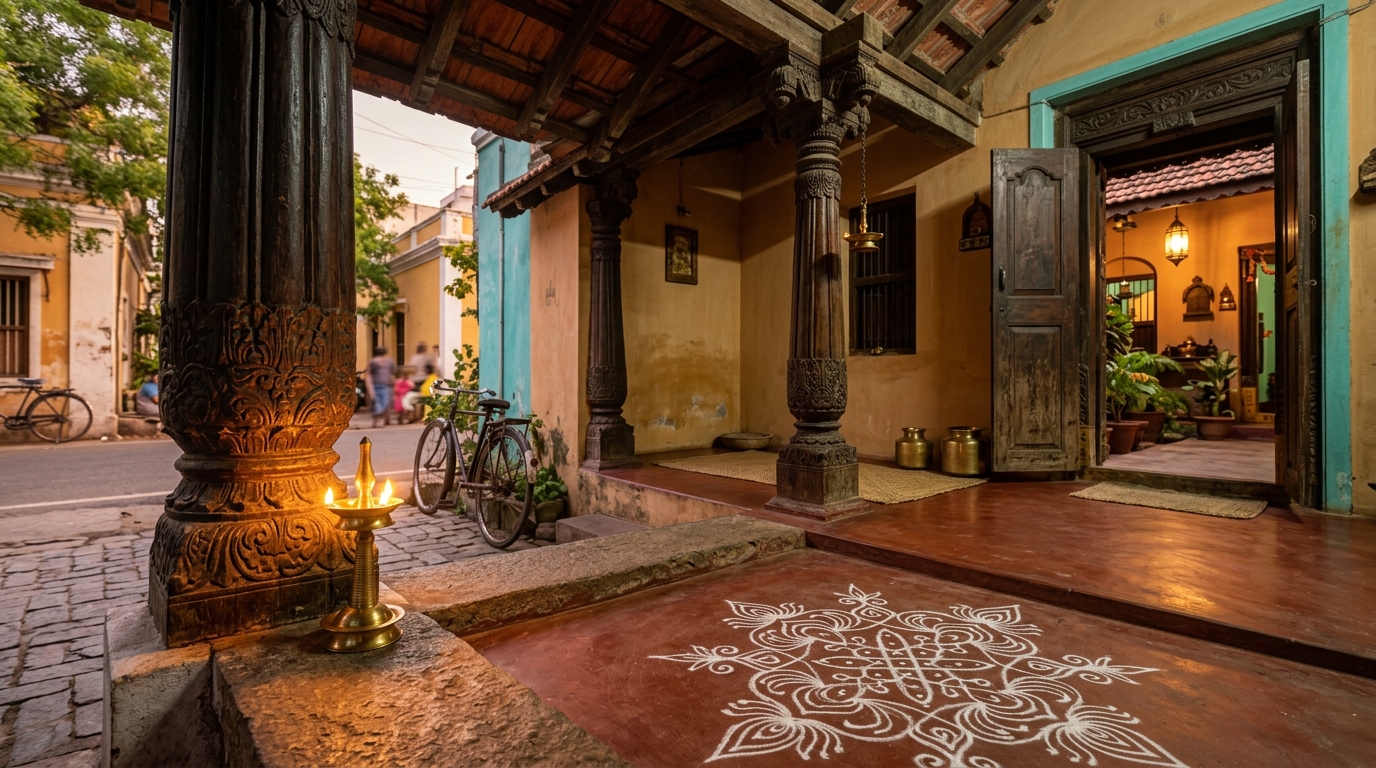
Exploring the Cultural Blend: French vs. Tamil Quarter
To further simplify the decision of what are the places to visit in pondicherry, it is helpful to categorize the landmarks by their cultural quarters. Those seeking colonial history will focus on the east, while those looking for native traditions will find what are the places to visit in pondicherry concentrated in the west. The table below categorizes what are the places to visit in pondicherry to help organize daily sightseeing based on these quarters.
| Feature | French Quarter (White Town) | Tamil Quarter (Heritage Area) |
|---|---|---|
| Architectural Style | Colonial French with neoclassical facades and high arched windows. | Vernacular Tamil with thinnai (verandas) and carved wooden pillars. |
| Primary Landmarks | Raj Nivas, French Consulate, Notre Dame des Anges. | Sri Manakula Vinayagar Temple, local bazaars, heritage Tamil homes. |
| Street Layout | Symmetrical, grid-based, quiet tree-lined boulevards. | Organic, dense, narrow lanes with active street fronts. |
| Atmosphere | Quiet, reflective, focused on cafes and art galleries. | Energetic, mercantile, focused on traditional daily commerce. |
This classification helps visitors select what are the places to visit in pondicherry based on limited vacation time. It ensures that travelers do not miss the subtle cultural details that make Pondicherry more than just a typical beach town. The French Quarter offers serene, quiet walking lanes. But still, the lively energy of the Tamil Quarter remains highly appealing.
Practical Guide for Travelers in Pondicherry
Before finalizing the checklist of what are the places to visit in pondicherry, understanding local logistics ensures a smoother journey. Pondicherry is well-connected by road to Chennai, which houses the nearest international airport approximately 150 kilometers away. Transportation remains a key factor when deciding what are the places to visit in pondicherry on a budget. For local commuting, renting a two-wheeler is highly recommended. It offers the flexibility to travel through the narrow lanes of the Tamil Quarter and the quiet avenues of White Town easily. To ensure a safe and organized vacation, consider the following practical travel tips:
- Local Transportation: Renting a scooter or bicycle is the most efficient way to travel. Daily rental rates are modest, typically ranging from INR 300 to INR 500 depending on the vehicle model.
- Appropriate Dress Code: While the beaches and cafes are modern, visiting religious places and the Sri Aurobindo Ashram requires modest clothing that covers shoulders and knees.
- Hydration and Sun Protection: The coastal climate is consistently humid. Travelers should carry umbrellas, sunglasses, and high-quality sun protection, especially during afternoon tours.
- Travel Packages: To simplify booking and logistics, exploring curated Pondicherry tour packages can help arrange local transport, hotel bookings, and guided heritage walks.
- Travel Coverage: For comprehensive planning, securing travel arrangements through trusted domestic travel packages ensures reliable coordination of all transport and local excursions.
For international visitors, knowing what are the places to visit in pondicherry can also influence where they choose to stay. Booking a heritage hotel within White Town provides immediate access to the seafront, while staying near the outer limits offers a quieter, more nature-centric experience.
Recommended Itinerary for a Complete Experience
To help travelers organize their time, here is a structured layout of what are the places to visit in pondicherry over a standard three-day weekend. This itinerary balances spiritual exploration, architectural appreciation, and coastal relaxation.
Day 1: The French Heritage and Seaside Walks
On the first day, focus on what are the places to visit in pondicherry that lie within the quiet streets of the French Quarter. Plan your day as follows:
- Morning: Take a quiet walking tour of White Town to admire the yellow colonial villas and the historic Raj Nivas.
- Midday: Visit the beautiful Eglise de Notre Dame des Anges and experience the peaceful Sri Aurobindo Ashram.
- Evening: Take a relaxing stroll along the Promenade Beach to view the landmark Mahatma Gandhi Statue.
Day 2: Spiritual Unity and Tamil Heritage
The second day expands the exploration to what are the places to visit in pondicherry that require travel outside the municipal center, such as Auroville. Follow this suggested schedule:
- Morning: Depart early to secure a viewing spot for the majestic golden dome of the Matrimandir in Auroville.
- Afternoon: Return to the main town to explore the Heritage Tamil Quarter, paying close attention to the unique architecture of traditional homes.
- Late Afternoon: Visit the historic Sri Manakula Vinayagar Temple to observe its beautifully carved stone pillars and painted ceilings.
Day 3: Coastal Escapes and Ancient Ports
Conclude the third day by visiting what are the places to visit in pondicherry that highlight the natural coastline and ancient history. Use this flow:
- Morning: Take a ferry from Chunnambar Boathouse to the pristine and relaxing Paradise Beach.
- Afternoon: Travel south to explore the historic Arikamedu archaeological site and discover ancient Roman trade connections.
- Evening: Wrap up your trip by shopping for authentic handicrafts and textiles in the bustling local markets.
Frequently Asked Questions (FAQs)
What is the best time of year to visit Pondicherry?
The winter season between October and March is ideal, as the cooler climate makes touring what are the places to visit in pondicherry highly comfortable. Temperatures range from 15 to 30 degrees Celsius, which is perfect for outdoor walking tours and beach activities. Summers can be intensely hot and humid.
How many days are sufficient to explore Pondicherry?
A three-day stay is generally sufficient to experience what are the places to visit in pondicherry without feeling rushed. This duration allows for a dedicated day in White Town, a full day trip to Auroville, and another day for beach excursions and historical sites like Arikamedu.
Is Pondicherry safe for solo female travelers?
Pondicherry is widely considered one of the safest destinations in India. Local authorities prioritize security, making the task of exploring what are the places to visit in pondicherry safe and pleasant for everyone. However, standard travel precautions should still be observed.
How do you commute locally within Pondicherry?
Commuting to what are the places to visit in pondicherry is highly convenient using rented two-wheelers. Auto-rickshaws are also widely available, though walking remains the best way to appreciate the architectural details of the French Quarter.
Conclusion
Pondicherry remains a remarkable destination that bridges colonial history with traditional Indian seaside living. Deciding what are the places to visit in pondicherry depends entirely on individual travel preferences, whether one seeks the architectural quiet of White Town, the spiritual focus of the Sri Aurobindo Ashram, or the natural beauty of Paradise Beach. By organizing a structured itinerary and understanding the local transport logistics, travelers can experience the complete depth of this dual-heritage gem. From the golden dome of Auroville to the stone temples of the Tamil Quarter, Pondicherry offers an enriching, slow-paced coastal experience that lingers long after the journey concludes.