
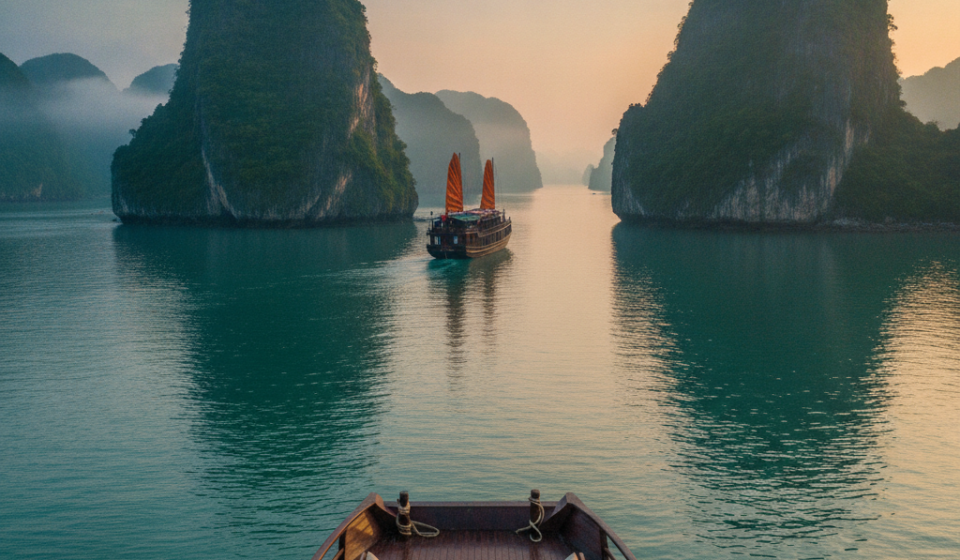
Vietnam Visa Cost for Indians in 2026: A Detailed Breakdown of Fees and Payment Methods

Planning a holiday or business trip to Southeast Asia brings Vietnam to the forefront of modern travel discussions. With its limestone karsts, historical quarters, and acclaimed culinary traditions, it has become a primary choice for outbound Indian travellers. However, securing the appropriate entry clearance is the first major logistical step. Budgeting for this requires a clear understanding of the actual visa for vietnam from india cost, which varies depending on the specific visa type, entry frequency, and selected processing times. While the official digital portal is designed to facilitate direct applications, managing hidden transaction charges and foreign exchange fluctuations can occasionally complicate the process.
Understanding these financial structures beforehand remains the most effective way to avoid unexpected travel delays and budget overruns. The regulatory requirements in 2026 have eased several aspects of entry, yet travelers must remain vigilant regarding the precise expenses involved. This detailed guide breaks down all official fees, administrative charges, potential payment gateways, and helpful strategies to keep the application process as affordable as possible.
Key Takeaways
- Standard Cost: The official government fee is $25 USD (approx. ₹2,080 – ₹2,150) for single entry and $50 USD (approx. ₹4,160 – ₹4,300) for multiple entry eVisas.
- Extended Validity: Both tourist and business eVisas now offer a stay of up to 90 days.
- Strict No-Refund Policy: Government fees are entirely non-refundable, meaning typographical mistakes require a brand-new application and fee.
- Hidden Bank Fees: Currency conversion and international transaction markups of 2% to 3.5% may apply.
- Advance Planning: Applying 10 to 14 days in advance helps avoid costly emergency processing fees.
Vietnam Visa Options for Indian Citizens in 2026
To set up a proper travel budget, it is necessary to identify which entry path best fits the intended itinerary. Vietnam offers Indian passport holders a few primary methods of entry, though the electronic visa (eVisa) has overwhelmingly become the standard choice. Understanding the baseline visa for vietnam from india cost helps prevent unexpected financial surprises at the border or during the online application process.
The electronic visa system is highly efficient and covers tourist, business, and transit purposes. It is a digital application system designed to replace traditional embassy visits. Most leisure travelers choose this route due to the following benefits:
- Broad Purpose Coverage: Valid for tourism, business, and transit.
- 90-Day Maximum Stay: A major modernization of the country’s travel policies.
- Single or Multiple Entry: Selectable options depending on your itinerary.
- Zero Physical Paperwork: Eliminates the need to mail passports to an embassy or wait in long airport queues.
It represents a notable modernization of the country’s travel policies, designed specifically to encourage tourism from fast-growing markets like India.
But still, there are specific circumstances where alternative visa types are utilized. The Visa on Arrival (VOA) is still technically operational, though its scope has changed dramatically. Today, obtaining a VOA is largely restricted to emergency travel or pre-arranged group tours organized by authorized Vietnamese travel agencies. To use this option, travelers must obtain a physical Letter of Approval (LOA) before boarding their flight, which adds separate agency fees to the final bill. The diplomatic and official visa channels exist as well, though these are strictly reserved for government officials and diplomatic passport holders, meaning they are generally exempt from standard commercial fees.
Breakdown of the Visa for Vietnam from India Cost
When calculating the total visa for vietnam from india cost, travelers must differentiate between the different entry frequencies and stay durations. The Vietnamese government maintains a fixed tariff for processing applications, which is billed in United States Dollars (USD). Because exchange rates fluctuate daily, the cost in Indian Rupees (INR) will shift slightly depending on the exact date of payment.
The standard visa for vietnam from india cost for a tourist itinerary remains a crucial factor when choosing between a single-entry or a multiple-entry permit. A single-entry eVisa allows a traveler to enter Vietnam once and stay for up to 90 days (depending on how the border authorities calculate the entry date). If the traveler leaves the country to visit neighboring nations like Laos or Cambodia, the visa becomes invalid immediately. For those planning a more complex regional itinerary, the multiple-entry eVisa is required. This option allows unlimited entries and exits within the 90-day validity window, which is highly practical for regional explorers.
Here is a structured overview of the official government fees applicable to Indian citizens in 2026:
| Visa Type | Entry Type | Validity Period | Official Government Fee (USD) | Approximate Cost (INR) |
|---|---|---|---|---|
| Tourist eVisa | Single Entry | Up to 90 days | $25 USD | ₹2,080 – ₹2,150 |
| Tourist eVisa | Multiple Entry | Up to 90 days | $50 USD | ₹4,160 – ₹4,300 |
| Business eVisa | Single Entry | Up to 90 days | $25 USD | ₹2,080 – ₹2,150 |
| Business eVisa | Multiple Entry | Up to 90 days | $50 USD | ₹4,160 – ₹4,300 |
| Visa on Arrival (VOA) | Single Entry (Requires LOA) | Up to 30 days | $25 USD (Stamping Fee) | ₹2,080 + Agency LOA Fee |
As the table shows, this standardizes the core visa for vietnam from india cost at a manageable rate for those who manage their applications independently. However, while looking at the visa for vietnam from india cost, business travelers must prepare for additional documentation requirements. Business eVisas require a sponsoring company in Vietnam to upload hosting documents, which can sometimes incur separate corporate administrative charges. The visa fee paid to the immigration department, however, remains identical to the tourist counterpart.
Understanding Government Fees vs Service Fees
To accurately assess the visa for vietnam from india cost, one must look at the division between the non-refundable government fee and the service fees charged by agencies. The government fee is the mandatory charge levied by the Vietnam Immigration Department to review and process the application. Crucially, this payment is entirely non-refundable, meaning that if an application is rejected or delayed due to a typo, the money is lost. In such cases, the system does not credit the original payment toward a new application; instead, a completely new submission and second payment are required.
Some travelers attempt to lower their overall visa for vietnam from india cost by managing the process on the official portal. While this is the cheapest option, it requires meticulous attention to detail. Any mismatch between the passport details and the form (such as inverted names or low-resolution photo uploads) will result in a processing delay, which inevitably adds to the total visa for vietnam from india cost if not handled in time for the flight.
The direct government route is highly economical but carries zero room for administrative error. When time is short, utilizing specialized support services is often a necessary investment to safeguard travel plans.
Some argue that direct applications are always superior. They are not entirely wrong, but third-party processing provides a crucial safety net for urgent travel plans (which is typical for Southeast Asian tourist eVisas). For travellers who prefer to avoid administrative hurdles, professional visa assistance is a highly practical choice. Agencies can simplify the process, but they increase the total visa for vietnam from india cost by adding a service charge. This service fee covers standard items such as:
- Document Pre-Screening: Reviewing forms to catch name typos or incorrect passport numbers before submission.
- Professional Photo Editing: Guaranteeing that passport photos meet exact background and size parameters.
- Real-time Tracking: Active monitoring of your application’s status to resolve delays immediately.
- Expedited Channels: Providing options for priority processing in case of emergency.
Depending on the level of urgency, service fees can range from $15 USD to more than $60 USD for emergency, same-day processing. For peace of mind and professional assistance, choosing professional visa services can save both time and money in the long run.
| Processing Type | Standard Turnaround | Typical Service Fee Range | Ideal Scenario |
|---|---|---|---|
| Official Government Portal | 3 – 5 Business Days | $0 (Only pay government fee) | Ample time before departure (at least 2 weeks) |
| Standard Agency Support | 2 – 4 Business Days | $15 – $25 USD | Desire to avoid form mistakes and ensure rejection safety |
| Urgent processing | 1 Business Day | $30 – $45 USD | Last-minute flights or unexpected business travel |
| Super Express / Emergency | 4 – 8 Hours | $50 – $80 USD | True emergency travel departures |
Step-by-Step Payment Methods for Vietnam eVisa
When paying the visa for vietnam from india cost online, specific steps must be followed to ensure the transaction completes successfully. The official government portal uses international payment gateways that accept major credit cards, debit cards, and electronic wallets. However, because the system is hosted on Vietnamese servers, Indian cards can sometimes encounter security blocks or payment failures.
To successfully handle the payment page and settle the visa fee, applicants should follow this structured process:
- Access the Official Portal: Navigate to the authorized immigration website for Vietnam. This platform is where the primary visa for vietnam from india cost is settled. Avoid using third-party copycat sites that mimic the layout but charge hidden markups.
- Fill the Application Form: Enter all personal information, travel dates, passport numbers, and entry ports. Ensure that the uploaded portrait photo is a professional 4×6 cm image with a white background and no glasses.
- Review and Generate Registration Code: Double-check every field for typos. Once submitted, the system will generate a unique registration code, which must be saved to track the status later.
- Proceed to the Payment Gateway: Select the integrated electronic payment gateway option. This is typically processed via local Vietnamese payment facilitators like Payoo or international merchant services.
- Enter Card Credentials: Use an Indian credit or debit card that has international transactions enabled. Enter the cardholder details, expiration date, and CVV code.
- Authorize the Transaction: Complete the 3D-Secure verification step (usually via an OTP sent to the registered mobile number) to finalize the payment.
By executing these steps carefully, applicants can finalize their transaction successfully, keeping the direct visa for vietnam from india cost at exactly the government baseline. However, it is vital to remember that foreign transaction markups can silently inflate the visa for vietnam from india cost. Most Indian banks charge a markup of 2% to 3.5% for currency conversion when a transaction is processed in USD, which will be visible on the credit card statement a few days later.
Hidden Costs and How to Avoid Them
To keep the final visa for vietnam from india cost as low as possible, travelers must be aware of several indirect fees that can quickly accumulate. One of the most common surprises is the currency exchange loss. Since the portal bills in USD, paying with an INR-denominated card means the bank will convert the currency, often using a less-than-favorable retail rate.
Additionally, submitting inaccurate photos or details will elevate the visa for vietnam from india cost because the immigration department will reject the application without a refund, forcing the applicant to pay the government fee all over again. If an emergency arises and the visa must be expedited, express agency fees can quickly reach up to $80 USD, which is a critical aspect of managing the total visa for vietnam from india cost.
Here are the best practices to minimize extra expenses:
- Enable International Transactions: Call your bank to activate international payments on your card before attempting to pay the online fee. This avoids failed transaction penalties.
- Use Zero-Markup Forex Cards: Utilizing a specialized global travel card can save up to 3.5% in bank conversion fees on the portal.
- Double-Check Biographical Data: Ensure your full name, birth date, and passport number match the passport’s machine-readable zone exactly.
- Plan at Least Two Weeks in Advance: Avoid costly rush fees by applying for the eVisa at least 10 to 14 days before your scheduled departure.
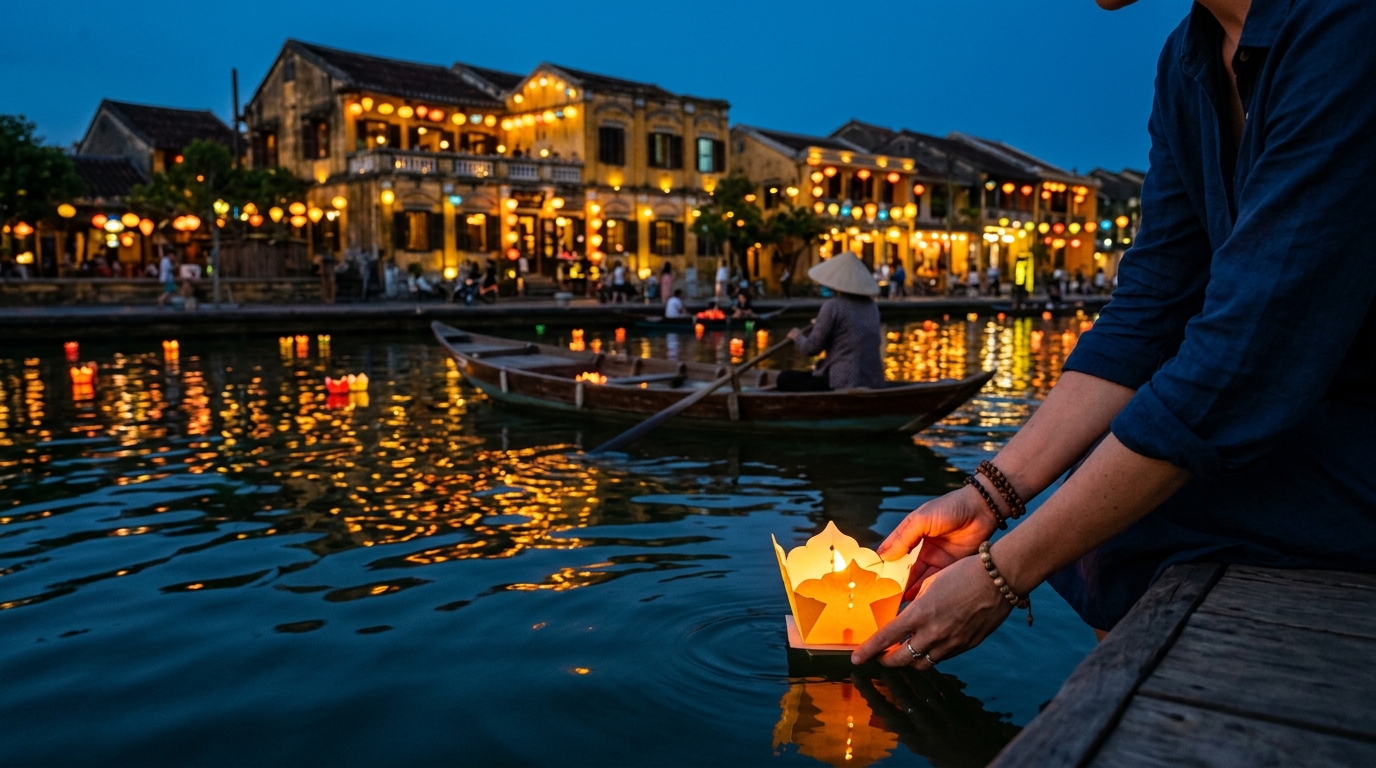
Taking these precautions ensures that your administrative budget remains fully optimized, allowing you to spend more on exploring the breathtaking scenery and cultural highlights of your destination. Whether you plan to cruise through Halong Bay or explore the historical alleys of Hoi An, keeping administrative costs low provides extra peace of mind. For those looking for an completely managed vacation with all arrangements handled, booking dedicated Vietnam tour packages is an excellent way to consolidate travel, accommodation, and visa coordination under a single transparent price.
FAQs
How much is the Vietnam eVisa fee for Indians in 2026?
As of June 2026, the standard visa fee for a single-entry tourist eVisa is $25 USD (approximately ₹2,080 – ₹2,150), while a multiple-entry eVisa is priced at $50 USD (approximately ₹4,160 – ₹4,300). Knowing the exact visa for vietnam from india cost is essential for planning a travel budget without surprises.
Can Indians get a Vietnam visa on arrival?
Yes, though it is no longer the preferred method. Indians can get a Visa on Arrival only if they have a pre-arranged approval letter from an authorized Vietnamese travel agency, which adds service fees to the standard stamping fee of $25 USD. This processing method impacts the overall visa for vietnam from india cost, making the eVisa a much cheaper and faster option for independent tourists.
What is the processing time for a Vietnam eVisa?
The official processing time is roughly 3 to 5 business days, depending on the volume of applications. It is highly recommended to apply at least two weeks before departure to avoid having to pay for urgent express services, which would double your standard processing expenses.
Are Vietnam visa fees refundable if my application is rejected?
No, the official government processing fees are completely non-refundable, regardless of whether the visa is approved, delayed, or rejected. To avoid paying double the visa for vietnam from india cost due to mistakes, ensure all passport photos and application details are correct before submitting the payment.