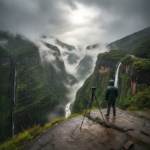

The Ultimate Tulail Valley Travel Guide: How to Visit Kashmir’s Pristine Border Paradise

The quest for untouched landscapes in Kashmir frequently leads travelers to the remote edges of the Gurez sector. Among these, the Tulail Valley stands out as a pristine border paradise for those willing to venture beyond the conventional tourist circuits. This Tulail Valley travel guide serves as a professional assessment for planning a journey into this high-altitude region where the Kishenganga River carves through rugged mountain terrain.
Key Takeaways
- Pristine Isolation: Tulail Valley remains one of Kashmir’s most untouched and commercially undeveloped border regions.
- Strict Permits Required: Due to its close proximity to the Line of Control, secure all military and local permits beforehand.
- Basic Infrastructure: Expect rustic homestays, intermittent electricity, and minimal mobile connectivity.
- Short Travel Window: The valley is accessible only from June to mid-October via the high-altitude Razdan Pass.
Why Visit Tulail Valley
Tulail offers a level of isolation rarely found in modern Himalayan tourism. It functions as a cultural bridge between the Dard Shin community and the wider Kashmiri context. The valley remains largely insulated from heavy commercial development, preserving its traditional wooden architecture and agricultural practices. For the serious explorer, this environment provides significant insight into the resilience required for life at these elevations.
- Authentic Dard Shin cultural heritage and traditional lifestyle.
- Unspoiled natural scenery defined by alpine meadows and sharp peaks.
- Minimal tourist infrastructure ensures a quiet and reflective experience.
- Strategic position near the Line of Control provides unique geographic context.
Geography and Climate
Positioned north of Gurez, Tulail acts as a transition zone toward the higher reaches of the Himalayas. The valley floor sits at a significant altitude, which dictates the short but intense summer season. Glacial melt maintains the flow of the Kishenganga River, shaping the valley’s narrow, winding geography. Temperatures remain low even during peak summer months, making preparation for cold conditions a necessity.
| Season | Typical Conditions |
|---|---|
| Summer (June to August) | Mild days and cool nights, accessible roads. |
| Autumn (September to October) | Crisp air, dramatic color changes in foliage. |
| Winter (November to May) | Heavy snowfall, total isolation, road closures. |
Getting to Tulail Valley
Accessing the region requires a disciplined approach to logistics:
- Seasonal Access: Travel is primarily restricted to the summer and early autumn window due to the harsh winter conditions that render the Razdan Pass impassable.
- Security Protocols: All travelers must account for regional security checkpoints, as the proximity to border areas necessitates specific movement considerations.
- Begin the transit from Srinagar toward Bandipora.
- Ascend the Razdan Pass, which reaches an altitude of approximately 3,300 meters.
- Continue through the Gurez Valley before heading further east into the Tulail sector.
- Ensure all necessary permits are secured in Srinagar or Bandipora before departure.
Essential Travel Permits
Movement into sensitive border regions in Jammu and Kashmir is regulated strictly. While policies shift, domestic and international travelers must prepare for mandatory documentation checks. It is standard practice to maintain multiple physical copies of identity proofs and to register with local authorities upon arrival in the Gurez district.
| Document / Requirement | Applicability | Purpose & Details |
|---|---|---|
| Aadhaar Card / Govt ID | All Domestic Travelers | Required at all checkpoints from Bandipora to Gurez and Tulail. |
| Inner Line Permit (ILP) | Domestic & International | Necessary for restricted border zones; verified at Army checkposts. |
| Passport & Valid Visa | Foreign Nationals only | Must be presented alongside special permission clearances. |
| Photocopies (5-6 sets) | All Visitors | Deposited at multiple police and military checkpoints along the route. |
Proximity to the Line of Control dictates a heightened level of administrative oversight. Always verify the current status of regional access requirements with the local district magistrate or police authorities prior to initiating travel.

Accommodation and Infrastructure
The Tulail Valley travel guide highlights the scarcity of formal hospitality. Visitors should expect a lack of high-end hotels, as the region relies primarily on rustic homestays and rudimentary government guest houses. These facilities provide an immersive, albeit basic, experience. Carrying high-quality sleeping gear is advised to maintain comfort levels during colder nights.
Infrastructure in the valley is highly limited. Visitors should prepare for the following daily realities:
- Power Supply: Electricity is highly intermittent and mostly dependent on solar or generators.
- Connectivity: Mobile networks and cellular data are frequently unavailable or restricted. BSNL postpaid is the only network with occasional reception.
- Financial Services: There are no functional ATMs in Tulail; carrying sufficient physical cash is mandatory.
Best Time to Visit
Timing your arrival is the most critical factor for a successful expedition. The window for reliable vehicle access to Tulail is highly seasonal:
- June to Mid-October: The primary travel window when the Razdan Pass remains snow-free and motorable.
- July and August: Best weather with mild temperatures, though unpredictable high-altitude showers can still occur.
- November to May: High risk of heavy snowfall, rendering roads impassable and isolating the valley completely.
Safety and Responsible Travel
Maintaining safety requires situational awareness. High-altitude environments present risks like altitude sickness, which should be managed by gradual ascent and hydration. Furthermore, the sensitive nature of the border environment necessitates strict adherence to all military or local law enforcement guidance. Photographing sensitive infrastructure or military assets is strictly prohibited and can lead to immediate legal complications.
As a remote destination, the ecosystem in Tulail is fragile. Responsible travel practices are paramount to ensure the preservation of this border paradise. Pack all waste out and engage with local communities with respect for their traditional customs.
For more details on preparing for remote Himalayan expeditions, consult our Kashmir travel services to ensure your logistics are sound. We also offer curated insights on guidelines for Kashmir trips to help you navigate regional regulations effectively.
FAQs
Is special permission required for international travelers?
Yes, foreign nationals generally require additional clearances to visit sensitive border areas in Kashmir. Consult the relevant Foreigners Regional Registration Office (FRRO) or local authorities in advance.
Can I find food easily in the valley?
Food options are extremely limited. Most travelers rely on their homestay providers for simple, locally sourced meals. It is wise to bring high-energy, non-perishable food supplies.
Is it safe to drink the water?
While the river water is pristine in appearance, it is imperative to use high-quality purification methods or carry bottled water to avoid gastrointestinal issues.
Should I hire a local guide?
Given the terrain and the lack of signage, hiring a local guide who understands the regional topography and culture is highly recommended for anyone unfamiliar with the area.

Conclusion
Tulail Valley serves as a significant destination for those seeking solitude and raw natural beauty. While the lack of infrastructure presents a hurdle, the reward is an authentic connection to a landscape largely untouched by mass tourism. By prioritizing preparation and adhering to local regulations, travelers can experience one of the most secluded and striking corners of the Kashmir region.