

The dense forests of India have long attracted travelers and nature lovers. The quiet sight of a wild tiger moving through the trees is a rare experience. Today, strong protective steps have saved these vast wild spaces, turning them into safe havens. For those who want a real forest safari, to explore the premier tiger reserves in india is an excellent choice. These parks are not just for tourists. They are key areas where many rare plants and animals live safely. Some reserves are dry and rocky, while others are wet and green. This guide offers a clear study of the top parks. It looks at their history, the animals, and travel tips to help plan an ideal trip.
Key Takeaways
- Diverse Ecosystems: India’s tiger reserves span various habitats, from dry forests to tidal mangrove swamps.
- Project Tiger Success: Established in 1973, Project Tiger has successfully grown the wild tiger population to 3,682 (as of the 2023 census).
- Planning is Crucial: Safari permits open up to 120 days in advance and core zones sell out extremely fast.
- Monsoon Closures: Most premium core zones close from July to September due to heavy rainfall and breeding seasons.
- Eco-Tourism Benefits: Controlled tourism direct funds park patrols, reduces poaching, and supports local communities.
Understanding the Ecological Importance of Tiger Reserves in India
The network of tiger reserves in india represents a critical step in wildlife conservation. In the past, unchecked hunting and forest loss threatened the Royal Bengal Tiger. The launch of Project Tiger in 1973 changed how India protected its wildlife (an initiative that laid the foundation for modern wildlife protection). This project did not just focus on the tiger. It focused on saving the entire forest. By protecting the top predator, the program saved the trees, the rivers, and the prey animals. This is known as an umbrella approach to conservation.
Most parks use a core-buffer system. The core zone is a strictly protected area. No human activity is allowed here. The buffer zone surrounds the core. Controlled tourism and local farming can happen in this buffer zone. This system helps reduce clashes between wild animals and humans. Today, the network of tiger reserves in india covers diverse environments. These forests act as massive carbon sinks. They also protect the headwaters of major rivers. For instance, the hills of Central India store carbon and feed rivers like the Narmada. Thus, securing the future of tiger reserves in india helps both wildlife and humans.
According to the National Tiger Conservation Authority census of 2023, the wild tiger population in India reached 3,682 (depending on the classification of younger cubs in certain border areas). This statistic proves that active habitat management works.
Critics say tourism disturbs the wildlife. They are not entirely wrong. But still, controlled tourism funds the very patrols that prevent poaching. This revenue is vital for local communities, giving them a direct financial interest in protecting the forest.
Top Tiger Reserves in India to Visit for an Unmatched Safari Experience
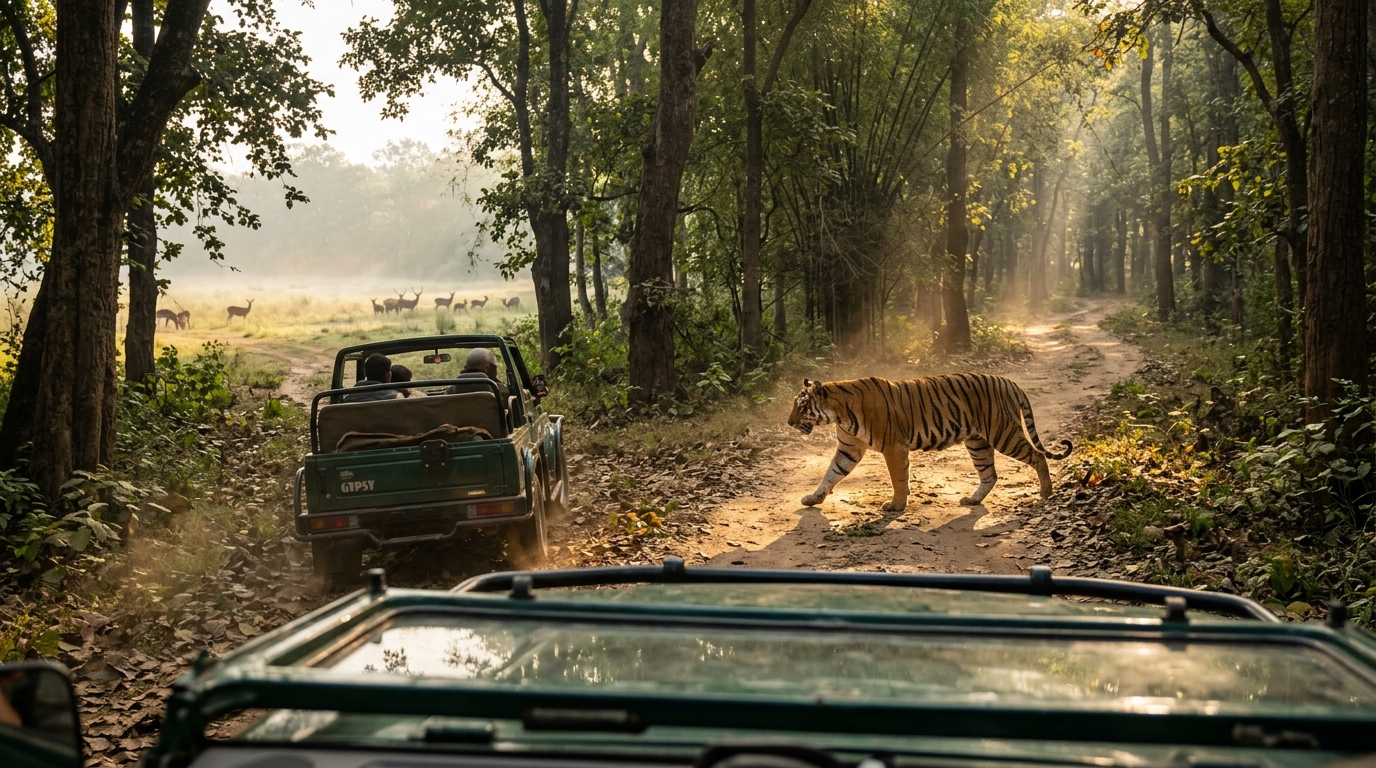
Selecting the right forest to visit is essential for a rewarding trip. The preeminent tiger reserves in india are distributed across distinct geographical zones. Each region offers unique trees, terrain, and animal life. Some parks have dry hills and ancient ruins, while others have thick forests and vast swamps. The choice of park determines what you will see and how you will travel. When exploring the premier tiger reserves in india, it is helpful to understand what makes each park unique. The following sections describe the top sanctuaries in detail, covering their history, wildlife, and safari zones.
Jim Corbett National Park, Uttarakhand
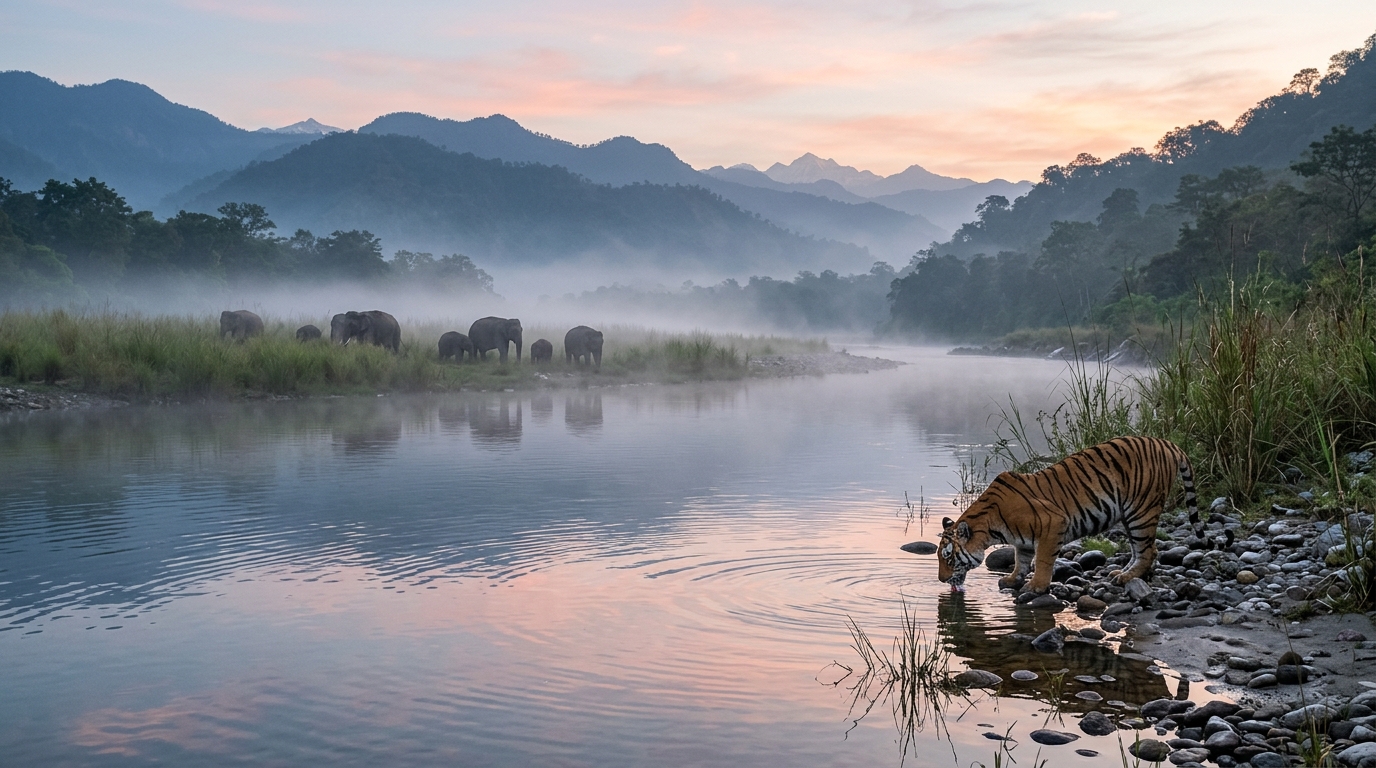
Established in 1936, Jim Corbett National Park is the oldest national park in India. Located in the Himalayan foothills of Uttarakhand, this park was the birthplace of Project Tiger. It is widely considered one of the most historic tiger reserves in india due to its scenic terrain. The Ramganga River flows through the park, creating wide grasslands known locally as chaur (which are expansive riverine grasslands used for grazing and are excellent areas for spotting wildlife).
The park is divided into several tourism zones. The Dhikala zone is the most famous. It offers wide grasslands and large herds of wild elephants. Visitors can watch animals interact in a unique setting where hills meet wet plains. For travelers seeking a detailed exploration, booking a structured Jim Corbett tour is highly recommended.
Apart from the Royal Bengal Tiger, Jim Corbett is home to a diverse array of wildlife, including:
- Indian Leopards and Sloth Bears
- Over six hundred bird species
- Asiatic Elephants roaming the chaur grasslands
- Ghariyals and Marsh Crocodiles in the Ramganga River
The management here serves as a model for other tiger reserves in india. They balance high tourist numbers with strict protection rules. The mix of sal forests, marshes, and rocky hills makes it one of the most beautiful tiger reserves in india. The forest provides photographers and nature lovers with a perfect backdrop.
Ranthambore National Park, Rajasthan
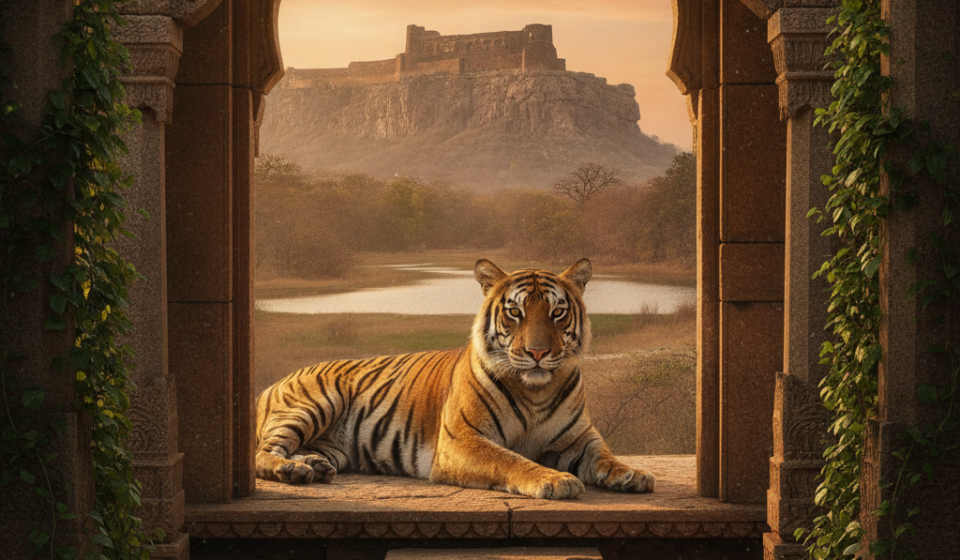
Situated in southeastern Rajasthan, Ranthambore National Park offers a beautiful blend of nature and history. The park features dry forests, rocky hills, and ancient ruins. The tenth-century Ranthambore Fort stands high on a cliff inside the park. This ruins-strewn terrain makes it one of the most dramatic tiger reserves in india. Wild tigers are sometimes seen resting on stone arches or ancient palace walls.
The dry, open forest of Ranthambore is perfect for wildlife photography. Unlike the thick forests of the north, the dry trees here offer great visibility. This is especially true during the hot summer months when water is scarce. For those planning a trip, booking a comprehensive Ranthambore safari is the best way to explore these rugged paths.
The park is divided into ten safari zones. Zones one to five are the core habitats where most tiger sightings occur. Great lakes like Padam Talao attract marsh crocodiles and herds of deer, which in turn attract the tigers. As a prime destination among tiger reserves in india, Ranthambore is a top choice for travelers who love both history and wild animals. It remains one of the highly successful tiger reserves in india.
Bandhavgarh National Park, Madhya Pradesh
Located in the Umaria district of Madhya Pradesh, Bandhavgarh National Park has a very high concentration of Royal Bengal Tigers. Nestled among the Vindhyan hills, the park features steep cliffs and open valleys. Historically, this forest was the private hunting ground of the Maharajas of Rewa. It is also the famous place where the first wild white tiger was found.
This park has earned a great reputation among key tiger reserves in india. It is divided into three main zones: Tala, Magadhi, and Khitauli. Tala is the oldest and most popular zone. It features the ancient Bandhavgarh Fort and thick bamboo forests. The high density of tigers means visitors often get frequent sightings. This makes it highly sought-after among the tiger reserves in india.
The forest consists mainly of moist deciduous trees and wide grasslands. These grasslands support prey animals like barking deer, nilgai, and wild boars. The park is also a vital home for leopards and wild birds. For those seeking close animal encounters, Bandhavgarh is a standout choice among the tiger reserves in india.
Kanha Tiger Reserve, Madhya Pradesh
Kanha Tiger Reserve is the largest national park in Madhya Pradesh. It is widely regarded as one of the finest managed tiger reserves in india. Spanning over nine hundred square kilometers, the park features majestic sal forests and clear winding streams. This beautiful terrain was arguably the main inspiration for Rudyard Kipling’s classic story, The Jungle Book.
One of the great successes of Kanha is the revival of the swamp deer, known as the barasingha. This animal was close to dying out but was saved by careful habitat work. This achievement makes Kanha unique among the tiger reserves in india. The park is split into several zones, including Kanha, Kisli, Sarhi, and Mukki, each offering a distinct forest experience.
The wide grassy meadows of Kanha are perfect for watching deer, gaur, and barasingha. The park operates under strict rules to ensure tourist vehicles do not disturb the animals. Because of this, Kanha is highly valued among tiger reserves in india for its peaceful environment and its commitment to nature.
Sundarbans National Park, West Bengal
For a completely different experience, Sundarbans National Park in West Bengal offers a unique watery forest. This UNESCO World Heritage Site is part of the largest river delta in the world. It is one of the most fascinating tiger reserves in india, consisting of tidal waterways, mudflats, and mangrove trees.
The tigers here have adapted to the salty water in amazing ways. They are strong swimmers and hunt fish and crabs. Unlike other tiger reserves in india where safaris use open jeeps, the Sundarbans can only be explored by boat. This makes tracking tigers a game of patience. The predators are highly elusive compared to other tiger reserves in india, blending easily into the dense roots of the sundari trees.
The mangrove forest is also home to saltwater crocodiles, lizards, and wild birds. The extreme tides and difficult paths make the Sundarbans a complex place. It is the ultimate frontier for travelers who want to see how tigers live in a harsh, changing world.
Tadoba-Andhari Tiger Reserve, Maharashtra
Tadoba-Andhari Tiger Reserve is the oldest and largest national park in Maharashtra. It features dry forests, rocky hills, and the beautiful Tadoba Lake, which provides water during the hot summer. Over the past ten years, Tadoba has become one of the highly reliable tiger reserves in india for spotting tigers, thanks to its growing predator population.
The park is named after a local god, Taru, who is worshipped by the local tribes. This cultural connection adds a special feel to the forest. Unlike the older established tiger reserves in india that close during the heavy rains, some parts of Tadoba stay open all year. This lets visitors see the forest when it is fresh and green.
Tadoba is also home to leopards, sloth bears, and wild dogs. The park management works closely with local villages to reduce conflicts. For travelers who want a high chance of seeing a tiger in a quiet forest, Tadoba is one of the premier tiger reserves in india.
Planning Your Wilderness Safari: Practical Guidelines and Best Time to Visit
Planning a successful trip to the premier tiger reserves in india requires careful preparation. Safari slots are strictly limited by park authorities to protect the forest. Bookings for most parks open one hundred and twenty days in advance. Permits for key areas can sell out within minutes. Spontaneous trips are therefore not recommended. A set plan is necessary for a smooth journey.
The seasons play a major role in your experience across the tiger reserves in india. The main safari season runs from October to June. Most parks close during the summer monsoon when rains block the dirt tracks. The winter months, from November to February, have cool weather and green forests. This is a very comfortable time to travel, though the thick leaves can make tigers harder to spot.
In contrast, the hot summer months, from March to June, are the best time for tiger spotting. As water holes dry up, tigers are forced to visit the remaining lakes. The dry and dusty conditions can be tough, but the high visibility makes it the top choice for photographers visiting these tiger reserves in india.
When preparing for your safari, ensure you follow these essential preparation guidelines:
- Pack Neutral Clothing: Wear light clothes in neutral colors like green, brown, or khaki. Avoid bright colors as they can disturb the wild animals.
- Bring Gear: Good binoculars and a camera with a long-range zoom lens are highly recommended.
- Respect Vehicle Limits: Every park has a strict Carrying Capacity (the maximum number of vehicles allowed inside the forest per session to minimize ecological stress) that must be maintained.
- Follow Guide Instructions: Always adhere to the directives of your certified nature guide and driver.
Safari Vehicle Options: Jeep vs. Canter
Most premier tiger reserves in india offer two main vehicle types for safaris. The table below compares these options to help you choose the best fit for your group.
| Feature | Gypsy (Jeep) Safari | Canter Safari |
|---|---|---|
| Seating Capacity | 6 Passengers (+ Guide and Driver) | 16 to 20 Passengers |
| Privacy Level | High (Ideal for families & photographers) | Low (Shared public open-top bus) |
| Maneuverability | Excellent (Can navigate narrow, rough tracks) | Moderate (Restricted to wider main paths) |
| Cost Range | Higher (Charged per vehicle/private group) | Budget-Friendly (Charged per seat) |
Comparative Overview of Top Tiger Reserves
To help you choose the best park for your trip, the table below provides a comparative analysis of the primary tiger reserves in india. Each forest offers a unique climate, scenery, and animal community. Understanding these differences will ensure you select a park that fits your physical comfort and interests. The incredible diversity found across the tiger reserves in india means that every trip offers a fresh adventure.
| Tiger Reserve | Location (State) | Primary Terrain | Notable Fauna | Best Travel Period |
|---|---|---|---|---|
| Jim Corbett | Uttarakhand | Hilly ridges, riverine marshes, sal forests | Royal Bengal Tiger, Asiatic Elephant, Ghariyal | November to May |
| Ranthambore | Rajasthan | Dry deciduous forests, rocky hills, lakes | Royal Bengal Tiger, Indian Leopard, Striped Hyena | October to June |
| Bandhavgarh | Madhya Pradesh | Rocky hills, bamboo forests, open valleys | Royal Bengal Tiger, Sloth Bear, Chital | October to June |
| Kanha | Madhya Pradesh | Sal forests, vast meadows, clear streams | Royal Bengal Tiger, Hard-ground Barasingha, Gaur | October to June |
| Sundarbans | West Bengal | Mangrove swamps, tidal waterways, mudflats | Royal Bengal Tiger, Saltwater Crocodile, River Dolphin | September to March |
| Tadoba-Andhari | Maharashtra | Dry deciduous forests, wetlands, lakes | Royal Bengal Tiger, Indian Leopard, Dhole | October to June |
When deciding on your destination, consider the following key factors:
- Wildlife Priorities: Some parks are famous for tigers, while others offer a balance of elephants, birds, and rare deer species.
- Terrain and Comfort: Flat grasslands are easier to traverse than rocky hills or tidal mangrove swamps.
- Travel Budgets and Lodging: High-demand parks have luxury resorts, while smaller reserves offer simpler forest lodges.
- Seasonality: Different zones open at various times, and sighting rates change dramatically with the weather.
FAQs
This section answers common questions about planning a trip to these protected wildlife zones.
Which tiger reserves in india have the highest tiger population?
According to the wild tiger status report from the National Tiger Conservation Authority in 2023, Corbett Tiger Reserve has the highest tiger population, with over two hundred and sixty tigers. Bandhavgarh, Kanha, and Nagarhole also have very high densities. These specific tiger reserves in india are highly recommended for travelers who want the best chance to see a wild tiger, though sightings are never guaranteed. But still, visiting these core areas increases your success rate significantly.
How can one book safari permits for tiger reserves in india?
You must book safari permits for all official tiger reserves in india through the official state government websites. Due to strict limits on vehicle numbers, permits for the core zones can sell out very fast. It is best to book your permit one hundred and twenty days in advance to secure your spot. Booking early ensures you get the premium tracks and experienced guides.
What are the essential safety rules during a wildlife safari?
The most important safety rule is to stay inside your vehicle at all times. Never get out of the jeep unless you are at a marked rest stop. Keep silent so you do not scare the animals. Also, do not throw trash or bring plastic into the forest. These simple rules help keep both you and the wild animals safe, maintaining the forest as a peaceful sanctuary.
Is it safe to travel to tiger reserves in india with young children?
Yes, it is safe to travel to tiger reserves in india with children, but you must plan carefully. The long, bumpy rides can tire young children, and they must remain quiet in the vehicle. It is best to choose parks with comfortable lodges and shorter safari routes for a better family experience. Carrying snacks and hydration is also essential for keeping young ones comfortable.
Why are some tiger reserves in india closed during the monsoon season?
Most premium tiger reserves in india close their core zones from July to September due to heavy rains. The rain damages the dirt tracks, making them unsafe for vehicles. The closing also gives the animals private time to breed without human disturbance. Some buffer zones do stay open for green safaris, providing an alternative for off-season travelers.