

Planning a journey through the southern peninsula of India presents an extraordinary cultural opportunity. Unlike northern states, this region offers a distinct architectural heritage and pristine ecological sanctuaries. However, drafting a cohesive south india travel plan requires careful structural balancing. Vast geographical distances and diverse climates demand a methodical approach to logistics. From towering stone gateways to peaceful backwaters, every sub-region possesses its own rhythm. Achieving a rewarding travel experience depends on establishing a logical route. This minimizes transit stress and maximizes regional exposure. A well-constructed strategy ensures that the historical depth and natural beauty of this unique territory are fully appreciated.
- Ideal Duration: Plan for at least 14 to 21 days to comfortably cover two or three states without rush.
- Distinctive Highlights: Discover Tamil Nadu’s majestic Dravidian temples, Kerala’s tranquil backwaters, and Karnataka’s archaeological ruins.
- Best Travel Window: The winter season from October to March offers the most pleasant weather for coastal and temple exploration.
- Logistics: Opt for a private chauffeured vehicle for regional hops and pre-book 1AC/2AC train tickets for overnight travel.
- Culture & Etiquette: Dress modestly when visiting sacred active temple sites and stay well-hydrated.
Choosing the Ideal Duration for Your South India Travel Plan
Determining the timeframe for designing an actionable south india travel plan depends primarily on specific sightseeing priorities. While a brief visit can cover a single state, a comprehensive south india travel plan should allocate at least two weeks. This duration allows travelers to experience the geographical and cultural diversity of the region. Trying to compress multiple states into a single week leads to exhausting travel schedules and superficial sightseeing. When finalizing a south india travel plan, geographic contiguity must remain the primary guiding principle.
For travelers with restricted schedules, focusing on a single thematic loop is highly recommended. Suitable options include the classical temple heritage of Tamil Nadu or the coastal waterways of Kerala. Conversely, a fourteen-day itinerary permits a balanced journey across the Western Ghats. This intermediate timeframe allows travelers to appreciate the gradual cultural transitions. It prevents the physical exhaustion commonly associated with rapid travel. In addition, it provides sufficient buffer time to account for unexpected transit delays (which frequently occur on winding mountainous routes). This prevents compromising the core sightseeing components. Those fortunate enough to possess three weeks or more can execute an extensive loop that encompasses Karnataka, Tamil Nadu, and Kerala. This extended duration offers a complete perspective of the historical and ecological varieties of the peninsula.
Choosing the right duration also dictates the pace of daily exploration. A rushed itinerary overlooks subtle cultural elements. These include witnessing evening temple rituals or enjoying slow-cooked regional cuisines. By aligning travel goals with realistic transit times, travelers can avoid common planning pitfalls and build a highly rewarding journey.
| Duration | Recommended Focus Areas | Primary Transit Methods |
|---|---|---|
| 7 Days | Single-state focus (either Kerala backwaters or Tamil Nadu temple circuits) | Private vehicle hire and short-distance trains |
| 14 Days | Two-state combination (typically Tamil Nadu heritage and Kerala nature) | Intersystem trains and dedicated chauffeured vehicles |
| 21 Days | Three-state grand loop (Karnataka, Tamil Nadu, and Kerala highlights) | Multi-city flights, trains, and private road transport |
Essential Regional Highlights of South India
Every state in this region presents a distinct cultural identity, language, and architectural signature. Consequently, structuring a south india travel plan that balances these diverse regional characteristics requires a clear understanding of what each territory offers. This section outlines the primary cultural and geographical highlights across the major southern states to help guide specific itinerary choices.
| State | Core Highlights | Top Experiences | Major Transport Hub |
|---|---|---|---|
| Tamil Nadu | Dravidian Stone Temples & Classical Heritage | Shore Temples of Mahabalipuram, Madurai Meenakshi Temple | Chennai International Airport (MAA) |
| Kerala | Emerald Backwaters, Houseboats & Ayurvedic Wellness | Alappuzha Houseboat Cruise, Munnar Tea Plantations | Cochin International Airport (COK) |
| Karnataka | Medieval Ruins, Wildlife Reserves & Coffee Estates | Hampi Ruins, Mysore Palace, Coorg Wildlife Safari | Kempegowda International Airport Bengaluru (BLR) |
The Architectural Marvels of Tamil Nadu
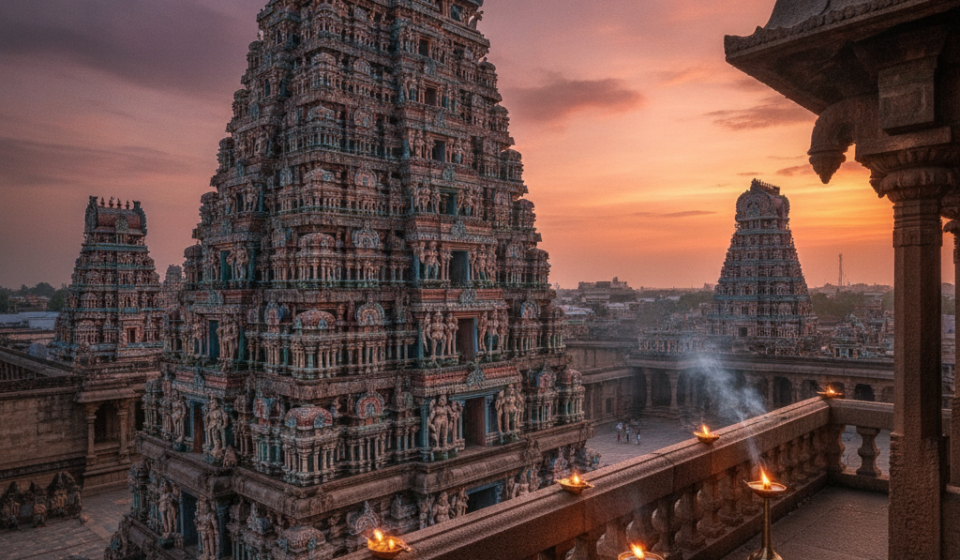
Tamil Nadu serves as the repository of classical Dravidian culture. The state is characterized by its monumental temple complexes, where soaring gateway towers (known as gopurams) dominate the skyline. An architectural south india travel plan must highlight the historic dynasties of the region (specifically the Pallavas, Cholas, and Pandyas) who financed these structural masterpieces.
For instance, the shore temples of Mahabalipuram, constructed during the seventh century, showcase early rock-cut artistry that earned UNESCO World Heritage status in 1984. Further south, the Great Living Chola Temples of Thanjavur display an extraordinary level of engineering precision, with the central tower of the Brihadisvara Temple rising over sixty-six meters. In Madurai, the Meenakshi Amman Temple represents the peak of late Dravidian architecture, featuring twelve intricately sculpted gopurams covered in thousands of colorful mythological figures. These sites are not merely historical monuments; they remain active centers of worship, where ancient rituals and classical Carnatic music continue to thrive daily.
The Chola emperors, in particular, utilized architecture as an instrument of statecraft and spiritual expression. The physical scale of these stone structures was designed to inspire awe and consolidate imperial authority, a historical fact clearly demonstrated by the massive granite blocks transported from distant quarries to construct the Thanjavur temple crown. Travelers seeking to deeply explore these historic monuments can find curated itineraries on the Tamil Nadu travel portal, which simplifies booking local guides and transport. The state also boasts a unique culinary identity characterized by complex spice profiles, fermented rice cakes, and rich filter coffee. Exploring these culinary traditions provides an excellent sensory complement to the physical exploration of the monumental temple towns.
The Serene Waterways and Hills of Kerala
In contrast to the stone-dominated heritage of Tamil Nadu, Kerala is characterized by its lush natural geography and water-centric lifestyle. The state features an extensive network of brackish lagoons, lakes, and canals collectively referred to as the backwaters. Incorporating these backwaters into your south india travel plan is highly recommended for those seeking a slower, more reflective travel pace.
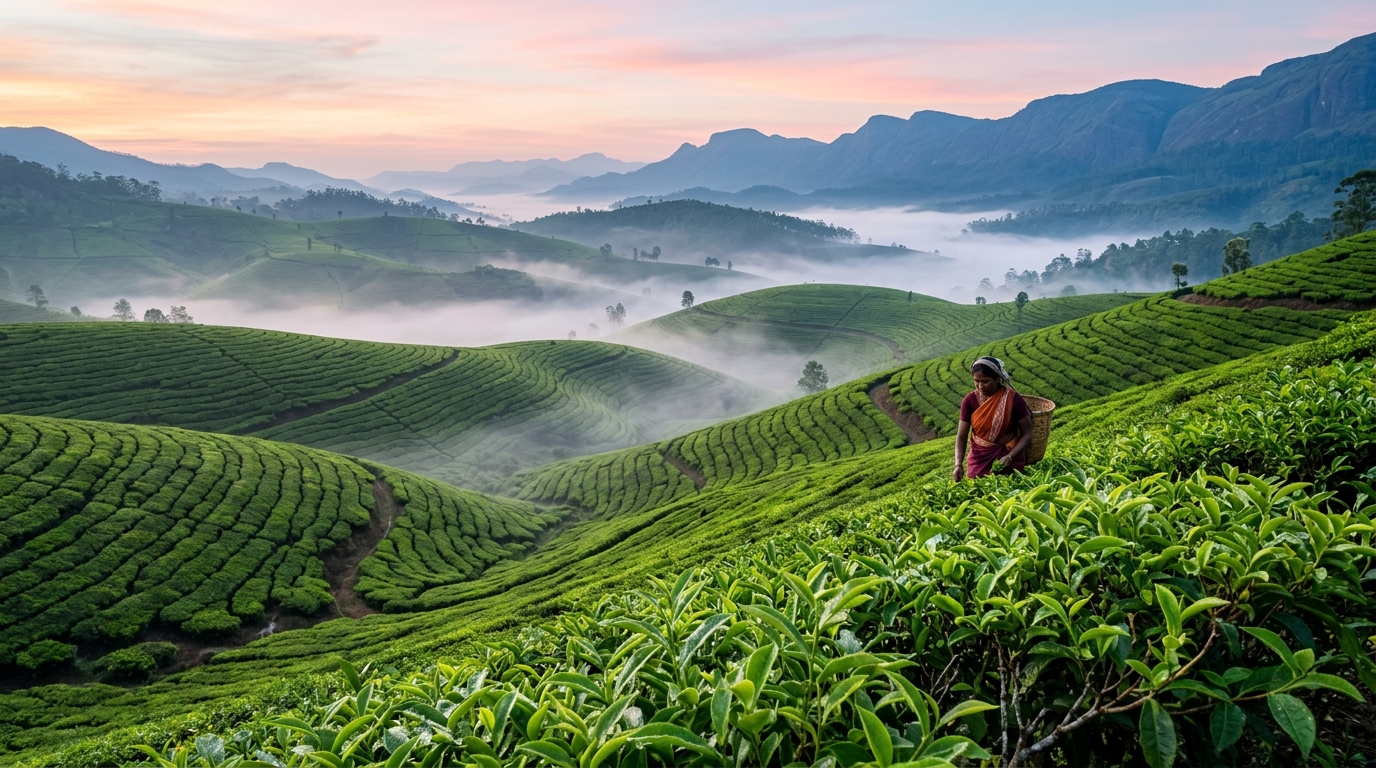
A classic journey through Alappuzha (formerly known as Alleppey) on a traditional kettuvallam (a converted rice barge constructed from wooden planks and coir) offers an intimate glimpse into rural riverside communities. Beyond the coastal plains, the state rises dramatically into the Western Ghats, where hill stations like Munnar feature sprawling tea plantations shrouded in mist. The region is also globally recognized as a premier destination for authentic Ayurvedic wellness treatments, providing physical rejuvenation amidst peaceful natural surroundings. Incorporating these natural elements creates a perfect counterpoint to the busy urban hubs of the neighbouring states.
This maritime lifestyle is deeply reflected in local culinary practices, where fresh freshwater fish is marinated in locally grown spices, wrapped in banana leaves, and slow-grilled over coconut charcoal. Such culinary experiences are typically prepared on board by a dedicated private chef, providing an authentic taste of Malabar coastal traditions. To experience these emerald terrains, travelers can review the customized packages available on the Kerala travel page, which includes premium houseboat bookings and wellness retreats, or extend their stay along the coast by visiting Kovalam beach.
The Heritage and Natural Reserves of Karnataka
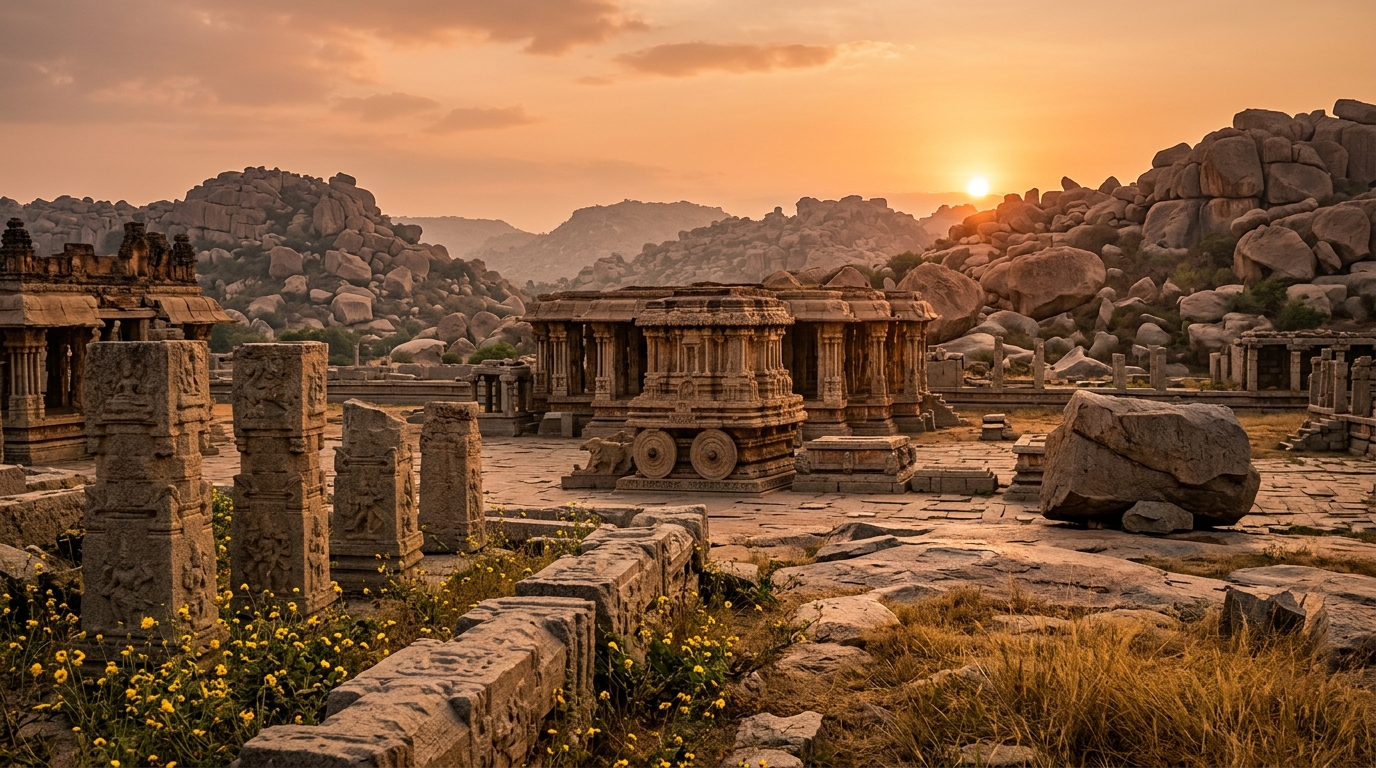
Karnataka offers a diverse combination of archaeological ruins, royal heritage, and bio-diverse forest reserves. For a nature-focused south india travel plan, Karnataka provides unmatched variety. In the northern part of the state, the ruins of Hampi (the fourteenth-century capital of the Vijayanagara Empire) stand amidst dramatic fields of massive granite boulders. The site features exceptionally preserved temples, royal pavilions, and ancient marketplace streets.
Further south, Mysore represents the peak of royal elegance, centered around the magnificent Mysore Palace (which features an opulent blend of Hindu, Islamic, and Gothic architectural styles). West of Mysore lies Coorg (officially known as Kodagu), a mountainous district famous for its dense coffee plantations, mist-covered valleys, and unique local culture. This region also hosts several critical wildlife sanctuaries (such as Nagarhole and Bandipur National Parks) that protect significant populations of Asian elephants and Bengal tigers. These reserves provide excellent opportunities for managed wilderness safaris within a highly protected ecological framework.
The architectural relics of Hampi represent a brilliant synthesis of traditional Dravidian styles and Islamic artistic elements, reflecting the cosmopolitan nature of the late medieval Deccan empire. Walking through the royal enclosure, one can observe how ancient hydraulic engineers successfully routed water through complex stone aqueducts to supply the royal baths. Planning a trip to these diverse locales is made efficient through specialized resources such as the Coorg travel guide or the comprehensive Bangalore and Mysore tour options.
A Comprehensive 14-Day South India Travel Plan Itinerary
To help organize these diverse destinations into a manageable journey, we have designed a balanced fortnight-long route. This 14-day south india travel plan offers a logical transition from the ancient temples of Tamil Nadu to the serene backwaters and hills of Kerala. It balances active historical exploration with dedicated periods of relaxation.
Days 1 to 3: Cultural Immersion in Chennai and Mahabalipuram
The journey begins in Chennai, the gateway to the southern states. As a major metropolitan center, Chennai offers an excellent introduction to the regional arts, classical music, and culinary traditions. To maximize this foundational leg of your south india travel plan, follow this structured three-day schedule:
- Day 1 (Chennai): Spend your first day exploring the historic Fort St. George (the oldest British fortress in India, established in 1640) and visiting the Government Museum to view its priceless collection of bronze sculptures.
- Day 2 (Chennai to Mahabalipuram): Take a short, scenic drive southward along the East Coast Road to the ancient port city of Mahabalipuram. Begin studying the stunning rock-cut relief carvings like Arjuna’s Penance.
- Day 3 (Mahabalipuram): Dedicate your third day to exploring the iconic Shore Temple. The coastal setting provides a relaxing environment to adjust to the regional climate while appreciating the profound artistic achievements of the Pallava dynasty.
Days 4 to 6: Temple Heritage of Thanjavur and Madurai
Traveling further south into the heart of Tamil Nadu, the next three days focus on the state’s monumental religious architecture. When executing a temple-centric south india travel plan, the transition from Chennai to Thanjavur (roughly a six-hour journey by train or road) represents a major shift in artistic styles:
- Day 4 (Thanjavur): Spend the day exploring the majestic Brihadisvara Temple and the historic Thanjavur Royal Palace, which houses a rare collection of ancient manuscripts and Chola bronzes.
- Day 5 (Thanjavur to Madurai): Continue your journey further south to Madurai, one of the oldest continuously inhabited cities in the world.
- Day 6 (Madurai): Explore the sprawling Meenakshi Amman Temple complex. Make sure to attend the nightly temple procession, where the deity is carried through the temple corridors amidst classical music and incense, for an unforgettable living heritage experience.
Days 7 to 9: Hill Stations and Wildlife of Munnar and Thekkady
On day seven, the itinerary crosses the state boundary into Kerala, ascending into the high-altitude landscapes of the Western Ghats. Integrating the Western Ghats into your south india travel plan provides a refreshing break from the warmer coastal plains of Tamil Nadu:
- Days 7 & 8 (Munnar): Unwind in Munnar, a premier hill station situated at the confluence of three mountain streams. Walk through extensive tea estates, visit the local Tea Museum, and explore Eravikulam National Park to spot the endangered Nilgiri Tahr.
- Day 9 (Munnar to Thekkady): Proceed southward along winding mountain roads to Thekkady, the gateway to Periyar National Park. Embark on a guided boat safari on Periyar Lake to observe wild elephants, otters, and diverse bird species along the forested shoreline.
Days 10 to 12: Backwater Cruising in Alappuzha and Cochin Exploration
Leaving the mountains behind, day ten marks the descent to the coastal lowlands of Kerala. No balanced south india travel plan is complete without experiencing the iconic backwaters.
On day ten, travelers board a private houseboat in Alappuzha for an overnight cruise through the intricate network of canals. This slow-paced journey provides an intimate look at local agricultural practices and riverside villages. On day eleven, the houseboat disembarks, and a short drive leads to the historic port city of Cochin (Kochi). Days eleven and twelve are spent exploring Fort Kochi, famous for its historic Chinese fishing nets, the sixteenth-century St. Francis Church, and the historic Jewish Town. The evening can be spent attending a traditional Kathakali dance performance, which features highly stylized makeup and dramatic storytelling.
Days 13 to 14: Coastal Relaxation in Kovalam
The final leg of the itinerary leads southward along the Malabar Coast to Kovalam, a globally recognized beach destination. After nearly two weeks of active sightseeing, this segment of the south india travel plan allows for quiet reflection and physical relaxation.
Days thirteen and fourteen are spent enjoying the crescent-shaped beaches of Kovalam, characterized by their coconut groves and iconic red-and-white striped lighthouse. Visitors can engage in gentle coastal walks, sample fresh seafood prepared with local spices, or participate in customized Ayurvedic massage treatments. This peaceful conclusion provides an ideal setting to process the diverse sights, sounds, and cultural experiences encountered throughout the fortnight-long journey before departing from the nearby Trivandrum International Airport.
Optimal Seasons and Weather Patterns
Aligning your south india travel plan with regional climate variations is essential for an enjoyable experience. The southern peninsula experiences distinct seasonal shifts that significantly impact travel comfort and accessibility. An ideal south india travel plan avoids the intense summer heat (which typically peaks between March and May) when temperatures can exceed forty degrees Celsius in inland temple towns.
| Season | Months | Travel Suitability |
|---|---|---|
| Winter | October to March | Optimal for temple tours and coastal exploration |
| Monsoon | June to September | Suited for Ayurvedic therapies and scenic hills |
Logistics, Transportation, and Practical Planning Advice
Executing a smooth south india travel plan requires careful logistical preparation, especially regarding transit between states. While train networks are extensive, hiring a private vehicle with a professional driver remains the most reliable option for temple hopping and mountain transit. Budgeting is a critical component of any south india travel plan. When booking train tickets, selecting first-class air-conditioned sleepers (known as 1AC or 2AC) is highly recommended for overnight journeys. These premium classes offer clean bedding, increased personal space, and a quieter travel environment, ensuring that travelers arrive at their next destination fully rested and prepared for sightseeing. To make the most of this south india travel plan, consider the following practical recommendations:
- Advance Booking: Reserve long-distance train tickets and heritage hotel stays at least three months in advance to secure availability during peak winter months.
- Cultural Sensitivity: Respect dress codes in active religious sites by covering shoulders and knees, and removing footwear before entering temple grounds.
- Hydration and Health: Maintain adequate hydration during long walking tours and select bottled mineral water to ensure safety throughout your stay.
Conclusion
Designing a complete south india travel plan is a highly rewarding endeavor that reveals a fascinating blend of ancient art, lush geography, and warm hospitality. Whether marveling at Dravidian stone temples or drifting along emerald backwaters, your finalized south india travel plan will reveal a side of the country that feels remarkably distinct from the north. By planning systematically, respecting local customs, and matching your route to the ideal season, this curated south india travel plan ensures that every moment of your journey is comfortable, educational, and deeply memorable.