
Seeking quietude in a hyper-connected era is no longer a luxury but a profound necessity for mental survival. Modern existence, dominated by constant notifications and screen-induced fatigue, frequently fragments human attention and exhausts the spirit. Historically, seekers have turned toward the subcontinent to restore balance, drawn by ancient systems of wellness that address the human condition as an integrated whole. The deep-rooted heritage of spiritual retreats in India offers a structured environment where silence, introspection, and somatic healing converge. This guide explores the most established sanctuaries across the country, providing an analytical roadmap for those looking to align physical vitality with inner stillness.
Key Takeaways:
- Diverse Traditions: India offers varied spiritual environments, from Buddhist mindfulness in the Himalayas to yogic discipline in Rishikesh and physical rejuvenation in Kerala.
- Sadhana & Self-Mastery: Authentic retreats prioritize internal mental training and self-discipline over commercial resort luxury.
- Ayurvedic Healing: Traditional Kerala centers utilize Panchakarma and strict diets to detoxify the physical body, laying the foundation for mental peace.
- Structured Daily Rhythm: Expect early wake-ups (5:00 AM), silent meditation (Mauna), and nourishing plant-based (Sattvic) diets.
- Planning & Preparation: Securing the right visa, aligning your trip with seasonal weather, and planning for a digital detox are essential for optimal benefits.
Understanding the Essence of Spiritual Retreats in India
To appreciate the value of spiritual retreats in India, one must look beyond the modern wellness industry. Historically, these sanctuaries did not operate as luxury hotels. They were, and in many cases remain, active centers of learning where individuals engage in Sadhana (a Sanskrit term for structured, disciplined spiritual practice). This discipline requires:
- Rising before dawn for morning practices
- Committing to strict silent periods (Mauna)
- Consuming clean, plant-based, Sattvic food
When examining the history of spiritual retreats in India, one discovers a system developed over thousands of years to study the human mind. The ultimate objective is not merely stress relief, though that is a welcome side effect. Instead, these institutions aim to cultivate deep self-awareness and mental resilience. Unlike modern wellness spas, authentic spiritual retreats in India prioritize internal mastery over superficial comfort.
Critics sometimes argue that these retreats are merely idealized getaways for weary travelers. They are not entirely wrong when examining high-priced commercial wellness resorts that package yoga as an aesthetic commodity. But still, authentic institutions operate on a non-profit model where the focus remains strictly on traditional lineage. For the serious practitioner, this distinction is critical. The focus on inner work (a long-overdue priority for many exhausted professionals) is what separates a true ashram from a standard vacation resort.
As the Global Wellness Institute noted in its recent analysis, the demand for authentic wellness tourism in Asia has grown by roughly 12% annually over the last decade. This growth reflects a global shift in consumer behavior. People are no longer satisfied with passive relaxation. They want practical tools to manage their mental state. This is exactly what traditional Indian ashrams offer through structured daily routines and direct guidance from experienced teachers.
Top Regions for Spiritual Retreats in India
The geography of India dictates the spiritual methodology of its regions. The diverse terrain offers distinct environments that shape how practices are taught and experienced. The geographical distribution of spiritual retreats in India corresponds to different schools of philosophy, allowing seekers to select an environment that matches their personal goals.
Rishikesh: The Yoga Capital of the World
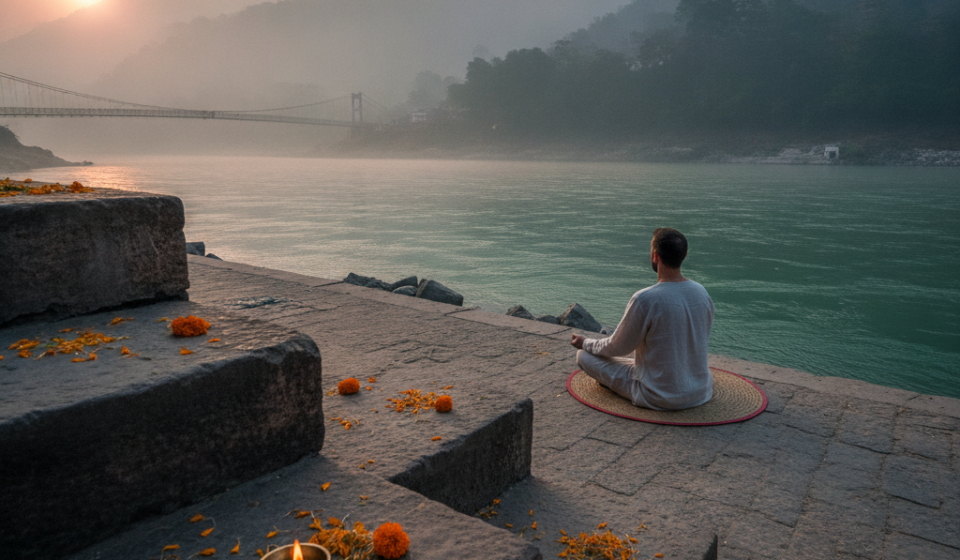
Situated where the sacred Ganges River emerges from the Himalayan foothills, Rishikesh remains a premier destination for spiritual retreats in India due to its deep historical association with yoga. The town is home to roughly 300 active ashrams (depending on how one defines formal registration), attracting both novice practitioners and advanced teachers. The high concentration of experienced masters makes it an ideal location for studying Hatha and Ashtanga yoga.
Many seekers choosing spiritual retreats in India gravitate toward Rishikesh for its rigorous study programs. The daily environment offers several distinct features:
- Early Morning Sadhana: Days typically begin at 5:00 a.m. with Pranayama (breath control) and intense physical practice.
- Distraction-Free Environment: Ashrams are carefully structured to eliminate modern external distractions.
- Natural Serenity: The sound of the flowing Ganges River and fresh mountain air provide an ideal backdrop for deep meditation.
It is worth noting that Rishikesh is not just for individual seekers. The region also hosts structured group retreats that combine philosophy lectures with physical cleansing practices. For example, Parmarth Niketan and Sivananda Ashram are highly regarded institutions that have preserved traditional teachings for decades. These centers focus heavily on karma yoga, which is basically the practice of selfless service. By participating in daily ashram duties, visitors learn to reduce egoistic drives.
As the Uttarakhand Tourism Development Board reported in 2025, international arrivals specifically for yoga have seen a steady rise, showing that Rishikesh continues to hold its position as a global anchor for spiritual study. The town offers a rare combination of accessible infrastructure and authentic lineage, though visitors must be prepared for the crowded streets outside the peaceful ashram walls.
Kerala: The Cradle of Ayurveda and Healing
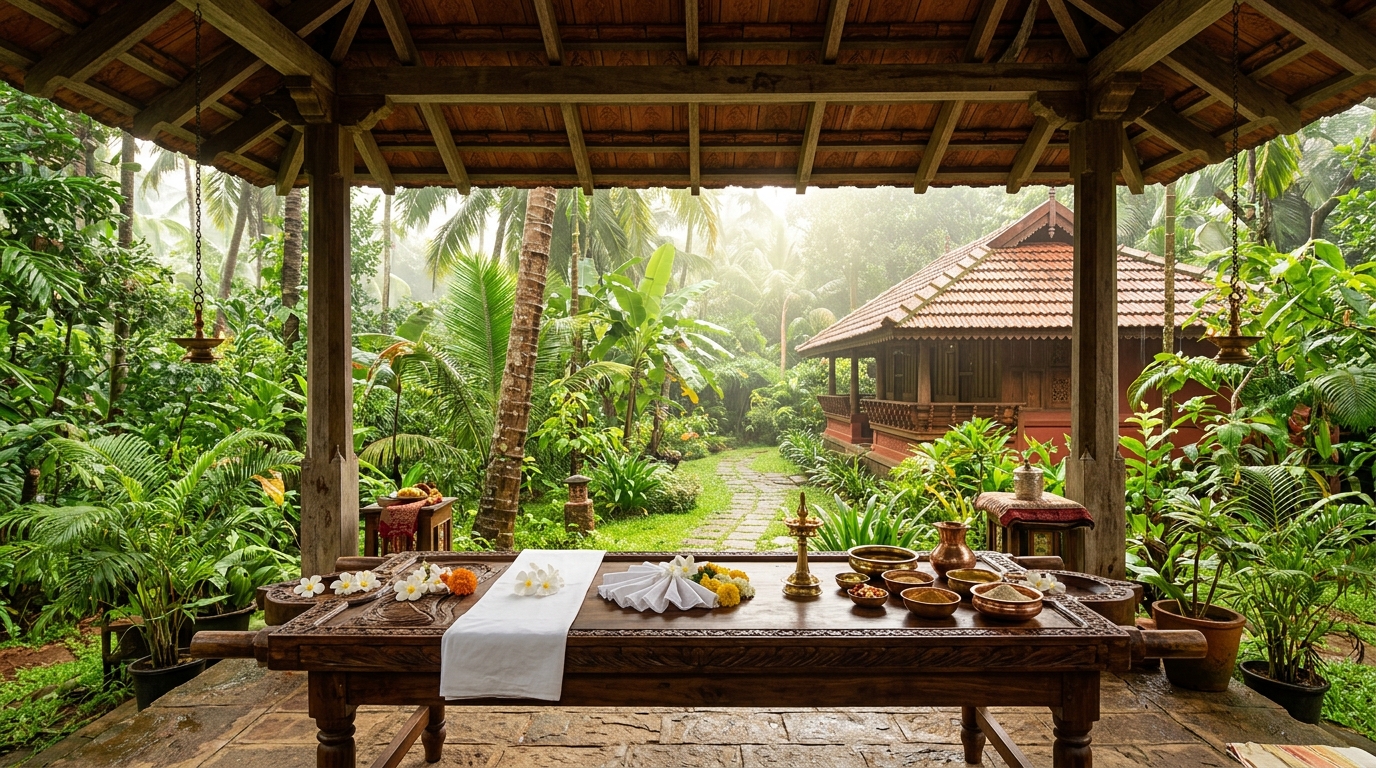
For those who prioritize physical healing alongside mental peace, the southern state of Kerala offers an entirely different approach. Integrating ancient medical science with modern therapy, spiritual retreats in India located in Kerala focus heavily on Ayurveda. This system of medicine uses customized herbal treatments, dietary regimes, and detoxification therapies to balance the body’s internal energies.
The primary therapeutic process here is Panchakarma. It is basically a five-step purification method designed to eliminate deep-seated toxins. For those investigating spiritual retreats in India that specialize in physical restoration, Kerala’s lush, tropical setting provides the perfect environment. The humid climate is considered ideal for Ayurvedic oil therapies, as it helps the skin absorb medicinal herbs more effectively.
Critics occasionally dismiss Ayurveda as a simple spa therapy. They are incorrect, though outcomes vary based on commitment. Traditional Kerala centers operate under the supervision of qualified Ayurvedic doctors who conduct detailed diagnostic assessments before prescribing treatments. These programs are demanding and highly structured, typically requiring:
- A duration of 14 to 28 days for full efficacy
- A strictly vegetarian, freshly prepared diet
- Complete abstinence from caffeine, alcohol, and external media
But still, the physical purification serves as a gateway to mental clarity. When the body is free from discomfort, the mind naturally settles into a meditative state. Many retreats in Kerala, such as those in Somatheeram or Kalari Kovilakom, pair Ayurvedic treatments with gentle meditation and restorative yoga. This dual approach ensures that the nervous system receives deep rest, allowing the individual to return to daily life with renewed physical and mental capacity.
Dharamshala and Ladakh: Tibetan Buddhist Traditions
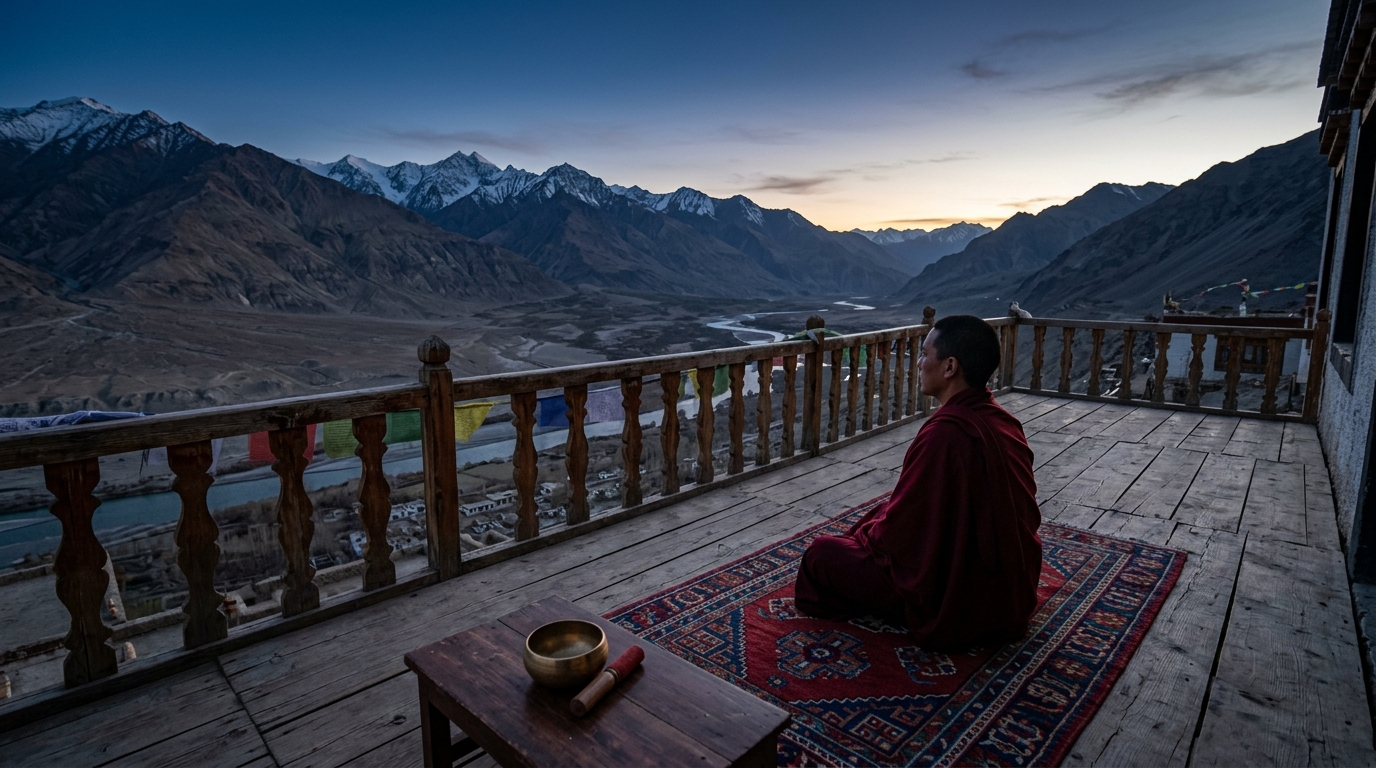
Moving north into the high-altitude regions of the Himalayas, the spiritual character changes significantly. Dharamshala, the home of the Dalai Lama, and the remote valleys of Ladakh are deeply rooted in Tibetan Buddhist philosophy. These high-altitude spiritual retreats in India offer a stark, majestic terrain that naturally encourages silent contemplation and intellectual inquiry.
The primary practice in these regions focuses on Vipassana (insight meditation) and analytical Buddhist philosophy. Tibetan Buddhist centers and spiritual retreats in India provide structured courses where participants study the nature of mind, compassion, and the root causes of human suffering. The Tushita Meditation Centre in Dharamshala, for instance, is famous for its intensive introductory courses that combine silent meditation with deep philosophical debate.
In these centers, silence is maintained for several days at a time. This practice is designed to break the habit of constant verbal reaction, allowing practitioners to observe their thoughts objectively. While the physical conditions in these mountain retreats are often basic, the intellectual and spiritual instruction is highly sophisticated.
Earlier, we noted the rise in wellness tourism across Asia. In the high Himalayas, this wellness is primarily cognitive. Seekers are taught to train their minds just as an athlete trains their body. The teachings emphasize that peace is not something to be found externally, but is a state of mind that must be systematically cultivated through daily meditation.
Southern India: Ashrams and Meditative Sanctuaries
The geography of Southern India boasts several renowned spiritual retreats in India, particularly in the states of Tamil Nadu and Karnataka. These centers often focus on intense meditative practices and self-inquiry. One of the most famous destinations is the Isha Yoga Center in Coimbatore, situated at the foothills of the Velliangiri Mountains. This center offers intensive programs like Inner Engineering, which is basically a technology for inner well-being.
Ashrams and spiritual retreats in India found in Tamil Nadu also include the historic Sri Ramana Ashram in Tiruvannamalai. Here, the emphasis is on the path of Jnana Yoga, or the yoga of knowledge, specifically through the practice of self-inquiry. Visitors sit in the meditation halls where Sri Ramana Maharshi taught, seeking to answer the fundamental question, “Who am I?”
Another unique sanctuary is Auroville, located near Pondicherry. Founded as an experimental township, it serves as a center for Integral Yoga, a philosophy developed by Sri Aurobindo. The Matrimandir, a massive golden sphere at the center of Auroville, is dedicated to silent meditation and does not belong to any religion.
These southern sanctuaries provide highly organized, modern infrastructure while keeping traditional wisdom intact. They cater to individuals who seek structured, scientific explanations for spiritual experiences. The combination of grand architecture, disciplined schedules, and quiet meditation spaces makes Southern India a vital region for serious spiritual exploration.
Selecting the Right Retreat for Your Needs
When reviewing the vast selection of spiritual retreats in India, personal goals must dictate the final choice. It is easy to get overwhelmed by the sheer number of options available. The diversity among spiritual retreats in India means that a program perfect for one traveler might be entirely unsuitable for another. A clear understanding of what each style of retreat offers is essential before making a booking.
Choosing from the many spiritual retreats in India requires understanding the distinction between three primary categories:
- Traditional Ashrams: These centers focus on spiritual discipline, simple living, and devotional practices. They are ideal for individuals seeking intense self-discipline and philosophical study.
- Ayurvedic Wellness Centers: These retreats prioritize physical healing, detoxification, and rejuvenation. They are best suited for those recovering from burnout or chronic stress.
- Meditation and Buddhist Centers: These institutions focus heavily on mind training, silent meditation, and psychological inquiry. They are perfect for seekers looking for quiet contemplation and mental clarity.
Prospective visitors should also consider the level of comfort they require. Traditional ashrams often provide basic accommodation with shared facilities, while modern wellness retreats offer private villas and personalized services. Clarifying these preferences beforehand ensures a productive and comfortable stay.
Comparative Analysis of Top Spiritual Retreats in India
The following comparison of leading spiritual retreats in India highlights the variety in focus, location, and facilities. These prominent spiritual retreats in India represent different lineages and approaches to inner peace, helping seekers identify the ideal match for their wellness journey.
| Retreat Name | Location | Primary Focus | Ideal For | Accommodation Type |
|---|---|---|---|---|
| Parmarth Niketan | Rishikesh, Uttarakhand | Hatha Yoga and Vedic Studies | Beginners and group travelers | Traditional Ashram rooms |
| Somatheeram Resort | Kovalam, Kerala | Ayurveda and Panchakarma | Physical healing and detox | Comfortable eco-cottages |
| Tushita Meditation Centre | Dharamshala, Himachal Pradesh | Tibetan Buddhist Philosophy | Intellectual seekers and silent meditation | Basic dormitories and shared rooms |
| Isha Yoga Center | Coimbatore, Tamil Nadu | Kriya Yoga and Meditation | Modern professionals seeking structure | Standard guest houses to premium cottages |
| Sri Ramana Ashram | Tiruvannamalai, Tamil Nadu | Silent Self-Inquiry (Advaita Vedanta) | Experienced practitioners | Simple guest quarters |
This comparative table demonstrates that there is no single “best” option. Instead, the right choice depends on whether the seeker requires physical detoxification, rigorous yogic study, or silent philosophical contemplation. By aligning personal wellness goals with the specific strengths of these institutions, travelers can maximize the benefits of their stay.
Key Practices and Daily Schedules to Expect
The daily schedule at established spiritual retreats in India is designed to break old habits and cultivate awareness. While specific activities vary depending on the focus of the center, most traditional institutions follow a structured rhythm. The day is designed to balance physical movement, silent contemplation, and study.
Participants at spiritual retreats in India can expect a daily routine that closely resembles the following structure:
- 05:00 AM – Morning Wake-Up: Initiating the day before sunrise is a standard practice, aligning the body’s natural circadian rhythm with the quietest hours of the morning.
- 05:30 AM – Pranayama and Meditation: Structured breathing exercises are practiced to clear the nervous system, followed by silent meditation to stabilize the mind.
- 07:00 AM – Yoga Asanas: A physical practice designed to strengthen the body and prepare it for long hours of seated meditation.
- 09:00 AM – Sattvic Breakfast: A clean, freshly prepared vegetarian meal designed to nourish the body without causing lethargy.
- 10:30 AM – Karma Yoga (Seva): Selfless service, which may involve gardening, cleaning, or assisting in the kitchen, teaching mindfulness in action.
- 01:00 PM – Lunch and Rest: A simple mid-day meal followed by a period of quiet reflection or study.
- 04:00 PM – Philosophy Lecture: Interactive sessions discussing ancient texts, mindfulness, and practical psychology.
- 06:00 PM – Evening Meditation or Satsang: A community gathering featuring traditional chanting, music, or Q&A sessions with teachers.
- 07:30 PM – Sattvic Dinner: A light evening meal to ensure deep and restful sleep.
- 09:00 PM – Mauna (Noble Silence): The initiation of complete silence until the following morning to promote internal reflection.
This structured environment may feel restrictive at first, but it serves a vital purpose. By outsourcing daily decisions like what to eat or when to wake up, the mind is freed from unnecessary cognitive load. This freedom allows practitioners to direct all their energy inward, accelerating the process of mental clarity.
Practical Guidelines for Planning Your Spiritual Journey
Planning a journey to spiritual retreats in India involves several practical considerations that go beyond booking a ticket. Preparing adequately ensures that the transition from a busy daily routine to a contemplative environment is smooth and beneficial.
Here is a checklist of critical steps to complete before departure:
- Secure the Appropriate Visa: International travelers must obtain the correct visa before entering the country. For short-term stays, the e-Tourist Visa is generally sufficient, but those planning long-term academic studies in yoga or Sanskrit may require a specific Student Visa. For the most up-to-date regulations, check the official guidelines on the TravelDham Visa Page.
- Arrange Travel Insurance: Comprehensive coverage is highly recommended. Ensure your policy covers medical treatments, trip interruptions, and emergency evacuations, especially if traveling to remote Himalayan locations.
- Pack Appropriate Clothing: Traditional ashrams maintain strict dress codes. Loose-fitting, comfortable clothing that covers the shoulders and knees is mandatory. Light-colored or white garments are preferred in many spiritual centers.
- Prepare for Digital Detox: Many centers require participants to deposit their phones upon arrival. Gradually reducing screen time a week before the retreat begins can ease the transition.
| Visa Type | Stay Duration | Ideal For | Key Requirement |
|---|---|---|---|
| e-Tourist Visa | 30 to 90 days per entry | Short-term yoga & meditation programs | Standard tourist application online |
| Student Visa | Course duration (up to 5 years) | Long-term structured study of Yoga or Sanskrit | Official admission letter from registered institution |
| e-Medical Visa | Up to 60 days (triple entry) | Extended Ayurvedic treatments & Panchakarma | Letter from an accredited hospital/wellness center |
While booking spiritual retreats in India, seasonal factors must also be taken into account. The ideal time to visit Rishikesh and the Himalayan regions is from October to April, when the weather is cool and pleasant. Conversely, Kerala’s Ayurvedic treatments are traditionally considered most effective during the monsoon season (typically from June to September), when the humid climate supports deep tissue detoxification.
Most professional spiritual retreats in India recommend staying for a minimum of one week to experience tangible benefits. Shorter stays often do not allow enough time for the nervous system to settle. By committing to a longer duration, participants allow themselves the opportunity to fully integrate the practices into their daily lives.
Conclusion
Ultimately, the decision to visit spiritual retreats in India represents a commitment to personal well-being that goes beyond a standard vacation. In a world characterized by relentless noise, these sanctuaries offer the rare gift of structured silence and expert guidance. Whether seeking physical healing in Kerala, deep meditation in the Himalayas, or structured yogic study in Rishikesh, spiritual retreats in India deliver practical tools for lasting mental clarity.
A thoughtful journey to spiritual retreats in India can act as a powerful catalyst for a healthier, more balanced life. The physical discipline, quiet reflection, and ancient wisdom acquired during a retreat provide a reliable framework for managing the stresses of modern existence. As the daily routine of the ashram fades, the internal quiet remains, allowing seekers to meet life’s challenges with stability and clarity. Grace comes later.