
Planning a journey through the southern peninsula of India requires more than just choosing destinations on a map. It demands a deliberate strategy to balance historical exploration with coastal relaxation. The region’s diverse geography offers a stark contrast to the mountainous north, presenting a mix of ancient temples, tea plantations, and intricate canal systems. Creating a comprehensive south india travel plan is the first step to experiencing this diverse region without feeling overwhelmed. Success lies in understanding how local transit works, how to budget realistically, and how to structure a daily plan that avoids fatigue while leaving room for unexpected cultural encounters.
Key Takeaways:
- Optimal Duration: A 14-day itinerary offers the perfect balance to explore Karnataka, Tamil Nadu, and Kerala without exhaustion.
- Best Time to Visit: Plan your trip between November and February to enjoy comfortable, dry weather across the peninsula.
- Cultural Diversity: Experience distinct Dravidian architecture, classical arts, and spice-rich culinary traditions that differ vastly from Northern India.
- Budget Versatility: South India accommodates all budgets, from affordable cultural homestays to high-end heritage resorts and private houseboats.
- Transit Strategy: Combining pre-booked express trains with private hired cars ensures seamless and comfortable regional travel.
Why South India Deserves a Spot on Your Travel List
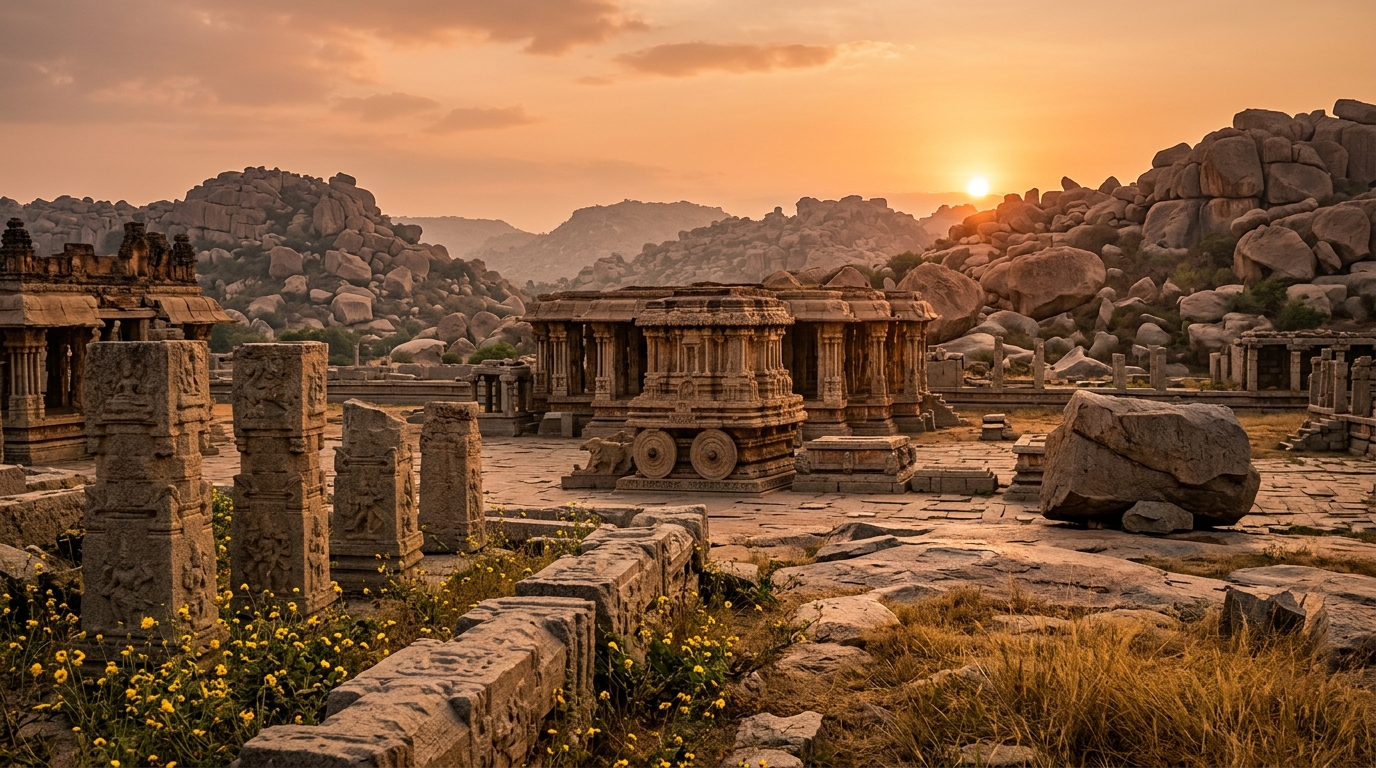
When building a south india travel plan, travelers often underestimate the sheer geographical diversity of the southern states. Karnataka, Kerala, Tamil Nadu, and Telangana each possess unique cultural identities, culinary traditions, and linguistic heritages. Unlike the architectural motifs of Northern India, which show Persian and Central Asian influences, South Indian architecture remained largely insulated, preserving ancient Dravidian styles characterized by towering temple entrance towers (called gopurams) and intricate stone carvings.
| State | Capital | Signature Attraction | Primary Language |
|---|---|---|---|
| Karnataka | Bengaluru | Hampi Ruins & Mysore Palace | Kannada |
| Kerala | Thiruvananthapuram | Alappuzha Backwaters & Munnar Tea Hills | Malayalam |
| Tamil Nadu | Chennai | Madurai Meenakshi Temple & Mahabalipuram | Tamil |
| Telangana | Hyderabad | Charminar & Golconda Fort | Telugu |
Any successful south india travel plan must account for these regional differences to ensure a balanced perspective. For instance, the transition from the dry Deccan Plateau of Karnataka to the humid coastal plains of Kerala can feel like entering an entirely different country. Historically, trade routes with Romans and Arabs shaped the coastal towns, leaving a multi-layered heritage visible in the local cuisine. From the aromatic spice plantations of the Western Ghats to the quiet backwaters, the sensory experience here is distinct and deeply rewarding.
A major draw remains the preservation of classical arts. Visitors often have opportunities to witness Kathakali dance dramas in Kerala or Carnatic music performances in Chennai, both of which have been passed down through generations. These experiences are not merely staged for tourists; they are deeply woven into the daily lives of the local population. Embracing this cultural depth is what elevates a standard vacation into a memorable journey. By dedicating sufficient time to understand these nuances, the resulting trip becomes much more than a simple sightseeing checklist.
The Ultimate 14-Day South India Travel Plan
Executing a balanced 14-day south india travel plan requires a logical route that minimizes transit times. Because the southern states cover a massive area, trying to see everything in a single fortnight is a recipe for exhaustion. This itinerary serves as a foundational south india travel plan for first-time visitors who want a comprehensive overview of Karnataka, Tamil Nadu, and Kerala. It strikes a balance between grand architectural ruins, cool hill stations, and tranquil coastal waterways.
Choosing the right gateway city is critical for a smooth south india travel plan. Landing in Bengaluru and departing from Kochi is arguably the most efficient way to structure this loop. This direction allows travelers to gradually transition from high-energy urban environments to the slow, relaxing pace of the backwaters. Below is a structured breakdown of how to divide these fourteen days to maximize geographical coverage without sacrificing the depth of your travel experience.
Critics argue that two weeks is too short to explore the south. They are not entirely wrong – but a focused itinerary makes it highly rewarding. The route is designed to keep travel times between major stops under five hours, which is highly reasonable by Indian transit standards. By utilizing a mix of hired private cars and local trains, one can maintain a reliable schedule. Let’s analyze how this plan unfolds week by week.
Week 1: Heritage, Culture, and Urban Hubs
The first phase of this south india travel plan starts in the bustling tech hub of Bengaluru. Known historically as the Garden City, Bengaluru offers a comfortable climate and a thriving modern food scene, making it an excellent acclimatization point. Spending two days here allows for visits to the Tudor-style Bangalore Palace and the sprawling Lalbagh Botanical Garden. It is a city of contrasts where historic colonial-era bungalows sit adjacent to glass-fronted corporate offices.
Incorporating Mysore into your south india travel plan offers a transition from modern urban life to historical grandeur. Located roughly 140 kilometers (about 87 miles) southwest of Bengaluru, Mysore is famous for its opulent palace and rich heritage. The Mysore Palace, illuminated by nearly one hundred thousand light bulbs on Sunday evenings, is a spectacular sight. Spending two nights here also provides enough time to visit the Chamundeshwari Temple (a hilltop shrine with panoramic views) and explore the vibrant Devaraja Market. It is basically a city that transitions you from modern urban life to historical grandeur.
As you extend the south india travel plan into Tamil Nadu, the architectural style changes dramatically. According to the Tamil Nadu Tourism Development Corporation, the state’s heritage sites attracted over 300 million domestic travelers in 2023, showcasing the massive scale of regional pilgrimage travel. To experience the heart of Dravidian temple architecture, Madurai is an essential stop. The Meenakshi Amman Temple is a massive complex with fourteen gopurams, some rising to over fifty meters.
Another alternative is to head toward Tamil Nadu‘s coastal treasures, where ancient stone temples in Mahabalipuram showcase the early mastery of Pallava dynasty carvers. This segment of the journey often transitions into the historical treasures of Tamil Nadu, where Dravidian architecture dominates the skyline. This provides a deep dive into the artistic legacy of the Chola and Pallava dynasties before heading west toward the mountains.
A structured day-by-day plan for the first week helps optimize your transit and sightseeing:
- Days 1-2: Bengaluru (The Garden City) – Explore Bangalore Palace, Lalbagh Botanical Garden, and adjust to the local climate.
- Days 3-4: Mysore (The Cultural Capital) – Visit the magnificent illuminated Mysore Palace, Chamundi Hills, and Devaraja Market.
- Days 5-7: Madurai or Coastal Tamil Nadu – Marvel at the towering gopurams of Meenakshi Amman Temple or discover the Pallava dynasty rock-cut carvings in Mahabalipuram.
Week 2: Backwaters, Wildlife, and Coastal Escapes
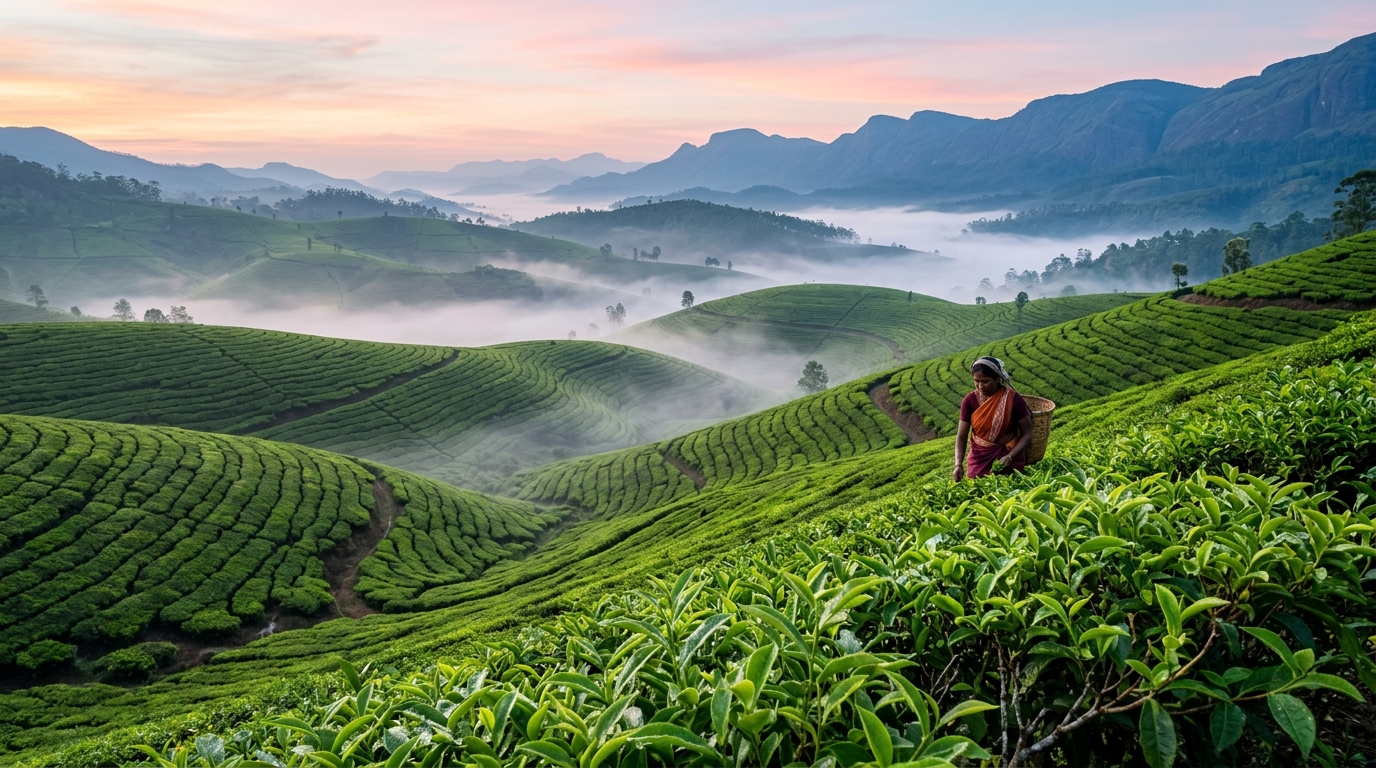
The second week of the south india travel plan shifts the focus toward natural conservation and coastal relaxation. Leaving the hot plains of Tamil Nadu, the route ascends into the Western Ghats, a mountain range older than the Himalayas. This region is home to vast tea estates, spice plantations, and diverse wildlife sanctuaries. Munnar, nestled at an altitude of roughly 1,600 meters (about 5,200 feet), provides a refreshing escape with its mist-shrouded hills and endless green carpets of tea leaves.
No south india travel plan is complete without experiencing the Western Ghats’ unique biodiversity. Spending two days in Munnar allows for leisurely walks through tea plantations and visits to the Eravikulam National Park, which protects the endangered Nilgiri Tahr. From Munnar, heading south toward Thekkady introduces travelers to spice cultivation. Here, cardamoms, pepper, and cinnamon grow in abundance, filling the air with a distinct fragrance.
As reported by the Kerala Tourism Department in their 2023 annual review, the state saw a 15.9% increase in domestic tourist arrivals, highlighting the growing popularity of backwater tourism. This portion of the south india travel plan leads directly into the backwater networks of Kerala. Descending from the hills, the destination is Alappuzha. Here, renting a traditional kettuvallam (a houseboat made of wood and thatched roofs) offers a unique perspective on rural life along the canals. Gliding past palm groves and small lakeside villages is arguably the most relaxing experience on the peninsula. For those prioritizing tranquil backwaters, planning an extended trip via Kerala offers direct access to the classic houseboat circuits of Alappuzha.
The travel plan concludes in the historic port city of Fort Kochi. Walking along the shoreline to view the giant Chinese fishing nets at sunset is a classic ritual. Exploring the narrow streets of Jew Town, visiting the Pardesi Synagogue, and dining on fresh seafood prepared with local spices provides a perfect conclusion to the two-week loop before catching a departure flight from Cochin International Airport.
The second week shifts from heritage landmarks to natural retreats and calm coastlines:
- Days 8-9: Munnar (Western Ghats) – Experience cool mountain air, endless tea gardens, and spot wildlife at Eravikulam National Park.
- Days 10-11: Thekkady (Spice Country) – Tour aromatic spice plantations and enjoy boat safaris in Periyar National Park.
- Days 12-13: Alappuzha (Kerala Backwaters) – Cruise along peaceful canals in a traditional private kettuvallam (houseboat).
- Day 14: Fort Kochi (Historic Port) – View the iconic Chinese fishing nets and explore the streets of Jew Town before departing.
Structuring Your South India Travel Budget
Estimating costs for a south india travel plan depends heavily on the chosen travel style. Fortunately, the region remains highly affordable compared to many Western destinations, offering excellent value across all pricing tiers. A well-structured south india travel plan budget prevents unexpected financial strain during the trip, ensuring that you can enjoy experiences like houseboats and guided tours without constantly checking your balance.
When finalizing a budget for a south india travel plan, splitting costs into clear categories is highly practical. It helps to understand the difference between basic expenses like local trains and premium services like private drivers. To help visualize these divisions, the table below outlines typical daily costs based on three distinct traveler profiles (assuming standard double-occupancy lodging and moderate daily activity levels).
| Expense Category | Budget Traveler (INR / Day) | Mid-Range Traveler (INR / Day) | Premium Traveler (INR / Day) |
|---|---|---|---|
| Accommodation | 800 – 1,500 | 2,500 – 5,000 | 8,000+ |
| Food & Dining | 400 – 600 | 1,000 – 1,800 | 3,000+ |
| Local Transport | 300 – 500 | 1,200 – 2,500 | 4,500+ |
| Activities & Fees | 200 – 400 | 800 – 1,500 | 2,500+ |
Accommodation Choices Across Budgets
Lodging eats up a major portion of any south india travel plan budget. For budget travelers, clean guesthouses and homestays are widely available throughout Karnataka, Tamil Nadu, and Kerala. These properties often provide an authentic look into local domestic life, with hosts who are happy to share home-cooked meals. Many homestays in places like Coorg or Munnar cost less than 1,500 INR per night, making them an incredibly cost-effective choice. Many travelers opt for modern resorts to avoid the humidity. And yet, staying in a traditional heritage homestay offers a deeper cultural connection.
Choosing heritage properties can add immense value to your south india travel plan if you have a slightly higher budget. Mid-range options include boutique hotels, converted plantation bungalows, and modern business hotels in major hubs. For premium travelers, the region boasts world-class luxury resorts, such as restored palaces in Mysore, private pool villas in Kumarakom, and high-end Ayurvedic retreats along the coast of Kovalam.
A highly specialized accommodation option is the traditional houseboat, particularly in Alleppey or Kumarakom. While houseboats are more expensive than standard hotel rooms, they usually operate on an American Plan (AP) – a hotel meal plan that includes all three daily meals prepared fresh by an onboard chef. Investing in a private one-bedroom houseboat for a night is a signature experience that is well worth the splurge, even for mid-range budgets.
Food, Transport, and Activity Costs
Daily expenses are another critical variable in your south india travel plan. Food in South India is famously inexpensive and highly diverse. A classic South Indian breakfast of idli, dosa, and filter coffee at a local darshini (quick-service vegetarian eatery) typically costs under 100 INR. Even mid-range restaurants serving traditional thalis (a platter of diverse curries, rice, and flatbreads) rarely exceed 300 INR per person. Dining at luxury hotels or specialized seafood restaurants in Kochi will naturally increase these figures, but the quality of fresh spices and ingredients remains exceptionally high.
Factoring local food and train tickets into your south india travel plan keeps daily costs manageable. Entrance fees to major monuments and temples are regulated by the Archaeological Survey of India (ASI). While domestic visitors pay minimal fees, foreign tourists face higher rates, typically ranging from 300 to 600 INR per monument. For activities like Kathakali performances, spice plantation tours, or guided walks, budget roughly 500 to 1,500 INR per person.
Pro Tip: When visiting active temples, dress codes are strictly enforced. Both men and women should wear clothing that covers their shoulders and knees. Traditional dhotis or loose trousers are highly recommended, and footwear must always be left at the temple entrance.
Essential Planning Tips for a Seamless Journey
Executing a south india travel plan involves managing several operational details. Because the culture, climate, and infrastructure differ from other parts of the subcontinent, a few pre-trip preparations can save significant time and hassle. These practical adjustments make your south india travel plan far more enjoyable in practice, allowing you to focus on the sights rather than administrative challenges.
First, understanding the local cash economy is crucial. While digital payments like Unified Payments Interface (UPI) are nearly universal for Indian residents, international cards are not always accepted at small roadside shops or rural markets. Keeping a steady supply of low-denomination cash notes is always a smart backup plan. Here are some essential packing items for your trip:
- Lightweight cotton or linen clothing to manage humidity
- Slip-on footwear for easy removal at temple entrances
- A reusable water bottle with an integrated filtration system
- A lightweight scarf or shawl for covering shoulders
Best Time to Visit and Seasonal Insights
Weather plays a decisive role in the timing of your south india travel plan. The southern peninsula experiences three distinct seasons: the cool dry winter, the hot dry summer, and the monsoon season. To maximize the success of your south india travel plan, target the cooler months of November to February. During this window, temperatures in the plains are comfortable, usually ranging between 20°C and 30°C (68°F to 86°F), while the hill stations like Ooty and Munnar can get pleasantly chilly at night.
| Season | Months | Temperature Range | Best For |
|---|---|---|---|
| Winter (Peak) | November – February | 20°C – 30°C (68°F – 86°F) | Sightseeing, beach activities, backwater cruises, and hill stations |
| Summer | March – May | 30°C – 40°C+ (86°F – 104°F+) | High-altitude hill stations (Munnar, Ooty, Kodaikanal) |
| Monsoon | June – September | 24°C – 32°C (75°F – 90°F) | Ayurvedic treatments, lush green scenery, and waterfalls |
The summer months of March to May bring intense heat, with temperatures in inland cities often soaring past 40°C (104°F). This is an ideal time to retreat to the high-altitude hill stations of the Western Ghats, but coastal areas become incredibly humid and challenging for active sightseeing. The monsoon season, which arrives in Kerala in early June and sweeps across the peninsula, brings heavy rainfall that lasts until September. While the monsoons turn the countryside incredibly lush and green, they can disrupt travel schedules and outdoor activities.
Local Transport and Connectivity Options
Transit infrastructure is a vital component of any south india travel plan. The regional rail network is extensive and highly efficient, connecting major cities and mid-sized towns. Booking train tickets well in advance is essential, particularly for air-conditioned sleeper classes (1AC, 2AC, or 3AC) and executive chair cars. The Indian Railways online booking system can be complex for international travelers, so utilizing recognized travel agents or verified booking portals is highly recommended.
Choosing between trains and private drivers is a decision that defines your south india travel plan’s day-to-day comfort. For short distances or scenic mountain routes, hiring a private car with a professional driver is often the most practical choice. It offers the flexibility to stop at roadside temples or scenic viewpoints that trains simply pass by. Local auto-rickshaws are perfect for short urban hops, but always negotiate the fare before boarding. As an FIT traveler (Free Independent Traveler, meaning a tourist who designs their own itinerary rather than buying a package), coordinating these transit options in advance saves significant time and frustration.
FAQs
Is South India safe for solo female travelers?
Generally speaking, South India is widely considered one of the safest regions in India for solo female travelers. The social environment is conservative but generally respectful, and local populations are helpful to visitors. However, practicing standard travel precautions is always wise. Avoid walking alone in poorly lit or isolated areas at night, use registered taxis or ride-hailing apps like Uber or Ola for late-night transit, and dress conservatively to respect local norms. Opting for reputable homestays and mid-range hotels also provides an added layer of safety and local support.
What is the ideal duration for a South India travel plan?
While a 14-day itinerary is ideal, a shorter 7-day south india travel plan is feasible if you focus on a single state like Kerala or Tamil Nadu. Trying to cover multiple states in a single week leads to excessive transit times and very little actual exploration. For a comprehensive south india travel plan that covers Karnataka, Tamil Nadu, and Kerala in depth, three to four weeks are recommended. This extended duration allows for a slower pace, deeper cultural immersion, and dedicated time for off-the-beaten-path destinations like Hampi.
Do I need to carry cash for daily expenses in South India?
Yes, carrying physical cash is highly recommended for daily transactions. While card payments and UPI are widely used in modern establishments, supermarkets, and upscale restaurants, smaller street-side vendors, auto-rickshaw drivers, and rural markets often deal exclusively in cash. Keeping a reserve of small bills (100 and 200 INR notes) is extremely helpful for tipping, buying street snacks, paying temple entrance fees, or purchasing local handicrafts in smaller villages where digital systems might experience network issues.