South India Travel Plan: Essential Tips & Itineraries for an Unforgettable Trip

Planning a comprehensive journey through the southern peninsula of India requires a careful balance between historical exploration, coastal relaxation, and cultural immersion. The vast cultural diversity across the five states of the region means that a single, generic itinerary cannot capture its true essence. To experience this diverse region, a well-structured south india travel plan is essential for optimizing your time and resources. By prioritizing destinations based on seasonal patterns and transport hubs, travelers can secure an enriching experience. This comprehensive guide provides structured itineraries, regional overviews, and logistical advice to help you craft the perfect south india travel plan. Rather than racing through multiple states, a highly strategic approach ensures that you absorb the distinctive architecture, local customs, and natural beauty without travel exhaustion.
Key Takeaways for Your South India Travel Plan
- Optimal Duration: Plan for 10 to 14 days to explore at least two distinct regions comfortably without over-traveling.
- Best Time to Visit: The winter window of October to March offers dry, pleasant climates ideal for sightseeing.
- Seamless Entry: Standard Indian e-Tourist visas are valid; apply online before arriving.
- Smart Transportation: Utilize private hired AC cars for regional flexibility and domestic flights to connect distant hubs.
- Respect Local Norms: Follow modest temple dress codes and remove footwear before entering holy places.
Understanding South India: Geography, Culture, and Charm
To design a structured south india travel plan, one must first comprehend the geographic and cultural forces that shape this vast peninsula. South India is bounded by the Arabian Sea, the Laccadive Sea, and the Bay of Bengal, which creates thousands of kilometers of coastline. This marine proximity historically facilitated trade with global empires (including the Romans, Arabs, and Chinese), leaving a deep imprint on local architecture and social customs. Structuring your south india travel plan around these historical corridors provides deep context to the monuments you will visit.
The Diverse Coastal and Mountainous Landscapes
The physical terrain of South India is defined by two major mountain ranges: the Western Ghats and the Eastern Ghats. The Western Ghats, a UNESCO World Heritage site, run parallel to the western coast, trapping monsoon winds and creating dense tropical rainforests, extensive spice estates, and serene hill stations like Coorg. Moving eastward, the Deccan Plateau descends into fertile plains irrigated by major river systems such as the Kaveri and Krishna. When formulating your south india travel plan, you must decide whether to emphasize the misty hills of Karnataka, the peaceful backwaters of Kerala, or the expansive beaches of Tamil Nadu. Each ecosystem demands different packing lists, transportation speeds, and activity planning.
Historical and Cultural Significance
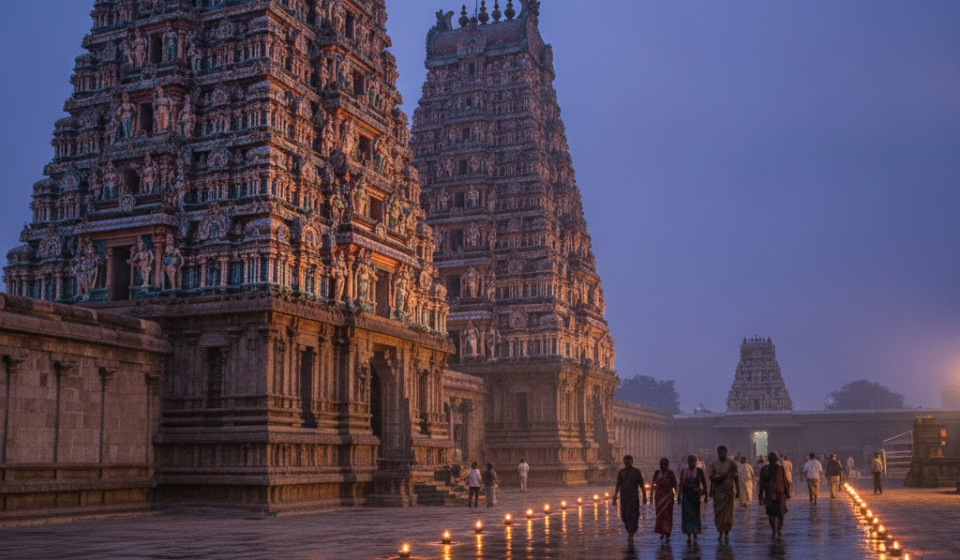
Culturally, the southern states avoided many of the foreign invasions that reshaped northern India. This historical isolation allowed classical Dravidian art, architecture, and language to develop continuously over millennia. Grand dynasties, such as the Cholas, Cheras, Pandyas, Chalukyas, and Vijayanagara emperors, commissioned monumental stone temples that still function as active cultural hubs. Modern travel in this region is characterized by living heritage rather than mere ruins. Integrating these sacred sites into your south india travel plan requires respect for active religious protocols. Many of these temples, such as the Meenakshi Amman Temple in Madurai or the Brihadisvara Temple in Thanjavur, showcase towering gopurams (ornate monumental entrance towers) that dominate the skyline, presenting an architectural scale unmatched in northern regions.
How to Structure Your South India Travel Plan
A successful south india travel plan hinges on realistic transit times. Traveling between major states like Karnataka, Kerala, and Tamil Nadu can be time-consuming due to winding mountain roads and congested urban corridors. When organizing a tailored south india itinerary, selecting specific geographical clusters is critical to avoid spending too much time in transit. To experience the region deeply, choosing a focused south india itinerary is far more rewarding than attempting to cover the entire peninsula in a single week. Designing a balanced south india travel plan involves selecting a central theme, such as heritage temple trails, wildlife sanctuaries, or coastal relaxation.
Key Regional Hubs and Gateways
Your logistics will typically begin at one of the region’s major international airports. Depending on your chosen south india travel plan, select the most strategic gateway:
- Bangalore (Bengaluru): The primary gateway for exploring Karnataka, its coffee plantations, and central hill stations.
- Chennai: Offers seamless access to the heritage corridors, ancient temples, and coastal highways of Tamil Nadu.
- Kochi (Cochin): The ideal entry point for exploring the backwaters, spice plantations, and historic coastal towns of Kerala.
When finalizing your south india travel plan, selecting multi-city flights (arriving in one city and departing from another) can eliminate redundant return journeys, saving valuable vacation days. Utilizing these hubs efficiently ensures your itinerary flows logically without backtracking across long geographical stretches.
Suggested Itinerary: The Classic 10-Day Route
For travelers seeking a balanced overview, a 10-day south india travel plan focusing on Kerala and western Tamil Nadu offers a perfect blend of culture and relaxation. This route starts in Kochi, moves through the high-altitude tea gardens of Munnar, descends to the backwaters of Alappuzha, and concludes near the southern coast of Kerala. It provides a cohesive experience of the region’s famous natural assets.
- Days 1-2: Arrival in Kochi – Explore the historic Fort Kochi area, known for its Chinese fishing nets, Portuguese-built churches, and Spice Bazaar.
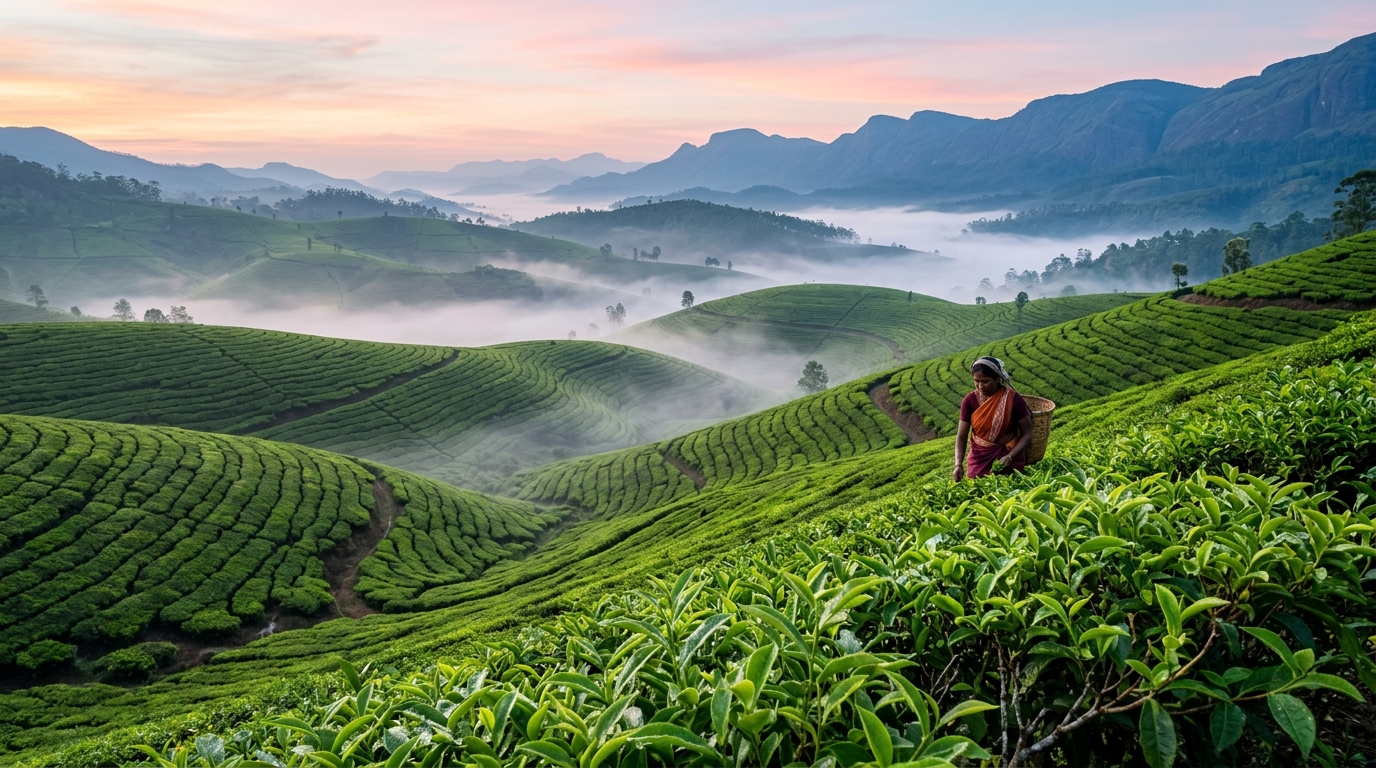
- Days 3-4: Munnar – Travel to the Western Ghats to walk through rolling tea estates, visit the Tata Tea Museum, and experience cooler mountain climates.
- Days 5-6: Thekkady (Periyar) – Engage in guided spice plantation walks and embark on a boat safari in Periyar National Park to spot wild elephants.
- Days 7-8: Alappuzha (Alleppey) – Check into a traditional wooden houseboat for an overnight cruise through the intricate network of backwaters.
- Days 9-10: Kovalam and Departure – Conclude your journey on the pristine beaches of Kovalam before departing from Trivandrum International Airport.
This structured progression minimizes travel fatigue by incorporating scenic overland journeys between Munnar and Thekkady, keeping road transit times down to roughly four hours per leg. Selecting this particular route for your south india travel plan guarantees a smooth transition from historical harbor towns to tranquil misty mountains and ultimately to slow-paced coastal environments.
The Comprehensive 14-Day Grand South Tour
For those with two weeks to spare, your south india travel plan can expand to incorporate the cultural treasures of Tamil Nadu alongside the landscapes of Kerala. This historical route bridges the Bay of Bengal with the Arabian Sea, tracing the ancient kingdoms of the south.
- Days 1-2: Chennai to Mahabalipuram – Land in Chennai and drive directly to Mahabalipuram to view the UNESCO-listed 7th-century rock-cut shore temples.
- Days 3-4: Pondicherry – Experience the distinctive French Quarter, cycle through quiet colonial streets, and visit the experimental township of Auroville.
- Days 5-6: Tanjore (Thanjavur) and Trichy – Marvel at the massive Brihadisvara Temple and climb the Rockfort Temple in Tiruchirappalli.
- Days 7-8: Madurai – Experience the evening ceremonies at the majestic Meenakshi Amman Temple and explore the bustling local markets.
- Days 9-10: Periyar National Park – Cross the state border into Kerala, entering the spice-growing highlands of the Western Ghats.
- Days 11-12: Kumarakom – Stay in a lakefront resort and enjoy peaceful canoe rides through the rural canals of Lake Vembanad.
- Days 13-14: Kochi Departure – Wrap up your holiday with a Kathakali dance performance in Fort Kochi before flying out.
By crossing the peninsula from east to west, this itinerary offers an unparalleled look at the stark geographical and linguistic shifts between the states of Tamil Nadu and Kerala. Your south india travel plan becomes a dynamic cultural study as you observe how the dry, temple-studded terrain of the east gradually softens into the lush, water-rich palm groves of the west.
Seasonal Guide: The Best Time to Visit South India
Weather is a critical variable when implementing your south india travel plan. The tropical climate means that temperatures remain warm throughout the year, but variations in rainfall and humidity can dramatically alter your sightseeing experience. Selecting the best time to visit south india is essential to avoid extreme weather patterns that could disrupt transport networks.
Winter (October to March)
This period is widely considered the prime window for executing any south india travel plan. During these months, the intense monsoon rains have subsided, leaving behind lush, green scenery and mild, pleasant temperatures. Daytime temperatures typically range from 22°C to 30°C (71°F to 86°F), making it comfortable for walking tours of ancient temples and exploring urban markets. It is also the ideal time for wildlife viewing, as animals frequently gather around watering holes in parks like Bandipur, Kabini, and Periyar. Because of these optimal conditions, winter represents the peak tourist season, meaning that early bookings for accommodations and flights are highly recommended to secure reasonable rates.
Monsoon (June to September)
For travelers who prefer lush scenery and fewer crowds, incorporating the monsoon season into your south india travel plan offers a highly unique perspective. South India receives rainfall from two distinct monsoons: the Southwest monsoon (commencing in June) and the Northeast monsoon (bringing rain to Tamil Nadu in October and November). During this season, the hill stations of Munnar and Coorg transform into green havens with active waterfalls. Kerala is also particularly famous for its Ayurvedic wellness treatments during the rains, as traditional wisdom holds that the body is highly receptive to therapeutic oils in cool, humid weather. However, heavy rains can occasionally cause transport delays and landslides in hilly areas, so your schedule must remain flexible.
Summer (April to May)
The summer months bring intense heat and high humidity to the lowlands of South India, with inland temperatures often exceeding 40°C (104°F). If your south india travel plan is scheduled during this time, it is wise to focus your itinerary on high-altitude retreats. Hill stations such as Ooty, Kodaikanal, and Coorg offer a pleasant escape, where elevations keep the air crisp and refreshing. Coastal areas remain breezy but humid, making early morning or evening beach visits the only practical option. Planning indoor activities, such as visiting museums or historic palaces during the midday heat, is crucial for maintaining comfort.
Essential Travel Tips and Logistical Considerations
Executing an international or domestic trip requires careful attention to logistical details to prevent avoidable delays. When you structure a south india travel plan, you must deal with different state tax regulations, language barriers, and transportation systems. A thoughtful travel strategy will enable you to transition smoothly between distinct cultural regions.
Transportation Networks: Trains, Flights, and Roadways
South India boasts an extensive transport infrastructure, but selecting the right mode of travel is key. For long distances, the Indian Railways network offers an immersive and cost-effective option. Booking higher-class coaches, such as 2AC or 3AC, provides air-conditioned comfort and sleeper berths for overnight journeys. For regional travel, hiring a private air-conditioned vehicle with a professional driver is often the most efficient choice for a personalized south india travel plan. Private drivers offer flexibility, allowing you to stop at roadside temples or spice markets at your own pace. Many travelers choose pre-arranged south india tour packages that bundle these private cars with luxury hotel accommodations to simplify the planning process.
| Transport Mode | Best For | Pros | Cons |
|---|---|---|---|
| Private AC Car & Driver | Short to mid distances, custom itineraries, rural exploration | Extreme flexibility, door-to-door transit, local insider knowledge | Higher cost compared to public transport |
| Indian Railways (Train) | Long-distance overnight travel, budget-friendly cross-state trips | Highly cost-effective, culturally immersive, comfortable sleeper options (2AC/3AC) | Requires booking weeks in advance, fixed schedules |
| Domestic Flights | Quick transits between major hubs (e.g., Chennai to Kochi) | Saves significant travel time over long distances | Misses out on scenic views, additional baggage fees |
Cultural Etiquette and Local Customs
Cultural sensitivity is paramount when executing your south india travel plan, especially when visiting active religious centers. Keep the following guidelines in mind:
- Dress Modestly: Most temples require both men and women to cover their shoulders and knees. Some traditional shrines in Kerala may mandate that men wear a traditional dhoti (sarong) and remain bare-cheested.
- Remove Footwear: Always take off your shoes and socks before entering temple complexes, historic sanctums, or local residences.
- Respectful Photography: Always ask for permission before taking photographs of devotees, priests, or active religious ceremonies inside sacred structures.
Culinary Traditions and Dietary Safety
South Indian cuisine is incredibly diverse, offering lighter, rice-based alternatives to the wheat-heavy dishes of northern India. Ensure dietary safety with these practices:
- Savor Iconic Staples: Try light and local options like dosas, idlis, and vadas for breakfast.
- Explore Regional Specialties: Sample fiery Chettinad curries in Tamil Nadu and coconut-infused seafood in coastal Kerala.
- Hydration and Safety: Stick strictly to sealed mineral water bottles, ensure food is served steaming hot, and choose busy restaurants with high local foot traffic.
Comparing Key Destinations for Your Travel Plan
| Destination | Primary Attraction Type | Key Highlights | Recommended Duration | Ideal Traveler Type |
|---|---|---|---|---|
| Kerala Backwaters | Nature & Wellness | Houseboat cruises, Ayurvedic treatments, peaceful waterways | 2-3 Days | Couples, families, and wellness seekers |
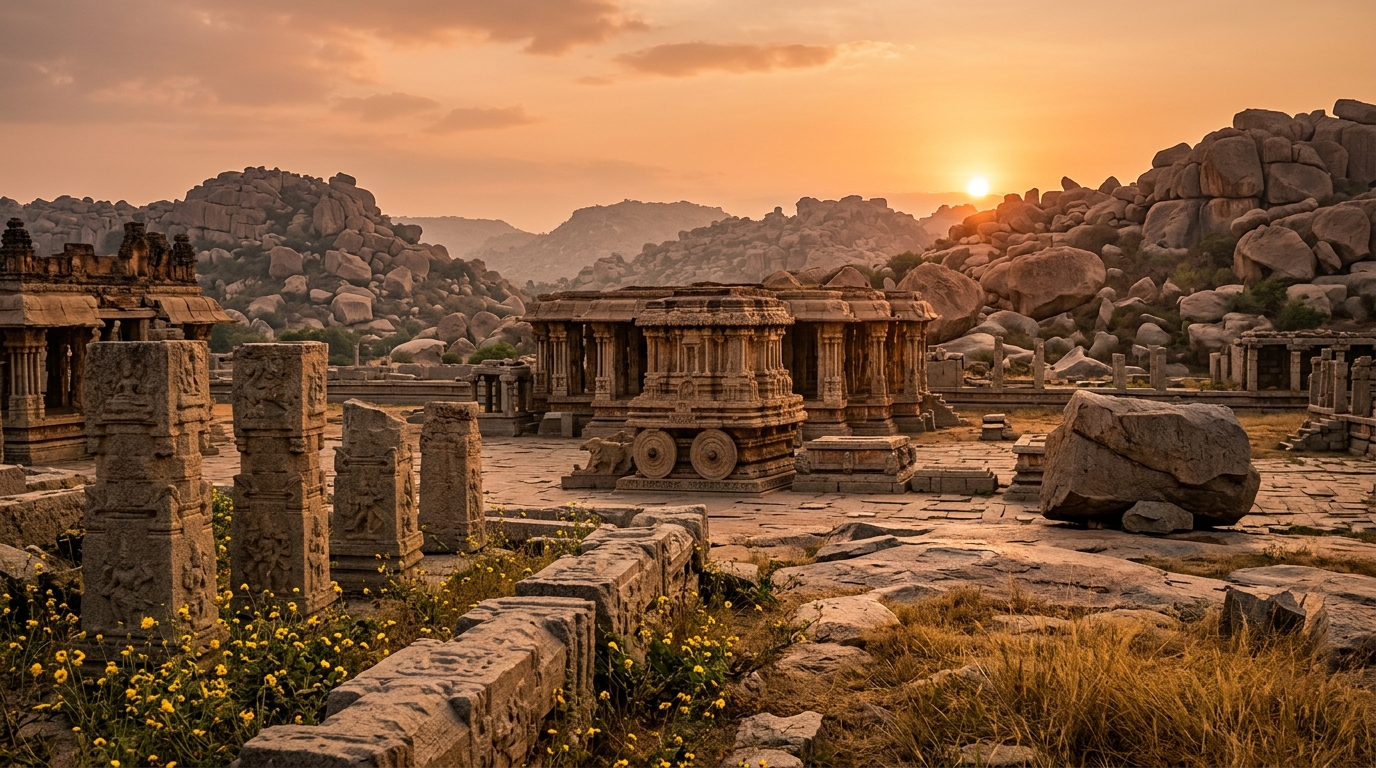
| Hampi (Karnataka) | Historical Heritage | Ancient ruins, boulder terrain, Virupaksha Temple | 3 Days | History enthusiasts and photographers |
| Madurai (Tamil Nadu) | Cultural & Spiritual | Meenakshi Amman Temple, cultural markets, heritage walks | 2 Days | Cultural travelers and spiritual seekers |
| Coorg (Karnataka) | Nature & Adventure | Coffee plantation tours, misty hills, nature trekking | 3 Days | Nature lovers and outdoor adventurers |
| Pondicherry | Coastal Leisure | French colonial architecture, cycling, experimental towns | 2 Days | Relaxed travelers and heritage fans |
This comparative table demonstrates that a balanced south india travel plan must match regional strengths with your travel style. While a history enthusiast will find Hampi deeply satisfying, a traveler seeking relaxation will find Kerala’s backwaters or the quiet beaches of Pondicherry more appropriate. Integrating these distinct elements ensures a diverse and engaging vacation.
FAQs
How many days are ideal for a South India travel plan?
An ideal south india travel plan should span at least 10 to 14 days. This timeframe allows you to cover two major regions (such as Kerala and western Tamil Nadu) without spending too much time in transit. If you wish to see all five southern states, a duration of at least three to four weeks is required. For shorter trips of 5 to 7 days, it is highly recommended to focus exclusively on a single state to maximize your immersion.
Is South India safe for solo female travellers?
Generally speaking, South India is considered highly safe for solo female travelers, with states like Kerala and Tamil Nadu frequently reporting low crime rates against tourists. However, standard travel precautions should still be observed. It is wise to avoid late-night travel in unlit areas, use pre-booked registered taxis, and dress modestly in compliance with local customs. Staying in well-reviewed boutique hotels or reputable homestays also provides an extra layer of comfort and reliable local guidance.
Do I need a specific visa to visit South India?
There is no regional visa required for South India; a standard Indian tourist visa is valid across the entire country. Most international visitors can conveniently apply for an e-Tourist Visa online prior to departure. Ensure that your passport has at least six months of validity remaining from your date of arrival and contains two blank pages for entry stamps. Always print a physical copy of your approved e-Visa to present at immigration checkpoints upon arrival.