
Summer travel in India has historically revolved around a predictable circuit of colonial-era hill stations. For decades, families and solo travelers alike defaulted to the cool altitudes of Shimla, Ooty, or Manali. Today, however, that traditional travel pattern is proving increasingly difficult to justify. Overtourism, gridlocked mountain roads, and soaring seasonal pricing have collectively stripped the charm from these iconic retreats. Travelers seeking authentic solace are forced to look further afield. Finding the right may places to visit in india now requires a strategic shift away from the mainstream and toward the country’s hidden valleys and high-altitude sanctuaries. This guide moves past the typical crowded lookouts to explore pristine, lesser-known locations where serenity, lower temperatures, and deep cultural experiences still coexist.
Choosing an alternative path not only rewards the traveler with peaceful landscapes but also contributes to geographic dispersal. This concept (essentially spreading tourism traffic across wider regions) is vital for preserving delicate ecosystems. By looking beyond the usual brochures, one can find sanctuaries where the morning air remains crisp and the local heritage remains authentic.
Key Takeaways for Your May Travels
- Beat the Crowds: Swapping mainstream hill stations for offbeat destinations avoids overtourism, traffic jams, and inflated prices.
- Ecological Balance: Traveling to lesser-known locations supports geographic dispersal, preserving fragile mountain ecosystems.
- Diverse Regions: India offers cool alternatives in May across the North (Gurez, Tirthan), Northeast (Ziro, Yuksom), and South/West (Pollibetta, Amboli).
- Cultural Depth: Offbeat places provide genuine connections with unique local communities, like the Dard-Shin of Kashmir or the Apatani of Arunachal Pradesh.
- Logistical Readiness: Remote travel requires careful planning, including securing Inner Line Permits (ILPs) and carrying physical cash.
Rethinking Summer Travel: Why Offbeat Matters in May
The traditional summer migration to the hills often results in an experience that closely mirrors urban stress. Popular destinations frequently experience severe water shortages, overloaded municipal systems, and traffic bottlenecks that can keep travelers stranded for hours. This phenomenon highlights the critical need to respect the carrying capacity of mountain ecosystems. Carrying capacity defines the maximum visitors an area can sustain without environmental degradation. When analyzing the ideal may places to visit in india, choosing lesser-known destinations helps balance this ecological equation. It ensures that your leisure does not come at the cost of local ecological strain.
Equally important, the search for cooler may places to visit in india should not merely be about escaping heat. It should be an opportunity for genuine cultural and natural engagement. Offbeat travel offers a deeper, more intentional connection with the land and its people. This approach stands in stark contrast to the superficial sightseeing loops of highly commercialized towns. To illustrate this shift, let us compare the physical and environmental differences between popular hubs and offbeat alternatives.
| Mainstream Destination Challenges | Offbeat Destination Advantages |
|---|---|
| High vehicular emissions and severe road congestion. | Quiet, walkable trails with minimal vehicular traffic. |
| Exorbitant seasonal hotel rates and crowded accommodation. | Reasonably priced homestays with authentic local hospitality. |
| Strained local infrastructure, including water and waste systems. | Lower ecological footprint and sustainable resource consumption. |
| Commercialized dining options that lack regional authenticity. | Organic, home-cooked regional meals prepared with local produce. |
While some travelers might hesitate to venture off the beaten path due to minor infrastructural limitations, the benefits are undeniable. But still, the tranquility of a quiet valley easily eclipses the convenience of a crowded resort street.
Hidden Gems of Northern India
The northern mountains of India host some of the most dramatic landscapes on earth. While crowds flock to major resort towns, several high-altitude valleys offer pristine alternatives that are exceptionally comfortable in late spring.
Gurez Valley, Kashmir: The Untouched Frontier
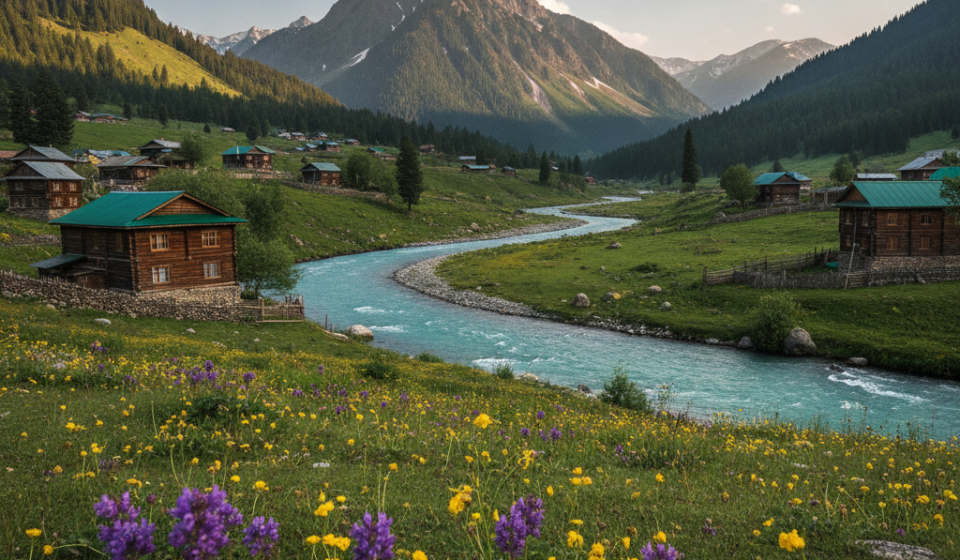
Located roughly 123 kilometers from Srinagar, Gurez Valley represents a significant departure from standard may places to visit in india. This high-altitude valley sits at an average elevation of about 2400 meters (depending on the specific village location). This altitude ensures a cool, temperate climate throughout the late spring. The valley is bisected by the turquoise waters of the Kishanganga River and is watched over by the towering, pyramid-shaped peak of Habba Khatoon. Gurez represents one of the most unique may places to visit in india for seekers of true solitude. It is a region that remains blissfully isolated for half the year due to heavy snowfall.
According to tourism department records from last season, Gurez Valley witnessed a steady rise in domestic visitors after travel regulations were streamlined, making it a highly protected yet accessible sanctuary for offbeat explorers.
A major highlight of visiting Gurez is the opportunity to interact with the Dard-Shin community. This group possesses a distinct language, culture, and history that differs significantly from the broader Kashmiri population. Visitors can wander through traditional log-wood villages like Dawar, where local customs have remained intact for centuries. For those planning a trip, booking through structured customized Kashmir tour packages can simplify the logistical challenge of organizing transport and local stays. Gurez remains arguably the most well-preserved valley in the entire northern belt. Compared to other high-altitude may places to visit in india, Gurez remains wonderfully preserved because it has only recently been opened to regular tourism.
The landscape offers an array of pristine experiences for the mindful traveler:
- Rolling Alpine Meadows: Perfect for leisurely strolls amidst wild flowers and towering pine forests.
- Outdoor Adventures: An exceptional sanctuary for light trekking, river-side photography, and Himalayan bird watching.
- Stargazing: Unparalleled night-sky clarity free of urban light pollution, offering a rare view of the Milky Way.
- Rustic Authenticity: While lacking high-end luxury resorts, the raw beauty of cozy local homestays offers unmatched genuine hospitality.
Tirthan Valley, Himachal Pradesh: An Angler’s Paradise
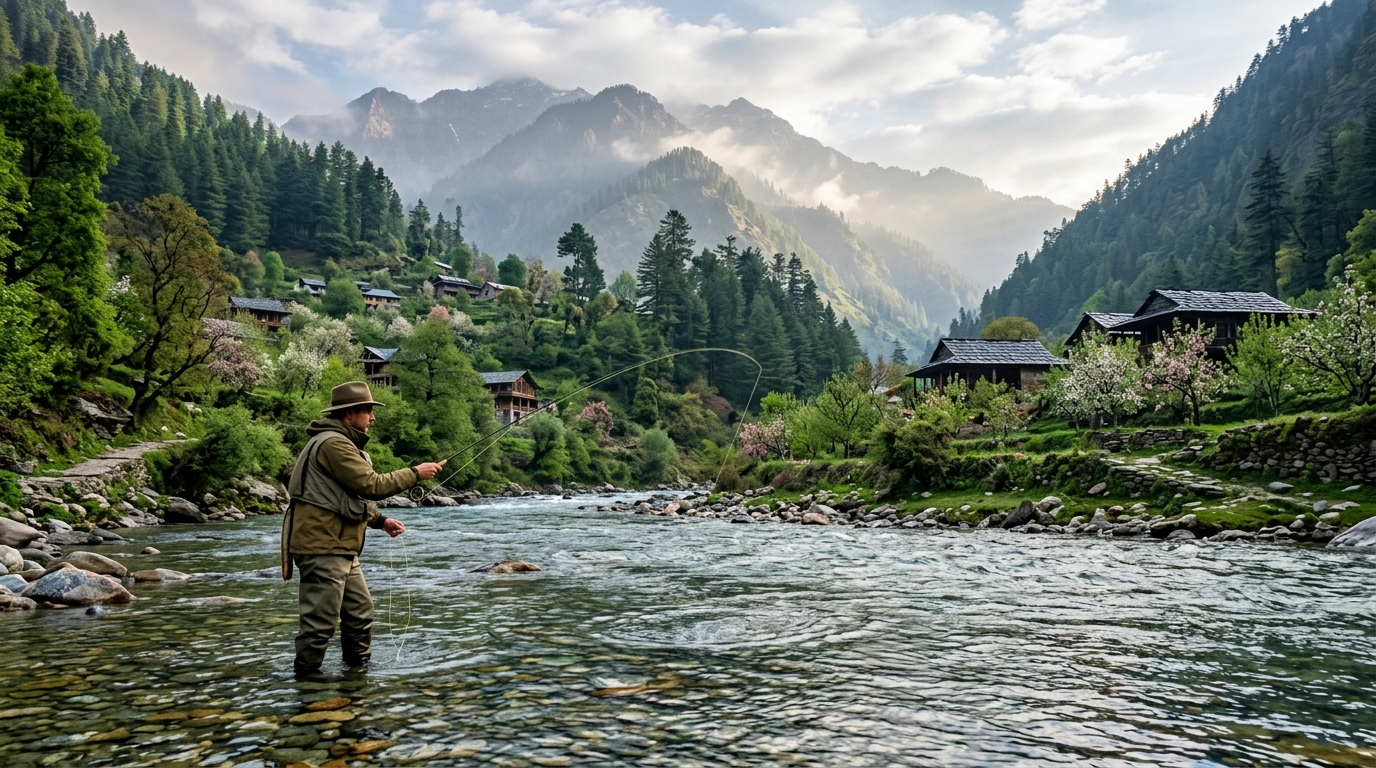
For those who wish to avoid the heavy commercialization of neighboring Kullu or Manali, Tirthan Valley provides a refreshing, peaceful alternative. When compiling a list of ideal may places to visit in india, Tirthan Valley deserves a top spot for its balance of accessibility and natural beauty. Named after the pristine Tirthan River, which originates from the icy heights of the Great Himalayan National Park (a UNESCO World Heritage site), this valley is a haven for eco-tourists and outdoor enthusiasts.
Tirthan stands out from more commercialized may places to visit in india by limiting large-scale resort development. Instead, the valley features charming wooden cottages and local homestays nested among apple orchards and pine groves. The area is highly regarded as an angler’s paradise, famous for its wild brown and rainbow trout. Angling here is strictly regulated, requiring local permits that help preserve the aquatic ecosystem.
Tirthan Valley offers an array of immersive activities that showcase its slow-paced charm:
- Exploring GHNP: Hiking through UNESCO-listed Great Himalayan National Park among dense oak and deodar forests.
- Wildlife Spotting: Searching for rare avian species, including the elusive Western Tragopan.
- Chhoie Waterfall Hike: A short, refreshing trek leading to a cascading mountain waterfall.
- Riverbank Relaxation: Spending quiet afternoons reading or angling by the cold, rushing waters of the Tirthan River.
Offbeat Treasures in Northeast India
The northeastern region of India remains a frontier of deep forests, unique cultural groups, and unparalleled biodiversity. In late spring, when the plains of India experience peak temperatures, these hill stations offer a cool sanctuary.
Ziro Valley, Arunachal Pradesh: Cultural Immersion and Pine Forests
Nestled in the lower Subansiri district, Ziro Valley offers a landscape that feels entirely distinct from any other mountain destination. This flat, high-altitude valley is surrounded by pine-clad hills and is home to the Apatani tribe. The Apatanis are globally recognized for their sustainable agricultural practices, particularly their unique system of integrated wet rice-fish cultivation. This cultural immersion makes Ziro one of the highly recommended may places to visit in india for heritage enthusiasts.
Unlike the standard may places to visit in india that experience heavy tourist traffic and commercial commercialization, Ziro maintains a peaceful, slow-paced atmosphere. The local villages, such as Hong and Hari, feature traditional bamboo houses constructed on stilts. Visitors can learn about the tribe’s deeply rooted animist beliefs, specifically their worship of the sun and the moon (known as Donyi-Polo). This highlights why Ziro remains one of the most culturally significant may places to visit in india.
The climate in May is pleasantly cool, with daytime temperatures averaging around 20 degrees Celsius. The valley also offers trails through the Talley Valley Wildlife Sanctuary. This sanctuary is home to rare species such as the clouded leopard. Exploring this valley requires an Inner Line Permit (ILP), which helps regulate visitor numbers and protects the delicate local ecosystem. It represents an experience that is deeply authentic, visually stunning, and culturally enriching.
Yuksom, Sikkim: The Historical Gateway
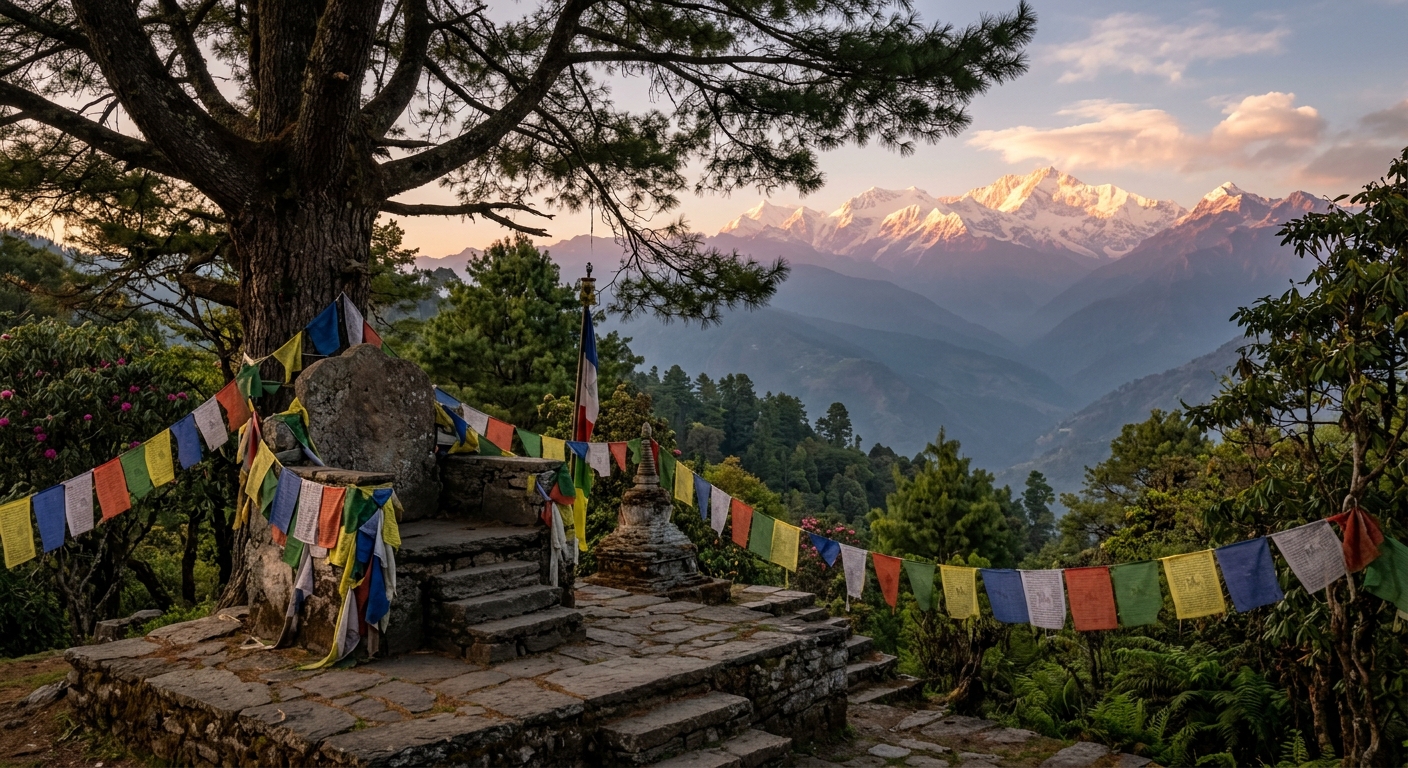
For travelers looking to combine history with high-altitude scenery, Yuksom is a vital inclusion among historical may places to visit in india. Located in the West Sikkim district, Yuksom was the first capital of the Kingdom of Sikkim, established in 1642. It is the coronation site of the first Chogyal (king) of Sikkim, marked by the historic Norbugang Coronation Throne, which still stands under a giant pine tree.
When analyzing the historical value of various may places to visit in india, Yuksom stands apart because it serves as the literal trailhead for the famous Dzongri-Goechala trek. This trek offers some of the most spectacular, close-up views of Mount Kanchenjunga, the third-highest mountain in the world. Even for non-trekkers, Yuksom offers shorter walks to ancient monasteries like the Dubdi Monastery.
Those examining different may places to visit in india will find that Yuksom offers a tranquil environment characterized by lush subtropical forests, clear mountain streams, and rich biodiversity. The village has a strong commitment to eco-tourism, with local communities actively managing waste and preserving the surrounding environment. It represents a peaceful, meditative escape where one can connect deeply with nature and Buddhist heritage.
Serene Escapes in Southern and Western India
While northern and northeastern India contain many of the country’s highest peaks, the southern hills and western highlands host several high-altitude sanctuaries that escape the intense summer heat.
Pollibetta, Coorg: The Coffee-Scented Sanctuary
Coorg is a popular destination, but Pollibetta offers a lush, Southern alternative to the typical northern may places to visit in india. Located in the southern part of Coorg, Pollibetta is a quiet town dominated by vast, historic coffee estates, pepper plantations, and tall silver oak trees. Its dense canopy cover maintains a comfortable microclimate.
Among the southern may places to visit in india, this estate enclave provides unparalleled privacy and luxury. Visitors can stay in beautifully restored colonial-era bungalows, where they can wake up to the rich aroma of fresh Arabica and Robusta coffee. The area is a paradise for bird watchers, with over 150 species of birds recorded in the plantations, including the Malabar Grey Hornbill and various sunbirds.
This makes Pollibetta a quiet champion among southern may places to visit in india. It is an ideal spot for those who wish to spend their days taking leisurely walks through shady plantations, learning about the coffee-making process, or simply relaxing on a veranda with a book. It offers a slow, luxurious pace of life that is difficult to find in more commercialized hill stations.
Amboli, Maharashtra: The Misty Eco-Hotspot
Located in the southern range of the Western Ghats, Amboli is a quiet hill station that sits at an altitude of approximately 690 meters. While this altitude is lower than its northern counterparts, Amboli benefits from its proximity to the Arabian Sea, resulting in early pre-monsoon showers and misty weather by late May. For those tracking biological diversity in may places to visit in india, Amboli represents an exceptional choice due to its status as a recognized ecological hotspot.
This mist-covered village is an anomaly among the dry, hot may places to visit in india during late spring. The surrounding forests are teeming with unique amphibians, reptiles, and endemic plant species. During late May, the forests come alive with endemic wildlife, making it a prime destination for photographers.
Western Ghats forest pockets are excellent may places to visit in india for nature photography. Visitors can explore the historic Madhavgad Fort, which offers panoramic views of the coastal plains, or visit the origin of the Hiranyakeshi River, where a small temple sits next to a sacred water tank. Amboli represents a peaceful, raw nature experience that provides a cool, misty contrast to the hot summer plains.
Comparing May Travel Destinations
To help travelers make an informed choice, evaluating these diverse may places to visit in india helps match personal travel goals with the right destination. Each of these hidden gems offers a distinct experience, whether you seek high-altitude adventure, deep cultural immersion, or peaceful nature walks. The following detailed analysis of these top may places to visit in india highlights key metrics to guide your planning.
| Destination | Region | Primary Attraction | Average May Temperature | Ideal Trip Duration |
|---|---|---|---|---|
| Gurez Valley | Jammu & Kashmir | Kishanganga River & Dard-Shin Culture | 12°C to 20°C | 4-5 Days |
| Tirthan Valley | Himachal Pradesh | Angling & National Park Treks | 15°C to 25°C | 3-4 Days |
| Ziro Valley | Arunachal Pradesh | Apatani Tribe & Pine Forests | 18°C to 24°C | 4-5 Days |
| Yuksom | West Sikkim | Historical Monasteries & Treks | 14°C to 22°C | 3-4 Days |
| Pollibetta | Coorg, Karnataka | Coffee Estate Bungalows & Birding | 20°C to 28°C | 2-3 Days |
| Amboli | Maharashtra Ghats | Misty Forests & Amphibian Trails | 22°C to 28°C | 2-3 Days |
This comparison highlights that while some destinations offer cold alpine air, others provide cool, misty highlands. It is basically a choice between rugged high-altitude frontiers and lush forest canopies.
Crucial Travel Logistics for May Expeditions
Planning an itinerary around offbeat may places to visit in india requires specific preparations that differ from a standard holiday. Because many of these unique may places to visit in india lie in remote zones, packing demands careful thought and local regulations must be strictly respected. For instance, traveling to Arunachal Pradesh or parts of Sikkim requires specific government permits.
Permit requirements are a common feature of several premium may places to visit in india. To ensure a smooth journey, travelers should prepare the following items:
- Government Identification: Carry multiple physical copies of your Aadhaar card, passport, and passport-sized photographs, as digital copies may not be accepted in remote checkpoints with poor connectivity.
- Inner Line Permits (ILP): Apply for permits online at least two weeks before your trip for states like Arunachal Pradesh and restricted areas of Sikkim and Kashmir.
- Cash Reserves: ATMs are often scarce or non-functional in deep valleys like Gurez or Tirthan, making cash the only reliable method of payment.
To navigate these logistical nuances smoothly, keep this permit and connectivity overview in mind before setting out on your journey:
| Destination | Permit Required? | ATMs & Connectivity | Best Route / Access Point |
|---|---|---|---|
| Gurez Valley | Yes (ID registration at checkpoints) | Extremely limited; carry cash. Minimal mobile network. | Srinagar to Bandipora to Razdan Pass |
| Tirthan Valley | No (Permit needed only for GHNP treks) | Available in nearby Aut/Aut tunnel; spotty in valley. | Chandigarh to Aut via NH21 |
| Ziro Valley | Yes (Inner Line Permit / PAP for foreigners) | Available in Ziro town; network is decent (Jio/Airtel). | Guwahati to Naharlagun by train, then taxi |
| Yuksom | No (Permits needed only for high-altitude treks) | Limited ATMs; network coverage is moderate. | Bagdogra Airport / NJP Railway Station to Geyzing |
| Pollibetta | No | Easily available in Gonikoppal; excellent network. | Kannur International Airport or Bangalore by road |
| Amboli | No | Available in Sawantwadi; decent network connectivity. | Goa Airport (Mopa) or Sawantwadi Railway Station |
Alongside packing, maintaining a low Responsible Travel Footprint (RTF) is critical. Travelers should carry reusable water bottles, avoid single-use plastics, and respect local waste disposal guidelines. When packing, a layered approach is recommended because high-altitude areas experience rapid temperature drops as the sun sets.
- Windproof jacket: Essential for chilly mountain evenings.
- Sturdy hiking shoes: Crucial for navigating unpaved trails and riverbeds.
- Eco-friendly personal care items: Biodegradable soaps and shampoos to avoid contaminating pristine water sources.
- Personal first-aid kit: Including motion sickness pills and standard altitude medications.
By preparing thoroughly, you can minimize potential disruptions and focus on enjoying these extraordinary landscapes.
Conclusion
Choosing alternative may places to visit in india is more than a way to beat the summer heat. It is a conscious decision to support local communities, preserve delicate mountain ecosystems, and experience the country’s diverse landscapes in their most authentic form. Whether you find yourself listening to the whispers of pine trees in Ziro Valley, walking along the coffee-scented trails of Pollibetta, or exploring the ancient history of Yuksom, these destinations offer a rare sense of peace that mainstream spots can no longer provide.
The transition to sustainable exploration in these outstanding may places to visit in india starts with a single mindful trip. By stepping off the crowded tourist trail and embracing these lesser-known valleys, you can discover a side of India that remains timeless and untouched. It is time to plan a summer escape that truly rewards your curiosity.