South India Travel Plan: Your Ultimate Guide to Planning an Unforgettable Trip

South India remains one of the most culturally distinct and geographically diverse regions of the Asian continent. For decades, travelers have been drawn to its ancient temple complexes, mist-covered spice hills, and calm coastal waters. Yet, executing a structured journey through this vast peninsula requires more than just booking random flights and hotels. It demands a deliberate, highly organized approach. A properly designed South India travel plan is not merely a checklist of famous sights. It is a strategic roadmap that balances travel distances, respects seasonal climate shifts, and honors deep local traditions. Without a clear South India travel plan, the sheer scale of the southern states can quickly become overwhelming, turning an eagerly anticipated holiday into a chaotic logistical challenge. This comprehensive guide provides the necessary geographical insights and curated itineraries to establish a highly effective framework for exploring the region.
Key Takeaways
- Strategic Route Design: A successful South India travel plan must limit geographical coverage to keep transit times reasonable and avoid travel fatigue.
- Climate Considerations: The peak winter season (October to March) provides the most moderate weather for exploring ancient temples and coastal towns.
- Diverse State Cultures: Each southern state has a distinct identity, from Kerala’s serene lagoons to Tamil Nadu’s majestic Dravidian temples and Karnataka’s royal history.
- Early Bookings: Securing train tickets, heritage homestays, and houseboat bookings 3 to 4 months in advance is essential for a seamless trip.
Defining Your South India Travel Plan: Geography and Key States
To craft a realistic South India travel plan, one must first understand the political and physical geography of the peninsula. South India comprises five main states and distinct union territories, each offering a unique cultural experience:
- Kerala: Famous for its coastal lagoons, backwaters, and Ayurvedic heritage.
- Tamil Nadu: Renowned for its ancient Dravidian temple architecture and classical arts.
- Karnataka: Known for historic empires, technology hubs, and misty coffee hills.
- Andhra Pradesh and Telangana: Famous for rich culinary heritage, monuments, and dynamic cities.
- Puducherry and Lakshadweep: Union territories offering French colonial charm and pristine island coral reefs.
Geographically, the region is bounded by the Arabian Sea to the west, the Bay of Bengal to the east, and the Indian Ocean to the south. The dominant physical features are the Western Ghats and the Eastern Ghats. These mountain ranges run parallel to the coasts and meet at the Nilgiri Hills. Additionally, the region is drained by major river systems, including the Godavari, Krishna, and Kaveri, which flow eastward across the Deccan Plateau before emptying into the Bay of Bengal. The Western Ghats act as a major barrier, capturing monsoon rains and creating a lush, humid strip of land along the western coast. Depending on the source, the Western Ghats are home to thousands of endemic species (making it one of the world’s hottest biodiversity hotspots). Thus, a balanced South India travel plan should not try to cover all these diverse terrains in a single brief trip. A thoughtful South India travel plan focuses on a smaller geographical band to maximize enjoyment and keep transit times reasonable. Understanding these boundaries is arguably the most critical step in designing your route.
Best Time to Visit South India
Another critical aspect of any South India travel plan is timing. The climate of South India is predominantly tropical, but regional variations are significant due to the influence of the mountain ranges and the monsoons. Roughly speaking, the region experiences three primary seasons: winter, summer, and monsoon.
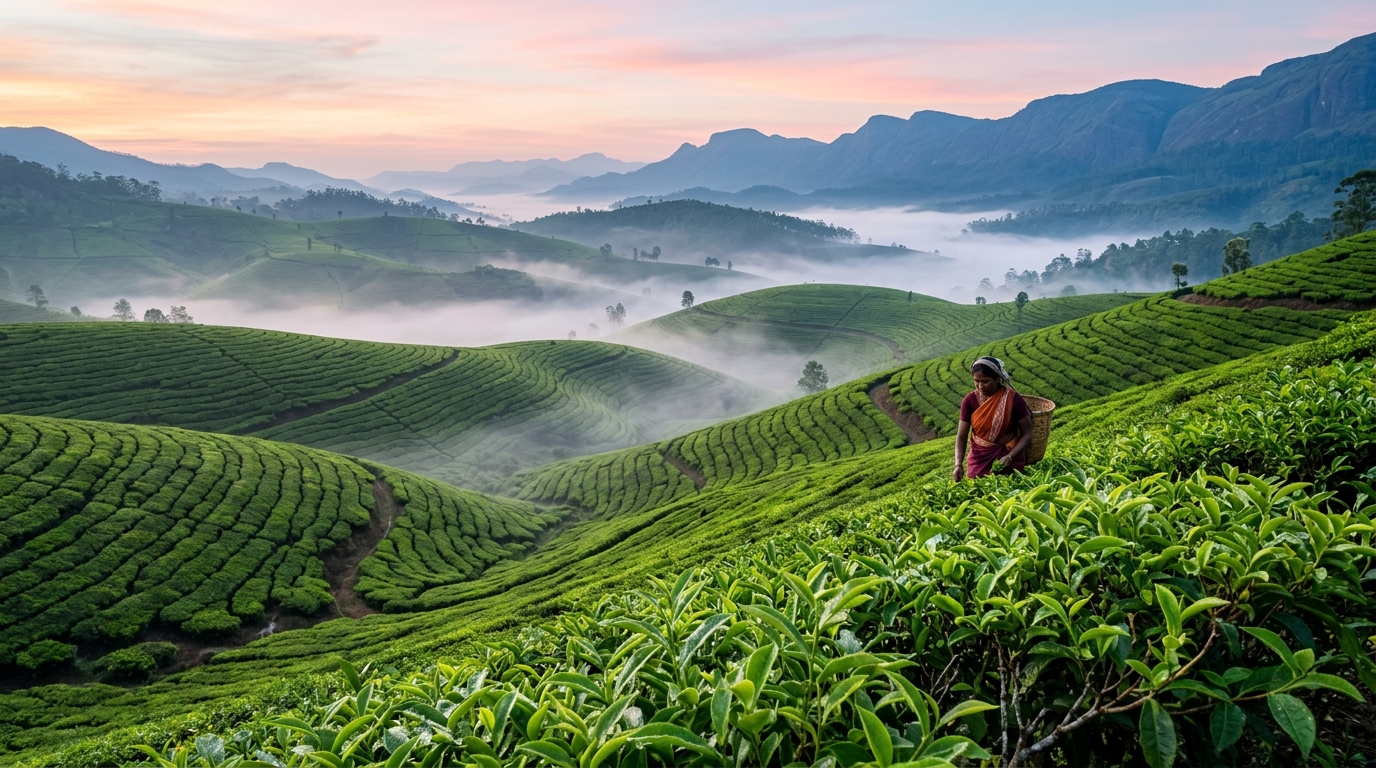
The winter season, which spans from October to March, is widely considered the peak period for travel. During these months, temperatures are moderate, and humidity levels are at their lowest. This is the ideal time for temple sightseeing, beach excursions, and wildlife safaris. Conversely, the summer season, running from March to May, brings intense heat to the interior plains. However, this is an excellent time to retreat to the high-altitude hill stations of the Western Ghats, such as Munnar or Coorg, where the air remains cool.
As reported by regional meteorological studies over the last few years, the monsoon season occurs in two waves. The Southwest Monsoon hits the western coast in June and lasts through September, bringing heavy rainfall to Kerala and Karnataka. A well-thought-out South India travel plan accounts for these regional monsoon variations to avoid unexpected travel delays. By aligning your South India travel plan with these seasonal realities, you can optimize your daily sightseeing and avoid the discomfort of extreme heat. To help visualize these patterns, the table below outlines the climatic conditions across the primary tourist zones.
| Season | Months | Average Temp | Ideal Region | Activities |
|---|---|---|---|---|
| Winter (Peak) | Oct – Mar | 20°C – 30°C | All states, plains | Sightseeing, festivals |
| Summer (Off-Peak) | Mar – May | 25°C – 40°C | Hill stations | Tea treks, wildlife |
| Monsoon | Jun – Sep | 23°C – 32°C | Kerala backwaters | Ayurvedic therapies |
Top Destinations to Include in Your Itinerary
When you begin selecting spots for your South India travel plan, the abundance of choices can feel overwhelming. To help structure your journey, it is best to view the region through its distinct travel corridors. The following sub-regions represent the absolute highlights of any southern Indian journey, each offering a completely different and deeply rewarding experience.
The Serene Backwaters of Kerala
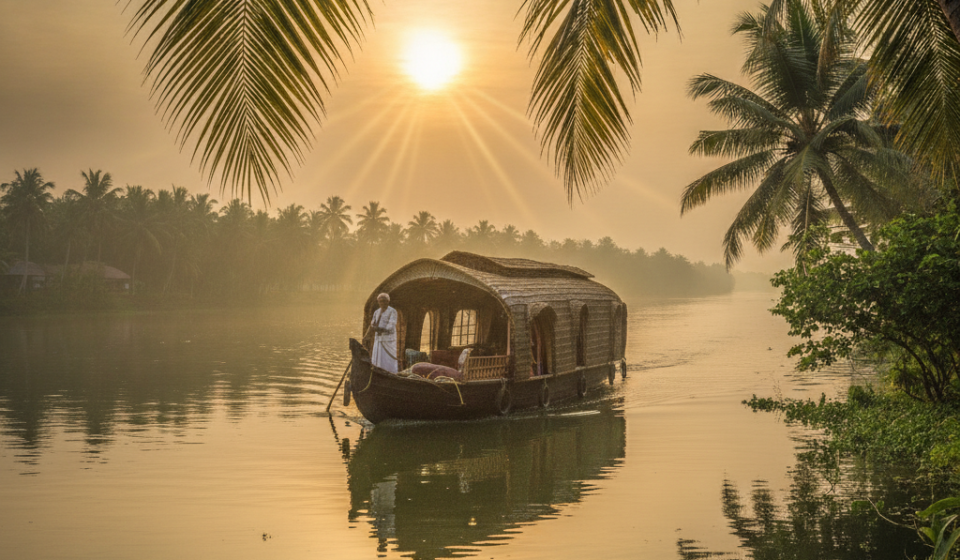
Any legendary South India travel plan must place Kerala near the top. The state offers a dramatic contrast to the bustling, dusty cities of northern India, prioritizing quiet nature and slow-paced living. The center of this experience is the famous backwater network, a system of brackish lagoons, canals, and lakes lying parallel to the Arabian Sea coast.
The town of Alappuzha (historically known as Alleppey) is the primary gateway to these waterways. Here, travelers can board a traditional kettuvallam, a wooden houseboat constructed using ancient techniques without a single nail. Cruising along the palm-fringed canals allows you to observe daily village life. It is basically a front-row seat to a timeless way of living where coir-making and traditional fishing still dictate the daily rhythm. Many travelers expect luxury houseboats to feel cramped. But still, the modern ones are surprisingly spacious, featuring air-conditioned suites and private chefs. Fort Kochi features a blend of Portuguese churches, Dutch palaces, and Jewish heritage sites. Cruising past these relics offers a unique historical perspective.
If you want a comprehensive look at the state’s diverse geography, consider exploring the curated Kerala tour packages offered by TravelDham. These plans help connect the coastal backwaters with the misty, spice-scented hills of Munnar, creating a balanced travel experience.
The Heritage Trails of Karnataka
To add historical depth to your South India travel plan, the state of Karnataka is indispensable. The geographical diversity here ranges from the modern metropolis of Bengaluru to the dramatic ruins of ancient empires.
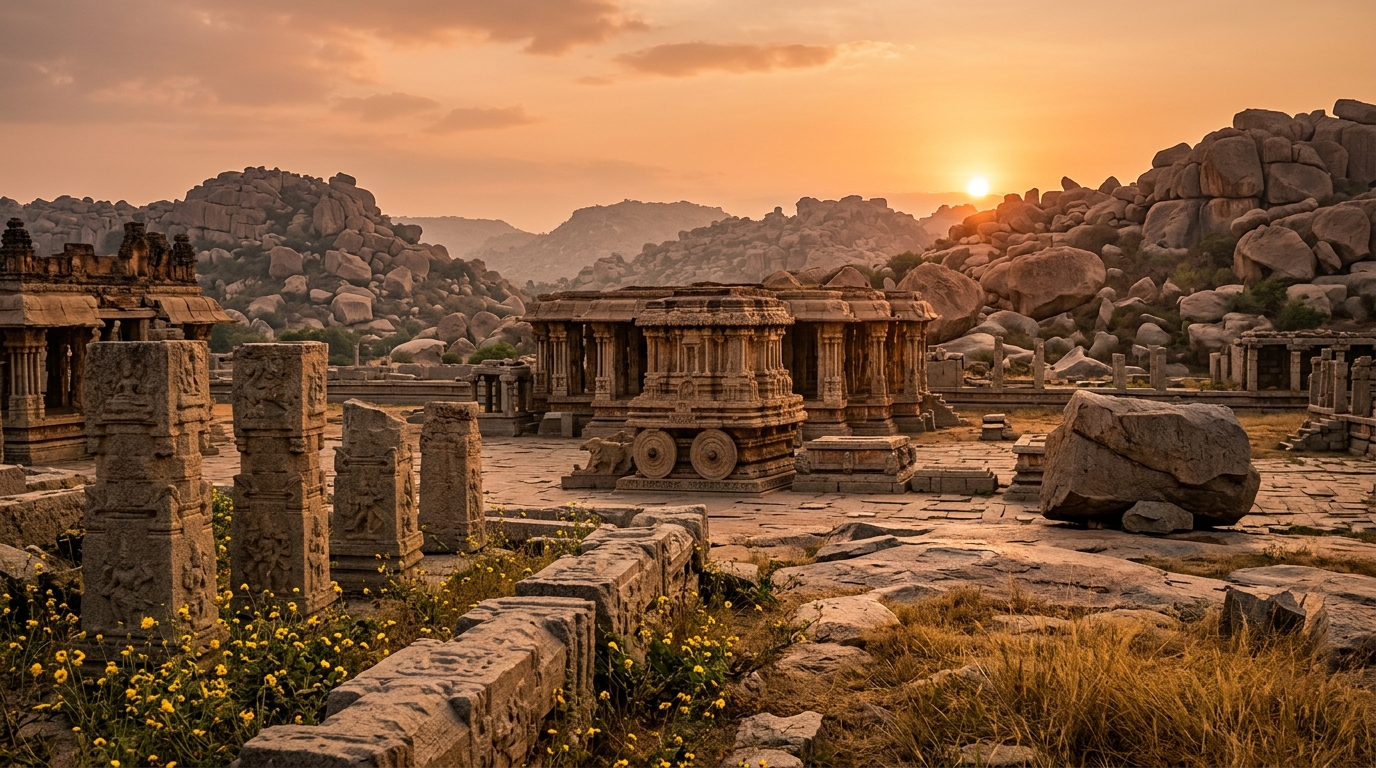
The absolute crown jewel of Karnataka’s historical heritage is Hampi, the former capital of the Vijayanagara Empire. Set in a surreal landscape of giant granite boulders and green banana plantations, the ruins of Hampi stretch over vast plains and comprise ancient temples, palaces, and bazaar streets. Further south lies Mysuru (Mysore), a city famous for its royal heritage and the grand Mysore Palace, which is spectacularly illuminated on Sunday evenings. Mysuru was the historic capital of the Kingdom of Mysore, ruled by the Wadiyar dynasty. The grand palace combines Hindu, Islamic, Gothic, and Rajput architectural styles, reflecting India’s diverse heritage.
For those who prefer nature over historical ruins, the district of Coorg offers a cool sanctuary characterized by coffee estates and misty hills. Staying in a local homestay (a popular and highly recommended lodging option on private estates) is highly recommended. To ensure a smooth journey into these highlands, you can explore the specialized Coorg tour packages, which simplify transportation and accommodation logistics in this mountainous region.
The Grand Temples of Tamil Nadu
For cultural purists, a South India travel plan focusing on Tamil Nadu is an absolute necessity. Unlike many parts of northern India, where historic structures were heavily damaged by successive waves of foreign invasions, Tamil Nadu’s ancient temples survived intact. This preservation allows visitors to experience Dravidian architecture and living religious traditions in their most authentic form.
The temple cities of Tamil Nadu are massive urban centers built around towering, multi-storied gateway towers known as gopurams. These towers are intricately carved with thousands of brightly painted figures from Hindu mythology. The city of Madurai is the cultural capital of the state, dominated by the magnificent Meenakshi Amman Temple. The temple complex is a city within a city, bustling with pilgrims, the scent of jasmine flowers, and soft chanting. The temple tower, or vimana, rises to a height of sixty-six meters, making it one of the tallest in the world. The massive stone dome at the top was carved from a piece of granite weighing eighty tons, a true engineering marvel.
Some critics argue that temple towns are too crowded for a relaxing vacation. They are not entirely wrong, but they underestimate how the rhythmic chanting and sheer scale of Dravidian architecture can create a deep sense of peaceful contemplation. Incorporating these architectural wonders into your South India travel plan ensures a profound appreciation of the region’s artistic and spiritual history.
The French Charm of Pondicherry
Adding Pondicherry to your South India travel plan offers a sweet, European-influenced contrast to the surrounding Tamil countryside. This former French colony, situated on the eastern coast of Tamil Nadu, has preserved much of its colonial architecture and slow-paced lifestyle.
The city is divided into two zones: the French Quarter and the Tamil Quarter. In the French Quarter, the streets are lined with bright mustard-colored villas, bougainvillea-draped walls, and chic cafes serving fresh pastries. Strolling along the Promenade Beach at sunset is a popular local ritual. Just a short drive away lies Auroville, an experimental township founded in 1968. Auroville is designed as an international community dedicated to human unity and sustainable living. The Sri Aurobindo Ashram, located in the heart of the town, attracts spiritual seekers from across the globe, offering a quiet space for meditation and study. Visiting Pondicherry perfectly balances your South India travel plan, offering a slower pace and unique spiritual retreats.
Crafting Your South India Route: 10-Day and 14-Day Sample Itineraries
The structure of your South India travel plan depends heavily on the duration of your holiday and your personal travel preferences. Distances in India can be deceiving; a journey of just two hundred kilometers can take five to six hours due to winding mountain roads. Below are two highly optimized, step-by-step itineraries designed to maximize your time while preventing travel fatigue.
The Classic 10-Day Southern Explorer
This 10-day South India travel plan is optimized for first-time visitors who want a balanced mix of history, nature, and cultural immersion. This route focuses primarily on the states of Tamil Nadu and Kerala, utilizing a mix of road and rail transport.
- Day 1: Arrival in Chennai – Check into your hotel and visit Kapaleeshwarar Temple.
- Day 2: Chennai to Mahabalipuram – Drive south along the East Coast Road and explore the Shore Temple.
- Day 3: Mahabalipuram to Pondicherry – Travel to the former French capital and walk through the French Quarter.
- Day 4: Pondicherry to Thanjavur – Drive to Thanjavur, stopping to visit the great Chola temples.
- Day 5: Thanjavur to Madurai – Explore the Brihadeeswarar Temple, then drive to Madurai.
- Day 6: Madurai to Munnar – Climb into the tea-carpeted hills of Munnar, Kerala.
- Day 7: Munnar Sightseeing – Visit the Eravikulam National Park and stroll through a tea museum.
- Day 8: Munnar to Alappuzha – Drive down to the backwaters and board your private kettuvallam houseboat.
- Day 9: Alappuzha to Kochi – Disembark after breakfast and drive to Fort Kochi.
- Day 10: Departure from Kochi – Complete your spice shopping before heading to the Cochin International Airport.
The Comprehensive 14-Day Grand Southern Loop
For those with more time, a 14-day South India travel plan allows for a deeper exploration of Karnataka and Kerala, highlighting royal heritage, misty hill stations, and coastal retreats.
- Day 1: Arrival in Bengaluru – Arrive in India’s technology capital.
- Day 2: Bengaluru to Mysuru – Drive to the royal city of Mysuru.
- Day 3: Mysuru Heritage Tour – Spend the day exploring the grand Mysore Palace.
- Day 4: Mysuru to Coorg – Travel west into the coffee hills of Coorg and visit the Bylakuppe Tibetan settlement.
- Day 5: Coorg Coffee Estate Experience – Take a guided walk through a private coffee plantation.
- Day 6: Coorg to Wayanad – Cross the state border into the rainforests of Wayanad, Kerala.
- Day 7: Wayanad Nature Exploration – Visit the Banasura Sagar Dam.
- Day 8: Wayanad to Kochi – Travel south to Ernakulam and check into your hotel in Fort Kochi.
- Day 9: Kochi Heritage Walk – Explore the Jewish Synagogue and Dutch Palace on foot.
- Day 10: Kochi to Munnar – Travel to Munnar, enjoying the scenic waterfalls.
- Day 11: Munnar to Thekkady – Drive south to Periyar National Park and take a guided spice tour.
- Day 12: Thekkady to Alappuzha – Head to the backwaters for a classic houseboat cruise.
- Day 13: Alappuzha to Marari Beach – Transfer to the quiet fishing village of Mararikulam.
- Day 14: Departure from Kochi – Transfer back to Cochin International Airport for your flight.
| State | Top Highlights | Ideal Duration | Best Transit Option |
|---|---|---|---|
| Kerala | Backwaters, Houseboats, Munnar Tea Gardens | 5 – 7 Days | Private Taxi / Houseboat |
| Tamil Nadu | Madurai Temples, Pondicherry French Quarter | 5 – 7 Days | Train / Intercity Cabs |
| Karnataka | Hampi Ruins, Mysuru Palace, Coorg Coffee Estates | 6 – 8 Days | KSRTC Buses / Private Car |
Logistics, Transportation, and Accommodation Tips
A successful South India travel plan relies heavily on smooth transit and comfortable lodging. Given the vast distances, selecting the correct mode of transport is essential. The region is well-connected by domestic airports, but road and rail transport remain key for local sightseeing.
For long distances between major states, the Indian Railways network is highly efficient and remarkably affordable. Traveling in air-conditioned sleeper classes offers a comfortable experience. However, train tickets often sell out weeks in advance, making early booking mandatory. For mountainous regions like Munnar or Coorg, hiring a private car with a professional driver is the most practical option. Hiring a private vehicle also ensures you have a local guide who understands regional dialects and can suggest authentic culinary stops off the beaten path.
Accommodation is another critical pillar of your South India travel plan. To help you select the appropriate lodging for your journey, the table below provides a quick comparison of the primary accommodation types.
| Accommodation Type | Best Suited For | Key Advantage | Typical Locations |
|---|---|---|---|
| Heritage Homestays | Cultural immersion | Personalized hospitality | Coorg, Wayanad |
| Luxury Resorts | Relaxation, wellness | Direct beach access, spas | Marari, Kovalam |
| Houseboats | Slow travel, views | Private crew, overnight stays | Alappuzha, Kumarakom |
| Boutique Hotels | History lovers | Restored colonial buildings | Fort Kochi, Pondicherry |
Whichever option you choose, securing your bookings at least three to four months prior to your travel dates is highly recommended, especially if you plan to travel during the busy winter season.
Essential Cultural Etiquette and Packing Guide
Your South India travel plan should also prepare you for the cultural nuances and climate-specific demands of the region. Southern India is generally more conservative, and respecting local traditions will ensure a warm welcome.
When visiting temples, modest dress codes apply. Both men and women must dress modestly, ensuring their shoulders and knees are fully covered. Footwear must always be removed at the temple entrance, and it is polite to tip the shoe keeper a nominal fee.
Packing appropriately is equally vital. Given the tropical climate and varying altitudes, your packing list should include:
- Lightweight cotton clothing: Ideal for the humid coastal plains.
- Light sweater or fleece: Essential if your itinerary includes high-altitude hill stations like Munnar or Coorg.
- High-SPF sunscreen & sunglasses: Crucial for protection against the intense tropical sun.
- Sturdy umbrella or raincoat: Important for unexpected tropical showers.
- Insect repellent: Necessary for evening strolls and wildlife safaris.
- Comfortable slip-on walking shoes: Helpful for easy removal at temple entrances.
Conclusion
Ultimately, an exceptional South India travel plan is one that prioritizes slow, deliberate exploration over a rushed checklist of sights. The real beauty of the southern peninsula lies in its quiet moments. It is found in the rich aroma of freshly roasted filter coffee, the sound of temple bells in the morning mist, and the warm hospitality of local homestay hosts.
By understanding the region’s geography, respecting its seasonal weather patterns, and booking your transportation well in advance, you can ensure a smooth and deeply rewarding journey. Whether you choose to drift along the green canals of Kerala, hike through the tea gardens of Munnar, or stand before the towering gopurams of Tamil Nadu, a well-structured South India travel plan will help you unlock the true spirit of this ancient land.