South India Travel Plan: The Ultimate Itinerary & Tips for an Unforgettable Journey

South India is defined by its gentle rhythm, soaring temple towers (known as gopurams), and the rich aroma of filter coffee. While many travelers gravitate toward the northern heritage circuits, the southern peninsula offers a deeply contrasting and arguably more relaxed experience. Crafting a comprehensive south india travel plan requires a shift in perspective. It demands an appreciation of distinct linguistic cultures, ancient dynasties, and geographical transitions that turn flat coastal plains into mist-draped tea estates.
Key Takeaways for Your South India Travel Plan
- Geographical Diversity: Transition smoothly from high-altitude hill stations and mist-draped tea estates to tranquil coastal backwaters within hours.
- Intact Heritage: Discover pristine, ancient Dravidian architectural marvels and living temples that have survived largely untouched for centuries.
- Gentler Cultural Pace: Enjoy a deeply welcoming and more relaxed travel pace, ideal for families and slow travelers alike.
- Exquisite Cuisine: Delight in a distinct food culture highlighting coconut, rice, native spices, and traditional filter coffee.
- Ideal Winter Season: Travel between October and March to beat the tropical humidity and experience pleasant weather.
A thoughtful south india travel plan ensures you do not rush through these diverse regions. Instead of checking off monuments, travelers learn to match the pace of local life. Before finalizing your south india travel plan, understanding the structural differences between the states of Karnataka, Tamil Nadu, and Kerala is essential. Each state presents its own distinct history, culinary philosophy, and physical geography. By building a balanced itinerary, one can easily experience both high-altitude serenity and coastal energy.
Comparing the Southern States
To help you decide where to focus your south india travel plan, here is a quick comparison of the three major southern states:
| State | Top Highlights | Best Experience | Vibe |
|---|---|---|---|
| Karnataka | Royal heritage, coffee hills, technology hubs | Exploring Mysore Palace & Coorg plantations | Regal & Mountainous |
| Tamil Nadu | Ancient Dravidian temples, stone carvings, coastlines | Visiting Brihadisvara Temple & Mahabalipuram | Spiritual & Historic |
| Kerala | Lush backwaters, houseboats, tea gardens, Ayurvedic spas | Cruising Alleppey on a traditional houseboat | Serene & Tropical |
Why Choose a South India Travel Plan?
The core of any south india travel plan lies in its accessibility and the variety of experiences placed within close proximity. You can wake up in a high-tech metropolitan hub like Bangalore, and by afternoon, walk through the quiet, incense-scented courtyards of a historic Mysore palace (this transition from modern tech to royal history takes under three hours). This ease of transit makes the southern states highly attractive for families and slow travelers alike.
Also, creating a south india travel plan provides a highly welcoming experience. Tailoring your south india travel plan to include these regions allows for a more relaxed exploration. The cultural rhythm here is gentler. Its basically a different world compared to the frantic pace of major northern cities. Critics might argue that the tropical humidity is challenging. They are not entirely wrong. But still, planning your visits around the cooler winter months completely mitigates this issue, leaving you free to absorb the coastal charm comfortably.
The Classical Southern Loop: A 10-Day Itinerary Outline
For those mapping out their journey for the first time, a structured loop is essential. While you could spend months exploring the peninsula, a ten-day period is roughly the ideal window to experience a curated mix of urban culture, royal heritage, and natural retreats, making it a popular choice for any south india travel plan. Let us examine how this breaks down day by day.
Days 1 to 3: Bangalore, Mysore, and the Palaces
Your journey begins in Bangalore, the cosmopolitan capital of Karnataka. While celebrated as India’s tech hub, the city retains beautiful colonial parks and a thriving culinary scene. Spending a day here allows you to acclimatize before driving south to Mysore (the historical capital of the Kingdom of Mysore). This city is the cultural heart of Karnataka, famous for its grand heritage and royal architecture.
The focal point of Mysore is the Amba Vilas Palace, a stunning example of Indo-Saracenic architecture that looks magical when illuminated. Integrating Mysore into your south india travel plan allows you to explore Chamundi Hill. For a smooth start, travelers often book structured Bangalore Mysore packages to handle transport, moving easily toward the Western Ghats.
- Bangalore (Day 1): Explore the sprawling botanical gardens of Lalbagh, experience the craft beer culture, and settle into the southern pace of life.
- Mysore (Days 2-3): Marvel at the illuminated Amba Vilas Palace, climb the sacred steps of Chamundi Hill, and shop for authentic sandalwood and Mysore silk.
Days 4 to 6: Wayanad and the Western Ghats
Crossing the border into Kerala, your route leads to Wayanad, a high-altitude district characterized by spice plantations, ancient caves, and forests. Wayanad is a natural addition to a south india travel plan, breaking up the journey with active exploration. Here, you can hike up to the Edakkal Caves to view Neolithic rock carvings that date back roughly several thousand years. The air here is noticeably cooler, scented with cardamom and black pepper.
Alternatively, you can swing slightly northwest to the coffee-rich hills of Coorg. Coorg offers misty mornings, private plantation bungalows, and a chance to experience the unique culture of the Kodava people. This mountain interlude is crucial, providing a peaceful contrast to the coastal cities that lie ahead.
- Wayanad (Days 4-5): Scale the majestic Chembra Peak, uncover ancient stone carvings in Edakkal Caves, and stay in serene treehouse resorts.
- Coorg (Day 6): Walk through fragrant coffee plantations, sample local Kodava cuisine, and visit the serene Golden Temple Buddhist monastery.
Days 7 to 10: The Backwaters of Kerala
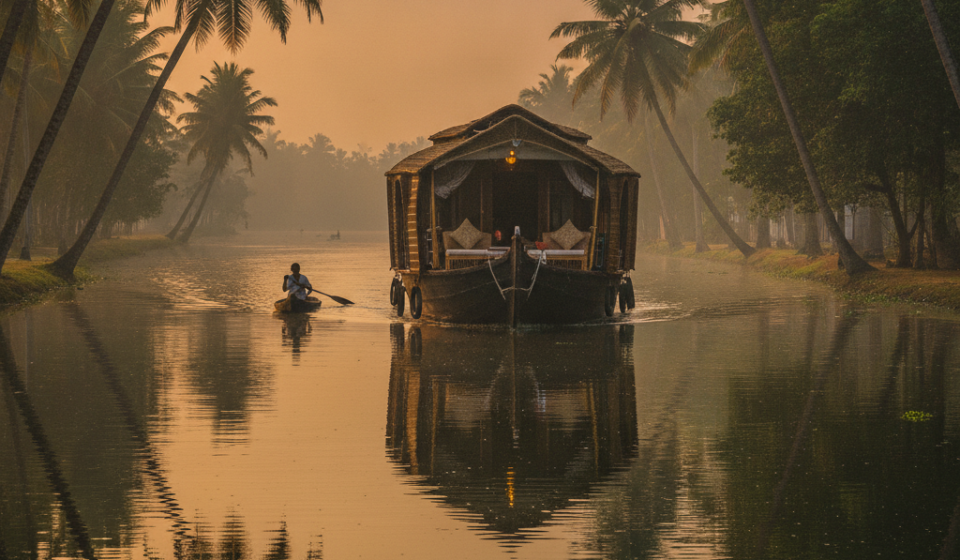
Descending from the Western Ghats, you will head toward the historic port city of Kochi. This city is a fascinating mosaic of European and traditional Malabar influences. Spend a day walking through Fort Kochi to view the iconic Chinese fishing nets. From Kochi, a short drive south brings you to Alleppey, the gateway to the world-famous backwaters, where renting a traditional houseboat (historically called a Kettuvalam) to glide through palm-shaded canals is an unforgettable experience.
This slow-paced water cruise will elevate your south india travel plan to something truly memorable. Feast on freshly caught pearl spot fish prepared in coconut spices as you watch village life unfold along the banks. Conclude your itinerary with a night of relaxation on the beaches of southern Kerala, enjoying the sunset over the Arabian Sea.
- Kochi (Day 7): Witness historic spice warehouses, Dutch palaces, and local Kathakali dance performances.
- Alleppey (Days 8-9): Board an authentic luxury Kettuvalam houseboat for a leisurely cruise through peaceful, palm-fringed lagoons.
- Southern Kerala Beaches (Day 10): Recharge on the golden sands of Kovalam or Varkala before catching your return flight.
Cultural Heritage: Architectures and Temples to Visit
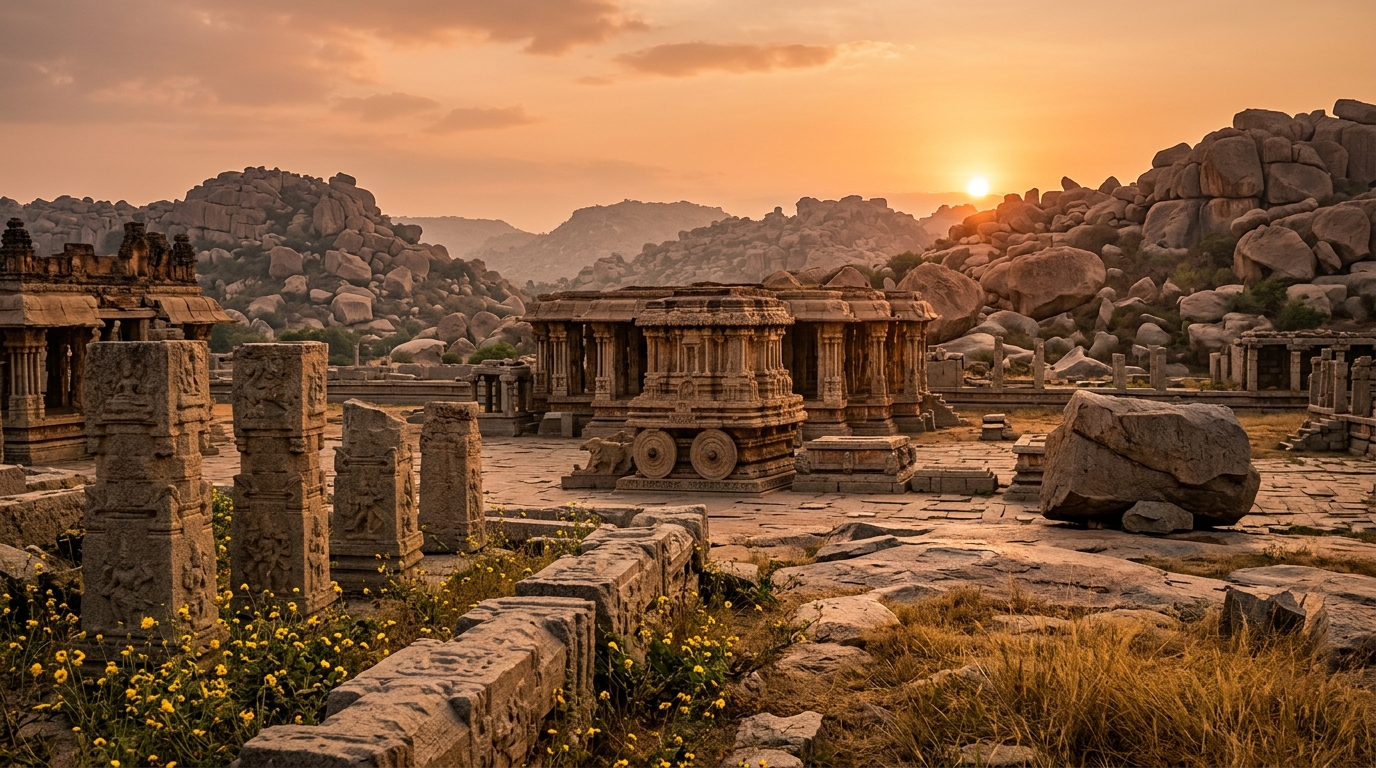
To truly appreciate the peninsula, one must look beyond the natural scenery to its extraordinary architectural legacy. Unlike the north, where many ancient temples were altered during historical invasions, South India’s sacred structures have survived largely intact. This preservation offers an unbroken link to dynasties like the Pallavas and Cholas. If you want to understand the spiritual and artistic foundations of the region, dedicating time to heritage sites is non-negotiable.
The Monolithic Marvels of Mahabalipuram
Located on the coast of Tamil Nadu, the town of Mahabalipuram is an open-air museum of ancient stone carving. Built during the 7th and 8th centuries under the Pallava dynasty, these rock-cut monuments are UNESCO World Heritage sites. The famous Shore Temple, standing right on the edge of the Bay of Bengal, has withstood centuries of salt spray and monsoons.
You must also explore the Five Rathas, which are monolithic temple structures carved out of single pieces of pink granite. Enrich your south india travel plan with a visit to Arjuna’s Penance, a massive bas-relief depicting scenes from Hindu mythology with lifelike elephants. Traveling through Tamil Nadu to see these structures provides a deep appreciation for the ancient stone-carving guilds.
The Great Living Chola Temples
Further south in Tamil Nadu lie the Great Living Chola Temples, built by the Chola Empire between the 10th and 12th centuries. The most famous is the Brihadisvara Temple in Thanjavur, an architectural masterpiece of monumental proportions. Its massive vimana (the tower over the sanctum) rises over 60 meters high and is topped by an 80-ton granite dome, constructed entirely without mortar.
If your south india travel plan focuses on deep cultural heritage, visiting these living temples is a must. They remain active centers of worship, where temple elephants bless devotees and ancient rituals are performed daily. The sheer engineering precision of the Chola architects, who built these structures to last generations, remains a subject of awe for modern engineers.
Coastal Escapes and Hill Stations in the South
The geography of the southern peninsula is defined by two major features: the long coastlines of the Arabian Sea and Bay of Bengal, and the mountain ranges of the Western Ghats. This unique geography allows travelers to easily pair sunny beaches with cool mountain retreats. Transitioning between these environments takes only a few hours of driving, giving your holiday a fantastic variety of climates and vistas.
Pristine Beaches of Gokarna and Kovalam
For travelers seeking seaside relaxation, the coastlines of the south offer distinct vibes depending on where you land. Gokarna, located in northern Karnataka, is a laid-back temple town that has evolved into a bohemian sanctuary. Its crescent-shaped beaches like Om Beach are framed by rocky cliffs, offering a quiet alternative to busy resort areas. Its basically a place where you can disconnect entirely from the digital world.
On the other hand, Kovalam in southern Kerala offers a more developed, resort-centric experience. Famous for its iconic lighthouse, Kovalam features calm, warm waters perfect for swimming and Ayurvedic treatments. Including these coasts in your south india travel plan ensures a balanced mix of spiritual exploration and oceanfront relaxation.
Mist-Covered Estates of Coorg and Munnar
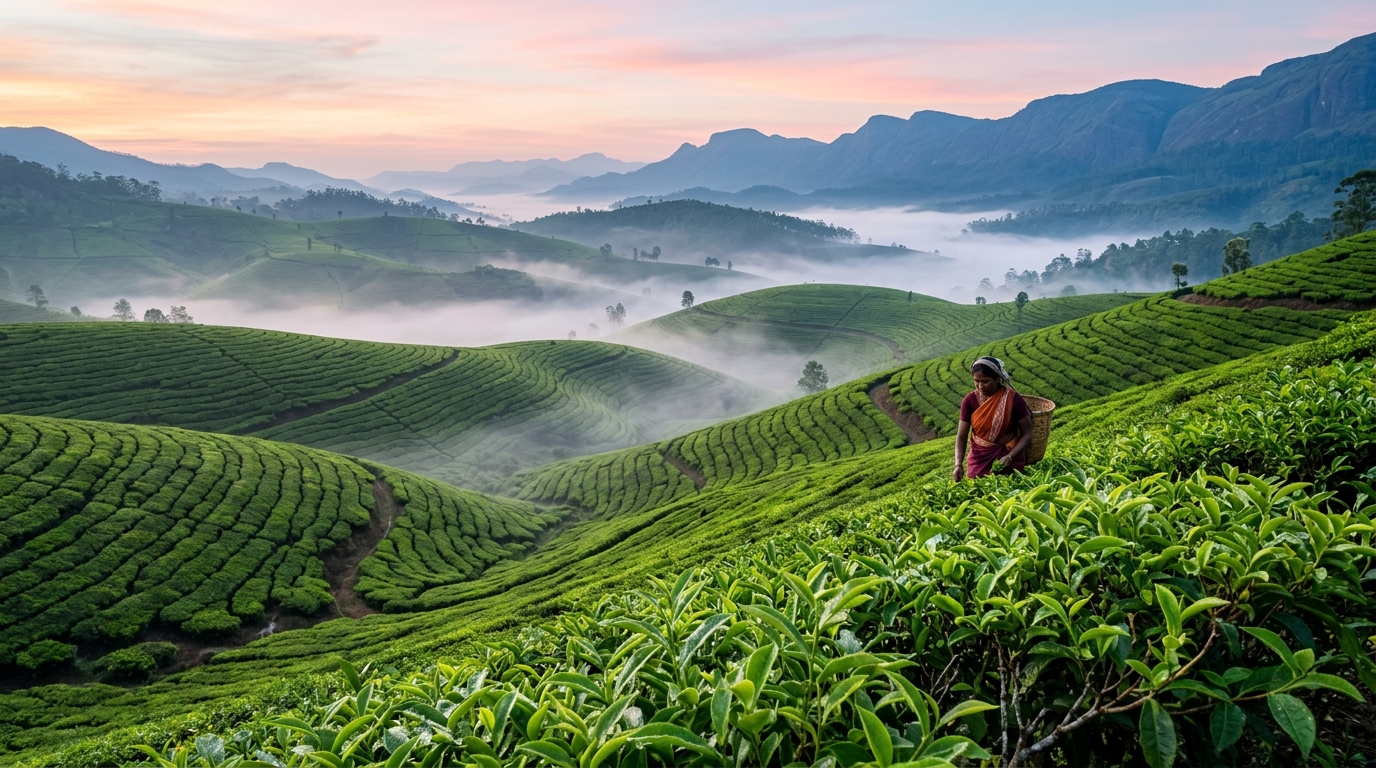
If you prefer mountain air, the hill stations of the Western Ghats offer some of the most scenic landscapes in India. Munnar, located in Kerala, is a breathtaking expanse of manicured tea plantations that cover the hillsides like a green velvet carpet. Walking through these estates in the early morning, when the valleys are filled with heavy white mist, is an incredible experience.
Further north, Coorg is the perfect mountain respite for a south india travel plan geared toward coffee lovers and hikers. The air in Coorg is rich with the aroma of coffee plants and wild cardamom. Staying in a local homestay allows you to trek up to Tadiandamol Peak or visit the Namdroling Monastery, providing an essential escape from the tropical heat of the lowlands.
Culinary Insights: What to Eat in South India
Food in the south is an artistic expression that varies wildly from state to state. While northern Indian cuisine is famous for heavy cream and wheat breads, southern cooking is built around rice, lentils, coconut, and tangy tamarind. A food-focused south india travel plan will introduce you to a sophisticated culinary world that goes far beyond the standard masala dosa. The use of native spices like black pepper, cardamom, and fresh curry leaves gives every dish a clean, vibrant taste profile.
Here are the essential culinary experiences to include:
- The Traditional Sadhya: A multi-course vegetarian feast served on a fresh banana leaf, featuring up to 24 separate dishes, including various curries and sweet payasam.
- Idli and Vada: Steamed rice cakes and savory lentil donuts, served with hot sambar and fresh coconut chutney.
- Appam with Stew: Soft, thin pancakes made from fermented rice batter, paired with a mild, aromatic vegetable stew.
- South Indian Filter Coffee: A strong, frothy brew made from dark-roasted coffee beans and chicory, poured back and forth to aerate it.
Sampling these dishes in local joints offers the most authentic taste. Do not hesitate to eat with your hands. It is the traditional way to enjoy a meal here and actually enhances the tactile connection to your food.
Practical Tips for Executing Your South India Travel Plan
Executing a seamless south india travel plan requires attention to logistical details that might not be obvious to first-time travelers. The geography is massive, and while infrastructure is generally good, travel times can be longer than anticipated due to winding mountain roads and congested urban centers. Proper preparation ensures that you spend your time enjoying the destination rather than stuck in transit.
Best Time to Visit
The timing of your trip highly impacts your south india travel plan and overall comfort. Roughly speaking, the absolute best window to visit is from October to March, when the winter temperatures are pleasant, averaging between 20°C and 30°C. Peak tourist season falls here, so booking accommodations in advance is highly recommended. The monsoon season, which runs from June to September, brings heavy rainfall across the peninsula, turning the landscapes beautifully green.
Local Transport Options
Managing the logistics of your south india travel plan involves choosing the right mix of transport. For long distances between major cities, the Indian Railways offer an efficient and scenic mode of travel. Booking air-conditioned sleeper classes through the IRCTC portal well in advance is recommended for comfort. For shorter distances or travel through mountainous areas like Wayanad, hiring a private car with a professional driver remains the most practical option.
Cultural Etiquette and Packing Essentials
Understanding local customs is crucial for an authentic south india travel plan that respects host communities. When visiting active religious sites, both men and women should dress modestly, ensuring shoulders and knees are covered. Remove shoes before entering temples. Pack lightweight, breathable cotton clothing to handle the tropical climate, and carry a light jacket if your itinerary includes high-altitude hill stations like Munnar, where temperatures drop after sunset.
Summary of Estimated Travel Costs
To help you budget accurately, it is helpful to understand the projected expenses for a south india travel plan. The region offers excellent value for money across all budget tiers.
| Travel Style | Accom. (Per Night) | Meals (Per Day) | Total (Per Day) |
|---|---|---|---|
| Budget | ₹1,000 – ₹2,000 | ₹500 – ₹800 | ₹2,100 – ₹3,800 |
| Mid-Range | ₹3,500 – ₹6,500 | ₹1,200 – ₹2,000 | ₹6,200 – ₹11,000 |
| Luxury | ₹12,000 – ₹25,000 | ₹3,500 – ₹6,000 | ₹19,500 – ₹39,000 |
By combining accommodation styles (such as booking a luxurious heritage stay for a couple of nights and using charming homestays elsewhere), you can easily optimize your spending and create an incredible, well-balanced south india travel plan without overspending your resources.
FAQs
What is the ideal duration for a comprehensive south india travel plan?
The ideal duration for a comprehensive south india travel plan is roughly two to three weeks. This time frame allows you to explore at least two states in depth when designing your south india travel plan without feeling rushed. It provides sufficient buffer days to account for travel times through winding mountain passes, ensuring you can genuinely relax at each stop.
Is South India safe for solo travelers?
Yes, South India is widely considered one of the safest regions in the country for solo travelers. However, safety remains paramount when executing a south india travel plan. It is advisable to avoid traveling alone late at night in unfamiliar areas, use official transport apps for commuting, and keep your family updated on your itinerary.
How should one handle transportation between cities?
Choosing transit options for a south india travel plan depends on your budget. For long-distance connections, booking express trains is highly efficient and scenic. For shorter journeys, especially when heading into hilly regions like Coorg, hiring a private car with an experienced driver is the most convenient option, allowing you to travel at your own pace.