

Planning a journey across the southern peninsula of India involves far more than simply selecting destinations on a map. Historically, travelers focused on single-city excursions or quick weekend getaways. Today, experiencing the full geographic and cultural diversity of this region requires a methodical, highly structured approach. A properly designed south india travel plan balances the ancient temples of Tamil Nadu, the backwaters of Kerala, and the palaces of Karnataka.
Achieving this balance is often difficult. The southern states cover 240,000 square kilometers. Large transit times can easily disrupt an unplanned vacation (and cost significant money). Without a structured south india travel plan, travelers spend more hours in transit than exploring actual destinations. This comprehensive guide provides a detailed framework to streamline logistics and optimize budgets. It ensures a seamless travel experience across these historic lands. According to data from the Ministry of Tourism, the region welcomed over 10% more visitors last year, proving that structured planning is becoming essential [1].
Key Takeaways for Your South India Travel Plan
- Ideal Duration: A 14-day itinerary is the perfect sweet spot to experience both heritage sites and natural retreats.
- Balanced Routing: Blend Tamil Nadu’s spiritual monuments, Kerala’s tranquil backwaters, and Karnataka’s royal palaces.
- Best Season: Plan your trip between November and February to enjoy cool temperatures and low humidity.
- Smart Logistics: Combine overnight train rides with a private driver to balance budget and local transit flexibility.
- Strategic Budgeting: Average daily costs range from $27/day for budget travelers to $342+/day for premium luxury resorts.
Key Pillars of a South India Travel Plan
A successful south india travel plan requires a clear understanding of regional differences. Each state offers a distinct cultural ecosystem, culinary tradition, and geographical terrain. To build an efficient south india travel plan, one must categorize destinations by their primary appeal:
- Tamil Nadu: The home of classical Dravidian architecture. It features thousands of active temples dating back over a millennium.
- Kerala: A region focusing heavily on wellness, eco-tourism, and aquatic geography. It is the perfect destination for relaxation.
- Karnataka: A historic state blending royal history with lush coffee plantations.
- Andhra Pradesh and Telangana: Areas boasting majestic Islamic architecture and rich culinary heritages.
To help you decide which states to prioritize in your south india travel plan, here is a quick overview of what each destination excels in:
| State | Primary Attraction Type | Recommended Duration | Best Experience |
|---|---|---|---|
| Tamil Nadu | Ancient Temples & Heritage | 5 – 7 Days | Exploring towering Gopurams and stone architecture |
| Kerala | Backwaters, Wellness & Nature | 4 – 6 Days | Overnight houseboat cruising and Ayurvedic massages |
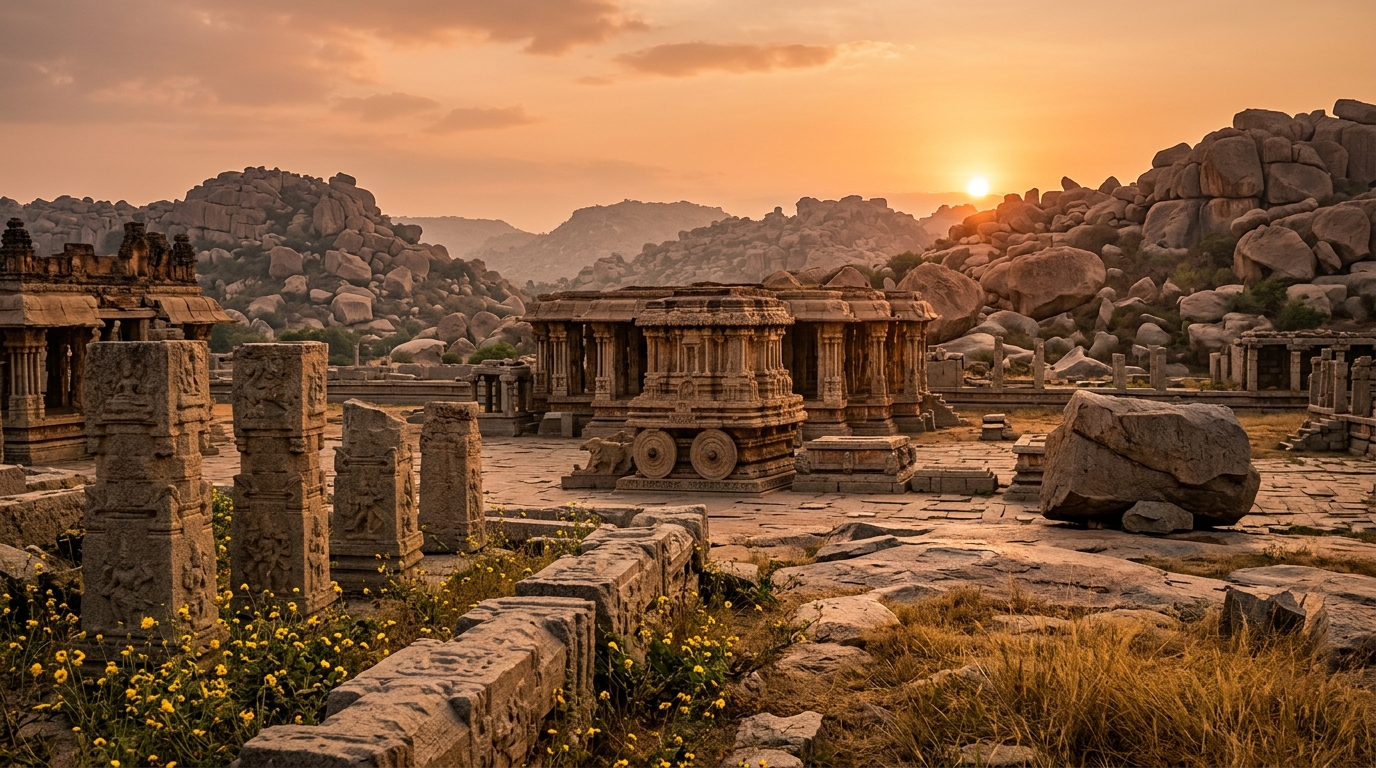
| Karnataka | Palaces, Ruins & Coffee Estates | 4 – 6 Days | Walking through Hampi ruins and Coorg plantations |
| Andhra & Telangana | Islamic Architecture & Cuisine | 3 – 4 Days | Tasting authentic Biryani and visiting Golconda Fort |
Integrating these diverse elements into a single south india travel plan requires careful route selection. Attempting to cover all five states in a single two-week trip is highly impractical. Instead, a logical south india travel plan focuses on well-established transit corridors. For instance, the classic southern loop connects Chennai, Pondicherry, Thanjavur, Madurai, Munnar, Alleppey, Cochin, and Bangalore. This specific routing minimizes backtracking and leverages the region’s robust rail and road infrastructure.
To ensure manageable logistics, travelers must choose between a private vehicle and public transport. A private air-conditioned car provides maximum flexibility, especially when traveling through winding mountain roads in the Western Ghats. However, the legendary Indian railways offer an authentic and highly economical alternative for long-distance overnight journeys. When finalizing any south india travel plan, scheduling rest days is critical. The tropical climate, while beautiful, can be physically taxing, making a slower pace highly beneficial.
The Ideal 14-Day South India Itinerary
To maximize cultural exposure, a two-week timeframe is ideal. It represents the absolute sweet spot for a south india travel plan. This duration allows for a deep dive into both the eastern and western coasts. This custom south india itinerary allows for a deep dive into local heritage. The following structured south india travel plan provides a balanced progression. The route moves from Chennai on the east coast to Cochin on the west coast.
- Days 1 to 2: Arrival in Chennai and travel to the coastal temples of Mahabalipuram.
- Days 3 to 4: Journey to Pondicherry to explore the historic French Quarter.
- Days 5 to 6: Travel inland to the ancient temple cities of Thanjavur and Madurai.
- Days 7 to 9: Ascend into the Western Ghats to enjoy the cool climate of Munnar.
- Days 10 to 11: Descend to the backwaters of Alleppey for a traditional houseboat cruise.
- Days 12 to 14: Conclude the journey in Fort Kochi before your departure flight.
Executing this south india travel plan requires strict adherence to travel schedules. By utilizing a mix of private drivers and short-distance trains, travelers can transition smoothly between the dry, temple-dominated terrains of the east and the wet, tropical greenery of the west. This itinerary ensures that no single travel day exceeds six hours of transit, preserving energy for sightseeing and local dining.
Week 1: Heritage, Dynasties, and French Quarters
The first half of this south india travel plan focuses heavily on history, art, and architectural marvels. The journey begins in Chennai, the gateway to the south. After exploring the city’s colonial heritage, including Fort St. George, the route moves south to Mahabalipuram. This seaside town is famous for rock-cut monolithic temples and carvings. These monuments have withstood the coastal elements for over 1300 years.
From Mahabalipuram, the south india travel plan continues south along the scenic East Coast Road to Pondicherry. This former French colony offers a distinct architectural contrast. The quiet streets of the French Quarter, lined with mustard-yellow colonial villas, provide a tranquil setting for evening walks. It is basically a small slice of Europe preserved on the Coromandel Coast. For deeper cultural tours, booking dedicated Tamil Nadu tour packages is excellent. These packages secure local guides for the main heritage sites.
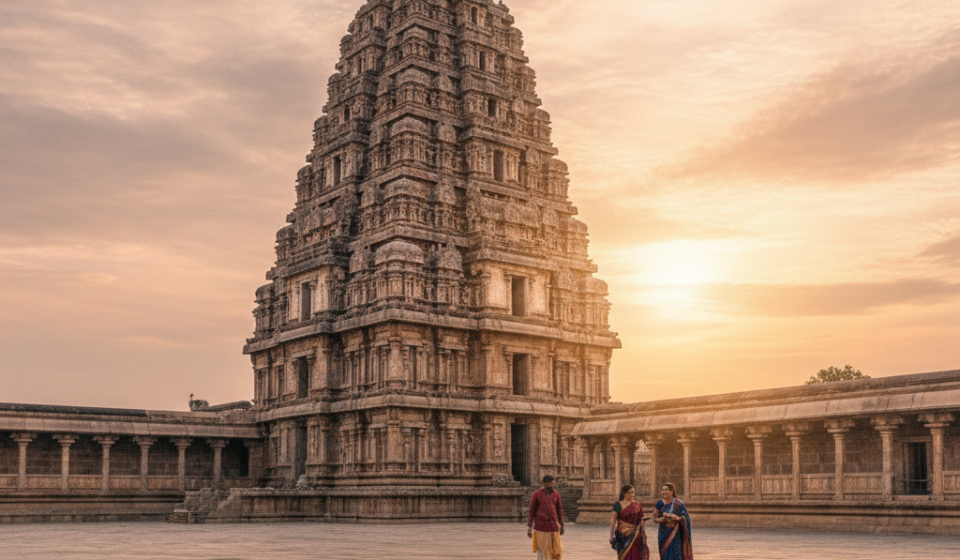
The itinerary then progresses inland toward the temple heartland of Thanjavur and Madurai. Thanjavur is home to the Brihadeeswarar Temple, a UNESCO World Heritage site built entirely of granite without any binding mortar. The majestic Brihadeeswarar Temple, completed in 1010 AD, remains a triumph of early engineering [2]. Madurai, one of the oldest continuously inhabited cities in the world, centers around the sprawling Meenakshi Amman Temple complex. Watching the evening temple rituals here is an essential highlight of any comprehensive south india travel plan.
Week 2: Nature, Backwaters, and Hill Stations
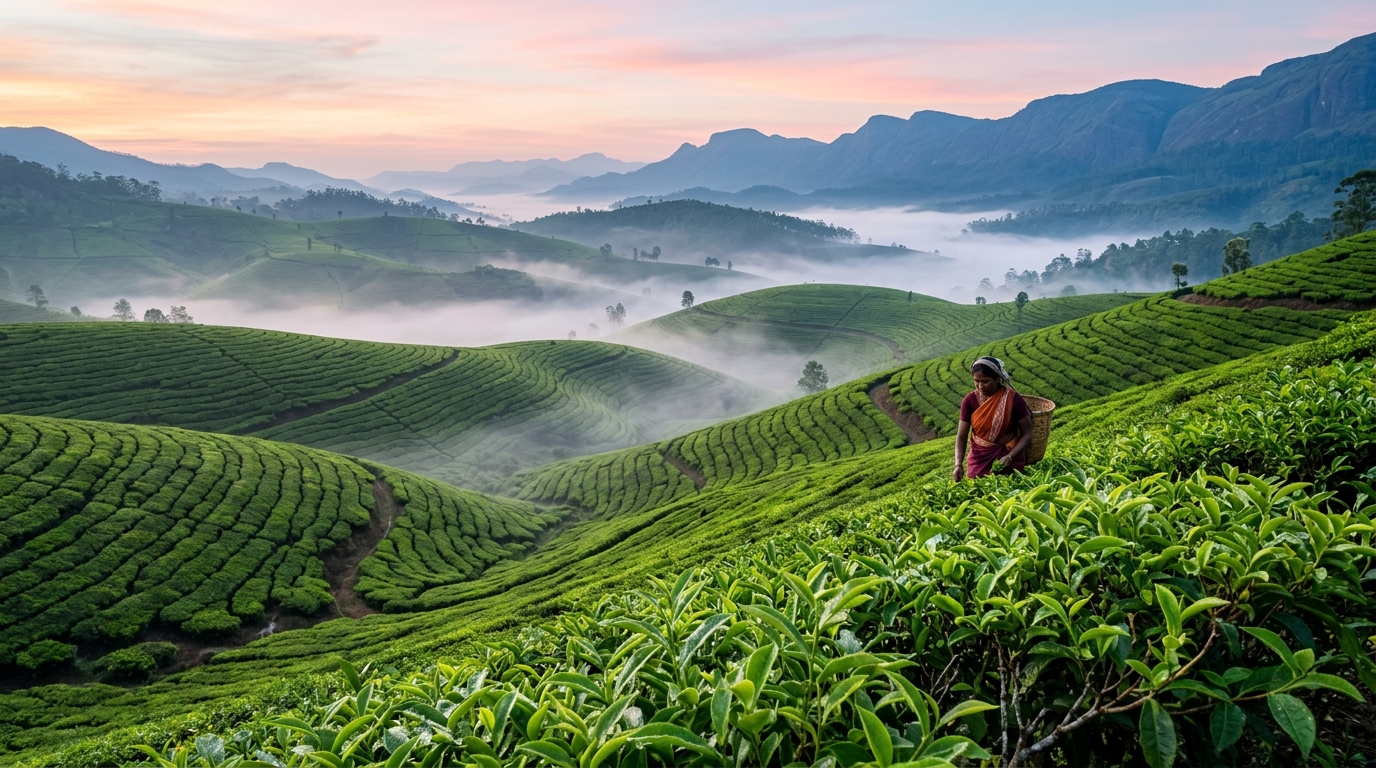
Crossing the border into Kerala, the second week of the south india travel plan shifts to lush, mist-covered mountains and serene waterways. The first stop is Munnar, a premier hill station in the Western Ghats at roughly 1600 meters elevation. Munnar is surrounded by manicured tea estates that carpet the rolling hillsides. Spending two days walking through these plantations provides a refreshing break from the tropical heat.
From the mountains, the south india travel plan descends to the backwaters of Alleppey. This unique water-bound ecosystem is best experienced by boarding a traditional houseboat. These vessels, constructed from bamboo, coir, and wood without using a single nail, glide slowly through palm-fringed canals. Spending an overnight stay on a houseboat allows travelers to observe rural Keralan life from a peaceful, floating perspective. It is a slow, meditative experience that remains a cornerstone of tourism in the region.
The journey culminates in the historic port city of Cochin. For centuries, Cochin acted as a global spice-trading hub, attracting Portuguese, Dutch, British, Arab, and Chinese merchants. The historic Fort Kochi area beautifully preserves this multicultural legacy. Key experiences in this coastal town include:
- Chinese Fishing Nets: Iconic cantilevered fishing structures operating gracefully along the shore at sunset.
- Dutch Palace (Mattancherry Palace): Featuring brilliant murals depicting traditional Hindu temple art and portraits of the Rajas of Cochin.
- St. Francis Church: The oldest European church in India, historical burial site of Portuguese explorer Vasco da Gama.
For those looking to streamline this portion of their trip, choosing pre-arranged Kerala tour packages ensures seamless vehicle transfers and premium houseboat reservations.
Comprehensive Budget Breakdown
An essential element of any realistic south india travel plan is a detailed financial forecast. South India is generally more budget-friendly than northern India, but costs can vary significantly based on comfort levels and seasonal demands. While searching for south india tour packages, budget considerations remain top of mind for most travelers. A well-planned south india travel plan must account for accommodation, meals, transit, and entry fees to heritage monuments.
The table below outlines the estimated daily costs for three distinct travel tiers, assuming a standard two-week itinerary.
| Expense Category | Budget Tier (INR / USD) | Mid-Range Tier (INR / USD) | Luxury Tier (INR / USD) |
|---|---|---|---|
| Daily Accommodation | INR 1,200 – 2,500 ($15 – $30) | INR 4,500 – 8,000 ($55 – $95) | INR 15,000+ ($180+) |
| Meals & Dining | INR 500 – 800 ($6 – $10) | INR 1,500 – 2,500 ($18 – $30) | INR 5,000+ ($60+) |
| Local Transport | INR 300 – 600 ($4 – $7) | INR 2,500 – 4,000 ($30 – $48) | INR 6,000+ ($72+) |
| Sightseeing Fees | INR 200 – 500 ($2 – $6) | INR 800 – 1,500 ($10 – $18) | INR 2,500+ ($30+) |
| Total Estimated Daily Cost | INR 2,200 – 4,400 ($27 – $53) | INR 9,300 – 16,000 ($113 – $191) | INR 28,500+ ($342+) |
By maintaining a clear budget within the south india travel plan, travelers can allocate funds strategically. For instance, saving on budget transport allows for a larger spend on premium cultural experiences, such as a private Kathakali dance performance or an authentic Ayurvedic wellness treatment.
Accommodation Expenses
Securing appropriate lodging is a vital step in a south india travel plan. The region offers an exceptional range of options. Budget travelers can easily find clean, family-run guesthouses and comfortable hostels. Many of these offer air-conditioned rooms, which are highly recommended given the humidity. Calculating the budget for south india trip requires looking at all variables, and choosing lodging wisely can save substantial funds.
For those executing a mid-range south india travel plan, heritage hotels provide unmatched value. Restored colonial villas in Pondicherry and massive merchant mansions in Chettinad offer stunning stays. At the luxury end, world-class resorts sit along Kovalam beach and Kumarakom backwaters. Mixing heritage homestays with standard hotels often provides the most balanced experience.
Booking accommodations early is critical during peak winter since heritage properties have limited rooms. Last-minute bookings are rarely successful.
Travel and Logistics Costs
Transportation is often the most complex variable in a south india travel plan. Train travel remains incredibly affordable. A sleeper-class ticket on an overnight train costs less than INR 500, while an air-conditioned 2AC berth averages roughly INR 1,500 for a 500-kilometer journey (a crucial detail for comfort). However, booking train tickets requires planning several weeks in advance.
For road travel, hiring a private car with a driver is a popular option. The cost for a sedan ranges from INR 3,500 to INR 5,000 per day. This includes driver allowances, tolls, and mandatory state border taxes. Integrating a private driver into a south india travel plan reduces logistics stress and allows for spontaneous stops.
Alternatively, domestic flights connect major cities like Chennai and Cochin for INR 3,000 to INR 6,000. When designing your logistics, combining overnight trains with a private car offers the best balance of cost and comfort.
Practical Travel Tips for Your South India Expedition
A seamless journey requires preparation beyond itineraries and budgets. When executing a south india travel plan, understanding local cultural norms, transit systems, and health precautions is key to avoiding common tourist pitfalls. Implementing a few smart strategies within your south india travel plan will ensure a respectful, enjoyable, and safe journey through these beautiful states.
“To truly understand South India, one must embrace its slower rhythm, where temple bells, spice markets, and coastal breezes dictate the flow of daily life.”
Implementing a few smart strategies within your south india travel plan will ensure a respectful and safe journey.
Optimal Season to Visit
Timing is arguably the most critical factor in a south india travel plan. The region experiences a distinct tropical climate, with heavy monsoon rains and intense summer heat. The absolute best window to execute a south india travel plan is during the winter months, from November to February. During this period, temperatures remain comfortable, ranging between 22°C and 30°C, and humidity levels are at their lowest.
According to the Indian Meteorological Department, winter temperatures in the plains average roughly 25°C, providing ideal sightseeing conditions [3]. While the rain makes the hills of Munnar incredibly green and beautiful, the southwest monsoon from June to September can cause significant delays in local transit and make boat tours impossible. Conversely, the summer months of March to May bring extreme heat, with temperatures regularly exceeding 40°C in the interior plains. Unless your south india travel plan focuses exclusively on high-altitude hill stations, visiting during the peak summer is not recommended.
Cultural Guidelines and Packing Tips
Respecting local traditions is essential for any traveler. South India is culturally conservative, especially regarding temple entry. When visiting active religious sites, modest clothing is strictly required. Both men and women must cover their shoulders and knees. In some specific temples in Kerala, men are required to remove their shirts entirely and wear a traditional sarong to enter the inner sanctum.
Your packing list should prioritize smart, lightweight clothing and key essentials:
- Fabrics: Lightweight, breathable fabrics like pure cotton and linen to handle the coastal humidity.
- Footwear: Slip-on shoes or sandals since footwear must be removed before entering any temple or home.
- Temple Wear: A light scarf or shawl to quickly cover your head or shoulders when required.
- Protection: High-quality insect repellent, especially when staying near the water-rich environments of Alleppey.
When deciding on your transport logistics, weigh the following trade-offs:
- Private Driver Pros: Maximum flexibility, direct door-to-door transit, air-conditioned comfort, and spontaneous sightseeing stops.
- Private Driver Cons: Higher daily cost, potential communication barriers, and slower travel times on congested highways.
- Indian Railways Pros: Highly economical, unique cultural immersion, sleeping while traveling over long distances, and reliable schedules.
- Indian Railways Cons: Strict reservation windows, potential delays, crowded stations, and fixed schedules that limit spontaneity.
Conclusion
Crafting a comprehensive south india travel plan is the key to unlocking one of Asia’s most culturally rich and geographically diverse regions. From the towering granite temples of Tamil Nadu to the tranquil, palm-fringed backwaters of Kerala, this peninsula offers an incredibly rewarding travel experience. By carefully balancing heritage explorations with nature retreats, maintaining a realistic budget, and respecting local customs, travelers can ensure a seamless and deeply memorable journey.
Whether opting for the flexibility of a private driver or the authentic charm of the Indian railways, a well-structured south india travel plan transforms potential logistics challenges into a smooth, life-enriching adventure. The warmth of local hospitality, the complex flavors of regional cuisine, and the stunning coastal vistas await those who plan their journey with care.