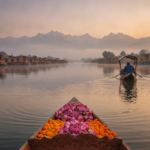
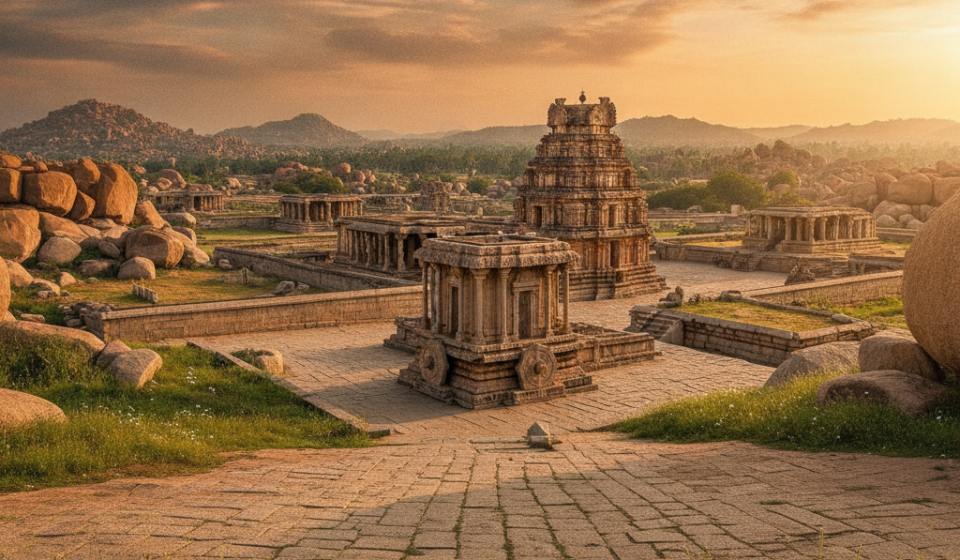

Designing a comprehensive south india travel plan often starts with a single image. Perhaps it is a wooden houseboat drifting through emerald green backwaters, or maybe it is the towering gateway of an ancient granite temple. The reality of travel in this region involves managing several distinct cultural zones, climates, and transit networks. Southern India spans five major states, each maintaining its own linguistic identity, culinary heritage, and how they manage their historical trajectory. While northern itineraries often focus on desert palaces and Mughal monuments, the southern peninsula offers an entirely different pace of life. It is a region shaped by coastal trade, spice mountains, and dynastic empires that ruled for centuries. Succeeding in this journey requires looking beyond generic tourist trails to build an itinerary that balances depth with physical comfort.
- Diverse Experiences: South India covers serene backwaters in Kerala, ancient temples in Tamil Nadu, and rich heritage in Karnataka.
- Ideal Duration: A 14-day itinerary is recommended to balance travel and sightseeing without rushing.
- Best Time to Visit: October to March offers the most pleasant climate, avoiding peak monsoon rains and summer heat.
- Transport Preference: Hiring a private car with a professional driver provides maximum flexibility and comfort.
- Strategic Planning: Focus on distinct regional corridors rather than trying to see the entire peninsula in one go.
The Foundations of a South India Travel Plan
To construct a successful south india travel plan, one must first understand that the peninsula is not a monolith. The geography is bounded by the Arabian Sea to the west, the Bay of Bengal to the east, and the rugged Western Ghats mountain range running down the spine. This topographic variety creates microclimates that range from humid tropical coasts to cool alpine hill stations. If a traveler attempts to cover the entire region in a single fortnight, they will spend most of their vacation in transit. Selecting the correct hub is a crucial step in your south india travel plan, as it dictates the ease of your arrivals and departures.
The southern territory is divided into distinct cultural spheres. Kerala is defined by its watery networks and spice-scented hills, while Tamil Nadu stands as the custodian of classical Dravidian civilization. Karnataka offers a blend of tech-forward cities, historic ruins, and wild forests. It is basically a puzzle where the pieces must fit your travel pace rather than a checklist to complete. In the travel industry, we often refer to this as a FITS itinerary (Fully Independent Traveler System) where every transfer is customized. For an efficient trip, travelers should categorize regions by their primary appeal. The table below outlines these major zones to help structure your decisions.
| Region | Primary Appeal and Focus |
|---|---|
| Kerala Coast | Backwater houseboats, Ayurvedic wellness, and tropical beaches. |
| Western Ghats | Spice plantations, cooler hill stations, and trekking trails. |
| Tamil Nadu Plains | Dravidian temple architecture, bronze casting, and classical art. |
| Deccan Karnataka | Hassan architecture, Hampi ruins, and royal heritage. |
Kerala maintains roughly 54% of its area under green cover (according to the India State of Forest Report). This abundance of natural vegetation explains why the state is often the starting point for travelers seeking rejuvenation rather than intense urban exploration. Conversely, the dry plains of Tamil Nadu require a different mindset. The distances between historic cities are substantial, and the midday heat can be taxing. It is a region where the rhythm of life revolves around early morning temple visits and late afternoon cultural performances.
Designing Your Ideal Itinerary
A well-conceived south india travel plan requires balancing geographical distance with cultural depth. Most first-time travelers make the mistake of combining too many states, resulting in exhaustion. Instead of trying to see everything, focusing on specific thematic routes yields a much more rewarding experience. Depending on your personal interests, you might focus on coastal relaxation, historical architecture, or high-altitude wilderness. The Western Ghats act as a natural barrier, making east-to-west road transit slower than north-to-south coastal routes. Consequently, separating your journey into distinct geographic corridors is the most logical approach.
Route 1: Kerala Backwaters and Western Ghats
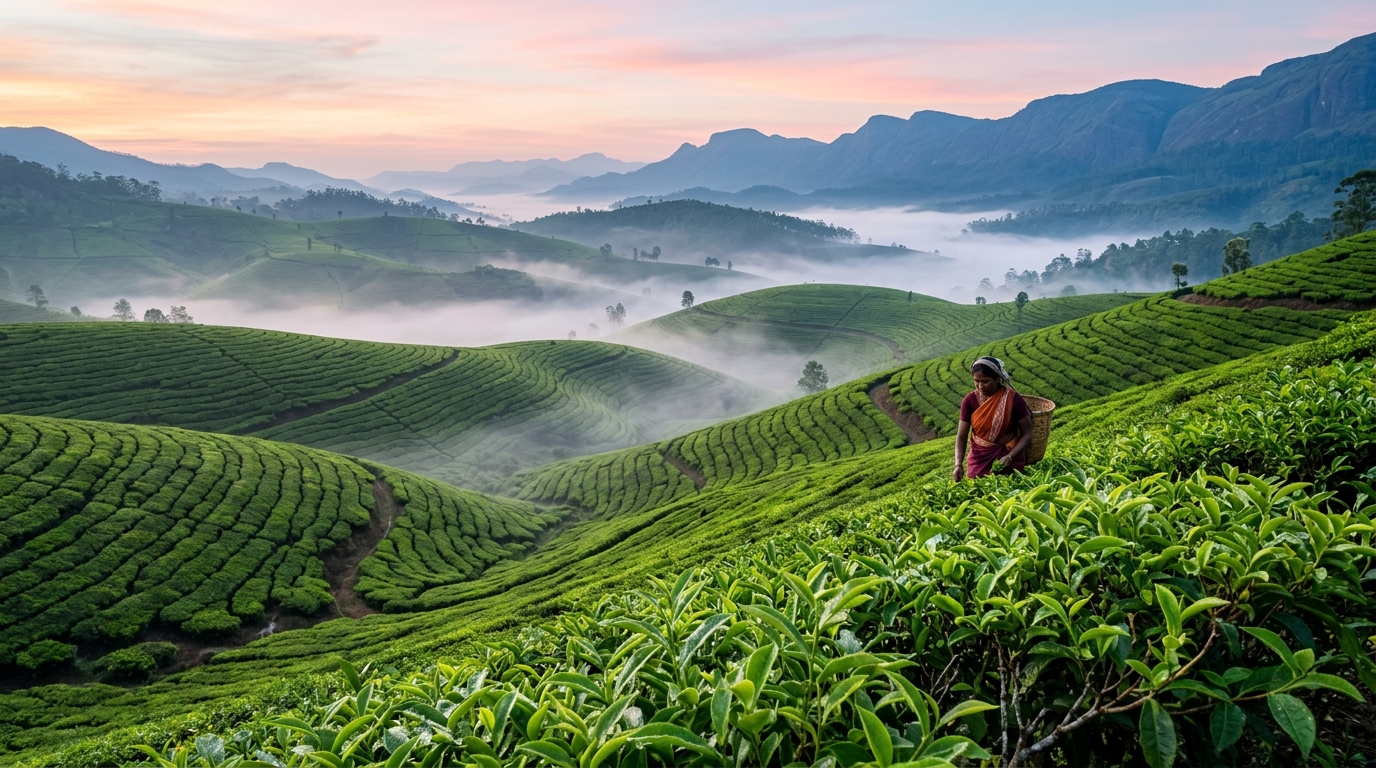
If your south india travel plan prioritizes slow travel and nature, the Kerala circuit is unmatched. This pathway typically begins in the historic port city of Kochi, where Chinese fishing nets line the coast and Dutch-era palaces house museums. From the coast, the route climbs into the Western Ghats to Munnar, a region defined by sprawling tea estates and misty valleys. It is a sharp contrast to the humid coast, offering crisp mountain air and opportunities to walk through organic cardamom plantations. But still, the true highlight for many remains the transition back to sea level.
Integrating a houseboat stay in Alappuzha elevates any south india travel plan. These traditional giant vessels, once used to transport rice, now feature modern amenities for gliding past quiet lakeside temples. For travelers seeking to expand this route, adding a short journey northward to Coorg introduces coffee plantations and Tibetan Buddhist settlements. Alternatively, a southward turn leads to the cliffside beaches of Varkala, where red clay cliffs meet the Arabian Sea. The core of this route focuses on physical ease and natural beauty, making it ideal for couples and families alike.
- Historic Kochi: Spend two days exploring Fort Kochi, the Jewish Synagogue, and Kathakali dance theaters.
- Tea Estates of Munnar: Walk through high-altitude tea plantations and visit the Eravikulam National Park.
- Alappuzha Backwaters: Spend 24 hours on a private houseboat, enjoying traditional Keralan cuisine prepared on board.
- Wayanad and Coorg: Explore ancient caves and coffee forests.
To experience the best of this coastal and highland environment, book a dedicated package through the Kerala travel portal, which handles logistics between Kochi and the hills seamlessly.
Route 2: Tamil Nadu Temple Heritage and French Coastline
For travelers seeking architectural grandeur, this route is the cornerstone of a south india travel plan. The journey begins in Chennai, moving southward along the Coromandel Coast to Mamallapuram. Here, ancient rock-cut shore temples stand against the crashing waves of the Bay of Bengal. These structures date back to the Pallava dynasty, representing the birth of Dravidian stone architecture. Moving further south, the French colonial enclave of Pondicherry offers a complete change of pace. Its yellow-walled villas and seaside promenade provide a quiet European charm.
A heritage-focused south india travel plan should allow at least three days for the temple towns of Thanjavur and Madurai. The scale of these living temples is immense. The Brihadisvara Temple in Thanjavur was completed in 1010 AD (according to Archaeological Survey of India archives). It features a single massive granite block weighing roughly 80 tons at its summit. In Madurai, the Meenakshi Amman Temple dominates the city center, its towering gopurams covered in thousands of colorful stucco figures. Critics say temple tours can become repetitive. They are not entirely wrong, but this ignores the sheer architectural variety.
Adding a stop in Pondicherry provides a distinct European coastal influence to your south india travel plan. Walking through the French Quarter reveals how history has blended colonial planning with local Tamil life. For a deeper look at the state’s cultural landscape, review the Tamil Nadu travel resources to plan your local transport and temple timings effectively.
Route 3: Karnataka Royal Heritage and Wilderness
Including Karnataka’s royal sites creates a highly diverse south india travel plan. This route is characterized by massive stone empires, dense teak forests, and coffee hills. Starting in Bengaluru, travelers quickly move to Mysore, the historic capital of the Wodeyar dynasty. Mysore Palace attracts over 3 million visitors annually (according to the Karnataka Tourism Department). Earlier, we noted the 3 million visitors at Mysore Palace. This high volume explains why early morning visits are crucial, especially if one wants to view the magnificent durbar halls without the midday crowds. From Mysore, the journey heads north toward Hassan and Hampi.
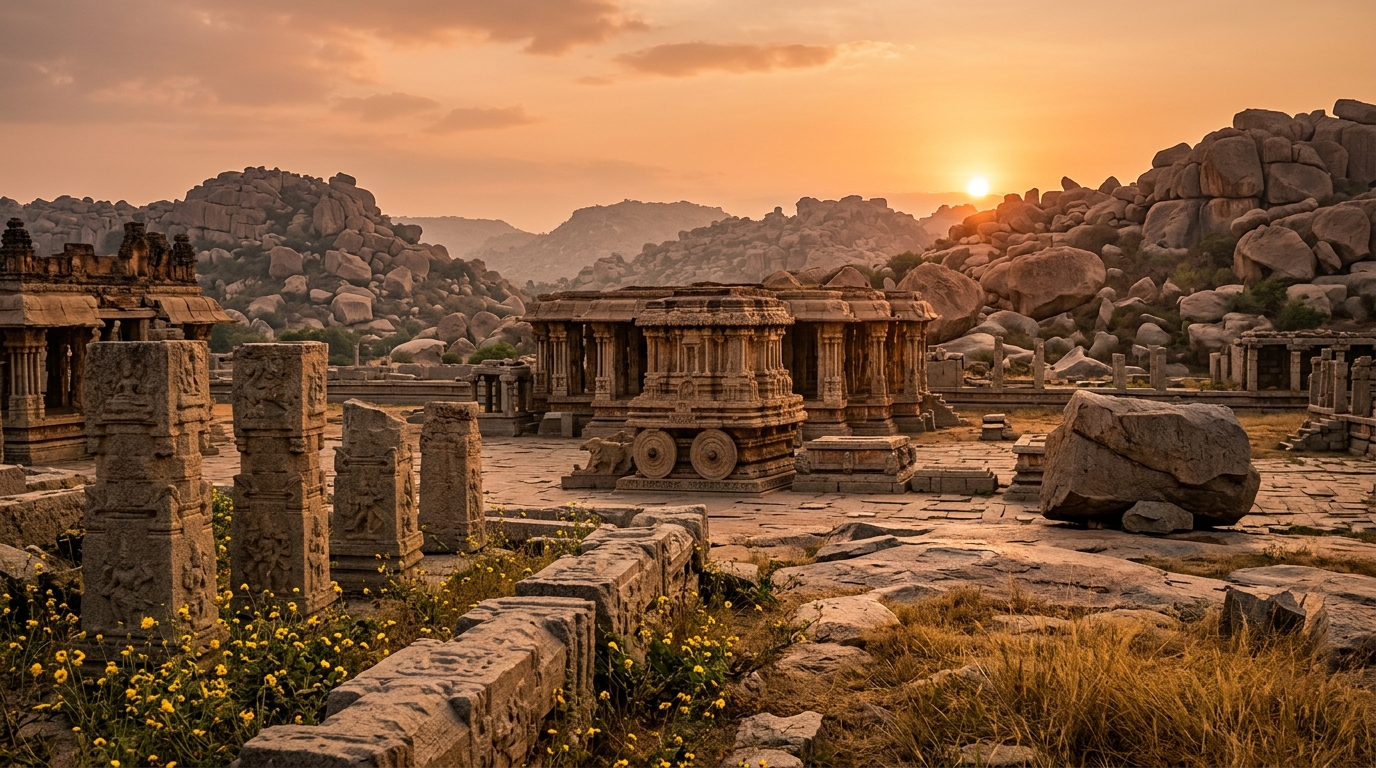
The ruins of Hampi are arguably the most spectacular archaeological site in the country. Spanning over 16 square miles, the capital of the medieval Vijayanagara Empire features boulder-strewn hills interspersed with grand stone temples. It is a place that requires at least two full days of walking or cycling to appreciate. To break up the dry stone architecture, travelers can transition to the forested hills of Coorg or the river camps of Kabini, where wild elephants and elusive leopards roam. This itinerary offers a balanced mix of history, nature, and wildlife, perfect for any custom south india travel plan.
- Mysore Royal Heritage: Explore the palace, Chamundi Hill, and the colorful Devaraja market.
- Hoysala Temples of Belur: Marvel at the intricate soapstone carvings of Chennakeshava Temple.
- Hampi Ruins: Cycle through the ancient capital and catch the sunset from Hemakuta Hill.
- Nagarhole National Park: Spot tigers and Asiatic elephants on a guided jeep safari.
To arrange transfers between Bengaluru, Mysore, and the surrounding hill stations, consulting the Bangalore and Mysore travel guides ensures reliable vehicle bookings and guides.
Ideal Travel Durations and Route Mapping
A balanced south india travel plan must carefully allocate travel days versus sightseeing days. Because road conditions vary, traveling 100 miles can take anywhere from three to five hours. For a first-time visitor, a 14-day south india travel plan offers the perfect introduction, allowing for a relaxed pace with minimal back-to-back travel days. This timeframe lets you cover one state thoroughly or combine the highlights of two neighboring states. Conversely, a shorter 7-day south india travel plan should focus exclusively on one state. Trying to combine states in a single week is physically punishing and leaves little time for actual exploration.
To maximize efficiency, most travelers opt for a linear route rather than a loop. For instance, flying into Kochi and departing from Trivandrum avoids doubling back. The table below outlines a highly recommended 14-day itinerary that balances culture, nature, and relaxation across two states.
| Day | Destination | Primary Activity | Travel Time |
|---|---|---|---|
| Days 1-2 | Kochi | Explore Fort Kochi and attend a Kathakali performance. | Arrival Day |
| Days 3-4 | Munnar | Visit tea plantations and organic spice farms. | 4 hours (Road) |
| Day 5 | Thekkady | Guided spice tour and wildlife viewing at Periyar Lake. | 3 hours (Road) |
| Day 6 | Alappuzha | Board a private houseboat for a backwater cruise. | 3.5 hours (Road) |
| Days 7-8 | Pondicherry | Stroll through the French Quarter and visit Auroville. | 6 hours (Train) |
| Days 9-10 | Thanjavur | Marvel at the UNESCO-listed Living Chola Temples. | 4 hours (Road) |
| Days 11-12 | Madurai | Experience evening rituals at Meenakshi Temple. | 3.5 hours (Road) |
| Days 13-14 | Kochi | Return to Kochi for final souvenir shopping and departure. | 5 hours (Train) |
Best Time to Visit and Seasonal Planning
Weather patterns dictate the success of any south india travel plan. The peninsula experiences three primary seasons: winter, summer, and the monsoon. Winter, spanning from October to March, is widely considered the peak travel window. During these months, temperatures are comfortable, ranging from 72 degrees Fahrenheit to 88 degrees Fahrenheit, making outdoor exploration pleasant. The hill stations of Munnar and Coorg can even get quite chilly at night, requiring light woolens. This is the optimal time to book houseboats and explore historic temple complexes without the oppressive humidity of the later months.
| Season | Months | Avg. Temperature | Travel Recommendation |
|---|---|---|---|
| Winter (Peak) | October to March | 72°F – 88°F (22°C – 31°C) | Best for houseboats, heritage tours, and beach activities. Cool nights in hill stations. |
| Summer (Off-Peak) | April to May | 85°F – 100°F (29°C – 38°C) | Ideal for high-altitude hill stations like Munnar and Coorg. Low budget deals elsewhere. |
| Monsoon (Green Season) | June to September | 75°F – 90°F (24°C – 32°C) | Great for Ayurvedic rejuvenation, visiting active waterfalls, and lush scenery. Be prepared for rain. |
Avoiding the peak monsoon is generally recommended when finalizing a south india travel plan. The southwest monsoon strikes the coast of Kerala in early June, bringing heavy rainfall that often leads to travel disruptions. But still, the post-monsoon period in September is exceptionally beautiful, as the waterfalls are full and the hills are intensely green. If budget is a major consideration, traveling during the shoulder months of April or September offers significant discounts on heritage properties and flights, though one must be prepared for afternoon showers and higher humidity levels.
Transport and Logistics Across Southern States
Transit logistics can make or break a south india travel plan. The region has an extensive rail network, but securing tickets requires booking months in advance. To navigate the region effectively, consider these primary transit methods:
- Indian Railways: A vast network connecting major hubs. Secure tickets months in advance, choosing First Class AC or AC Chair Car for premium comfort on long journeys.
- Private Taxis & Drivers: The most efficient option for regional transfers, offering maximum flexibility to stop at roadside temples and spice markets.
- Domestic Flights: Best for traversing massive distances quickly, such as flying between Bengaluru, Chennai, or Kochi.
Domestic flights are useful for jumping across massive distances, such as Bengaluru to Kochi or Chennai to Coimbatore. When planning your route, consider using a combination of express trains and private car rentals. A professional driver not only handles the challenging traffic but also knows the best local diners for safe and authentic meals. It is a level of comfort that easily justifies the additional cost, particularly for families traveling with children.
Budgeting and Financial Planning
Budgeting is another essential element when drafting a south india travel plan. The region offers excellent value, catering beautifully to various travel styles:
- Luxury Tier: Features premium heritage resorts, private luxury houseboats, and dedicated 24/7 personal drivers.
- Mid-Range Tier: Combines comfortable boutique hotels, authentic homestays, and express train travel with occasional taxi hires.
- Budget Tier: Utilizes budget guesthouses, public transport, and local dining, offering immense value without sacrificing the cultural experience.
Proper financial planning ensures your south india travel plan remains stress-free and aligned with your expectations.
FAQs
What is the recommended duration for a comprehensive south india travel plan?
A minimum of 10 to 14 days is ideal to experience the region without rushing. This duration allows you to explore two main states comfortably.
How should one handle transportation in a south india travel plan?
For maximum flexibility, hiring a private car with a professional driver is the most efficient and comfortable choice for regional transfers.