
Planning a journey through the southern peninsula of India brings to mind towering temple gateways, mist-shrouded hills, and palm-fringed coastlines. While northern India frequently draws first-time international visitors, the southern states offer a distinctly relaxed pace of life, ancient Dravidian architectural marvels, and unmatched natural diversity. Crafting a comprehensive south india travel plan requires balancing historic heritage with serene natural retreats. This task can feel slightly daunting given the geographic scale of the region. But still, with the right structure, mapping out a multi-week route becomes a highly rewarding exercise.
Southern India consists of five distinct states, each presenting unique linguistic and geographical characteristics. From the tech-driven hubs of Karnataka to the tranquil backwaters of Kerala and the ancient stone temples of Tamil Nadu, the variety of experiences is vast. Moving through these varied territories requires a deliberate strategy that respects local seasons and transit constraints. This guide breaks down the essential routes, practical budgets, and regional highlights to establish a flawless south india travel plan.
- Diverse Landscapes: Experience a stunning transition from the tranquil backwaters of Kerala to the historic ruins and coffee plantations of Karnataka and Tamil Nadu’s architectural marvels.
- Optimal Timing: Plan your journey between November and February to enjoy comfortable temperatures and avoid peak monsoon or summer conditions.
- Optimized 14-Day Route: Use our logistically sound itinerary to cover Bangalore, Mysore, Coorg, Wayanad, Kochi, Alleppey, and Madurai efficiently.
- Cultural Etiquette: Dress modestly, cover shoulders and knees, and be prepared to remove your footwear when visiting sacred temples.
- Tailor-Made Budgets: South India accommodates everything from budget-friendly guesthouses (₹2,500/day) to luxurious heritage palace resorts (₹20,000+/day).
Why South India Deserves a Spot on Your Travel Bucket List
Often overshadowed by the bustling corridors of Rajasthan, South India offers an entirely different, perhaps more intimate, encounter with the subcontinent. The pace of life here is noticeably slower, marked by a deep-rooted preservation of ancient heritage that remains woven into daily routines. When formulating a south india travel plan, understanding this unique cultural context is essential.
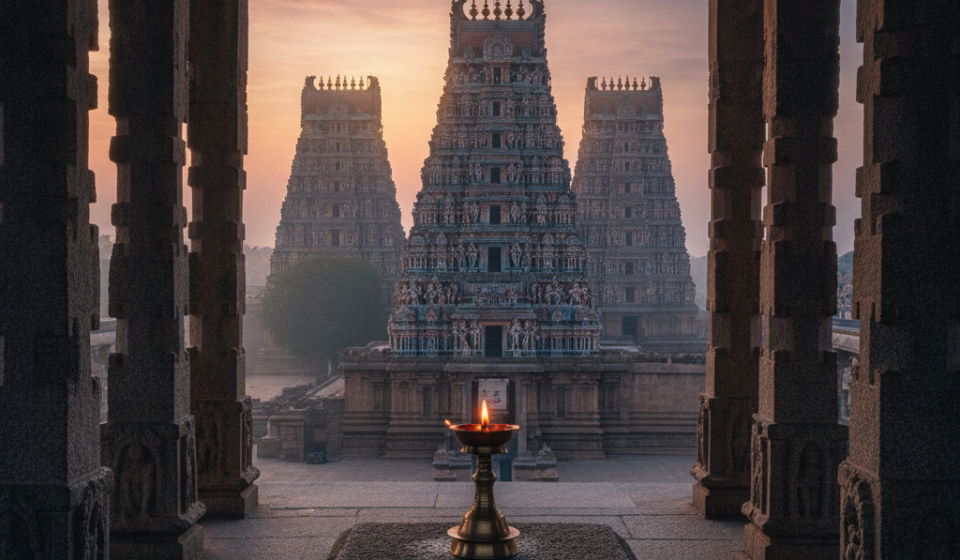
The region managed to escape much of the foreign invasion patterns that altered the northern plains, resulting in an unbroken lineage of Dravidian architecture. This is visible in the monumental gopurams (temple entrance towers) dominating almost every Tamil Nadu skyline. Additionally, the geography transitions rapidly from the high-altitude tea gardens of the Western Ghats to the sea-level canals of Kerala.
Unlike the cream-heavy gravies of the north, southern cuisine relies heavily on coconut, tamarind, fresh curry leaves, and local parboiled rice. The resulting dishes are light, complex, and intensely aromatic. From the fermented crispness of a ghee roast dosa to the bold, fiery notes of Chettinad curries, the culinary context offers endless variety. Ultimately, a south india travel plan is not just about visiting monuments; it is about observing a vibrant, living culture that has maintained its distinct identity for millennia.
Key Regional Highlights for Your South India Travel Plan
To build a balanced south india travel plan, it is critical to understand the geographical and cultural specialities of each major state. While it is tempting to try and cover everything in a single visit, focusing on specific regional clusters prevents travel exhaustion and allows for a much richer experience.
Kerala: Backwaters, Houseboats, and Wildlife
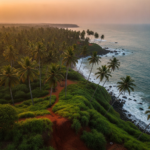
Kerala is a narrow strip of land defined by its coastal network of brackish lagoons, lakes, and canals. Travelling here typically centers on renting a kettuvallam (a traditional houseboat constructed from wood and coir) to drift through silent, palm-shaded waterways. Including Kerala in your south india travel plan guarantees a serene coastal contrast to the busy temple towns.
A typical journey through Kerala focuses on highly immersive experiences:
- Brackish Backwaters: Drift along quiet, palm-shaded canals on a traditional wood-and-coir houseboat.
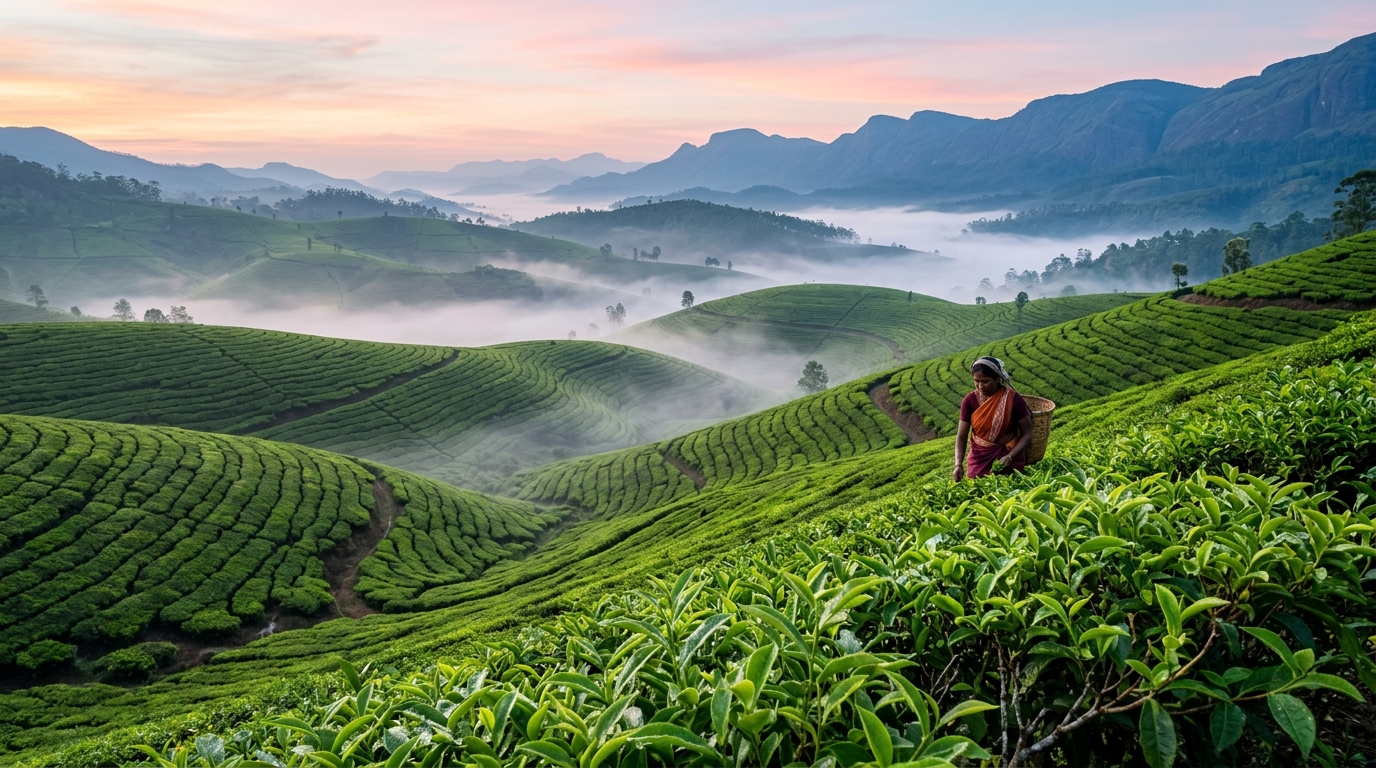
- Misty Hill Stations: Explore Munnar, perched 1,600 meters above sea level, where rolling hills are carpeted in emerald tea gardens.
- Wildlife & Spice Trails: Discover dense forests, active spice plantations, and sanctuaries teeming with native biodiversity.
For those seeking to arrange an authentic holiday here, exploring curated Kerala tour packages offers a reliable way to coordinate houseboats, spice plantations, and heritage hotels.
Tamil Nadu: Ancient Temples and Living Heritage
Tamil Nadu serves as the spiritual heartland of the south, characterized by its massive temple towns where religious rituals have continued uninterrupted for over a thousand years. Cities like Madurai, Thanjavur, and Tiruchirappalli are built around monumental temple complexes. The Meenakshi Amman Temple in Madurai, with its fourteen towering gopurams decorated in thousands of colorful stone figures, is arguably one of the most striking architectural achievements on earth. No south india travel plan is complete without dedicating several days to Tamil Nadu’s spiritual legacy. Visiting these ancient sites offers a rare window into traditions that have remained unchanged since the Chola and Pandya empires.
Key architectural and historical highlights include:
- Madurai, Thanjavur, and Tiruchirappalli: Iconic cities structured around colossal temple complexes, most notably the Meenakshi Amman Temple and its fourteen vibrant gopurams.
- Pondicherry: A charming French-influenced coastal town filled with mustard-colored colonial villas and quiet lanes.
- Chettinad: A historic region famed for its grand 19th-century merchant mansions crafted with imported teak, Italian marble, and exquisite plasterwork.
To explore this historical depth deeper, consulting specialized guides on Tamil Nadu travel can provide invaluable routing insights.
Karnataka: Royal Palaces, Coffee Estates, and Ruins
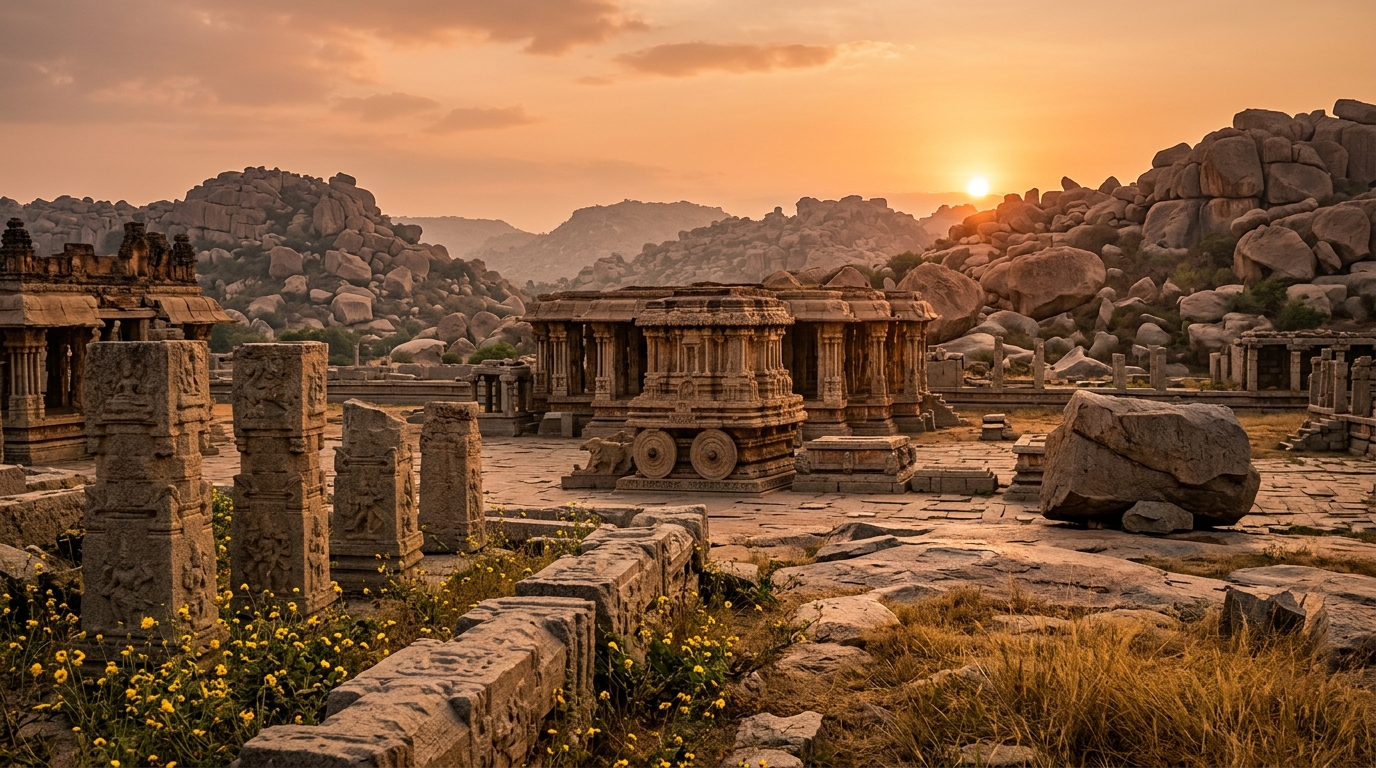
Karnataka is a state of dramatic transitions, stretching from the tech-driven streets of Bangalore to the ancient ruins of Hampi. The southern portion of the state is dominated by Mysore, famous for its grand Mysore Palace, an opulent blend of Indo-Saracenic architecture that comes alive on Sunday nights when illuminated by nearly 100,000 light bulbs. To round out a diverse south india travel plan, Karnataka provides the perfect mountain and heritage balance through these main zones:
- The Royal Heritage of Mysore: Famous for the grand Mysore Palace, an opulent Indo-Saracenic marvel illuminated by nearly 100,000 bulbs on Sunday nights.
- The Coffee Highlands of Coorg: Known as the ‘Scotland of India,’ this district features dense coffee estates, pepper plantations, and the unique culture of the Kodava people.
- Bylakuppe Tibetan Settlement: Home to the spectacular Namdroling Monastery (Golden Temple), the second-largest Tibetan settlement outside Tibet.
Booking structured Coorg packages or Bangalore Mysore itineraries allows visitors to transition smoothly from urban palaces to serene coffee forests. Karnataka remains an essential piece of the puzzle for anyone wanting a comprehensive understanding of the region’s diverse history.
The Ultimate 14-Day South India Itinerary
This 14-day South India itinerary is meticulously designed to offer a balanced mix of urban history, hill station relaxation, backwater cruising, and temple heritage. It is a logistically optimized route that minimizes unnecessary travel time while maximizing cultural exposure. It is basically the perfect template for first-time visitors who want to experience the absolute highlights of Karnataka, Kerala, and Tamil Nadu. When finalizing this specific south india travel plan, travelers can customize stops based on personal interests.
| Days | Primary Destinations | Key Highlights & Activities |
|---|---|---|
| Days 1-3 | Bangalore & Mysore | Lalbagh Botanical Gardens, Mysore Palace, Chamundi Hill |
| Days 4-6 | Coorg (Madikeri) | Coffee estate walks, Abbey Falls, Namdroling Monastery (Bylakuppe) |
| Days 7-10 | Wayanad, Kochi & Alleppey | Fort Kochi Chinese fishing nets, overnight backwater houseboat cruise |
| Days 11-14 | Madurai & Chennai/Mahabalipuram | Meenakshi Temple evening ceremony, Shore Temple rock-cut monuments |
Days 1-3: Cultural Landmarks of Bangalore and Mysore
Your south india travel plan starts in Bangalore, the capital of Karnataka. Spend your first day walking through the historic Lalbagh Botanical Gardens, which features a stunning glass house modeled after London’s Crystal Palace.
On Day 2, take a scenic three-hour drive south to Mysore, the cultural capital of the state. Along the way, stop briefly at Srirangapatna to view the historic summer palace of Tipu Sultan. Arrive in Mysore by early afternoon and check into your heritage hotel.
Day 3 is dedicated to exploring Mysore Palace, an opulent blend of Indo-Saracenic architecture. In the evening, drive up Chamundi Hill to view the 12th-century Chamundeshwari Temple and witness a panoramic sunset. Before leaving, visit the local Devaraja Market, a lively bazaar filled with pyramids of colorful kumkum powder and fresh jasmine garlands. This makes Mysore an indispensable stop in any cultural south india travel plan.
Days 4-6: Exploring the Coffee Plantations of Coorg
As you proceed with your south india travel plan into Coorg, the climate shifts beautifully. On Day 4, travel west into the hills of Coorg (Kodagu district), ascending through winding roads lined with spice hedges. Stop at Bylakuppe, the second-largest Tibetan settlement outside of Tibet, where the golden Namdroling Monastery houses spectacular Buddha statues.
Check into a local plantation homestay in Madikeri on Day 5 to walk through active coffee estates. Spend Day 6 visiting the Dubare Elephant Camp, situated on the banks of the Cauvery River, before climbing to Raja’s Seat to watch the sun set over the misty valleys.
Days 7-10: The Backwaters and Hills of Kerala
Kerala is often the highlight of a south india travel plan, offering unparalleled relaxation. On Day 7, head toward the historic port city of Kochi. Day 8 should be spent exploring Fort Kochi, observing the famous Chinese Fishing Nets and the 16th-century Mattancherry Palace.
On Day 9, drive south to Alleppey, the gateway to the Kerala backwaters. Board your private houseboat (a traditional kettuvallam) by midday to drift through silent, palm-shaded canals while enjoying freshly prepared local food. Awake on Day 10 to a misty sunrise on the water before traveling southeast toward Madurai in Tamil Nadu.
Days 11-14: Heritage and Beaches of Tamil Nadu
The final phase of this 14-day south india travel plan focuses on the historic east coast. Arrive in Madurai on Day 11. Day 12 is centered on the Meenakshi Amman Temple. Hire a certified local guide to explore the vast temple layout, including the Hall of a Thousand Pillars. In the evening, witness the dramatic night ceremony where the icon of Lord Shiva is carried in a solemn procession.
On Day 13, travel north toward Chennai, stopping at the UNESCO World Heritage site of Mahabalipuram to view the 7th-century Shore Temple. Spend Day 14 exploring the monolithic Five Rathas before departing for Chennai International Airport.
Practical Planning Tips for Your South India Travel Plan
Executing a successful south india travel plan requires careful attention to logistics, local seasonal shifts, and cultural expectations. Because the southern states are highly distinct from the north, even experienced travelers to India find that a different set of rules applies here. Arranging transport, timing your visits, and respecting regional customs are the foundations of a successful journey.
Optimal Travel Windows and Climate Concerns
The southern peninsula experiences a tropical climate, meaning temperature and humidity remain high throughout much of the year. Selecting the right months is the most critical decision for your south india travel plan. Depending on the source, the best time to visit South India is undoubtedly between November and February, when the winter monsoon has subsided, leaving the landscapes lush and the temperatures comfortably cool (ranging from 18°C to 30°C in the plains).
Avoid planning a trip during the peak summer months of April and May, when temperatures in cities like Madurai can exceed 40°C, making midday sightseeing highly uncomfortable. Conversely, Tamil Nadu receives its primary rainfall from the northeast monsoon during October and November.
- Winter Season (November to February):
- Ideal for general sightseeing, beach visits, and backwater cruising.
- Temperatures are mild, ranging from 18°C to 30°C.
- Summer Season (March to May):
- High humidity and intense heat, especially in inland plains.
- Best restricted to high-altitude hill stations like Munnar and Ooty.
- Monsoon Season (June to October):
- Heavy rainfall across the Western Ghats.
- Excellent for scenic photography and green landscapes, though transit delays are common.
Transportation and Logistics Across Southern States
While South India has an extensive rail network, trains book up weeks in advance, particularly for sleeper classes. For a 14-day itinerary, relying solely on trains can introduce unwanted rigidity into your schedule. Arranging transport is another major factor in executing your south india travel plan. Hiring a private air-conditioned vehicle with a professional driver remains the most flexible and comfortable option for moving between regional destinations.
For longer distances, such as traveling from Bangalore to Kochi, local low-cost carriers offer frequent, affordable flights. When utilizing local auto-rickshaws for short urban trips, always agree on a price beforehand or insist on using the meter to avoid fare disputes.
To help organize your arrival and internal flights, review the primary entry gateways across the southern states below:
| Airport (Code) | Primary Access State | Best For Reaching | Key International Connectivity |
|---|---|---|---|
| Kempegowda Int’l Airport (BLR) | Karnataka | Bangalore, Mysore, Coorg, Hampi | Excellent global connectivity, direct flights from Europe, US, Middle East |
| Cochin International Airport (COK) | Kerala | Kochi, Munnar, Alleppey Backwaters | Strong Middle East connectivity, Southeast Asian routes |
| Chennai International Airport (MAA) | Tamil Nadu | Chennai, Mahabalipuram, Pondicherry | Excellent connection to East Asia, Europe, Middle East |
Essential Cultural Etiquette and Packing Requirements
Southern India is culturally conservative, particularly regarding religious sites. Dressing appropriately is essential for a respectful south india travel plan. When visiting temples, dressing modestly is mandatory. Both men and women must cover their shoulders and knees. Some historic temples in Tamil Nadu require men to wear a traditional veshti (sarong) and remove their shirts before entering the inner sanctum.
Always remove your shoes before entering temples, homes, and certain small shops. Since you will be taking your shoes off frequently, wearing slip-on footwear or sandals is highly practical. It is also wise to pack high-quality cotton clothing to stay comfortable in the tropical humidity. Lastly, carry cash in smaller denominations, as small rural vendors rarely accept international credit cards.
Estimated Budget and Travel Expenses
To ensure your south india travel plan remains financially viable, it is useful to understand the average daily costs across different comfort tiers. The region offers exceptional value for money, from affordable heritage homestays to ultra-luxury palace hotels. By budgeting correctly, a south india travel plan can be both highly comfortable and affordable. Exploring structured South India tour packages can also help lock in fixed pricing for accommodation, transport, and guide services beforehand.
| Travel Tier | Estimated Daily Cost (INR) & Description |
|---|---|
| Budget | ₹2,500 – ₹4,000 per day (Standard guesthouses, public transport, local diners) |
| Mid-Range | ₹6,000 – ₹12,000 per day (Heritage homestays, private hired car, mid-tier restaurants) |
| Luxury | ₹20,000+ per day (Five-star palace resorts, premium houseboat rentals, private tour guides) |
These estimates are general guidelines and can vary based on seasonal demand, booking lead times, and individual travel styles. Booking accommodation and private transport at least three to four months in advance is highly recommended during the peak winter season.
Frequently Asked Questions About Planning a South India Trip
Planning a successful south india travel plan often brings up common queries. Here are answers to some of the most critical logistical questions travelers ask when structuring their itineraries.
Is South India safe for solo travelers?
Generally speaking, South India is considered highly safe for solo travelers, including women. The local populations are exceptionally hospitable, and violent crime rates are low. Whether you are designing a solo south india travel plan or traveling with family, security is highly managed. However, practicing standard travel precautions (such as avoiding poorly lit streets late at night and utilizing pre-arranged transport) is always advisable.
Do I need a special visa to visit South India?
The visa requirements for South India are identical to the rest of the country. Most foreign nationals are eligible for an e-Tourist Visa, which must be applied for online through the official government portal before departure. To ensure compliance, check current requirements on our dedicated Indian visa information page.
What are the must-try dishes in South India?
Do not leave without trying a traditional South Indian meal served on a banana leaf (often called meals or thali). It features an unlimited serving of rice accompanied by sambar, rasam, various vegetable preparations, and fresh curd. Other essential dishes include idli, vada, masala dosa, and traditional filter coffee brewed in brass tumblers.