
Planning a trip across the vast Indian subcontinent requires careful structural planning. With its distinct geographical regions, diverse seasonal climates, and rich historical monuments, India is rarely a destination that rewards a completely spontaneous approach. Understanding how to make a travel itinerary that balances architectural exploration with necessary rest periods is critical to avoiding travel fatigue. A well-constructed daily plan prevents common logistical issues, manages transportation overheads, and ensures that key cultural landmarks are accessible during optimal hours. By taking a methodical approach to pre-travel preparation, international and domestic visitors can experience the profound depth of India’s culture without the exhaustion that often accompanies poorly planned trips.
Key Takeaways
- Pacing is Key: India’s immense scale requires focusing on one distinct region (like the Golden Triangle or Kerala) for a 10-14 day trip to prevent travel fatigue.
- Pre-Book Transit: Secure high-demand train berths (up to 120 days in advance) and domestic flights early to avoid getting stranded.
- Match Budget to Pace: Align your financial resources with your physical comfort limits, ranging from budget backpacking ($25-$40/day) to luxury heritage stays ($300+/day).
- Prepare Official Documents: Apply for the Indian e-Visa 3-4 weeks prior to travel and consult a travel clinic for essential vaccinations.
Why a Structured Itinerary is Essential for India Travel
For many global travelers, India represents the ultimate destination of cultural history and architectural wonders. Yet, the physical scale of the country is frequently underestimated. Spanning over three million square kilometers, the travel times between major cities can be substantial, often requiring overnight train journeys or domestic flights. Consequently, understanding how to make a travel itinerary that manages these rapid environmental shifts becomes an absolute necessity.
Without a structured plan, travelers face significant transit hurdles. A structured plan helps mitigate key logistical risks:
- High Passenger Volume: Booking high-demand trains at the last minute is virtually impossible during peak festival seasons. As reported in the Ministry of Railways 2024 performance briefing, passenger volume exceeded 6 billion commuters annually, highlighting the intense competition for reserved berths.
- Deceptive Travel Distances: A distance that appears short on a map, such as the 150-kilometer drive between two Rajasthani towns, can take upwards of four hours due to local traffic.
- Avoiding Costly Alternatives: Spontaneity in this environment often results in being stranded or relying on expensive, unreliable private transport.
For the Free Independent Traveler (FIT) (an industry term referring to individuals who plan their own trips rather than booking pre-packaged group tours) a structured plan acts as a logistical anchor. This plan ensures that activities are distributed logically across the available days. It transforms a potentially chaotic trip into a series of rewarding, manageable steps.
Step 1: Define Your Travel Style, Budget, and Duration
The foundational step when studying how to make a travel itinerary is defining the trip’s overall tone, financial framework, and timeframe. India accommodates an exceptionally wide range of travel styles, from budget-conscious backpacking to luxury heritage tours utilizing former royal palaces as accommodations. Before mapping out specific geographical routes, travelers must establish their comfort thresholds. Clarifying these expectations early prevents budgeting errors and ensures subsequent logistics remain consistent with personal preferences.
Determining Your Budget and Pace
A crucial point in how to make a travel itinerary is matching financial resources with the appropriate pace of movement. India offers remarkable value across all budget levels, but higher expenditure generally buys speed and physical comfort. For example, a mid-range budget of roughly eighty to one hundred dollars per day per person allows for comfortable boutique accommodations, domestic flights, and private drivers. This financial commitment reduces physical fatigue.
Conversely, a lower budget requires relying on slower transport systems, demanding a slower travel pace. The exact pacing is the core challenge of how to make a travel itinerary for travelers who want to see everything. Attempting to cover multiple distant cities on a restricted budget leads to physical burnout. The table below illustrates the typical allocation of daily expenditures across different travel tiers:
| Budget Tier | Accommodations | Primary Transport | Average Daily Cost (USD) |
|---|---|---|---|
| Budget | Hostels, Homestays | Sleeper Class Trains, Buses | $25 – $40 |
| Mid-Range | Boutique Hotels, Haveli Properties | AC Trains, Domestic Flights, Uber | $80 – $150 |
| Luxury | Palace Hotels, Premium Resorts | Private Chauffeured Cars, Express Trains | $300+ |
Pacing must also account for sensory processing. The density of sights, sounds, and cultural encounters in urban India is intensely stimulating. Successful itineraries purposely insert slower-paced days following visits to major metropolitan centers. For every three days of active sightseeing, incorporating a day of relative rest is recommended.
Choosing the Right Duration for Your Trip
When analyzing how to make a travel itinerary that aligns with standard leave policies, the duration of the visit dictates the geographic scope. India cannot be fully experienced in a single trip. Therefore, trying to cover both the Himalayan north and the tropical south within a ten-day window is a recipe for logistical frustration.
For a standard ten-day to two-week trip, focusing on a single, well-defined geographic corridor is the most effective strategy. A two-week timeframe is ideal for exploring the historic Golden Triangle coupled with one adjacent state, such as Rajasthan. Alternatively, a two-week period is perfect for a comprehensive journey through the coastal and mountain regions of Kerala.
Step 2: Choose Your Destinations and Region
Once the budget and duration are set, the core step of how to make a travel itinerary lies in destination selection. Geographic proximity on a map does not always equate to ease of travel. Therefore, creating a balanced India travel itinerary requires careful geographical filtering based on seasonal accessibility and personal interests.
India is broadly divided into distinct tourism zones, each offering entirely different architectural styles, landscapes, and cultural experiences. Managing these options requires choosing a specific regional focus rather than attempting to stitch together disparate locations across the subcontinent.
North India vs. South India: Key Differences
An essential consideration for how to make a travel itinerary is the regional climate and cultural landscape. North India is characterized by its grand historical scale. It features massive Mughal-era forts, ancient temple complexes, and the dramatic topography of the Himalayas. This region is home to iconic destinations like Delhi, Agra, and Varanasi. And yet, South India offers a distinct contrast, defined by tropical climates, coastal geography, and ancient Dravidian temple complexes.
In states like Kerala, travelers can explore peaceful backwaters, spice plantations, and historic port cities. For those seeking wellness retreats, Ayurvedic treatments, and coastal relaxation, prioritizing a Kerala tour package is an excellent decision. This regional filtering is central to how to make a travel itinerary that is deeply satisfying.
The Golden Triangle and Beyond
For beginners learning how to make a travel itinerary for historical immersion, the classic Golden Triangle circuit represents the most common answer. This route links the national capital, Delhi, with Agra (the home of the Taj Mahal) and the pink city of Jaipur. The popularity of this route stems from its exceptional density of UNESCO World Heritage sites and relatively straightforward transit links.
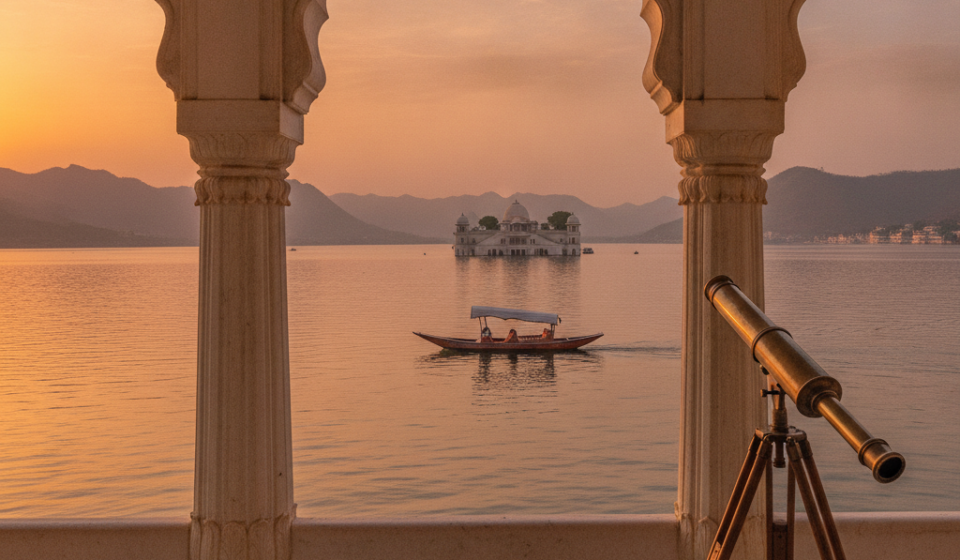
However, experienced planners often expand this basic loop to include adjacent heritage towns. Adding Udaipur, known for its elegant lake palaces, or the desert fortress of Jaisalmer elevates the standard cultural journey. Integrating these extensions is a masterclass in how to make a travel itinerary with varied experiences, balancing bustling urban centers with serene lakeside towns and desert vistas.
Step 3: Research Logistics and Connectivity
Solving logistics is the most complex phase of how to make a travel itinerary for India. It is the stage where abstract travel dreams must meet the hard realities of local transit systems, booking windows, and infrastructural capacity. Efficient connectivity is the difference between a smooth transition and hours of delay.
Travelers must research the precise schedules of trains, flights, and road transfers. Reliance on real-time planning is risky, especially when traveling between secondary cities where transport options are less frequent.
Understanding Indian Railways and Domestic Flights
The Indian Railway system is an extensive network, but its reservation policies can be challenging for outsiders. Train tickets on major express routes (such as the Shatabdi or Rajdhani Express trains) open for booking 120 days in advance. Understanding this booking window is vital for anyone mapping out how to make a travel itinerary during peak season. Tickets sell out quickly, making pre-planning essential.
For long-distance travel, selecting the appropriate rail class is a critical step in how to make a travel itinerary. The recommended options for comfort are:
- First Class AC (1AC): Lockable compartments with two or four berths, providing maximum privacy.
- Two-Tier AC (2AC): Air-conditioned open compartments with four berths per bay, separated by curtains.
- Three-Tier AC (3AC): Air-conditioned berths, representing the most common choice.
- AC Chair Car (CC): Comfortable reclining seats, ideal for daytime express journeys under six hours.
When train schedules are inconvenient, domestic airlines provide a rapid alternative. Low-cost carriers connect almost every major commercial center. When planning a trip to India, combining domestic flights with express train journeys is often the most time-efficient strategy.
Local Transport: Cabs, Metro, and Auto-rickshaws
Once in a destination city, managing micro-transit is a crucial part of how to make a travel itinerary. Urban centers in India feature diverse local transport options:
- App-Based Ride-Hailing: Services like Uber and Ola operate reliably in all major metropolitan areas, providing pre-negotiated, transparent pricing that protects international travelers from complex fare negotiations.
- Metro Systems: In cities like Delhi, the local metro system is highly efficient, clean, and fast, bypassing surface traffic entirely.
- Auto-Rickshaws: While auto-rickshaws offer a classic Indian transit experience for short distances, fares should be agreed upon before entering the vehicle to ensure smooth transit.
Therefore, pre-booking reliable local transport is an essential task when learning how to make a travel itinerary.
Step 4: Create a Day-by-Day Plan
Synthesizing these elements into a daily schedule is where how to make a travel itinerary becomes a practical tool. A common error is writing a list of sights to see without attributing specific time blocks or logical routes to each. This leads to disjointed days spent sitting in city traffic.
A successful day-by-day plan lists the physical location of each activity. Grouping sites by geographical proximity within a city prevents backtracking. For example, when visiting Delhi, it is logical to group the historic Qutub Minar and Lotus Temple together in a single afternoon rather than splitting them across separate days.
Balancing Activity Days with Rest Days
As noted, avoiding burnout is a key objective when planning how to make a travel itinerary. Travel in India involves significant physical activity, including climbing steep stairs in ancient forts and walking long distances across extensive palace grounds. Additionally, high summer temperatures or seasonal monsoon humidity increase the physical demand.
Therefore, rest days are not wasted days, but rather the foundation of how to make a travel itinerary that works. A rest day can involve spending a quiet morning at a local cafe, experiencing a traditional wellness massage, or simply relaxing by a heritage hotel pool. This pacing allows travelers to process their experiences and maintain their enthusiasm for the duration of the trip.
Sample 10-Day India Travel Itinerary
To visualize these planning principles in action, this practical layout serves as a template for how to make a travel itinerary that minimizes transit stress. The following structural table outlines how to make a travel itinerary across two highly distinct regional paths: the historical Northern Heritage Route and the relaxed Southern Tropical Route.
| Day | Option A: Northern Heritage Route (Golden Triangle) | Option B: Southern Tropical Route (Kerala) |
|---|---|---|
| Day 1 | Arrive in Delhi; rest and adapt to timezone. | Arrive in Kochi; transfer to Fort Kochi hotel. |
| Day 2 | Explore Old Delhi (Red Fort, Jama Masjid) by rickshaw. | Tour Fort Kochi areas and Chinese Fishing Nets. |
| Day 3 | Drive from Delhi to Agra; visit Mehtab Bagh at sunset. | Drive to Munnar; traverse scenic tea plantations. |
| Day 4 | Sunrise visit to Taj Mahal; explore Agra Fort. | Explore Eravikulam National Park and Munnar tea museum. |
| Day 5 | Drive to Jaipur via abandoned Fatehpur Sikri. | Drive to Thekkady; spice plantation tour. |
| Day 6 | Tour Amber Fort; view Jal Mahal and Hawa Mahal. | Boat safari on Periyar Lake; martial arts demo. |
| Day 7 | Explore Jaipur City Palace and Jantar Mantar observatory. | Drive to Alleppey; check into backwater houseboat. |
| Day 8 | Drive back to Delhi or fly to Udaipur for extensions. | Cruise the backwaters; experience village life. |
| Day 9 | Sightseeing in New Delhi (Humayun’s Tomb, India Gate). | Disembark and drive to Marari Beach; evening leisure. |
| Day 10 | Final souvenir shopping; departure from Delhi airport. | Transfer to Kochi airport for outward flights. |
This detailed comparison illustrates how to make a travel itinerary based on regional routes. Each day is structured around a singular transition or activity, avoiding the frantic pace of multi-city stops within a short timeframe. Another example of how to make a travel itinerary is combining Rajasthan with wildlife parks like Ranthambore, which requires twelve days to execute properly.
Step 5: Book Accommodation and Internal Transit
With the day-by-day plan finalized, the next step is secure bookings. The booking phase of how to make a travel itinerary secures the physical safety, comfort, and reliability of the trip. Securing these arrangements early is advisable, especially for travel scheduled between the popular months of October and March.
When selecting accommodations, travelers should prioritize local character over generic international chains. India features a remarkable array of heritage properties, including restored Rajasthani Havelis (traditional courtyard mansions) and converted colonial villas. Balancing boutique heritage properties with modern hotels is a wise approach when deciding how to make a travel itinerary. It provides a deeper connection to local design history.
In tandem with this, integrating internal transit is part of how to make a travel itinerary that must be locked in concurrently with hotels. Booking domestic flights via local airline portals early ensures access to lower fare classes. For rail travel, utilizing an authorized international travel partner or securing a verified account on the IRCTC portal is necessary. This prevents arriving at train stations only to find all reserved cabins booked. Having these confirmations in hand before departure reduces arrival anxiety.
Step 6: Prepare Essential Documentation and Health Measures
The final phase of planning is administrative and medical preparation. Ensuring regulatory compliance is a major step in how to make a travel itinerary. Failing to secure the correct entry documentation can lead to denial of boarding at the departure airport, nullifying months of preparation.
Most international visitors require an Indian Electronic Visa (e-Visa) to enter the country. The official portal allows eligible passport holders to apply online. This process should be initiated at least three to four weeks prior to the travel date. Depending on the passport country of origin, processing times typically range from 24 hours to four days. Additionally, passport validity must extend at least six months beyond the planned departure date, with at least two blank pages available.
| Requirement / Document | Details & Validity | Recommended Timeline |
|---|---|---|
| Indian e-Visa | Available for tourism, business, or medical purposes (30-day, 1-year, or 5-year options). | Apply online 3-4 weeks prior to departure. |
| Passport Validity | Must have minimum 6 months validity from the arrival date and at least 2 blank pages. | Check/renew at least 3 months in advance. |
| Routine & Specialized Vaccines | Hepatitis A, Typhoid, Tetanus, and potentially Malaria/Japanese Encephalitis prophylaxis. | Visit a travel clinic 6-8 weeks prior to departure. |
| Travel Insurance Policy | Should include comprehensive medical coverage, emergency evacuation, and trip interruption. | Purchase immediately after flight confirmation. |
Alongside this, the administrative process of planning a trip to India includes obtaining the correct e-visa and verifying medical guidelines. Travelers should consult a specialized travel medicine clinic at least two months before departure to discuss required vaccinations. Common recommendations include Hepatitis A, Typhoid, Tetanus, and occasionally malaria prophylaxis, depending on the specific regions on the itinerary.
Those planning a trip to India should prioritize health preparations. Carrying a basic medical travel kit is a practical precaution. Essential health kit items include:
- Oral rehydration salts (ORS) to treat dehydration quickly.
- Broad-spectrum antibiotics and daily personal prescriptions.
- Anti-diarrheal, antihistamine, and motion sickness medications.
- High-strength insect repellent containing DEET or Picaridin.
Obtaining robust travel insurance that covers emergency medical evacuation and trip cancellation is also crucial. These health and insurance guidelines on how to make a travel itinerary protect travelers against unexpected disruptions, providing peace of mind.
Conclusion
Creating a perfect travel itinerary for India requires a careful balance of detailed logistical planning and flexibility. India is a destination that demands respect for its vast scale, geographical diversity, and cultural complexity. By systematically defining a clear travel style, choosing a focused regional destination, and securing essential train and hotel reservations in advance, travelers can avoid the common pitfalls of over-scheduling. This structured approach allows for a deeper, more meaningful engagement with one of the world’s most fascinating civilizations.
Ultimately, learning how to make a travel itinerary is about managing variables. It ensures that transitions are smooth, accommodations are secure, and travel energy is preserved for exploring the extraordinary sights. For those seeking professional assistance in crafting a seamless, customized journey through India’s most iconic states, coordinating with specialized services is highly beneficial. Explore the comprehensive domestic tour options and curated travel packages on TravelDham’s Domestics page to transform these structural planning steps into an unforgettable travel reality.