The Ultimate Siju Cave Travel Guide: How to Visit Meghalaya’s Mystical Bat Cave and Underground River Maze

Meghalaya remains one of India’s last true wilderness frontiers. While many visitors flock to the living root bridges or the waterfalls near Cherrapunji, a different kind of adventure awaits in the south. The Siju Cave, often called the Bat Cave, offers an experience that defies standard tourism. It is a massive limestone labyrinth carved by the Simsang River. This Siju Cave travel guide provides the essential framework for planning an expedition into one of the longest and most complex cave systems in the country.
Key Takeaways
- Unique Subterranean System: Siju Cave is a massive, river-carved limestone labyrinth known as India’s “Bat Cave”.
- Mandatory Guidance: Exploring the cave safely requires hiring experienced local guides from Siju village.
- Strict Seasonality: Expeditions are only safe during the dry winter months (November to February) due to flash flood risks.
- Essential Equipment: High-quality waterproof headlamps, quick-dry clothing, and sturdy grip shoes are non-negotiable.
- Remote Logistics: Detailed pre-planning for transport from Guwahati to South Garo Hills is crucial.
Understanding the Siju Cave System
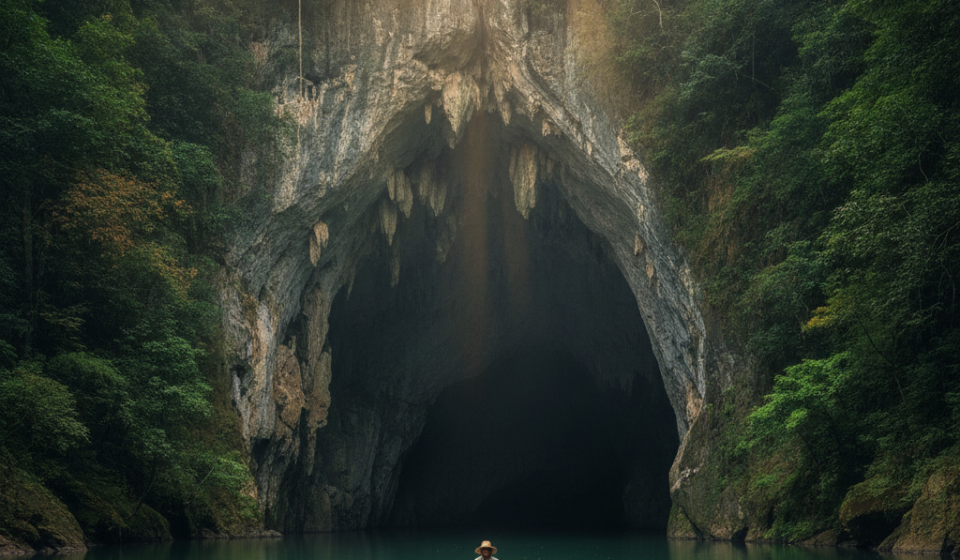
The Siju Cave is a geological marvel located in the South Garo Hills district. It ranks among the longest cave systems in the Indian subcontinent. The cave is famous for its intricate formations and the sheer scale of its underground river passage. The Simasang River flows directly through the lower levels of the cave, creating a dynamic environment that changes with the monsoon rains.
The cave is not merely a single passage. It is a vast network of chambers, tunnels, and river sections. Explorers often find the environment challenging because of the high humidity and the presence of deep water pools.
| Feature | Description |
|---|---|
| Geological Type | Limestone karst cave system |
| Primary River | Simsang River |
| Primary Wildlife | Colonies of bats and rare cave fish |
| Accessibility | Seasonal and requires local guidance |
Planning Your Expedition
Preparation is the difference between a memorable exploration and a dangerous ordeal. The location is remote, and infrastructure is limited. You must coordinate your visit well in advance. Access to the cave is strictly controlled, and local guides are mandatory for safety reasons.
- The cave location is highly remote, with minimal local infrastructure available.
- Advanced coordination is necessary to ensure safety and smooth logistics.
- Access to the deeper sections is strictly controlled, making certified local guides mandatory.
| Aspect | Details & Estimated Cost | Recommendation |
|---|---|---|
| Local Guide Fee | INR 500 – 1,000 per group | Mandatory; hire at Siju village entrance |
| Entry Permit | Nominal fee (varies) | Coordinate with Baghmara Tourism Office |
| Guwahati to Baghmara Transport | INR 5,000 – 8,000 (Private Cab) | Pre-book a reliable private SUV |
| Recommended Duration | 2 Days (including travel) | Stay overnight in Baghmara or Siju |
- Permits and Permissions: Contact the local district tourism office in Baghmara before arriving. You may need specific authorization to enter certain protected sections of the cave.
- Guided Tours: Never attempt to explore the cave alone. Local guides from Siju village have the expertise to navigate the river crossings and identify stable passages.
- Travel Season: Plan your trip between November and February. The monsoon season makes the cave dangerous due to flash flooding.

Essential Gear for Cave Exploration
The interior of the Siju Cave is dark, damp, and rugged. Standard hiking attire is insufficient for a deep trek into a limestone maze. You must pack gear that handles extreme moisture and potential submersion. Proper lighting is the most important component of your kit.
Consider bringing the following items:
- Headlamps: Bring two high-lumen waterproof headlamps with extra batteries. A primary light and a backup are non-negotiable.
- Footwear: Use sturdy, grip-heavy trekking shoes that dry quickly. Avoid heavy leather boots that retain water.
- Clothing: Wear quick-dry synthetic materials. Cotton becomes heavy and cold when wet.
- Protective Gear: A lightweight helmet is highly recommended to protect against low-hanging rock formations.
Reaching Siju Village
The journey to Siju is part of the challenge. Most travelers arrive from Guwahati, which serves as the primary transport hub for the region. From Guwahati, you must take a road journey through the hills to reach the South Garo Hills.
- Fly to Guwahati: The Lokpriya Gopinath Bordoloi International Airport is the closest major transit point.
- Road Transfer: Hire a private vehicle from Guwahati to Baghmara. This drive can take 8 to 10 hours depending on road conditions.
- Local Transport: From Baghmara, secure a local taxi or shared vehicle to reach Siju village.
The road conditions in the Garo Hills can be unpredictable. Expect long travel times and prepare for winding mountain roads. We recommend checking our custom itinerary planning service if you need assistance organizing ground transport through these remote areas.
- Expect significantly longer travel times due to winding and uneven mountain roads.
- Prepare for unpredictable road conditions in the Garo Hills, especially post-monsoon.
- Consider utilizing private 4-wheel-drive vehicles for a safer and more comfortable journey.
Safety Considerations and Guidelines
Caving is an inherently risky activity. The Siju Cave environment is fragile and potentially hazardous. Always adhere to the established protocols of the cave management authorities. Sudden water level changes can turn a safe passage into a trap within minutes.
The golden rule of caving is to leave nothing behind and take nothing away. The delicate limestone formations have taken millions of years to grow and a single touch can destroy them forever.
If you feel uncomfortable or if the river current appears too strong, do not hesitate to turn back. There is no shame in prioritizing your safety over reaching the deepest point of the system. You can always discuss safety logistics with our team by visiting our travel consultation page for more expert insights.
FAQs
What is the best time of year to visit Siju Cave?
The winter months, specifically from November to February, are the best time for a visit. This period avoids the heavy rainfall that causes the Simsang River to flood the cave interior.
Do I need a permit to enter the cave?
Yes. You should coordinate with the South Garo Hills district authorities. It is standard practice to secure permission and hire a local guide before you arrive at the cave entrance.
Is the cave suitable for children or casual tourists?
No. The Siju Cave is a challenging environment that requires physical fitness, stamina, and basic comfort with dark, confined, and wet spaces. It is not recommended for children or casual sightseeing.
Are there accommodation options near the cave?
Accommodation in Siju village is very basic. Most visitors stay in Baghmara, which offers a broader range of guesthouses and hotels compared to the immediate vicinity of the cave.

Conclusion
Visiting the Siju Cave offers a rare glimpse into the raw, subterranean beauty of Meghalaya. It is a demanding destination that rewards those who plan carefully and respect the environment. By following the guidance in this Siju Cave travel guide, you can ensure a safe and successful journey into one of India’s most mysterious natural wonders. Remember to prioritize local expertise and environmental preservation throughout your expedition.