
The Ultimate Saranda Forest Travel Guide: How to Explore Asia’s Largest Sal Forest and the Land of Seven Hundred Hills

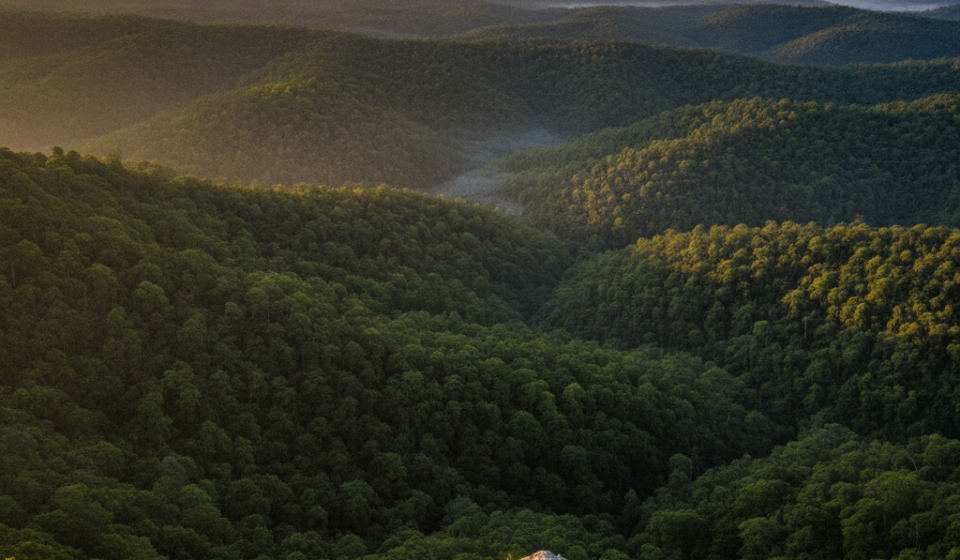
The Saranda Forest, located in the West Singhbhum district of Jharkhand, represents one of the most significant ecological treasures in India. Known as the land of seven hundred hills, this vast expanse serves as the largest Sal forest in Asia. Developing a comprehensive Saranda Forest travel guide requires an understanding of its dense canopy, rugged terrain, and the remote charm that defines this protected area. Visitors seeking an immersive experience in nature often choose this destination to disconnect from urban noise and observe wildlife in a truly undisturbed habitat.
Key Takeaways
- Asia’s Largest Sal Forest: Spanning 820 square kilometres, Saranda is the premier reserve of Sal trees in Asia.
- The Land of Seven Hundred Hills: Renowned for its undulating terrain, deep valleys, and rich biodiversity.
- Optimal Visiting Window: The cooler months between October and March offer the safest trekking climate.
- Crucial Wildlife Corridor: Acts as a vital migratory route for Asian elephants and various endangered fauna.
- Preparation is Essential: Limited connectivity and basic infrastructure require advanced booking and local navigation assistance.
Understanding the Geography of Saranda
The name Saranda translates to the land of seven hundred hills. This moniker provides an accurate description of the landscape. The forest spans roughly 820 square kilometres, featuring undulating terrain, deep valleys, and thick groves of Sal trees. Its unique topography plays a critical role in maintaining the local climate and supporting a diverse array of fauna.
The region is bounded by the Karo and Koina rivers, which act as natural boundaries for the forest. These waterways contribute to the lush environment that characterises the area. For those relying on a detailed Saranda Forest travel guide, noting the elevation changes is essential. The hilly nature of the forest means that temperatures remain relatively pleasant compared to the surrounding plains, although summer months can still experience significant heat.
- Region: West Singhbhum, Jharkhand.
- Forest Type: Tropical moist deciduous, dominated by Sal trees.
- Key Features: Seven hundred hills and dense biodiversity.
- Rivers: Karo and Koina.

Planning Your Visit to the Land of Seven Hundred Hills
Planning a trip to such a remote location requires careful preparation. As a protected area, access to parts of the forest may be restricted. Travellers must secure necessary permissions from forest officials before attempting to enter restricted zones. The administrative centre for the district is Chaibasa, which serves as the primary base for organising logistics and acquiring local insights.
To ensure a hassle-free visit, travelers should focus on the following essential preparation steps:
- Secure Permits: Acquire necessary entry permissions from forest department officials in Chaibasa or local range offices.
- Arrange Transport: Secure a high-clearance 4WD vehicle, as standard vehicles struggle with the rugged forest tracks.
- Local Guide Registration: Hire a certified local guide who is well-versed with the specific tribal routes and wildlife movements.
The best time to explore the forest is during the cooler months, specifically between October and March. During this period, the weather is conducive to outdoor activities like trekking and bird watching. If one visits during the monsoon, be aware that many forest trails become inaccessible due to heavy rain and slippery conditions. The following table highlights the seasonal considerations for those planning their Saranda Forest travel guide itinerary.
| Season | Weather Conditions | Travel Recommendation |
|---|---|---|
| Winter (Oct – March) | Cool and dry | Ideal for trekking and photography |
| Summer (April – June) | Hot and humid | Best for early morning wildlife viewing |
| Monsoon (July – Sept) | Heavy rainfall | Generally avoid for safety reasons |

Essential Logistics and Accommodations
Infrastructure within the core forest area remains limited to preserve the ecosystem. Visitors typically stay in forest rest houses or basic guesthouses located in nearby towns such as Gua, Manoharpur, or Kiriburu. These accommodations provide the necessary functionality for a short stay but do not offer luxury services. It is advisable to book these facilities well in advance through the state forest department.
| Base Town | Approximate Distance to Forest | Accommodation Style | Key Advantage |
|---|---|---|---|
| Manoharpur | 15 km | Forest Rest Houses & Eco-resorts | Excellent rail connectivity |
| Kiriburu | Within Forest Edge | SAIL Guest Houses & Government Bungalows | Spectacular sunset and sunrise views |
| Gua | 20 km | Basic Budget Hotels & Lodges | Close proximity to mining exploration sites |
Transportation to the region involves a combination of train and road travel. The nearest major railway station is Manoharpur, which connects to major cities in the region. From the station, hiring a local vehicle is the most practical way to reach the forest interior. Ensure the driver is familiar with the forest routes, as navigation without local knowledge is risky.
The remoteness of the Saranda Forest is its greatest asset. Visitors should come prepared for limited mobile connectivity and a lack of modern amenities, ensuring they bring necessary supplies for their entire duration.
Wildlife and Biodiversity Observations
The forest is famous for its population of Asian elephants. It serves as a crucial corridor for migratory herds moving between states. Besides elephants, the forest supports a wide variety of wildlife including tigers, leopards, deer, and diverse bird species. The dense canopy makes visual sightings challenging, but the acoustic experience of the forest is unparalleled.
The diverse wildlife in Saranda can be categorized as follows:
- Mammals: Asian Elephants (migratory), Bengal Tigers, Indian Leopards, Sloth Bears, and Barking Deer.
- Avifauna: Great Indian Hornbills, Golden Orioles, Paradise Flycatchers, and various raptors.
- Vegetation: Dominated by giant Sal trees (Shorea robusta), alongside wild orchids, ferns, and medicinal plants.
Maintaining ethical standards during wildlife observation is a priority. Visitors must strictly adhere to silent observation practices and maintain distance from herds. Harassing wildlife or venturing off established trails is prohibited. A responsible Saranda Forest travel guide highlights the importance of leaving no trace to ensure the conservation of this fragile habitat.
Key Safety Precautions
Safety is paramount when entering a large, unmapped wilderness area. The region has experienced security challenges in the past, though current conditions are much improved for authorised tourists. Always check the latest local security advisories before finalising travel dates.
- Register with the local forest office upon arrival.
- Always hire an experienced local guide.
- Carry a physical map and a compass if possible.
- Keep a first-aid kit stocked with essential medications.
- Avoid travelling after sunset within the forest boundaries.
Conclusion
Exploring the Saranda Forest is an undertaking for the patient and respectful traveller. It rewards those willing to sacrifice comfort for the chance to witness one of the last remaining large-scale wilderness areas in the region. By following this Saranda Forest travel guide, visitors can experience the profound scale of Asia’s largest Sal forest while contributing to the sustainable preservation of the land of seven hundred hills. Respect for the environment and strict adherence to local regulations ensure this unique landscape remains protected for future generations.