The Ultimate Ranakpur Travel Guide: How to Explore Rajasthan’s Spectacular Temple of 1,444 Pillars and Hidden Aravalli Wilderness

Ranakpur sits tucked away in the Aravalli hills, offering a rare glimpse into the architectural mastery of the fifteenth century. While many travellers focus solely on the famous marble temple, the surrounding wilderness and local culture provide a much deeper experience. Planning an effective journey to this region requires more than just checking a map. This Ranakpur travel guide outlines the essential details needed to handle the logistics, admire the craftsmanship, and appreciate the natural surroundings of this Rajasthani gem.
Key Takeaways for Your Visit
- Architectural Masterpiece: Admire the stunning 15th-century temple featuring 1,444 uniquely hand-carved marble pillars.
- Prime Travel Window: Plan your trip between October and March for cool, pleasant outdoor exploration.
- Customs & Guidelines: Dress conservatively and strictly avoid bringing leather items inside the sacred temple complex.
- Rich Wilderness: Explore the surrounding pristine Aravalli range, famous for hiking trails and leopard sightings.
- Ideal Day Trip: Easily accessible within a 2 to 3-hour scenic drive from Udaipur.
Understanding the History of the Ranakpur Jain Temple
Construction of the main Jain temple in Ranakpur began in the middle of the fifteenth century. It stands as a testament to the patronage of Rana Kumbha, a powerful ruler of Mewar, and the vision of a local businessman named Dharna Shah. The project reportedly spanned over 50 years to complete.
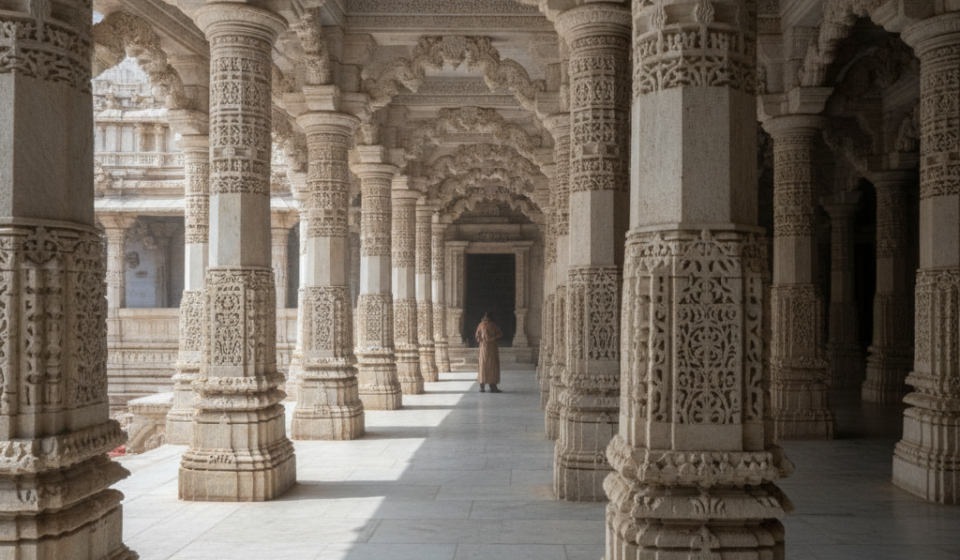
The site serves as a place of worship dedicated to Tirthankara Rishabhanatha. Beyond its religious significance, the building serves as a masterclass in Maru-Gurjara architecture. Every surface inside the structure features intricate carvings, demonstrating a level of detail that remains striking centuries later.
The Architectural Significance
The structure is most famous for its exceptional design elements that distinguish it globally:
- 1,444 Unique Pillars: Every single marble pillar is intricately carved, and no two columns share the identical design.
- Chaumukha (Four-Faced) Layout: The layout follows a complex four-faced design, carefully planned to allow worshippers to see the deity from any direction.
- Unmatched Precision: The construction of such a massive, detailed marble structure in a remote valley highlights the immense resources and artistic dedication of the era.
Planning Your Visit
Success depends on choosing the right time of year. Because Ranakpur is located in a valley within the Aravalli range, the climate shifts significantly across seasons. Proper planning ensures comfortable exploration of both the temple grounds and the nearby nature trails.
Best Time to Visit
The optimal period for travel is between October and March. During these months, daytime temperatures remain moderate, making it comfortable to walk through the stone corridors and explore the surrounding hills. Summers can reach extreme heat, which limits outdoor activity, while the monsoon season brings heavy rain that can disrupt local transportation routes.
| Season | Expected Weather | Travel Recommendation |
|---|---|---|
| Winter (Oct-Mar) | Pleasant and cool | Ideal for sightseeing |
| Summer (Apr-Jun) | Very hot | Avoid midday exposure |
| Monsoon (Jul-Sep) | High humidity and rain | Check road conditions |
To plan your day efficiently, consult this quick reference checklist for temple logistics:
| Visitor Information | Details & Timing | Approximate Cost (INR) |
|---|---|---|
| Temple Opening Hours | 12:00 PM to 5:00 PM (for tourists) | Free Entry |
| Audio Guide / Mobile Fee | Mandatory audio guide for non-Jains | ₹100 – ₹200 |
| Camera Photography Fee | Permitted with a digital camera / phone | ₹100 – ₹300 |
| Recommended Stay Duration | Half-day to Full-day | N/A |
Essential Travel Tips for Visitors
Respecting local customs is mandatory when visiting religious sites in Rajasthan. The Jain community maintains strict rules regarding temple conduct. These guidelines exist to preserve the sanctity of the location (a common priority in such sites).
- Dress conservatively by covering shoulders and knees.
- Remove all leather items before entering the temple complex, as leather is prohibited inside.
- Keep voices low to maintain a quiet atmosphere.
- Photography rules change frequently, so check with the site office upon arrival.
- Avoid bringing non-vegetarian food or alcohol into the premises.

Navigating the Aravalli Wilderness
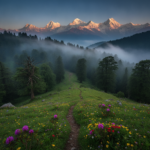
Beyond the marble walls, the Aravalli hills offer significant natural beauty. The region acts as a corridor for local wildlife, including leopards and various bird species. Many visitors underestimate the depth of the local ecosystem, but those who take the time to hike the perimeter often find the experience just as rewarding as the architecture.
Hiking and Nature Trails
The trails surrounding Ranakpur provide views of the valley and the chance to spot local fauna. To make the most of your hike, consider the following:
- Hire a Local Guide: This is highly recommended to help identify specific plants, bird species, and animal tracks that are otherwise easy to miss.
- Unspoiled Nature: The wilderness here remains largely untouched, offering a pristine environment compared to more commercialised tourist spots in the state.
- Wildlife Spotting: Keep an eye out for leopards, langurs, and diverse birdlife inhabiting the rocky Aravalli terrain.
Local Accommodation and Dining
Options in Ranakpur range from modest guesthouses to more established luxury retreats. Because the area is a quiet destination, most lodging facilities provide a peaceful environment. Dining is largely focused on traditional Rajasthani cuisine, often served as part of the hotel packages or in small eateries near the temple.
- Luxury Resorts: These provide high-end amenities and views of the Aravalli range.
- Heritage Stays: Several old mansions have been converted into guest houses, offering a historical feel.
- Local Cafes: Simple, reliable options for quick snacks and tea.

Getting to Ranakpur
Accessing this destination requires a bit of travel, as it sits off the major highways. Most travellers combine a visit to Ranakpur with a stay in Udaipur, which serves as the primary transport hub for this part of Rajasthan.
- Arrive in Udaipur by air, train, or road.
- Hire a private vehicle for the drive, which takes roughly two to three hours.
- Consider the route via Kumbhalgarh if you wish to see the historic fort on the same day.
The journey from Udaipur to Ranakpur is just as impressive as the destination itself, winding through the dense forests and rocky terrain of the Aravalli hills.
FAQs
Is there an entry fee for the Ranakpur temple?
Yes, there is a nominal fee for visitors. International tourists often pay a different rate than domestic visitors, and fees for professional camera equipment may also apply.
Can I visit Ranakpur as a day trip from Udaipur?
Yes, many travellers include Ranakpur in their itinerary as a day trip from Udaipur. It is feasible to drive there, spend a few hours at the temple, and return to the city by evening.
Are guides available at the temple site?
Authorized guides are usually available at the entrance. They can provide valuable context on the intricate carvings and the history of the site, which is often difficult to interpret without expert knowledge.
Is the temple accessible for those with limited mobility?
The temple has several steps and uneven stone floors. While some areas are accessible, moving throughout the entire complex can be challenging for those with mobility issues. Planning to see the main hall is usually the most manageable approach.
Should I book accommodation in advance?
During the peak winter season, booking in advance is advisable. The number of high-quality hotels near the site is limited, and they often fill up quickly between November and February.
For those looking to explore more hidden gems in the region or needing assistance with curated travel arrangements, our bespoke tour services are designed to handle every detail. You can also review our custom itinerary planning page for more inspiration on how to connect Ranakpur with other iconic Rajasthan locations.