The Ultimate Dhanaulti Travel Guide: How to Explore Mussoorie’s Peaceful and Scenic Alpine Neighbor

Dhanaulti offers a quiet alternative to the bustling streets of Mussoorie. While most tourists flock to the crowded Mall Road, those seeking authentic mountain serenity often turn their attention toward this alpine destination. This Dhanaulti travel guide provides a framework for visiting a region defined by dense oak forests, crisp Himalayan air, and a slower pace of life. Understanding how to manage the transit and local climate is key to a successful trip.
- Tranquil Escape: Dhanaulti sits at 2,286 meters and offers a significantly quieter alternative to Mussoorie.
- Best Times to Visit: Head there from April to June for pleasant weather, or October to March for winter snow.
- Top Landmarks: Don’t miss exploring Eco Park, Surkanda Devi Temple, and the local Potato Farm.
- Smart Logistics: Carry ample physical cash, dress in layers, and download offline maps before traveling.
Why Choose Dhanaulti Over Mussoorie
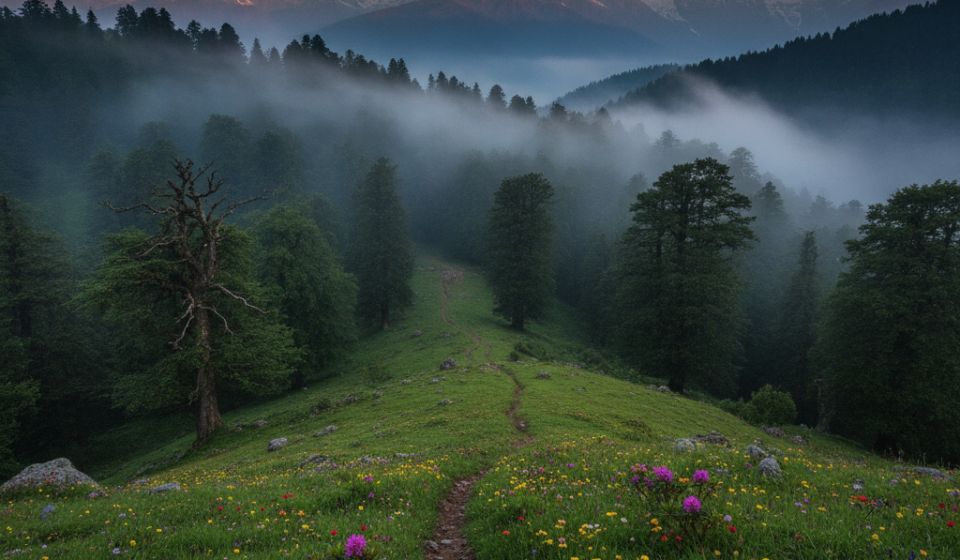
Mussoorie functions as the primary hub for the region. It provides convenience and accessibility. However, it often suffers from heavy vehicle congestion and intense tourist volume during peak months. Dhanaulti serves as the tranquil counterpart. It sits at a higher altitude, roughly 2,286 meters above sea level, providing a cooler climate and clearer views of the snow-capped peaks.
- Lower footfall: Experience the mountains without the constant noise of urban congestion.
- Scenic solitude: Dense forests of deodar and rhododendron create a secluded atmosphere.
- Better air quality: Higher elevation and thick forest cover contribute to significantly fresher air.
- Accessibility: It remains close enough to Dehradun and Mussoorie for a comfortable transit experience.
Best Time to Visit
Planning a trip requires awareness of the distinct Himalayan weather patterns. Each season transforms the landscape, affecting both access and the types of activities available to travelers.
| Season | Temperature Range | Travel Conditions |
|---|---|---|
| Summer (April to June) | 10°C to 25°C | Ideal for trekking and outdoor exploration. |
| Monsoon (July to September) | 10°C to 20°C | High humidity and potential for landslides. |
| Winter (October to March) | -2°C to 15°C | Likely snowfall; perfect for quiet retreats. |

Key Attractions in and Around Dhanaulti
The region focuses more on natural immersion than commercial entertainment. Visitors often find that the most rewarding experiences involve minimal equipment and a willingness to walk.
Eco Park
Managed by the local forest department, the Eco Park is the primary landmark. It features two distinct zones:
- Amber Zone: Features well-maintained trails winding through towering deodar trees.
- Dhara Zone: Provides a peaceful escape perfect for forest walking and nature meditation.
It serves as an excellent spot for families or individuals looking to enjoy the forest canopy safely.
Surkanda Devi Temple
Located roughly 8 kilometers from the main town, this temple sits at a significant altitude. The climb tests endurance, but the panoramic views of the Himalayan range reward those who make the journey. It remains a site of immense local significance and cultural history.
Potato Farm (Aloo Khet)
This is a sprawling agricultural area managed by the government. Beyond its primary function as a farm, it provides open spaces that offer some of the clearest sunrise and sunset views in the district. Many visitors enjoy walking along the perimeter during the late afternoon.
Travel Logistics and Connectivity
Reaching this destination requires navigation through winding mountain roads. Most travelers arrive via Dehradun, which acts as the main transport artery for the state of Uttarakhand.
- Air Travel: The Jolly Grant Airport in Dehradun is the closest facility. From there, one must hire a private taxi for the 80-kilometer drive.
- Rail Travel: Dehradun Railway Station serves as the terminal point for most trains from Delhi.
- Road Travel: Buses connect Dehradun to Mussoorie, but direct buses to Dhanaulti are infrequent. Private cabs are the most reliable method for the final leg.
Mountain roads change quickly. Always confirm current weather reports and road conditions with local operators before departing, especially if traveling during the winter months when ice can impact safety.
Accommodation Options
Lodging styles in this area reflect the environment. You will not find large luxury chains here. Instead, the focus remains on boutique resorts, government-run guesthouses, and homestays that prioritize proximity to nature.
- Luxury Camps: Several sites offer tented accommodation with modern amenities.
- Boutique Resorts: Small properties focused on panoramic views and silence.
- Homestays: The best way to understand local life and sample regional cuisine.
| Lodging Option | Estimated Budget | Key Highlights |
|---|---|---|
| Luxury Camps & Glamping | INR 4,500 – 8,000 / Night | Scenic outdoor tents with modern amenities and campfires |
| Boutique Resorts | INR 5,000 – 10,000 / Night | Stunning private balconies with direct mountain views |
| Homestays & Guesthouses | INR 1,500 – 3,500 / Night | Authentic local Garhwali meals and highly affordable stays |
Securing a reservation well in advance is advisable. The limited inventory means that properties often reach full capacity during long weekends and holiday periods.
Essential Travel Tips
Preparation makes the difference between an effortless trip and a difficult one. Use this Dhanaulti travel guide as a checklist for your upcoming visit.
- Cash availability: Reliable ATMs are sparse. Carry sufficient cash for daily expenses and local purchases.
- Clothing: Layering is essential. Temperatures can drop unexpectedly even during the summer months.
- Navigation: Mobile signals can be inconsistent. Download offline maps before beginning your journey.
- Local interaction: Respect local traditions and request permission before photographing residents or religious sites.

Conclusion
Dhanaulti represents a departure from standard commercial tourism. It offers a rare opportunity to engage with the Himalayan environment on its own terms. By prioritizing quiet observation and respecting the local ecosystem, travelers can find the peace that this alpine neighbor promises. For further assistance or to book a curated itinerary, you can view our travel packages or contact our team directly through our contact page.