
July is the peak of the Southwest Monsoon across nearly 75% of India. While the rains bring relief from summer heat, picking the right places to visit in India in July depends entirely on what kind of trip you want. Recommending a heavy-rainfall zone like Meghalaya to a family looking for sunny skies leads to a ruined holiday. Conversely, sending a waterfall enthusiast to a dry cold desert misses the magic of the monsoon season. To help you choose accurately, this guide splits India’s top 15 July destinations into two practical categories: dry, rain-shadow escapes where you can avoid heavy downpours, and emerald monsoon retreats where rain transforms the landscape into a lush paradise.
Rain-Shadow & Low-Rainfall Places to Visit in India in July
If you prefer clear skies, dry hiking trails, or mild sunshine, focus your itinerary on India’s rain-shadow belts. These destinations lie behind high mountain ranges or in protected weather pockets that block the heavy Southwest Monsoon clouds.
1. Leh-Ladakh (Union Territory of Ladakh)
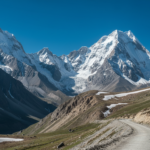
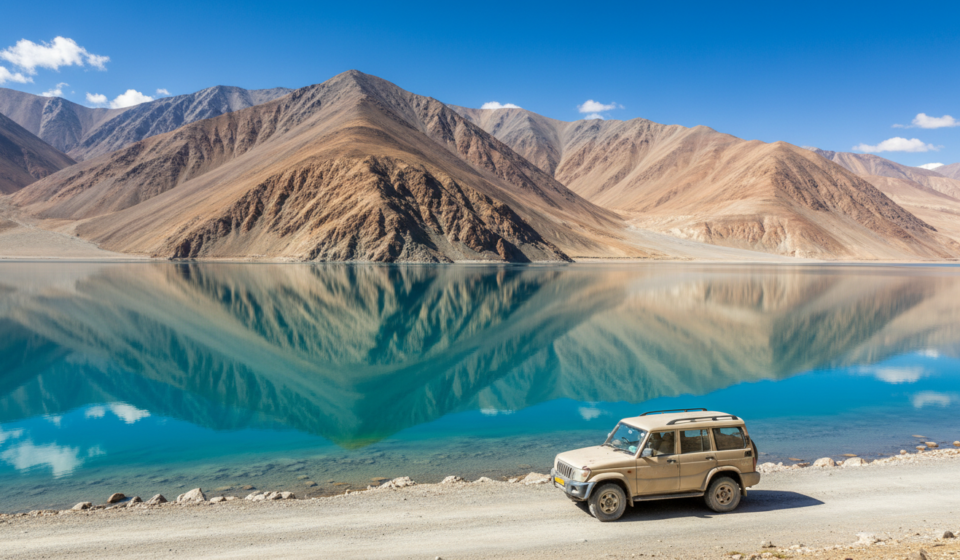
Positioned far north of the main Himalayan range, Ladakh is a high-altitude cold desert that receives less than 15 mm of rainfall throughout July. While downpours saturate the southern slopes of the Himalayas, Ladakh enjoys clear blue skies, brilliant sunshine, and pleasant daytime temperatures between 15°C and 28°C. Nighttime temperatures cool down to a crisp 8°C–12°C.
July is peak operational season across the region. All high-altitude mountain passes—including Khardung La and Chang La—are clear of winter snow. It is the best month to complete a full Leh Ladakh itinerary, driving to the deep blue waters of Pangong Tso and Tso Moriri, stargazing in Hanle (India’s Dark Sky Reserve), and riding double-humped Bactrian camels among the sand dunes of Hunder in the Nubra Valley.
| Category | Details & Costs (INR) |
|---|---|
| July Weather | 15°C to 28°C (Day), 8°C to 12°C (Night); <15 mm rain. |
| Access Routes | Flight into Leh (IXL); Manali-Leh & Srinagar-Leh highways open. |
| Budget Daily Cost | ₹2,500 – ₹4,000 (Hostels, homestays, shared taxis) |
| Mid-Range Daily Cost | ₹5,500 – ₹9,000 (3-star hotels, private SUV hire) |
| Luxury Daily Cost | ₹12,000 – ₹25,000 (Glamping camps, luxury boutique stays) |
Safety & Local Tip: Acclimatisation is non-negotiable. Spend your first 48 hours resting in Leh town before driving above 10,000 feet. Apply for your Inner Line Permit (ILP) online via the official portal (leh.nic.in). High UV radiation in the thin atmosphere requires high-SPF sunscreen (SPF 50+) and UV-protected sunglasses.
2. Spiti Valley (Himachal Pradesh)
Spiti Valley is another cold desert enclosed by high mountain walls. Within the core valley—covering Kaza, Tabo, and Dhankar—July brings sunny, crisp, and largely dry weather with temperatures ranging from 15°C to 25°C. Green barley fields stand out against stark, brown canyon walls, creating incredible visual contrasts for road trippers.
During July, the 14,931-foot Kunzum Pass is fully open, allowing seamless travel between Manali and Kaza. You can visit the 1,000-year-old Tabo Monastery, collect prehistoric marine fossils in Langza, send a postcard from the world’s highest post office in Hikkim, and camp near the turquoise waters of Chandratal Lake.
Crucial Access & Transit Warning: While Spiti Valley itself is dry, reaching it requires driving through heavy monsoon belts. If you drive from Manali via the Atal Tunnel and Rohtang region, or enter via Kinnaur along NH-5, you will encounter rain, falling rocks, and water streams across the road (such as the Malling and Gramphu nalas). Always build 2 buffer days into your Spiti Valley road trip to handle temporary road clearances by the Border Roads Organisation (BRO).
- Budget Cost: ₹1,800 – ₹3,000 / day (Homestays and HRTC local buses)
- Mid-Range Cost: ₹4,000 – ₹7,000 / day (Guesthouses, private Bolero/Innova)
- Nearest Airport: Bhuntar (Kullu) or Chandigarh.
3. Lahaul Valley & Sissu (Himachal Pradesh)
Located immediately north of the Pir Panjal range, Lahaul sits in a partial rain shadow. While Manali on the south side of the 9.02 km Atal Tunnel receives over 500 mm of rain in July, Sissu and Keylong on the northern side receive only 50 to 80 mm. Temperatures remain comfortable between 12°C and 24°C.
July is a great month to visit Sissu because the melting winter snow combined with light showers powers the famous Sissu Waterfall, sending water crashing down multi-tiered cliff faces into green valley floors. You can explore Jispa along the Chandra River, visit Gondla Fort, and experience the sudden transition from wet forest to alpine valley as you exit the Atal Tunnel.
Sissu works exceptionally well as a 2-night getaway or day trip from Manali. Always check local highway updates on the morning of travel, as the approach road leading to the south portal of the Atal Tunnel can experience minor landslide delays during severe cloudbursts lower down the mountain.
4. Udaipur (Rajasthan)
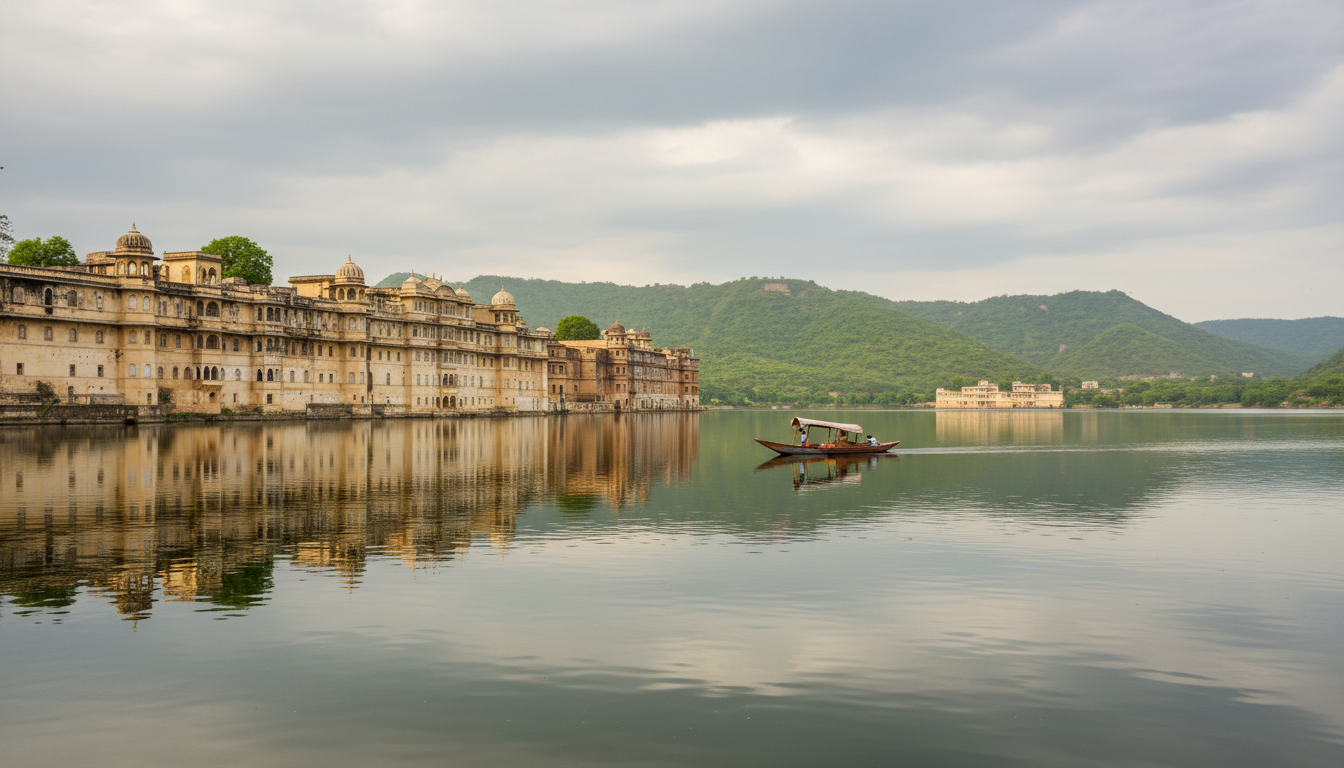
Protected by the Aravalli Hills, Udaipur experiences low to moderate rainfall during July. Daytime temperatures drop from summer highs of 40°C down to a comfortable 24°C–30°C. Intermittent light showers wash away summer dust without triggering city flooding or disrupting road travel.
The “City of Lakes” undergoes a quiet transformation in July. Lake Pichola, Fateh Sagar, and Lake Badi fill up, while the surrounding Aravalli hills turn dark emerald. It is an ideal window to follow a 3-day Udaipur itinerary. You can take cloud-draped boat rides past the Lake Palace, explore the sprawling City Palace complex, watch morning fog lift over the hilltops from Sajjangarh (Monsoon Palace), and take a day trip to the massive walls of Kumbhalgarh Fort.
- Budget Cost: ₹1,500 – ₹2,800 / day (Heritage homestays and hostels)
- Mid-Range Cost: ₹4,000 – ₹7,500 / day (Boutique lake-view hotels)
- Luxury Cost: ₹15,000 – ₹45,000 / day (Five-star palace stays with heavy off-season discounts)
- Transport: Maharana Pratap Airport (Dabok) or Udaipur City Railway Station.
5. Mount Abu (Rajasthan)
As Rajasthan’s only hill station, Mount Abu sits at an elevation of 1,220 metres at the southern tip of the Aravalli Range. In July, daytime temperatures settle between 20°C and 28°C. Low-hanging clouds and soft mist drape over the town, accompanied by moderate, periodic showers.
Visiting Mount Abu in July lets you escape the heat of the northern plains. Waterfalls stream down rocky faces, Nakki Lake fills to capacity, and the surrounding wildlife sanctuary turns lush. You can explore the intricately carved 11th-century Dilwara Marble Temples, trek to Guru Shikhar (the highest peak in the Aravallis), and enjoy quiet viewpoints at Trevor’s Tank and Achalgarh Fort without intense summer crowds. Hotels offer off-season tariff discounts of 30% to 40% during July weekdays.
6. Pondicherry (Union Territory)
Pondicherry sits on the southeastern coast of India, which operates on a completely different rainfall cycle than the rest of the country. Because the Western Ghats block the Southwest Monsoon, Pondicherry receives only light, sporadic showers in July, with temperatures ranging from 26°C to 33°C. The heavy coastal monsoons hit this region much later, between October and December.
July brings overcast skies and moderate breezes that lower the intense humidity of summer. It is a fantastic month to explore the cobblestone streets of White Town (the French Quarter), cycle along Promenade Beach, visit the quiet gardens of Auroville and Matrimandir, and spend long afternoons cafe-hopping. If you are reviewing the best time to visit South India for a low-rainfall coastal holiday, Pondicherry is one of your safest July picks.
Lush Monsoon Places to Visit in India in July for Nature Lovers
For travellers who love mist-draped mountains, roaring waterfalls, fresh coffee estate air, and vibrant green landscapes, July is the absolute prime season to visit India’s monsoon heartlands.
7. Valley of Flowers National Park (Uttarakhand)
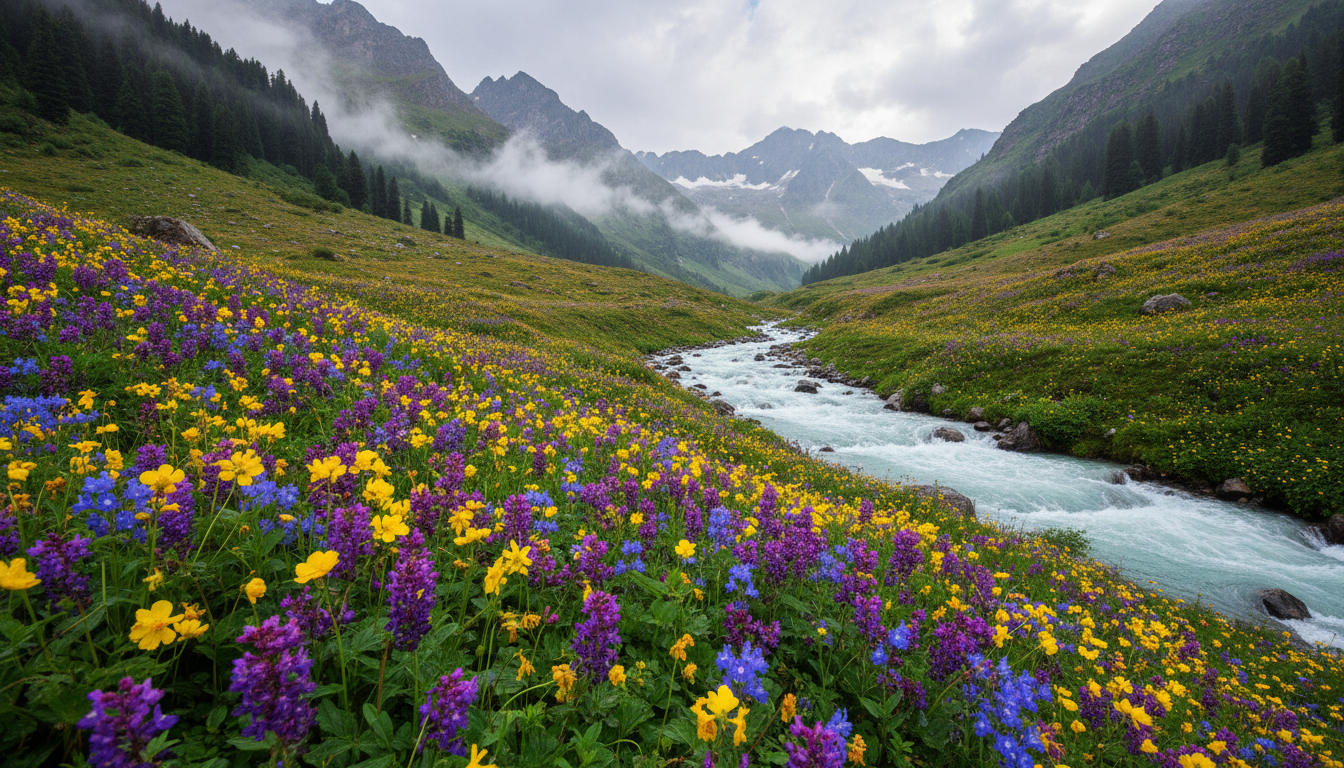
Located high in the Chamoli district of Uttarakhand, the Valley of Flowers is a UNESCO World Heritage site that comes alive exclusively during the monsoon. While the national park officially opens its gates on June 1, the **peak blooming period starts in mid-July and lasts through mid-August**. Temperatures hover between 12°C and 20°C, accompanied by light mountain showers and drifting alpine fog.
Over 500 species of wild alpine flowers—including the rare Blue Poppy, Cobra Lily, Brahma Kamal, and yellow Primulas—carpet the valley floor against a backdrop of snow-capped peaks. The journey involves a drive from Rishikesh or Haridwar to Govindghat, followed by a 13 km trek to the base camp at Ghangaria. From Ghangaria, a 3.5 km trail leads directly into the valley.
Park Entry Regulations: Entry to the Valley of Flowers is permitted between 7:00 AM and 2:00 PM daily. All visitors must exit the park and return to Ghangaria base camp by 5:00 PM. Camping inside the national park is strictly prohibited.
- Estimated Trip Cost: ₹9,000 – ₹16,000 per person (6-day/5-night trek package starting from Rishikesh/Haridwar).
- Essential Gear: Sturdy waterproof trekking boots with deep rubber lugs, quick-dry trekking pants, lightweight rain ponchos, and telescoping trekking poles.
8. Coorg (Kodagu, Karnataka)
Coorg sits in the heart of the Western Ghats, receiving heavy monsoon rainfall throughout July. Daytime temperatures drop to a comfortable 18°C–24°C. The heavy rain fills mountain streams, charges waterfalls, and brings out the deep scent of wet earth and flowering coffee plants across private plantations.
During July, Abbey Falls and Iruppu Falls flow at full power. You can take guided rain walks through private coffee and spice estates, watch mist roll over the valley from Raja’s Seat, and explore the dry, serene interiors of the Namdroling Tibetan Monastery (Golden Temple) in Bylakuppe. Booking a stay in a traditional coffee estate homestay lets you experience authentic Kodava hospitality over fresh meals and hot coffee.
Leech Safety Tip: Tropical leeches are active along plantation paths and forested trails in July. Carry a bottle of salt, neem oil, or wear high-density leech socks over your trousers when walking off paved roads.
9. Munnar (Kerala)
Munnar turns into a endless green dream in July. Heavy monsoon rains wash over the rolling tea plantations, wrapping the high-altitude hills in thick mist. Temperatures range between 17°C and 22°C. While active trekking trails are restricted during persistent downpours, Munnar becomes a world-class staycation destination with high-end resorts dropping their room rates by 40% to 50%.
Attukal, Cheeyappara, and Lakkam waterfalls cascade with massive water volume during this month. You can visit the Tea Museum, take peaceful drives around Kundala Lake and Mattupetty Dam, and indulge in traditional Kerala Ayurvedic wellness therapies designed specifically for the monsoon season. It is ideal for couples and slow travellers looking for quiet mountain retreats.
10. Meghalaya (Shillong, Sohra/Cherrapunji, Dawki)
Meghalaya is the wettest region on Earth, and July sits right at the height of its monsoon cycle. If you want to witness nature operating at maximum intensity, Cherrapunji (Sohra) and Mawsynram provide an unmatched storm-chasing experience. Temperatures stay cool between 15°C and 22°C amidst thick rainforest growth.
Waterfalls like Nohkalikai, Seven Sisters, and Wei Sawdong roar with incredible volume, dropping down high vertical cliffs into rain-filled gorges. The living root bridges in Nongriat and Mawlynnong stay deep green and structurally strong under continuous rain. In Shillong, Ward’s Lake and the surrounding pine forests remain mist-shrouded throughout the day.
Driving & Safety Tips: While the main highways connecting Guwahati, Shillong, and Sohra are fully paved, dense monsoon fog can reduce driving visibility to under 10 metres. Hire experienced local drivers who know the routes well, keep vehicle fog lights on, and keep all camera equipment in IP67-rated dry bags.
11. Mahabaleshwar & Panchgani (Maharashtra)
Located in the Sahyadri mountains, Mahabaleshwar and Panchgani are the premier monsoon escapes for travellers from Mumbai and Pune. July brings heavy rainfall, cool mountain breezes, and temperatures hovering between 18°C and 22°C. Clouds frequently drift directly through hotel balconies and town streets.
Lingmala Waterfall cascades in full strength during July, easily visible from the main observation deck. Panoramic points like Elephant’s Head Point and Arthur’s Seat offer spectacular views of white fog rising out of deep green valleys. Stop by Mapro Garden to sample hot corn-on-the-cob (bhutta), fresh strawberry cream, and hot vegetable grilled sandwiches while watching the downpour outside.
- Road Access: 4 to 5-hour drive from Mumbai (230 km) or 2.5 hours from Pune (120 km) via the Mumbai-Pune Expressway and NH-48.
- Budget Cost: ₹1,800 – ₹3,000 / day
- Mid-Range Cost: ₹4,000 – ₹7,500 / day (Valley-view resorts)
12. Wayanad (Kerala)
Wayanad sits on the elevated plateau of northeastern Kerala, blanketed by evergreen rainforests, spice fields, and tea gardens. July brings active monsoon showers that revive the forest canopy, with comfortable daily temperatures ranging between 20°C and 25°C.
Top July highlights include visiting Banasura Sagar Dam—the largest earthen dam in India—and viewing the swollen currents of Meenmutty and Soochipara waterfalls. You can explore the prehistoric rock etchings inside Edakkal Caves and stay in luxury rainforest treehouses surrounded by misty valleys. Note that high-altitude forest treks (such as Chembra Peak) may be closed on specific days by local forest authorities if rainfall is exceptionally heavy.
13. Agumbe (Karnataka)
Nicknamed the “Cherrapunji of the South,” Agumbe is a tiny village in the Shimoga district of Karnataka set inside a dense rainforest zone. July brings heavy rainfall, continuous canopy drips, and pleasant temperatures between 20°C and 24°C, making it a dream destination for wildlife photographers, naturalists, and botanists.
Agumbe is home to the famous Agumbe Rainforest Research Station (ARRS), which conducts ecological studies on the King Cobra and regional rainforest biodiversity. High-volume waterfalls like Barkana Falls and Onake Abbi Falls flow with incredible power. Visiting Agumbe requires heavy-duty waterproof gear, tall rubber boots, and leech socks for walking along muddy forest trails.
14. Lonavala & Khandala (Maharashtra)
For city dwellers looking for a quick monsoon road trip, Lonavala and Khandala offer immediate access to Maharashtra’s monsoon landscape. Located just a short drive from Mumbai and Pune, these twin hill stations see hundreds of temporary seasonal waterfalls sprout along the Western Ghats cliffs in July. Temperatures stay mild, ranging between 20°C and 26°C.
You can watch the waters overflow at Bhushi Dam, enjoy cloud-filled views from Tiger’s Point, hike up to Rajmachi Fort along wet green trails, or rent a secluded villa near Pawna Lake. Because weekend traffic along the ghats gets very heavy with day-trippers, plan your visit between Monday and Thursday to avoid highway traffic and enjoy cheaper hotel room rates.
15. Orchha & Khajuraho (Madhya Pradesh)
If you want a rich cultural getaway without high-altitude mountain hazards, the heritage circuit of Orchha and Khajuraho in Central India is an excellent choice. July marks the end of summer heat, as sporadic monsoon showers drop regional temperatures down to a comfortable 25°C–32°C.
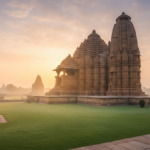
In Orchha, the swollen Betwa River sweeps past the grand 16th-century royal cenotaphs (Chhatris), creating picturesque reflected views against grey monsoon skies. You can tour Jahangir Mahal and Raja Mahal without fighting intense heat. A short drive away, the UNESCO World Heritage temples of Khajuraho sit against freshly washed green lawns with very low tourist crowds. While core wildlife zones in nearby Panna National Park close for breeding season, buffer zone safari drives remain open and offer beautiful green landscapes.
- Budget Cost: ₹1,400 – ₹2,500 / day
- Mid-Range Cost: ₹3,200 – ₹5,500 / day (Heritage MP Tourism properties)
- Connectivity: Jhansi Junction Railway Station (18 km from Orchha) or Khajuraho Airport.
Essential Logistics Strategy for Travelling India in July
Smart planning transforms a potentially wet, unpredictable trip into a seamless holiday. Keep these four travel rules in mind when booking your July itinerary:
1. Use the “Buffer Day” Rule for Himalayan Routes
If your travel involves mountain highways in Himachal Pradesh, Uttarakhand, Ladakh, or Sikkim, always add one or two buffer days at the end of your trip. While cold deserts like Spiti and Ladakh receive minimal rain, the highway approach routes cross wet mountain ranges prone to temporary mudslides. BRO clearance teams work quickly, but clearings can take 4 to 12 hours. Never schedule a non-refundable flight on the exact same day you drive down from the mountains.
2. Driving Rules During the Monsoon
Avoid driving at night through mountain highways or rural ghats (such as Kinnaur, Kumaon, or the Western Ghats). Night rain hides falling rocks, unlit water crossings, and sudden patches of dense valley fog. Check daily road alerts on official State Emergency Operation Centre (SEOC) updates or local district administration handles before setting off each morning.
3. Monsoon Packing Checklist
- Synthetic Clothing: Pack lightweight, quick-dry polyester or nylon clothes. Denim and heavy cotton hold moisture and take days to dry in humid monsoon air.
- Rain Protection: High-quality rain ponchos provide better mobility and coverage than umbrellas during windy hill station walks.
- Waterproof Storage: Use sealed dry bags or heavy-duty ziplock pouches inside your luggage to safeguard passports, electronics, and camera gear.
- Footwear: Anti-skid floaters or strap sandals with deep rubber treads work best for city walking. Use high-traction, waterproof hiking boots for mountain trails.
4. Take Advantage of Off-Season Rates
July is a low season for conventional sightseers in South India and Rajasthan. Luxury resort properties across Udaipur, Coorg, Munnar, and Goa drop room rates by 30% to 50% compared to peak winter tariffs. Look for bookings that offer flexible 24-hour cancellation policies so you can adjust your plans if sudden rain alerts hit your target region.
Frequently Asked Questions
Which places in India have no rain or minimal rain in July?
High-altitude rain-shadow zones like Leh-Ladakh (which gets under 15 mm of rain) and the Spiti Valley desert belt experience almost no rain in July. For cultural escapes, Udaipur in Rajasthan and Pondicherry on the east coast receive light, intermittent, and manageable showers due to regional rain-shadow protection.
Is it safe to visit Spiti Valley in July?
Spiti Valley itself is dry, clear, and sunny during July. However, reaching Spiti requires driving through wet Himalayan belts. To travel safely, enter via the Kinnaur highway route, maintain a 2-day buffer for potential road delays near water crossings, avoid night driving, and verify daily road clearings before starting each leg.
When is the absolute best time to see flowers in the Valley of Flowers?
While the Valley of Flowers National Park opens on June 1, peak flower bloom occurs from mid-July through mid-August. During this four-week window, the largest variety and density of alpine flora cover the valley floor.
Can families visit Udaipur in July without flooding risks?
Yes. Udaipur sits in the rain shadow of the Aravalli Hills and receives moderate rainfall, usually in brief 1 to 2-hour bursts. City infrastructure handles this weather easily without urban flooding, roads stay clear, local lakes fill up, and temperatures stay comfortable between 24°C and 30°C.
What are the best waterfall destinations to visit during the monsoon?
The top waterfall destinations in July include Meghalaya (for Nohkalikai and Seven Sisters Falls), Coorg (for Abbey and Iruppu Falls), Mahabaleshwar (for Lingmala Falls), and Agumbe (for Barkana Falls). All flow at peak water volume during this month.