
The best time to visit South India overall is between December and February, when comfortable temperatures ranging from 18°C to 30°C in the plains and crisp 10°C to 22°C conditions in the hill stations make sightseeing effortless. However, treat South India as a single weather zone and your travel plans will fall apart. The peninsula is shaped by two distinct monsoon systems and vast topographical shifts. While Kerala and Coastal Karnataka get drenched by the Southwest Monsoon from June to September, Tamil Nadu’s coast experiences its heaviest downpours between October and December under the Northeast Monsoon. Knowing how these microclimates operate is key to picking the right dates for your trip.
For a broader perspective across the entire country, you can consult our detailed month-by-month travel calendar for Indian states to align your holidays with regional weather patterns.
Quick Overview: Best Time to Visit South India by Travel Style
Depending on whether you are planning a family temple tour, a quiet honeymoon in the tea gardens, or a budget road trip, your ideal travel window will vary significantly. The matrix below highlights the optimal months based on your primary travel goal.
| Travel Interest | Best Months | Ideal Destinations | Weather & Travel Highlights |
|---|---|---|---|
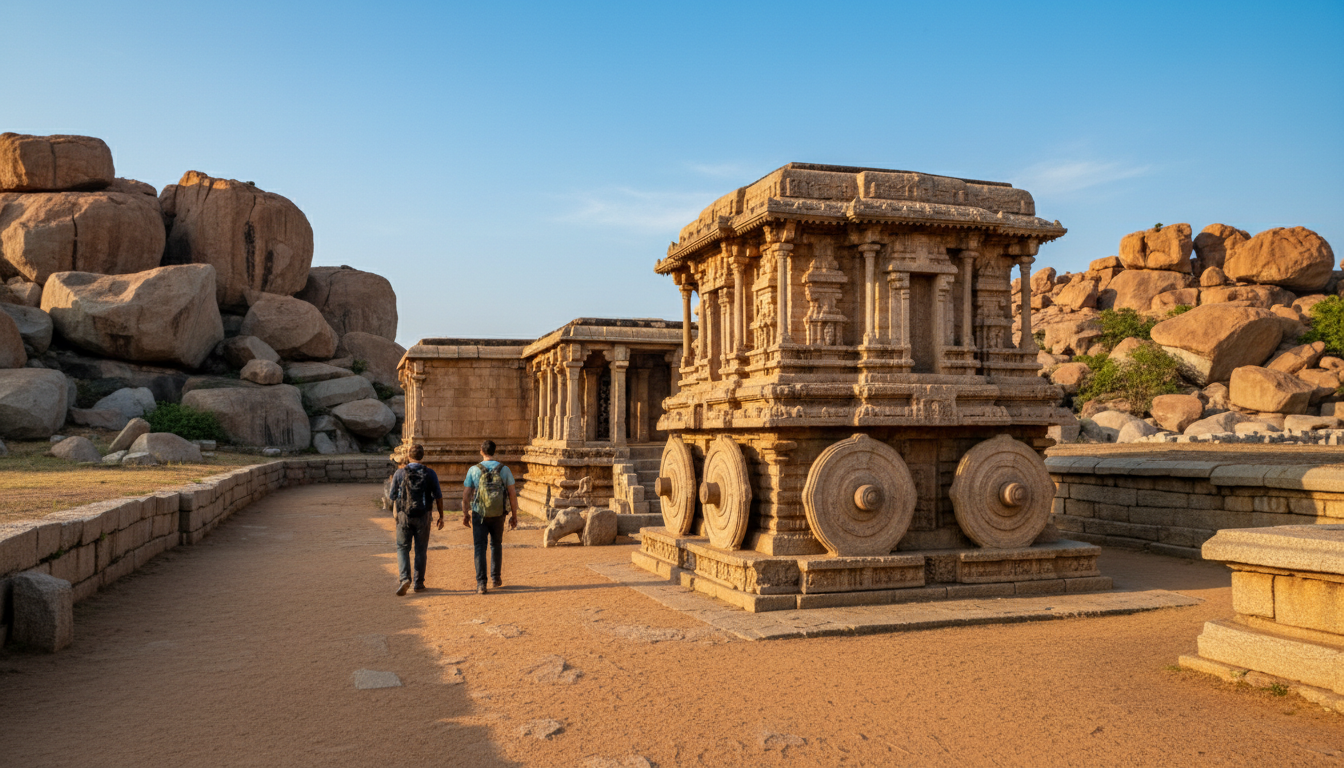
| Heritage & Temple Circuits | November to February | Hampi, Madurai, Thanjavur, Badami, Mysore | Dry weather, pleasant daytime walking conditions, and cool evenings across open stone ruins. |
| Hill Station Escapes | March to May & October to March | Ooty, Munnar, Coorg, Kodaikanal, Wayanad | Escapes 38°C+ summer plain temperatures for mild 15°C–25°C mountain weather. |
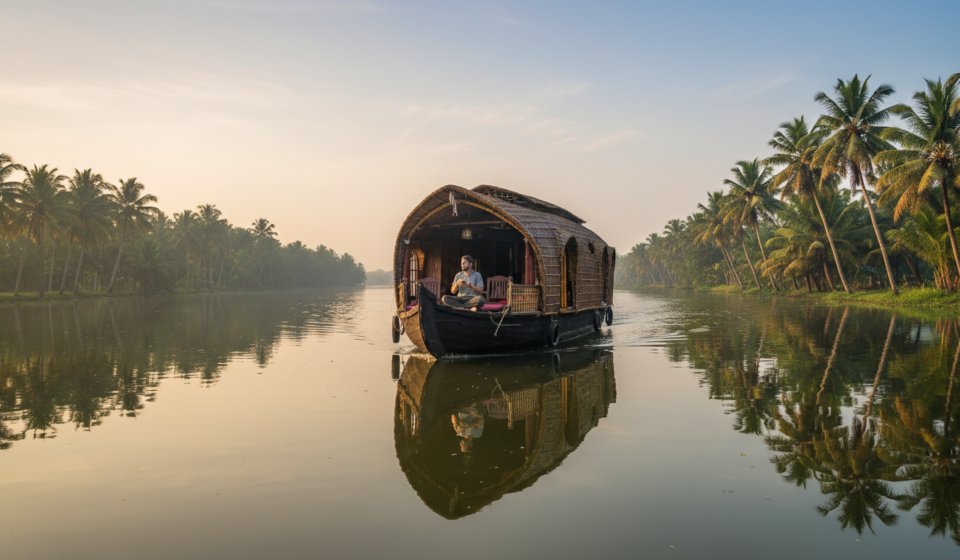
| Beaches & Backwaters | December to February | Alleppey, Varkala, Kovalam, Gokarna, Puducherry | Calm sea conditions, clear blue skies, low humidity, and operational backwater cruises. |
| Ayurveda & Monsoon Travel | July to September | Wayanad, Athirappilly, Bekal, Central Kerala | Lush green scenery, roaring waterfalls, and peak season for traditional Karkidakam Ayurvedic treatments. |
| Wildlife Safaris | March to May | Kabini, Nagarhole, Bandipur, Periyar | Receding water sources force elephant herds, tigers, and wildlife to gather around riverbanks. |
South India Climate Dynamics: Dual Monsoons & Microclimates
South India’s weather is governed by the Indian Ocean, the Arabian Sea, the Bay of Bengal, and the Western Ghats range, which acts as a physical barrier separating the western coastal strip from the eastern plains.
1. The Southwest Monsoon (June to September)
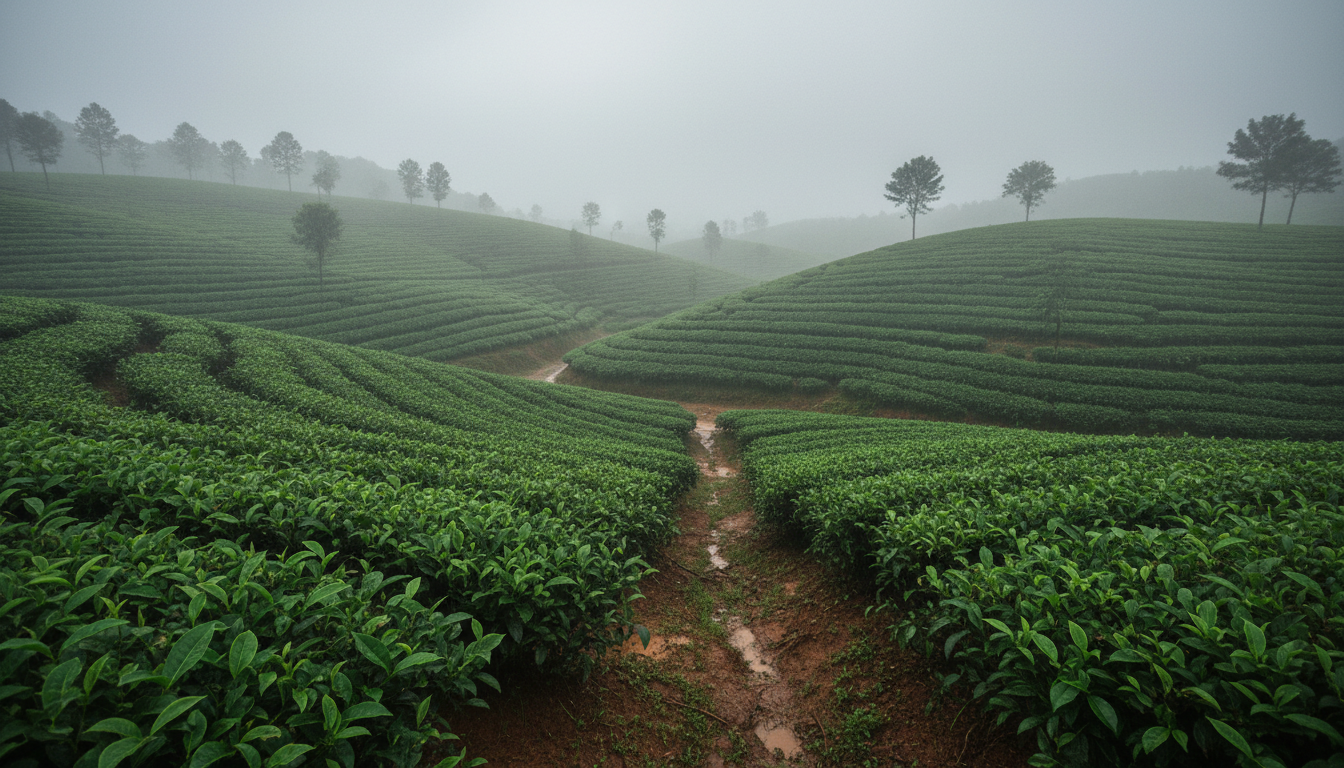
Moisture-laden winds hit the Kerala coast around June 1 before moving north along Coastal Karnataka and the Western Ghats. Destinations along this belt—including Munnar, Coorg, Wayanad, Chikmagalur, Mangalore, and Gokarna—receive high rainfall and humidity levels exceeding 85%. Ocean currents become rough, and beach activities are suspended. However, the plains of Tamil Nadu lie in the Western Ghats’ rain-shadow zone, remaining warm and relatively dry during these months.
If you enjoy traveling during the rainy season when rivers swell and waterfalls peak, explore our curated list of the best places to visit in India during monsoon.
2. The Northeast Monsoon (October to December)
As the monsoon winds reverse direction, they pick up moisture over the Bay of Bengal and deposit it along the southeastern coast. Coastal Tamil Nadu (Chennai, Mahabalipuram, Nagapattinam), Puducherry, Coastal Andhra Pradesh, and Rayalaseema get their heaviest annual rainfall in October and November. Heavy rain, coastal depressions, and local waterlogging are common here, even while Kerala and Karnataka dry out into pleasant autumn weather.
3. Winter / Cool Dry Season (December to February)
This is the prime tourist window for South India. Skies are clear, humidity drops, and temperatures remain mild (18°C–30°C in the plains; 10°C–22°C in high-altitude zones). It provides ideal conditions for backwater houseboats, outdoor temple walks, and coastal watersports.
4. Summer / Pre-Monsoon (March to May)
Inland regions such as the Deccan Plateau (Hyderabad, Hampi, Vijayawada, Madurai) undergo intense heat, with temperatures regularly breaching 38°C to 42°C. Outdoor sightseeing in unshaded monument sites becomes exhausting. In contrast, Western Ghats hill stations sit 1,000 to 2,200 meters above sea level, maintaining temperatures between 15°C and 27°C, making them prime summer retreats.
The Best Time to Visit South India: Month-by-Month Guide
Here is a comprehensive breakdown of monthly temperatures, weather profiles, key cultural festivals, and practical recommendations across the year.
| Month | Plains Temp (°C) | Hills Temp (°C) | Weather Summary | Top Recommended Destinations |
|---|---|---|---|---|
| January | 18°C – 29°C | 10°C – 20°C | Cool, dry, clear skies, minimal rain | Alleppey, Hampi, Madurai, Mysore |
| February | 20°C – 31°C | 12°C – 22°C | Mild days, cool evenings, low humidity | Gokarna, Varkala, Coorg, Puducherry |
| March | 24°C – 35°C | 14°C – 25°C | Warm plains, pleasant hills, dry weather | Kabini, Chikmagalur, Wayanad |
| April | 27°C – 38°C | 15°C – 26°C | Hot in lowlands, comfortable in hills | Ooty, Munnar, Kodaikanal, Coonoor |
| May | 28°C – 41°C | 16°C – 27°C | Peak summer heat; hill stations stay cool | Nilgiri Hills, Kodaikanal, Yercaud |
| June | 25°C – 33°C | 15°C – 22°C | SW Monsoon arrives on west coast | Athirappilly, Agumbe, Coorg monsoon drives |
| July | 24°C – 31°C | 14°C – 20°C | Heavy rain on west coast & Ghats | Kerala Ayurveda retreats, Jog Falls |
| August | 24°C – 31°C | 15°C – 21°C | Monsoon tapering; lush green landscapes | Alleppey, Munnar, Araku Valley |
| September | 24°C – 32°C | 15°C – 23°C | Post-monsoon freshness, clearing skies | Gokarna, Bandipur, Mysore, Wayanad |
| October | 23°C – 32°C | 14°C – 23°C | NE Monsoon starts in TN; west coast dry | Mysore, Coorg, Hampi, Badami |
| November | 21°C – 30°C | 12°C – 22°C | NE Monsoon peaks in TN; dry in west | Kerala backwaters, Coorg, Hyderabad |
| December | 19°C – 29°C | 10°C – 20°C | Cool, dry, peak tourist demand | Kochi, Puducherry, Varkala, Mahabalipuram |
January
January brings cool, dry weather across South India, making it the top choice for first-time travelers. Daytime temperatures in the plains hover comfortably around 26°C, while evening temperatures in Ooty and Munnar can drop to 10°C.
- Festivals: Pongal / Thai Pongal (Tamil Nadu harvest festival in mid-January), Makar Sankranti, and regional kite festivals.
- Best Places: Kerala backwaters (Alleppey, Kumarakom), Hampi stone ruins, Madurai, Thanjavur, and Mysore.
- Travel Tip: High tourist season means popular train routes and boutique heritage hotels sell out 2 to 3 months in advance.
February
February maintains comfortable weather with low humidity, clear skies, and mild evenings. The high winter crowds begin to taper down slightly, offering lower hotel tariffs in mid-range boutique stays.
- Festivals: Hampi Utsav (cultural performances set against illuminated Vijayanagara ruins; held periodically in late winter).
- Best Places: Gokarna beaches, Varkala cliff tops, Coorg coffee estates, Chettinad heritage mansions, and Puducherry.
- Travel Tip: Excellent month for scenic coastal drives along the East Coast Road (ECR) connecting Chennai, Mahabalipuram, and Puducherry.
March
March marks the onset of summer across inland plains, with daytime temperatures climbing to 35°C. However, early mornings remain pleasant, and high-altitude tea and coffee regions stay cool.
- Festivals: Ugadi (Kannada and Telugu New Year, occurring in late March or early April).
- Best Places: Kabini and Nagarhole national parks for wildlife safaris, Chikmagalur, Wayanad, and Coorg.
- Travel Tip: Water levels in forest waterholes start drying up, making March one of the best months for spotting wild elephants and tigers in Karnataka’s reserves.
April
Lowland cities grow hot and humid, pushing daily temperatures up to 38°C. Local families head up to the Western Ghats for summer vacations.
- Festivals: Vishu (Kerala New Year), Thrissur Pooram (famous temple elephant pageant with traditional percussion ensembles), and Madurai’s Chithirai Festival.
- Best Places: High-altitude hill stations including Ooty, Kodaikanal, Munnar, Coonoor, and Yercaud.
- Travel Tip: Avoid scheduling walking tours of stone monuments (like Hampi or Mahabalipuram) during midday hours (11:00 AM to 3:30 PM).
May
May brings peak summer heat to inland South India, with daily max temperatures reaching 38°C to 42°C in cities like Hyderabad, Vijayawada, and Madurai. Mountain resorts stay cool (16°C–27°C) but see heavy domestic traffic.
- Festivals: Annual Summer Flower Shows at the Botanical Gardens in Ooty and Kodaikanal.
- Best Places: Hill sanctuaries like Ooty, Kodaikanal, and the Nilgiri Biosphere.
- Travel Tip: If planning to take the UNESCO-listed Nilgiri Mountain Railway (Toy Train) between Mettupalayam and Coonoor/Ooty, reserve seats 120 days early via IRCTC.
June
The Southwest Monsoon makes landfall on the Kerala coast around early June, sweeping northward across Coastal Karnataka. The parched countryside turns green, rivers fill up, and temperatures fall to 25°C–33°C.
- Festivals: Local agricultural and rain celebrations across coastal belts.
- Best Places: Waterfalls like Athirappilly and Jog Falls, driving routes along the Western Ghats, Agumbe, and Wayanad.
- Travel Tip: Sea swimming is strictly prohibited along Arabian Sea beaches (Varkala, Kovalam, Gokarna) due to heavy surf and strong undertows.
July
July is the wettest month for Kerala, Coastal Karnataka, and the Ghats passes. Expect intense downpours, high humidity, and overcast skies. It is also the ideal time for slow travel and traditional wellness stays.
- Festivals: Start of Karkidakam (the Malayalam month dedicated to Ayurvedic health routines and cleansing treatments).
- Best Places: Ayurvedic wellness resorts in Kerala, waterfall circuits, and eco-resorts in Coorg and Sakleshpur.
- Travel Tip: Landslides can occur on narrow ghat roads. Always check local road conditions before driving up to Munnar, Wayanad, or Coorg during continuous heavy rain.
August
Rainfall begins to ease off across the west coast, leaving behind full lakes, cascading streams, and fresh tea plantations. Temperatures average a comfortable 24°C to 31°C.
- Festivals: Onam (Kerala’s major harvest festival featuring floral carpets, grand Sadya feasts, and folk dances) and the Nehru Trophy Boat Race on Punnamada Lake in Alleppey.
- Best Places: Alleppey backwaters, Munnar, Wayanad, Coorg, and Araku Valley.
- Travel Tip: If you are looking for destinations with manageable rainfall during this period, check out our guide on places to visit in August without heavy rain.
September
September is a post-monsoon transition month. Rainfall clears, skies brighten, and countryside views stay lush green. Temperatures linger between 24°C and 32°C.
- Festivals: Ganesh Chaturthi (celebrated with grand processions in Karnataka, Telangana, and northern Tamil Nadu).
- Best Places: Bandipur National Park, Gokarna beaches, Mysore, Alleppey, and Hyderabad.
- Travel Tip: September offers a great balance of low shoulder-season hotel rates and dry, pleasant weather.
October
The Southwest Monsoon retreats, and the Northeast Monsoon sets in over Tamil Nadu, coastal Andhra Pradesh, and Puducherry. Karnataka and Kerala experience warm, clear weather with minimal rainfall.
- Festivals: Mysuru Dasara (a 10-day celebration marked by the grand illumination of Mysore Palace and traditional processions).
- Best Places: Mysore, Coorg, Hampi, Badami, and interior Karnataka heritage routes.
- Travel Tip: Postpone trips to coastal Tamil Nadu (Chennai, Mahabalipuram, Puducherry) until December, as rain activity peaks here through late October and November.
November
The Northeast Monsoon brings heavy spells of rain to coastal Tamil Nadu. In contrast, Kerala, Karnataka, and Telangana enjoy pleasant autumn weather (21°C–30°C) with low humidity.
- Festivals: Deepavali / Diwali.
- Best Places: Kerala backwaters, Coorg (where coffee harvesting begins), Hampi ruins, and Hyderabad.
- Travel Tip: Keep your travel routes flexible if visiting East Coast Road (ECR) locations due to sudden monsoonal squalls along the Bay of Bengal.
December
December brings ideal winter weather (19°C–29°C) across South India. Coastal Tamil Nadu dries out, making the entire southern peninsula accessible for sightseeing.
- Festivals: Cochin Carnival (Fort Kochi), Christmas and New Year celebrations, and the Chennai Music Season (classical Carnatic music festival).
- Best Places: Kochi, Varkala, Puducherry, Mahabalipuram, Coorg, Ooty, and Lakshadweep.
- Travel Tip: This is peak season. Premium stays, houseboats, and train seats charge peak rates and require early bookings. For offbeat ideas during this period, explore these hidden places to visit in India in December.
Regional Climate Breakdown: Best Time to Visit South India State by State
Because each southern state experiences weather differently, matching your dates to specific state climates helps prevent unexpected disruptions.
1. Kerala: Best Time (November to February)
Kerala is ideal from November through February for backwater cruises, beach holidays, and hill walks in Munnar. July and August are reserved for traditional Ayurvedic treatments and green monsoon drives, while June brings heavy downpours along the coast.
2. Tamil Nadu: Best Time (December to March)
Avoid October and November in coastal Tamil Nadu due to heavy Northeast Monsoon downpours. The best window for temple tours (Madurai, Rameshwaram, Thanjavur) and heritage walks is December through March, when daytime temperatures stay below 30°C.
3. Karnataka: Best Time (October to March)
Karnataka’s diversity means weather varies between the coast, hills, and plains. Visit Hampi, Mysore, and Badami between October and March to avoid extreme summer heat. Head to Coorg and Chikmagalur from October to March for cool weather, or in April–May to escape summer city temperatures. If you want to skip crowded spots, read our curated guide on hidden places to visit in South India.
4. Andhra Pradesh & Telangana: Best Time (November to February)
Inland cities like Hyderabad, Vijayawada, and Tirupati experience intense summer heat from March to May (often crossing 40°C). Plan heritage visits, lake tours, and pilgrimage trips between November and February when daily temperatures range from 20°C to 30°C.
2026 Cost & Seasonal Budget Breakdown
Travel costs in South India fluctuate significantly between peak winter months, shoulder seasons, and monsoon off-seasons. The rates below reflect estimated 2026 pricing across accommodation and transport categories.
| Category | Peak Season (Nov – Feb) | Shoulder Season (Mar–Apr, Sep–Oct) | Off-Season (May – Aug) |
|---|---|---|---|
| Budget Stay (Guesthouse / Homestay) | ₹2,000 – ₹3,500 / night | ₹1,500 – ₹2,500 / night | ₹1,000 – ₹1,800 / night |
| Mid-Range Hotel (3-Star / Boutique) | ₹5,000 – ₹8,500 / night | ₹3,500 – ₹5,500 / night | ₹2,500 – ₹4,000 / night |
| Luxury Resort (5-Star / Heritage) | ₹12,000 – ₹35,000+ / night | ₹8,000 – ₹20,000 / night | ₹6,000 – ₹14,000 / night |
| Deluxe Houseboat (Alleppey, 1-Bed) | ₹10,000 – ₹18,000 / night | ₹7,000 – ₹12,000 / night | ₹5,000 – ₹8,500 / night |
| Private Car + Driver (Sedan / SUV daily) | ₹3,800 – ₹5,500 / day | ₹3,200 – ₹4,200 / day | ₹2,800 – ₹3,800 / day |
Estimated Daily Budget per Person (2026 Standards)
- Budget Traveler: ₹2,000 – ₹3,500 per day (using public buses/trains, local eateries, homestays).
- Mid-Range Traveler: ₹5,000 – ₹9,000 per day (private AC sedan transfers, 3-star boutique stays, targeted experiences).
- Luxury Traveler: ₹15,000 – ₹35,000+ per day (premium heritage resorts, luxury houseboats, private guided experiences).
5 Critical Mistakes to Avoid When Planning Your Trip
- Underestimating Ghat Road Driving Times: A 150 km drive on flat expressways takes around 2 to 3 hours, but the same distance on Western Ghats hairpin bends (e.g., Kochi to Munnar, or Mysore to Coorg) takes 4.5 to 6 hours due to sharp turns, narrow passes, and agricultural truck traffic. Plan no more than 3 major bases in a 7-day trip.
- Ignoring Sabarimala Pilgrimage Traffic: Millions of devotees travel to Sabarimala in Kerala during the annual Mandala-Makaravilakku season (mid-November to mid-January). Expect major highway slowdowns along NH 66, state highways around Pathanamthitta and Kottayam, and crowded railway stations. Book train tickets months in advance or pick alternative road bypasses.
- Visiting Stone Ruins in Peak Summer: Booking outdoor destinations like Hampi, Badami, or Pattadakal between April and June leads to tough conditions. Granite monuments absorb and radiate intense heat, pushing ground temperatures past 42°C. Stick to November through February for stone heritage circuits.
- Expecting Dry Winter Rains in Coastal Tamil Nadu: Assuming that October and November mark cool, dry winter weather across Chennai, Puducherry, and Mahabalipuram is a common mistake. This period coincides with the Northeast Monsoon, bringing rain spells, high tides, and occasional coastal storms.
- Booking Overnight Houseboats in Peak Monsoon: Scheduling overnight houseboat stays in Alleppey during active monsoon weeks (June/July) can backfire. Continuous downpours and lake turbulence frequently trigger safety warnings that halt boat movement. Opt for land-based backwater resorts with short day-shuttle cruises instead.
Frequently Asked Questions
Which month is best to visit both Kerala and Tamil Nadu together?
January and February are ideal for a combined Kerala and Tamil Nadu itinerary. Both states enjoy clear skies, low humidity, and pleasant daytime temperatures (20°C–29°C), allowing you to seamlessly connect Kerala’s backwaters and hills with Tamil Nadu’s coastal temple towns.
Is monsoon travel in South India safe for families?
Yes, provided you plan thoughtfully. Avoid steep, landslide-prone mountain passes in deep Wayanad or Idukki during heavy rainfall warnings. Focus instead on flatland backwater stays, accessible waterfall viewpoints, and dedicated Ayurvedic wellness resorts.
What is the cheapest time to visit South India without constant rain?
September and late March/early April offer ideal shoulder-season value. September features lush green post-monsoon landscapes, clear skies, low rainfall risk, and off-season hotel rates across Kerala and Karnataka.
Can we visit beaches like Varkala or Gokarna in July?
You can visit for scenic cliff views, but standard beach vacations are limited. Strong monsoon winds bring rough surf and high tides, making ocean swimming unsafe. However, rain enthusiasts frequently visit Varkala during July for its quiet cliffside atmosphere and lower resort prices.