
Visual storytelling has always relied on contrast, color, and raw human emotion to captivate viewers. Few destinations offer these elements in such abundance as the Indian subcontinent. From the early morning mist rising off the holy Ganges to the brilliant ochre dust kicked up by camel herds in the Thar Desert, the visual diversity of this region is virtually unmatched. For professional creators and dedicated hobbyists alike, embarking on specialized photography tours in india represents the ultimate creative pilgrimage. It is a journey that moves far beyond standard sightseeing, focusing instead on chasing the perfect light, understanding cultural nuances, and capturing fleeting moments of daily life. Achieving successful results requires careful planning, technical preparation, and a deep appreciation for local customs. This guide explores how to plan such an expedition, focusing on how curated photography tours in india help photographers manage these diverse environments, from choosing the right regional focus to mastering the logistical realities of traveling with high-end camera equipment.
Key Takeaways
- Visual Diversity: India offers a spectacular range of photography styles, from high-altitude scenery to vibrant street portraits.
- Golden & Blue Hours: Strategic timing is key to mastering the dramatic and distinct light quality across different regions.
- Logistical Ease: Organized photography tours handle complex domestic travel, permits, and schedules, allowing you to focus entirely on shooting.
- Respectful Engagement: Establishing human connections and understanding local etiquette yields highly intimate, ethical portraiture.
The Allure of India Through a Camera Lens
The visual appeal of the Indian subcontinent lies in its juxtaposition of ancient traditions and rapid contemporary development. Every corner offers a unique narrative, defined by striking color palettes that shift from the deep terracotta of Rajasthani forts to the pristine whites of Himalayan monasteries. For photographers, this environment presents both an incredible opportunity and a technical challenge. The light here is distinct. The golden hour in the desert plains possesses a soft, warm hue, while the high altitude light of the northern territories is exceptionally sharp and clear.
Unlike many western destinations where visual elements are often standardized, India maintains an organic, unpredictable character. A quiet alleyway in an old city can transform into a bustling market within minutes. Participating in structured photography tours in india allows visual artists to position themselves at the right place at the right time. These organized journeys are designed specifically to account for the unique movement of light and local schedules. This ensures that participants are not merely reacting to events, but are actively prepared for them.
The rising popularity of photography tours in india stems from the desire to capture these fleeting daily rhythms. Many international photographers prefer organized photography tours in india over solo travel due to several key factors:
- Complex Local Logistics: Navigating transport, permits, and schedules in remote or crowded areas requires local expertise.
- Human Connection: Engaging with local guides helps establish trust, leading to cooperative and intimate portrait opportunities.
- Storytelling Depth: Capturing images that reveal meaningful cultural narratives rather than superficial tourist snapshots.
Choosing Your Photographic Focus: Key Styles in India
Before booking one of the many photography tours in india, it is essential to determine the primary stylistic focus of the trip. The country is too vast and visually diverse to cover all genres effectively in a single itinerary. Defining a clear photographic objective helps in selecting the appropriate equipment, planning the packing list, and setting realistic creative expectations. Therefore, leading photography tours in india often tailor their itineraries to specific skill sets.
Cultural and Portrait Photography
Focusing on the human condition in India requires a delicate approach and a fast prime lens. The bustling street scenes, religious festivals, and rural villages provide a rich environment for street and portrait photography. Photographers specializing in this genre must feel comfortable working in close proximity to their subjects. They must master environmental portraiture, which captures individuals within the context of their daily workspaces.
Cultural photography tours in india often prioritize destinations during major festivals or daily religious rituals. Participants on these photography tours in india learn how to interact respectfully with subjects before capturing their images. The challenge in this style lies in managing complex backgrounds and chaotic environments. Utilizing wide apertures (such as f/1.4 or f/1.8) helps achieve a shallow depth of field, rendering chaotic backgrounds into beautiful, non-distracting blurs.
Wildlife and Action Photography
For those drawn to fast-paced action and natural history, the Indian wilderness offers remarkable encounters. From the elusive Bengal tiger in the deciduous forests of central India to the single-horned rhinoceros in the grasslands of the east, wildlife photography here is both thrilling and demanding. This style of photography requires long telephoto lenses, durable camera bodies with high frame rates, and exceptional patience.
Wildlife-focused photography tours in india are highly structured around early morning and late afternoon safaris. These hours align with maximum animal activity and optimal lighting conditions. Unlike cultural photography, there is no opportunity to direct the subject. The photographer must be prepared for split-second movements, requiring a deep understanding of autofocus tracking modes. Additionally, dust management is a critical technical factor. This specific focus makes wildlife photography tours in india some of the most technically demanding yet rewarding options available.
Scenery and Architectural Photography
The architectural heritage of the country spans thousands of years, offering geometric symmetry, intricate carvings, and imposing structures that are ideal for wide-angle compositions. From the Mughal monuments of the north to the towering temple gopurams of the south, architectural photography here demands an eye for scale, line, and light.
Photographing these structures often requires dealing with harsh midday sun, which creates deep shadows. Consequently, scenery and architectural photography tours in india emphasize shooting during the blue hours of dawn and dusk, when the ambient light balances beautifully with the artificial illumination of the monuments. These specialized photography tours in india allow creators to capture the monumental symmetry under optimal lighting. This focus is ideal for those who prefer a slower, more deliberate style of image-making, where composition is meticulously planned.
Top Destinations for Photography Tours in India
| Destination | Best Time to Visit | Primary Focus | Key Highlight |
|---|---|---|---|
| Varanasi | October to March | Street & Portraiture | Golden hour boat rides & riverfront rituals |
| Rajasthan | October to March | Architecture & Cultural Heritage | Symmetrical forts & desert camel fairs |
| Leh Ladakh | June to September | High-Altitude Landscape | Crisp mountain vistas & monasteries |
| Ranthambore & Kaziranga | November to April | Wildlife & Action | Bengal tigers & one-horned rhinoceroses |
Varanasi: The Spiritual Canvas
Varanasi is arguably the spiritual capital of the country, offering an unparalleled environment for street and documentary photography. The ancient steps, known as ghats, lining the edge of the Ganges River serve as a stage for daily life, religious rituals, and cremation ceremonies.
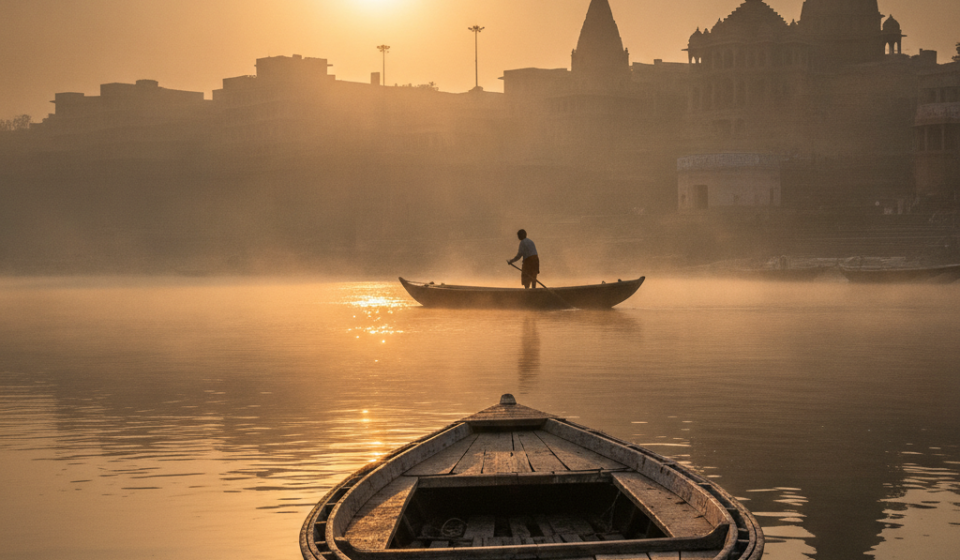
Early morning boat rides along the river provide a unique perspective of the ghats as pilgrims perform their morning prayers in the soft, golden light. Street photography tours in india frequently use Varanasi as a base to teach light management and composition in tight spaces. The narrow, winding alleys behind the riverfront are filled with shrines, vendors, and vibrant color contrasts. The spiritual intensity of this city is why Varanasi remains a staple in most photography tours in india. To explore the mystical city of Varanasi, travelers can secure their arrangements through the dedicated Varanasi Tour Package on TravelDham to ensure a well-coordinated journey.
Rajasthan: The Royal Heritage Circuit
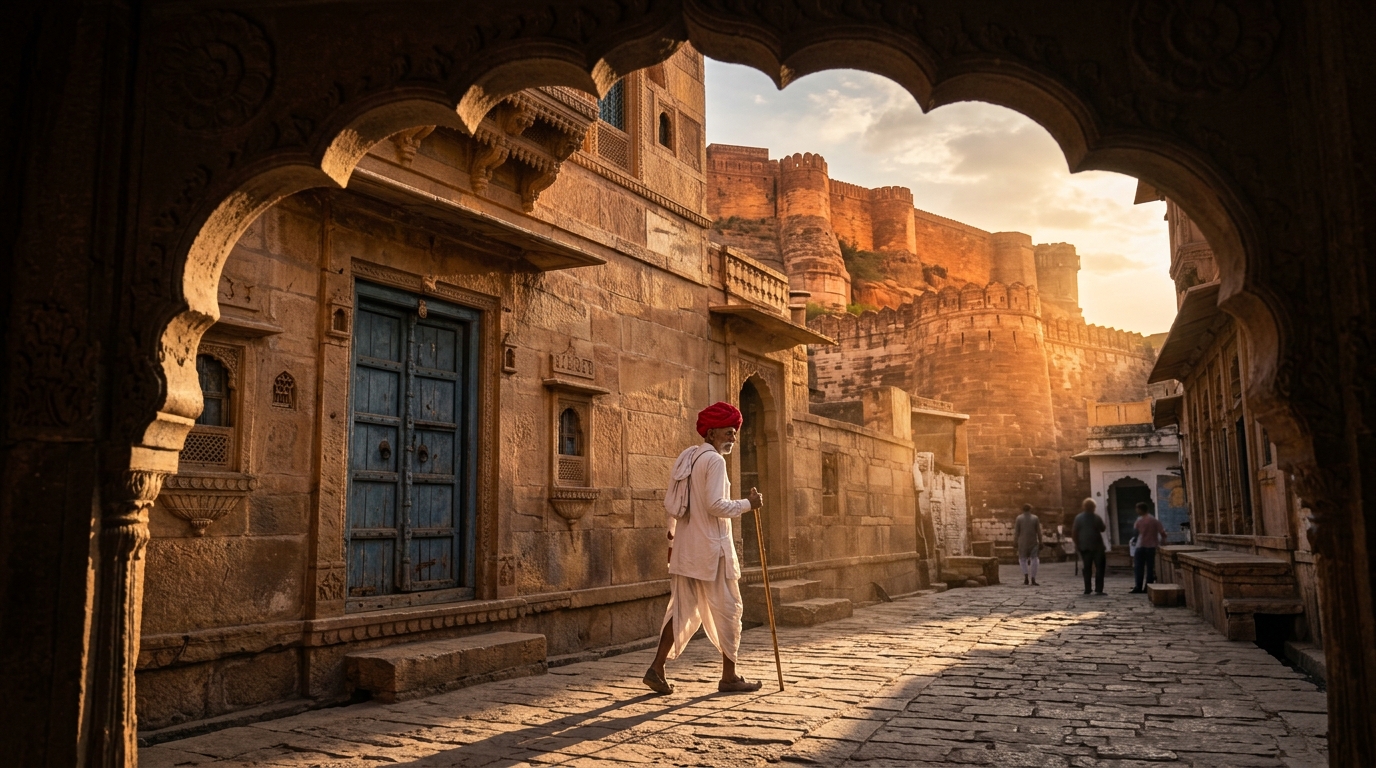
For those seeking vibrant colors, majestic forts, and desert vistas, the state of Rajasthan is the premier choice. The Blue City of Jodhpur, the Pink City of Jaipur, and the golden sand dunes of Jaisalmer provide distinctly different color palettes within a single region.
Many heritage-focused photography tours in india schedule their visits to coincide with rural fairs, such as the famous Pushkar Camel Fair, where thousands of pastoralists gather in the desert. For individuals looking to capture vibrant human interactions, Rajasthan is a primary highlight of photography tours in india. The primary challenge here is managing the reflective glare from the light-colored sandstone. Using a circular polarizing filter is highly recommended to control reflections and enhance the saturation of the deep blue skies against the warm tones of the architecture.
Leh Ladakh: The High Altitude Desert
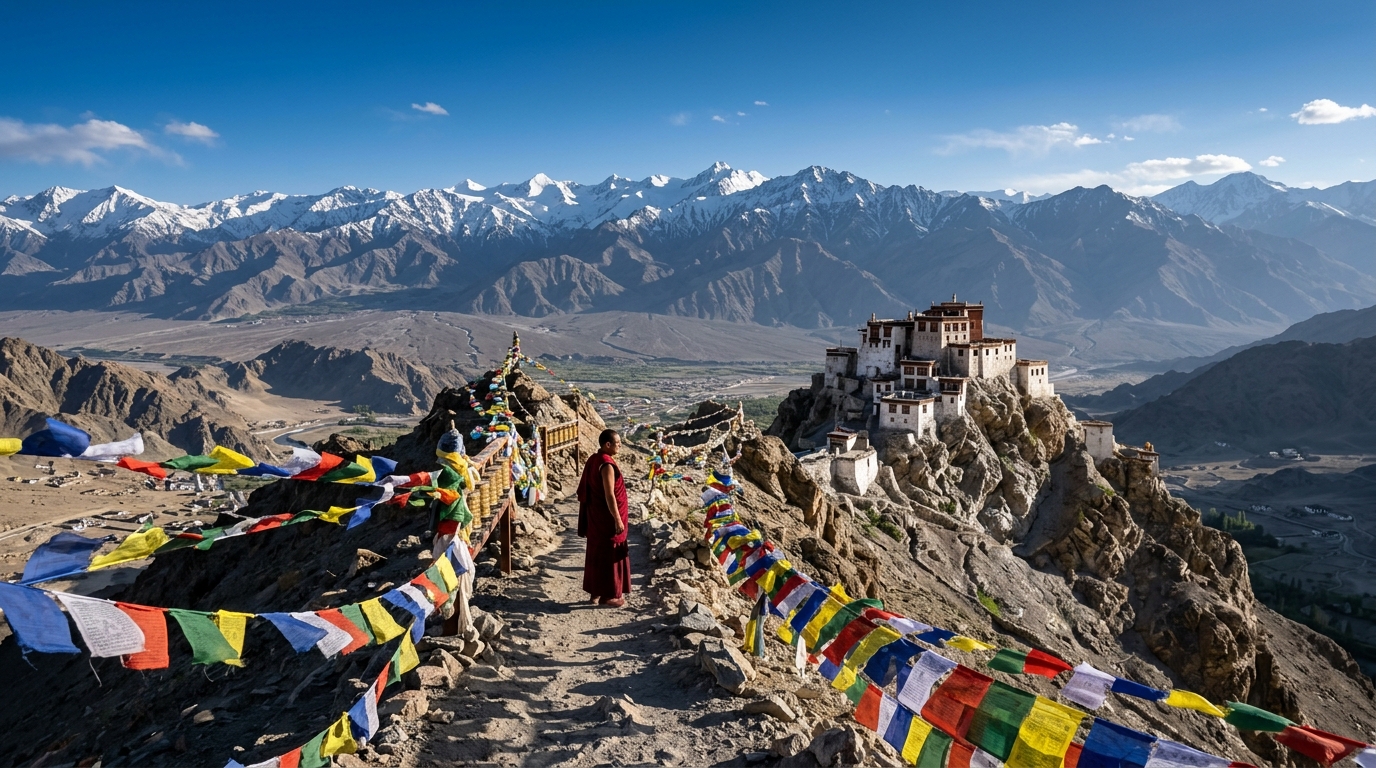
Situated in the far north, Leh Ladakh offers dramatic mountain ranges, crystal-clear high-altitude lakes, and ancient Tibetan monasteries. This region is a paradise for those focusing on grand natural vistas and Buddhist cultural documentation.
Leh Ladakh stands at an altitude of roughly 3,500 meters (a level that requires proper acclimatization) above sea level. This high altitude ensures that the light in Ladakh is exceptionally crisp due to the thin atmosphere, allowing for spectacular long-distance visibility. Scenery-focused photography tours in india targeting this region emphasize composition using leading lines and natural frames. Indeed, the stark visuals of Ladakh have made it a favorite route for high-altitude photography tours in india. Photographers planning to capture these incredible heights can book a comprehensive itinerary through the Leh Ladakh Tour Package offered by TravelDham, which provides expert logistical support for high-altitude travel.
Ranthambore and Kaziranga: Wildlife Encounters
The national parks of India offer some of the finest wildlife viewing opportunities in Asia, each preserving pristine habitats:
- Ranthambore National Park (Rajasthan): Famous for its Bengal tiger population, set against the backdrop of historic forest ruins. According to official census data from the Wildlife Institute of India, Ranthambore housed roughly 88 tigers as of recent forestry surveys [Wildlife Institute of India]. This high density increases the likelihood of tiger sightings.
- Kaziranga National Park (Assam): Offers a completely different environment, dominated by tall elephant grass and marshlands. It is home to the world’s largest population of the great Indian one-horned rhinoceros.
Wildlife photography tours in india operating in these parks utilize open-top vehicles to provide unobstructed views. For enthusiasts seeking tigers and rhinos, these specific park visits are indispensable elements of comprehensive photography tours in india. The key to success in these locations is using fast shutter speeds (typically 1/1000s or faster) to freeze animal movement, combined with wide apertures to isolate the subject.
Essential Equipment Checklist for Indian Expeditions
Preparing for photography tours in india requires a careful balance between having the necessary gear and maintaining mobility. Carrying excessive equipment can lead to physical exhaustion and logistical complications during domestic flights, which often have strict weight limits for cabin baggage. Most operators of professional photography tours in india recommend packing light but versatile setups.
It is highly recommended to carry two camera bodies. This not only serves as a backup in case of equipment failure but also allows the photographer to keep two different lenses mounted simultaneously. This minimizes the need for lens changes in dusty environments, protecting the delicate camera sensor. Photographers must understand their sensor’s dynamic range (the camera’s ability to capture extreme highlights and deep shadows in a single frame) to handle the dramatic contrast of direct sunlight.
The table below outlines the recommended gear configurations based on the specific photographic genre chosen for the expedition:
| Photographic Genre | Primary Lens Recommended | Secondary Lens Recommended | Essential Accessories |
|---|---|---|---|
| Street and Portraiture | 35mm or 50mm Prime (f/1.4 – f/1.8) | 24-70mm f/2.8 Zoom | Lens hood, spare batteries, lens cleaning kit |
| Wildlife and Action | 100-400mm or 200-600mm Zoom | 70-200mm f/2.8 Zoom | Gimbal head, rain cover, air blower |
| Scenery and Architecture | 16-35mm Wide-Angle Zoom | 24-70mm f/2.8 Zoom | Sturdy tripod, circular polarizer, ND filters |
In addition to lenses and camera bodies, power management is crucial. In remote areas, such as the high-altitude villages of Ladakh or the deep interior of national parks, electricity can be inconsistent. Bringing multiple spare batteries and a high-capacity power bank is essential.
Some travelers believe that modern smartphone cameras are sufficient for such journeys. They are not entirely incorrect. But still, they underestimate the sheer demands of low-light temple interiors and distant wildlife encounters. Dedicated gear remains a fundamental necessity for capturing high-resolution files that can be cropped or printed.
Practical Tips for Respectful and Successful Photography in India
Technical proficiency is only one part of the equation when participating in photography tours in india. Dealing with the cultural and social situation requires a high level of tact and sensitivity. Ethical guidelines are a core component of well-run photography tours in india.
Here is a structured set of guidelines to ensure a successful and respectful photographic journey:
- Always Ask for Permission: Prior to taking a portrait of an individual, make eye contact and seek verbal or non-verbal consent. A simple nod or smile is usually sufficient.
- Understand Local Temple Etiquette: Many active temples, mosques, and monasteries prohibit photography inside the inner sanctum. Always look for signage or ask the local priests before using a camera. Removing shoes is mandatory in almost all religious sites, and conservative dress is highly appreciated.
- Manage the Crowds Patiently: As a professional photographer with professional gear, one will naturally attract curiosity. Crowds may gather to watch the shoot. Remaining calm, smiling, and occasionally showing the images on the camera LCD screen can turn a potentially tense situation into a warm interaction.
- Avoid Intrusive Photography at Cremation Sites: In sacred locations such as the Manikarnika Ghat in Varanasi, photography of actual cremation ceremonies is strictly forbidden. Respect the privacy of grieving families and keep cameras packed away in these specific areas.
- Be Mindful of Monetary Demands: In highly touristed areas, some street performers or locals posing in traditional attire may demand money for photos. Decide in advance whether to pay, or seek out authentic, candid interactions where money is not exchanged.
Critics may argue that organized itineraries limit creative freedom. They are not entirely incorrect. But still, they underestimate how professional coordination removes logistical friction, thereby allowing more actual shooting time. By adhering to these simple principles, photographers can build positive relationships with the communities they visit. This respectful approach often opens doors to unique situations that are otherwise inaccessible to the average tourist, resulting in exceptional imagery.
Conclusion
Embarking on photography tours in india is an incredibly rewarding endeavor that can elevate a photographer’s portfolio to new heights. The sheer variety of subject matter, from the grand architectural structures of Rajasthan to the intimate spiritual moments of Varanasi, ensures that every creative style is fully catered to. However, the key to a successful expedition lies in meticulous preparation, both in terms of selecting the right equipment and understanding the cultural nuances of the regions visited. By choosing a specialized tour that aligns with specific creative goals, photographers can focus entirely on their craft while leaving the complex logistics of transport and access to local experts. In summary, well-planned photography tours in india offer the perfect balance of creative inspiration and logistical security. Ultimately, capturing the essence of this vibrant country requires more than just technical skill. It demands patience, respect, and an open mind, allowing the unique stories of the subcontinent to unfold naturally before the lens.