
Finding the best time to visit north east india depends entirely on which of its eight distinct states you plan to explore. Comprising the “Seven Sisters”—Assam, Arunachal Pradesh, Meghalaya, Nagaland, Manipur, Mizoram, and Tripura—alongside Sikkim, this vast region spans microclimates ranging from sea-level floodplains along the Brahmaputra River to high-altitude Himalayan passes exceeding 17,000 feet. Because of these dramatic shifts in elevation, weather conditions vary drastically across states during the exact same month.
Whether you want to spot one-horned rhinoceroses in Kaziranga, hike living root bridges in Meghalaya, witness high-altitude rhododendron blooms in Sikkim, or attend cultural events like Nagaland’s Hornbill Festival, timing your journey to match local weather patterns is essential. If you are comparing regional travel seasons across the country, check our broader month-by-month travel calendar for Indian states to align your vacation dates.
Peak Season vs. Off-Season: Choosing the Best Time to Visit North East India
The climate across North East India splits into three distinct seasonal frameworks. Understanding these zones helps you choose the right months for your specific interests and budget.
1. Peak Winter Season (October to February)
- Weather: Clear skies, dry weather, and low humidity dominate the plains and mid-altitude hills. Temperatures range between 10°C and 22°C in lowland plains (Assam, Tripura) and 2°C to 15°C in hill capitals like Shillong, Kohima, and Gangtok. High-altitude locations such as Tawang (Arunachal Pradesh) and North Sikkim experience freezing temperatures (-10°C to 2°C).
- Key Highlights: National parks (Kaziranga, Manas) reopen for safaris. Major cultural festivals occur, including the Hornbill Festival in Nagaland, the Shillong Cherry Blossom Festival in Meghalaya, and the Sangai Festival in Manipur. Excellent visibility offers clear mountain views across the Himalayas.
- Best For: Families, first-time visitors, wildlife safari enthusiasts, and cultural travellers.
2. Spring / Pre-Monsoon Season (March to May)
- Weather: Mild to warm weather in the plains (20°C–32°C) and pleasant temperatures across the hill stations (12°C–24°C). Pre-monsoon afternoon showers (locally known as Bordoisila in Assam) begin in April and May.
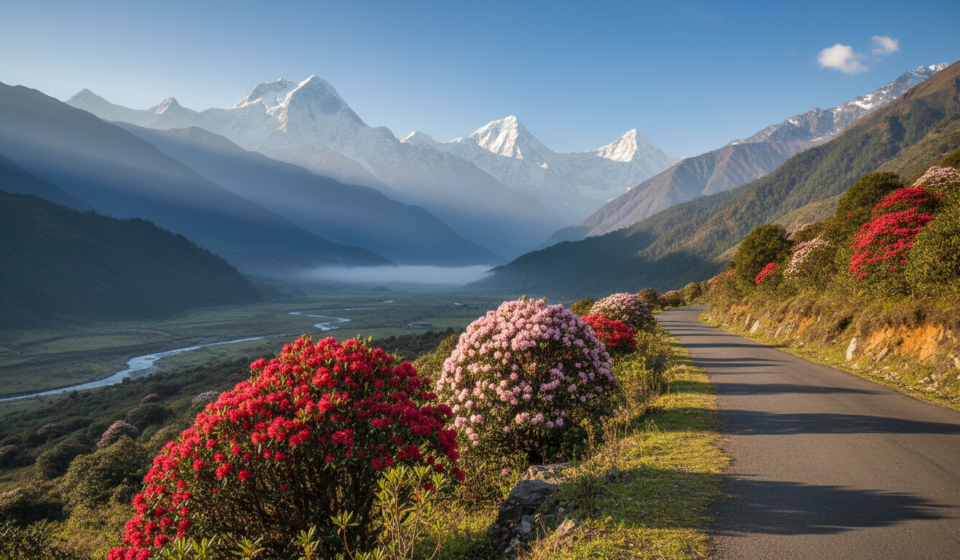
- Key Highlights: Peak flowering season for wild orchids and rhododendrons in Sikkim’s Yumthang Valley and Arunachal’s Tawang/Ziro belt. Cultural celebrations include Chapchar Kut in Mizoram and Rongali Bihu in Assam. Wildlife safaris remain open until mid-to-late May.
- Best For: Nature lovers, botanists, high-altitude trekkers, and spring break holidaymakers.
3. Monsoon Season (June to September)
- Weather: Heavy to extreme rainfall drenches the entire region. Mawsynram and Cherrapunji in Meghalaya receive over 11,000 mm of annual rainfall. Relative humidity stays high (80%–95%), with temperatures averaging 20°C to 32°C.
- Key Highlights: Meghalaya’s waterfalls reach their peak volume and power. Landscapes turn vibrant green, and hotels offer low-season discounts.
- Risks: Landslides frequently block primary hill routes, including National Highway 10 (the key access road to Gangtok) and the Guwahati–Shillong–Silchar corridor. National parks close due to severe river flooding.
- Best For: Monsoon enthusiasts, budget travellers targeting off-peak discounts, and waterfall photography trips focused exclusively on accessible circuits in Meghalaya. If you enjoy rainy season travel, explore our guide to the best places to visit in India during monsoon.
State-by-State Guide: Best Time to Visit North East India Regions
Because microclimates vary heavily across the eight states, review this climate and nuance matrix before planning your route:
| State | Ideal Travel Window | Off-Limit / Risky Months | Primary Seasonal Highlights | Key Microclimate / Route Warning |
|---|---|---|---|---|
| Assam | October – April | June – September | Kaziranga & Manas safaris, Majuli river island, Rongali Bihu (April), tea garden tours | Brahmaputra river floods submerge 70%–80% of Kaziranga between July and September. Majuli ferry services are often suspended. |
| Arunachal Pradesh | October – April (Tawang/Bomdila); September (Ziro) | July – August (Landslides); January – February (Sela Pass snow) | Ziro Music Festival (September), Tawang Monastery, Sela Pass, Mechuka Valley | Sela Pass (13,700 ft) sees heavy snow and black ice in Jan–Feb, occasionally blocking road access to Tawang. |
| Meghalaya | October – April (Sightseeing/Caving); July – September (Waterfalls) | Peak July rains (Trekking & caving restricted) | Shillong Cherry Blossom (Nov), Wangala 100 Drums (Nov), Living Root Bridges, Dawki river | Waterfalls peak in monsoon, but caving (Krem Liat Prah) and canyoning are strictly dry winter activities (Nov–Feb). |
| Sikkim | March – May (Flowers); October – December (Views) | July – September (NH10 Landslides); January – February (North Sikkim extreme cold) | Yumthang flower valley (Apr–May), Gurudongmar Lake, Nathu La Pass, Pelling views | NH10 (Siliguri–Gangtok) is vulnerable to mudslides in July–August. North Sikkim passes freeze in mid-winter. |
| Nagaland | October – May; Early December (Hornbill) | July – August (Heavy rain delays) | Hornbill Festival (Dec 1–10), Dzükou Valley trek (blooms Jun–Jul, dry trek Oct–Mar), Khonoma village | Monsoon rains cause delays along the Dimapur–Kohima road. Book Kohima stays 3 to 5 months ahead for Hornbill. |
| Manipur | October – March | June – September (Loktak flooding & heavy rain) | Sangai Festival (Nov 21–30), Loktak Lake & Keibul Lamjao, Kangla Fort | Keibul Lamjao floating phumdis are best observed from watchtowers during dry winter months when water levels recede. |
| Mizoram | October – March | June – August (High landslide risk on narrow roads) | Chapchar Kut (March), Reiek Heritage Village, Phawngpui (Blue Mountain), Aizawl | Mizo hills feature steep, narrow highways; keep extra buffer days during the rainy season. |
| Tripura | October – March | June – September (High humidity & monsoon) | Ujjayanta Palace, Neermahal Water Palace, Unakoti rock carvings, Kharchi Puja (July) | Lowland plains climate similar to Bengal and Assam. Winters remain mild and comfortable. |
Month-by-Month Weather and Best Time to Visit North East India
January
- Temperatures: Plains: 10°C–22°C; Hill Capitals: 2°C–12°C; High Altitude (Tawang/Lachen): -10°C to 4°C.
- Weather: Cold, dry weather with fog in early mornings across the plains and clear skies in the mid-altitude hills.
- Best States to Visit: Assam, Meghalaya, Nagaland, Tripura, Manipur.
- Key Events: Magh Bihu / Bhogali Bihu (Assam harvest festival in mid-January); Loktak cultural events (Manipur).
- Pros: Peak wildlife visibility in Kaziranga and Manas; pleasant walking weather in Shillong, Aizawl, and Kohima; frozen lake views at Tsomgo in Sikkim.
- Cons: Sela Pass in Arunachal and Gurudongmar Lake in North Sikkim are regularly blocked by heavy snowfall. Dense morning fog can delay flights at Guwahati, Dibrugarh, and Bagdogra airports.
- Actionable Advice: Pack thermal base layers, a heavy down jacket for high-altitude zones, and leave buffer time for morning flight departures.
February
- Temperatures: Plains: 12°C–25°C; Hill Capitals: 5°C–15°C; High Altitude: -5°C to 8°C.
- Weather: Transition period from peak winter to early spring. Crisp days, minimal rainfall, and clear mountain vistas.
- Best States to Visit: Assam, Arunachal Pradesh (mid-altitude regions), Meghalaya, South/West Sikkim, Mizoram.
- Key Events: Losar (Tibetan New Year celebrated in Tawang and Sikkim monasteries); Sekrenyi (Angami Naga purification festival in Nagaland).
- Pros: Excellent conditions for caving in Meghalaya, river rafting on the Jia Bharali and Siang rivers, and birdwatching in Nameri National Park.
- Cons: High mountain passes remain cold with ice patches on high-elevation roads.
- Actionable Advice: An ideal month for a multi-state road trip such as Guwahati – Shillong – Kaziranga – Dirang.
March
- Temperatures: Plains: 18°C–30°C; Hill Capitals: 10°C–20°C; High Altitude: 0°C to 12°C.
- Weather: Warm days across the plains and mild, pleasant weather in hill stations. Early spring flowers start blooming.
- Best States to Visit: Mizoram, Sikkim, Arunachal Pradesh, Meghalaya, Assam.
- Key Events: Chapchar Kut (Mizoram’s spring festival on the first Friday of March, featuring traditional bamboo dances); Yaoshang / Holi (Manipur’s 5-day cultural festival).
- Pros: Balanced weather across high and low elevations before summer travel surges. Clear mountain views.
- Cons: Pre-monsoon showers (Bordoisila) occasionally begin by late March in Assam and Meghalaya.
- Actionable Advice: Visit Aizawl during Chapchar Kut for vibrant cultural performances and community feasts.
April
- Temperatures: Plains: 22°C–32°C; Hill Capitals: 12°C–22°C; High Altitude: 4°C to 15°C.
- Weather: Comfortable in the hills, warming up in the plains. Brief afternoon rain showers become more frequent.
- Best States to Visit: Sikkim (Yumthang Valley), Arunachal Pradesh (West Kameng, Tawang), Assam.
- Key Events: Bohag Bihu / Rongali Bihu (Assamese New Year in mid-April); International Orchid and Flower exhibitions in Gangtok.
- Pros: Rhododendron and orchid blooms reach peak season in Sikkim’s Yumthang Valley and Arunachal’s Tawang belt. Last full month for Kaziranga elephant safaris.
- Cons: Afternoon thundershowers can cause minor travel delays on rural roads.
- Actionable Advice: Prioritise North Sikkim or Western Arunachal Pradesh if you want to see colorful Himalayan valleys in bloom. Check out our detailed 7-day Sikkim itinerary to structure your route.
May
- Temperatures: Plains: 25°C–34°C; Hill Capitals: 15°C–25°C; High Altitude: 6°C to 18°C.
- Weather: Pre-monsoon showers become stronger and more frequent. Humidity rises in lowland Assam and Tripura.
- Best States to Visit: High-altitude Sikkim (Gangtok, Lachung, Yumthang) and Arunachal Pradesh (Tawang).
- Key Events: Saga Dawa (Sikkim’s major Buddhist festival honoring Buddha’s birth, enlightenment, and Nirvana); Moatsu Festival (Ao tribe in Nagaland, early May).
- Pros: Cool temperatures make high-altitude destinations ideal escapes from North India’s summer heat. Lakes like Gurudongmar and Tsomgo are easily accessible.
- Cons: Wildlife national parks across Assam wrap up jeep and elephant safaris by mid-to-late May.
- Actionable Advice: Confirm safari operation dates with local authorities before booking Assam wildlife trips in May.
June
- Temperatures: Plains: 26°C–34°C; Hill Capitals: 18°C–26°C; High Altitude: 8°C to 20°C.
- Weather: The southwest monsoon arrives, bringing heavy, sustained rains across Assam, Meghalaya, and Southern Sikkim.
- Best States to Visit: Meghalaya (for waterfall chasers), Nagaland (for the Dzükou Valley floral trek).
- Key Events: Ambubachi Mela at Kamakhya Temple in Guwahati (mid-June; temple closes for 3–4 days).
- Pros: Waterfalls in Cherrapunji, Mawsynram, and Sohra flow at full force. Dzükou Valley turns lush green with blooming Dzükou lilies.
- Cons: Wildlife national parks close down completely. Heavy rain increases landslide risks on steep mountain highways.
- Actionable Advice: Pack high-grade waterproof gear, dry bags for cameras and electronics, and avoid booking non-refundable road transport segments.
July
- Temperatures: Plains: 27°C–34°C; Hill Capitals: 18°C–25°C; High Altitude: 10°C to 20°C.
- Weather: Peak monsoon month. Heavy rainfall across all eight states, causing river levels to rise in the Assam plains.
- Best States to Visit: Meghalaya (waterfall viewing from safe vantage points), Tripura (cultural sightseeing in Agartala).
- Key Events: Dree Festival (July 5 in Ziro Valley, Arunachal Pradesh—an Apatani agricultural festival); Kharchi Puja (Tripura’s 7-day festival worshipping 14 deities in Agartala).
- Pros: Hotel discounts across the region; dramatic waterfall views of Nohkalikai, Seven Sisters, and Wei Sawdong.
- Cons: Landslide warnings along NH10 (Gangtok) and the Shillong–Silchar stretch; forest trekking trails are slippery and leech-heavy.
- Actionable Advice: Avoid high-elevation mountain passes in Sikkim and Arunachal Pradesh due to poor visibility and mudslides.
August
- Temperatures: Plains: 27°C–34°C; Hill Capitals: 18°C–25°C; High Altitude: 10°C to 20°C.
- Weather: Monsoon downpours continue, tapering off slightly toward the end of the month. High humidity remains.
- Best States to Visit: Meghalaya, lowland Tripura, urban culture breaks in Gangtok and Shillong.
- Key Events: Independence Day regional parades and local harvest preparations.
- Pros: Forest cover, river valleys, and living root bridges look vibrant and green.
- Cons: Brahmaputra floodwaters often submerge low-lying areas, limiting rural road travel in parts of Assam.
- Actionable Advice: Stick to major paved highways and avoid off-road riverbed excursions.
September
- Temperatures: Plains: 25°C–32°C; Hill Capitals: 15°C–24°C; High Altitude: 8°C to 18°C.
- Weather: Post-monsoon transition month. Rains decrease, skies clear up, and surrounding landscapes stay lush and green.
- Best States to Visit: Arunachal Pradesh (Ziro Valley), Sikkim, Meghalaya, Nagaland.
- Key Events: Ziro Festival of Music (late September in Arunachal Pradesh—a 4-day eco-friendly music festival); Pang Lhabsol (Sikkim festival dedicated to Mount Kanchenjunga).
- Pros: Fresh, dust-free mountain air, crisp skies, and major outdoor music events like Ziro.
- Cons: Early September may still bring occasional lingering rain showers and damp campsites.
- Actionable Advice: If attending the Ziro Festival of Music (2026 dates: Sept 24–27), reserve tickets, homestays, or camping permits 2–3 months ahead.
October
- Temperatures: Plains: 20°C–30°C; Hill Capitals: 12°C–22°C; High Altitude: 2°C to 14°C.
- Weather: Clear autumn skies, bright sunshine, crisp mountain air, and high visibility for mountain peaks.
- Best States to Visit: Sikkim, Arunachal Pradesh, Meghalaya, Assam, Manipur, Nagaland.
- Key Events: Kati Bihu (Assam in mid-October); Durga Puja / Dussehra (grand festive street celebrations across Guwahati, Silchar, Agartala, and Gangtok).
- Pros: Ideal window for viewing Mount Kanchenjunga from Pelling and Ravangla; national parks begin reopening mid-to-late October.
- Cons: Popular tourist towns experience high hotel demand and traffic during the Durga Puja holiday week.
- Actionable Advice: Secure hotel and vehicle bookings early if traveling during the autumn festival season.
November
- Temperatures: Plains: 15°C–26°C; Hill Capitals: 8°C–18°C; High Altitude: -2°C to 10°C.
- Weather: Dry, cool, and comfortable weather region-wide. Peak autumn travel season.
- Best States to Visit: Meghalaya, Manipur, Assam, Nagaland, Sikkim.
- Key Events: Shillong Cherry Blossom Festival (mid-to-late November; verified 2026 dates: Nov 20–21); Wangala 100 Drums Festival in Garo Hills (verified 2026 dates: Nov 8–10); Sangai Festival in Manipur (Nov 21–30).
- Pros: Wild Himalayan cherry blossoms color Shillong pink; all national parks open for jeep and elephant safaris; pleasant outdoor sightseeing weather across all 8 states.
- Cons: High flight prices and busy hotels in Shillong, Guwahati, and Imphal.
- Actionable Advice: Combine Assam wildlife safaris with Meghalaya’s Cherry Blossom Festival or Manipur’s Sangai Festival for a full winter circuit.
December
- Temperatures: Plains: 10°C–22°C; Hill Capitals: 3°C–14°C; High Altitude: -8°C to 5°C.
- Weather: Cold, crisp, and sunny. Festive Christmas atmosphere across Nagaland, Meghalaya, and Mizoram.
- Best States to Visit: Nagaland, Assam, Meghalaya, Manipur, Tripura, Sikkim.
- Key Events: Hornbill Festival (December 1 to 10 at Kisama Heritage Village, Kohima); Christmas and New Year street carnivals in Kohima, Shillong, and Aizawl.
- Pros: Hornbill brings together 17 Naga tribes for cultural showcases; festive holiday lights line hill cities; prime safari weather in Kaziranga.
- Cons: Kohima homestays and hotels sell out months in advance for Dec 1–10. Night temperatures drop quickly across hill towns.
- Actionable Advice: Apply for your Nagaland Inner Line Permit (ILP) and lock in Kohima accommodation by August or September if planning to visit Hornbill.
Wildlife Park Seasons and Safari Rules
If wildlife viewing is your priority, note that major national parks follow strict seasonal operating schedules tied to monsoon flooding cycles:
Kaziranga National Park (Assam)
- Official Safari Season: November 1 to April 30 (Full jeep and elephant safari operations).
- Pre-Monsoon Window: May 1 to May 29 (Jeep safaris only; subject to weather and early flood conditions).
- Elephant Safaris: November 1 to April 30 (Strictly closed starting May 1).
- Monsoon Closure: June 1 to October 31 (Closed due to Brahmaputra river floodwaters covering up to 80% of the park grounds).
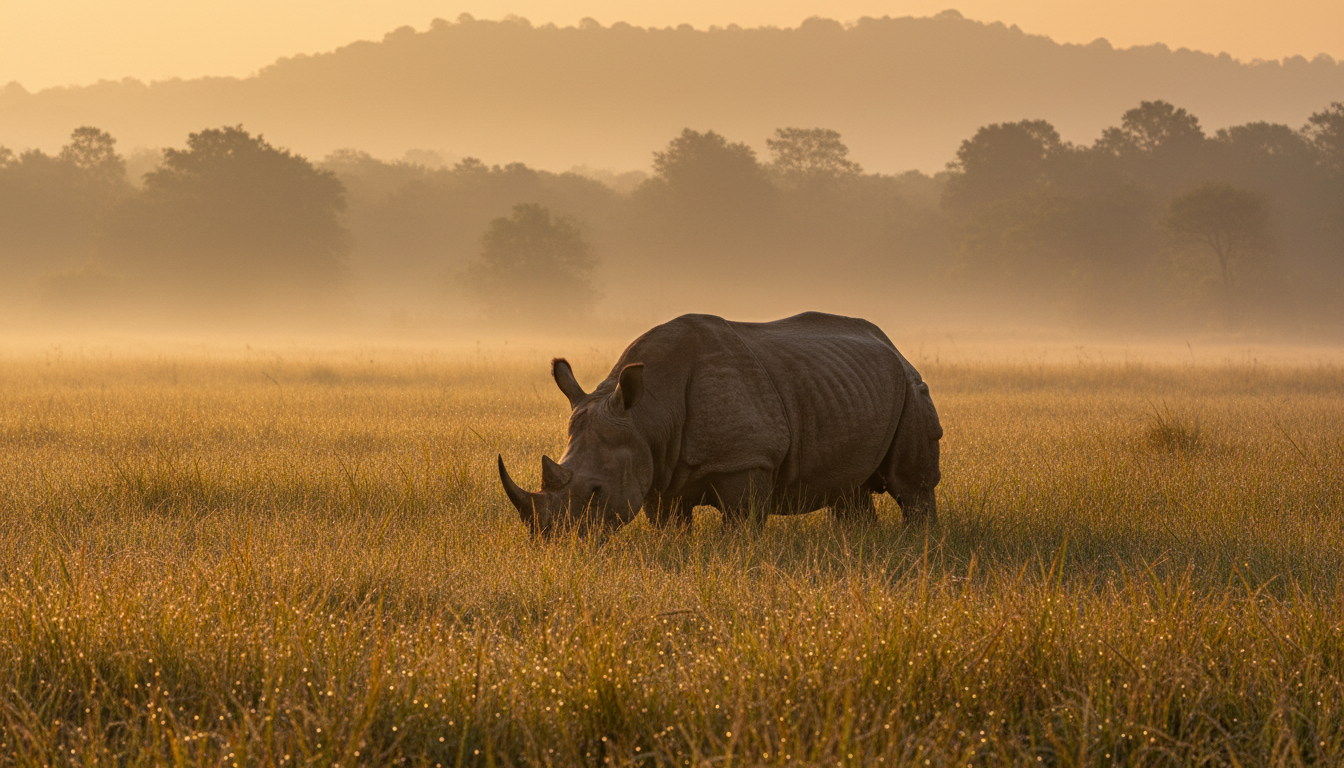
- Key Safari Zones: Kohora (Central), Bagori (Western—best for Indian rhinos), Agaratoli (Eastern—best for water birds and wild elephants), and Burapahar.
Manas National Park (Assam)
- Official Safari Season: November to April/early May.
- Monsoon Closure: June to October.
Keibul Lamjao National Park (Manipur)
- Official Season: October to April.
- Highlights: The world’s only floating national park, located on Loktak Lake, protects the endangered Sangai brow-antlered deer. The best viewing time is early morning from watchtowers between November and March, when lower water levels bring deer out onto the floating phumdis (biomass mats). Read our dedicated guide on Keibul Lamjao National Park for park access points and boat tour details.
Namdapha National Park (Arunachal Pradesh)
- Official Season: October to April.
- Trekking Window: November to March (Ideal conditions for multi-day rainforest trekking and riverbank camping).
Major Festivals Calendar
Timing your trip around regional cultural festivals is one of the best ways to experience North East India. Here is a quick reference table followed by key festival details:
| Festival | Location | Month / Fixed Dates |
|---|---|---|
| Chapchar Kut | Aizawl, Mizoram | First Friday of March |
| Rongali Bihu | Statewide, Assam | Mid-April (April 14–16) |
| Dree Festival | Ziro Valley, Arunachal Pradesh | July 5 |
| Ziro Festival of Music | Ziro Valley, Arunachal Pradesh | Late September (Sept 24–27, 2026) |
| 100 Drums Wangala | Asanang (Tura), Meghalaya | 2nd Weekend of Nov (Nov 8–10, 2026) |
| Shillong Cherry Blossom | Shillong, Meghalaya | Mid-to-Late Nov (Nov 20–21, 2026) |
| Sangai Festival | Imphal & Loktak, Manipur | November 21–30 |
| Hornbill Festival | Kisama (Kohima), Nagaland | December 1–10 |
- Hornbill Festival (Nagaland): Held at Kisama Heritage Village (~12 km from Kohima), this 10-day event brings together all 17 major Naga tribes. Visitors can watch traditional folk dances, warrior attire displays, Naga wrestling, chili-eating challenges, and evening rock music concerts.
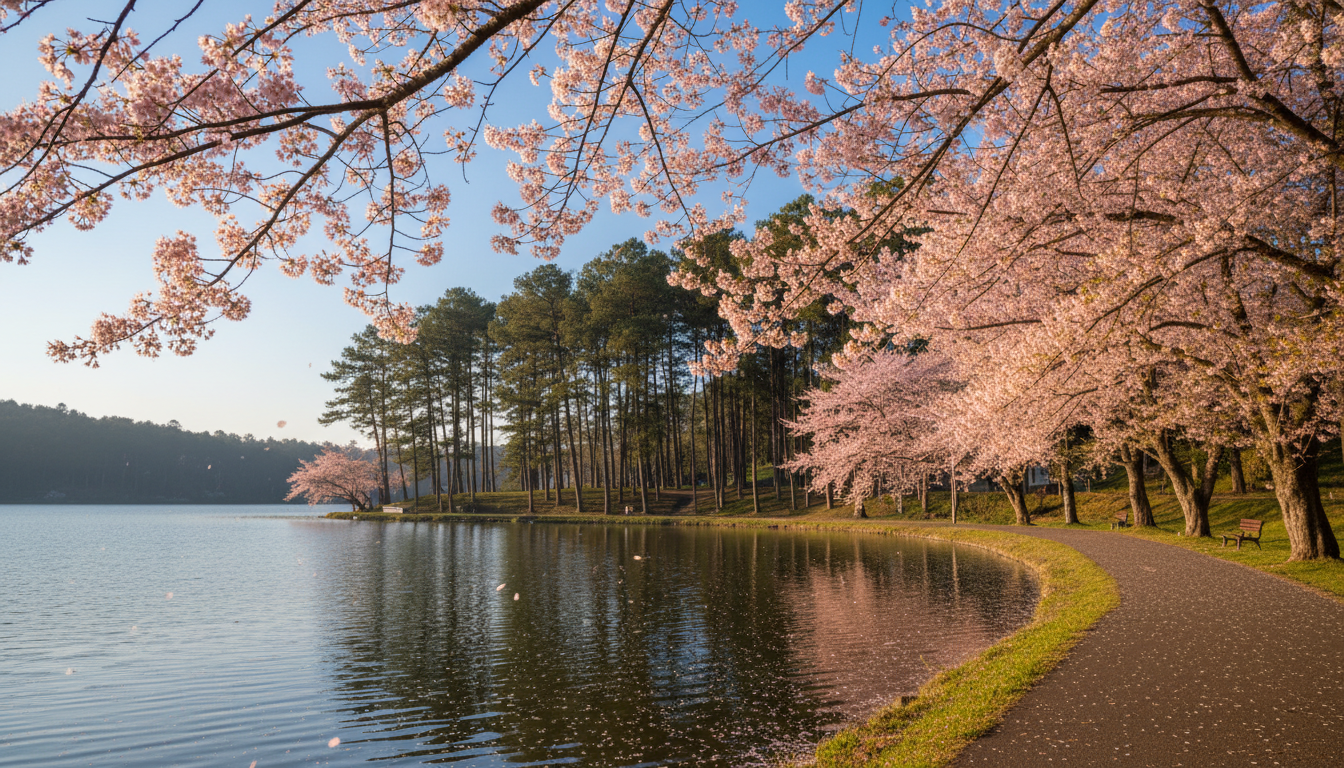
- Shillong Cherry Blossom Festival (Meghalaya): Celebrated in Shillong (at Ward’s Lake and Polo Grounds), this event highlights the blooming of wild Himalayan pink cherry blossoms (Prunus cerasoides) alongside international music lineups, fashion shows, and local food stalls.
- Ziro Festival of Music (Arunachal Pradesh): Set outdoors in Ziro Valley, this eco-friendly music festival features indie music acts on open-air stages crafted from local bamboo by the indigenous Apatani tribe.
- Sangai Festival (Manipur): A 10-day state festival celebrating Manipuri arts and culture. Highlights include classical Manipuri Ras Leela performances, Thang-Ta martial arts demonstrations, and indigenous polo (Sagol Kangjei) matches.
- 100 Drums Wangala Festival (Meghalaya): Held at Asanang near Tura in the West Garo Hills, this post-harvest festival honors the Sun God Misi Saljong. It features 100 synchronized oval drums (dama) played by dancers wearing feathered headgear. Note that while this main organized festival takes place in mid-November, individual Garo village harvest dates vary locally.
- Chapchar Kut (Mizoram): A major spring celebration held across Aizawl, featuring Cheraw (bamboo dance) performances, traditional Mizo costumes, and musical parades.
Permit Requirements for Indian and Foreign Travellers
Permit rules vary depending on your nationality and the specific states you plan to visit:
1. Inner Line Permit (ILP) — Mandatory for Indian Citizens
Under the Bengal Eastern Frontier Regulation of 1873, Indian nationals require an Inner Line Permit to enter four North Eastern states. You can apply through these official portals:
- Arunachal Pradesh: Apply online via
arunachalilp.com. Processing takes 24 to 48 hours and costs approximately ₹100. On-arrival processing counters operate at major transit hubs in Guwahati and Itanagar for urgent travel. - Nagaland: Apply online at
ilp.nagaland.gov.inor obtain permits at the Dimapur checkpost, Nagaland House in Guwahati, or Kolkata (Fee: ₹100–₹200). - Manipur: Apply online at
manipurilponline.mn.gov.inor upon arrival at Imphal Airport and the Mao Gate land border (Fee: ₹100). - Mizoram: Apply online at
mizoramilp.mizoram.gov.inor on arrival at Lengpui Airport in Aizawl.
Note: Indian citizens do not need an ILP to visit Assam, Meghalaya, or Tripura.
2. Sikkim Special Permits (Indian Citizens)
Indian nationals do not need a permit to visit Gangtok, Namchi, Pelling, or Ravangla. However, special Protected Area Permits (PAP) are required for sensitive border areas:
- North Sikkim: Lachen, Lachung, Yumthang Valley, and Gurudongmar Lake.
- East Sikkim Border Zones: Nathu La Pass, Tsomgo Lake, Baba Mandir, and Zuluk (Old Silk Route).
- How to Obtain: These permits must be arranged 1–2 days in advance through a registered Sikkim travel agent. You will need to provide passport photos and a valid government ID (Aadhaar, Voter ID, or Passport). Note that snow clearance along high passes like Nathu La is handled dynamically by the Border Roads Organisation (BRO), so access depends on real-time weather.
3. Foreign Nationals (PAP / RAP Regulations)
- Arunachal Pradesh & Sikkim: Foreign passport holders require Protected Area Permits (PAP) or Restricted Area Permits (RAP). Visitors must travel in groups of two or more through registered tour operators.
- Nagaland, Manipur, & Mizoram: PAP rules have been relaxed for most foreign nationalities. However, foreign visitors must register at the local Foreigners Registration Office (FRO/FRRO) within 24 hours of arrival.
- Exceptions: Passport holders from China, Pakistan, and Afghanistan still require prior written approval from the Ministry of Home Affairs (MHA) before visiting restricted states.
Travel Logistics, Transit Hubs, and Packing Tips
Primary Entry Hubs
- Guwahati (GAU / Kamakhya Junction): The main transit hub for Assam, Meghalaya, Nagaland, and Western Arunachal Pradesh.
- Bagdogra Airport (IXB) / New Jalpaiguri (NJP) Railway Station: The primary gateway for Sikkim routes.
- Dibrugarh Airport (DIB): Best entry point for Eastern Arunachal Pradesh (Pasighat, Roing) and Upper Assam.
- Dimapur Airport/Station (DMU): The direct railway and flight connection for travel to Kohima and Nagaland.
- Imphal Airport (IMF): Direct air access to Manipur’s central valley.
Monsoon Transport Tips (June to September)
- Avoid unpaved interior roads in hill districts; stick to National Highways.
- Keep a 1-day buffer before return flights out of Guwahati or Bagdogra, as heavy rains can lead to unexpected delays on mountain highways like NH10.
- Train services such as the Vande Bharat Express (Guwahati to New Jalpaiguri) offer reliable transit when highway travel is disrupted by heavy rains.
Seasonal Packing List
- Winter (October to February): Thermal base layers, a quality down jacket (essential for North Sikkim and Tawang), heavy woolen socks, gloves, a beanies, lip balm, and a strong moisturizer.
- Monsoon / Spring (March to September): A durable raincoat or poncho, waterproof dry bags for electronics, waterproof trekking boots or gumboots, anti-leech socks for forest hikes, and insect repellent.
- Essential Documents (All Seasons): Keep physical printed copies of your Inner Line Permits (ILP), 6–8 passport-sized photos, and a original government photo ID (Aadhaar, Voter ID, or Passport).
Common Mistakes to Avoid
- Trying to cover the entire region in a single 7-day trip: North East India covers eight states connected by winding mountain roads. Combining distant states like Sikkim and Meghalaya into one short itinerary results in long, tiring travel days. Focus on 1 or 2 neighboring states per trip instead.
- Planning a Kaziranga safari during the monsoon: Many travellers book trips without checking park schedules, only to find Kaziranga closed from June through October due to seasonal Brahmaputra flooding.
- Traveling without an Inner Line Permit (ILP): Attempting to enter Arunachal Pradesh, Nagaland, Manipur, or Mizoram without a valid ILP will result in turned-away vehicles at state border checkposts.
- Underestimating high-altitude winter cold: Visitors expecting mild winter weather often pack light sweaters for high-altitude destinations like Tawang or North Sikkim in December and January, where temperatures frequently drop well below freezing (-5°C to -10°C).
- Waiting too long to book festival accommodation: Hotel rooms and homestays in Kohima (for the Hornbill Festival in early December) and Shillong (for the Cherry Blossom Festival in November) often sell out months in advance. Securing stay options early is critical.
Frequently Asked Questions
What is the single best month to visit North East India for a first-timer?
November is generally the most reliable month for first-time visitors across the region. National parks are fully open for safaris, clear autumn skies offer clear Himalayan mountain views, and major events like the Shillong Cherry Blossom Festival and Manipur’s Sangai Festival take place during this window.
Can we visit Kaziranga National Park during the monsoon?
No. Kaziranga National Park is officially closed to visitors for safaris from June 1 to October 31 due to heavy monsoon flooding from the Brahmaputra River. The official safari season runs from November 1 through April/May.
Is it safe to travel to Meghalaya during the monsoon (July-August)?
Yes, traveling to Meghalaya during the monsoon is safe if you stay on primary paved highways connecting Guwahati, Shillong, and Cherrapunji. While famous waterfalls flow at peak volume, keep in mind that outdoor activities like river canyoning and cave exploration are restricted until the dry winter season.
How many days before travel should I apply for an ILP?
For Arunachal Pradesh, Nagaland, Manipur, and Mizoram, apply online 5 to 7 days before your trip to account for processing times. Emergency or express online processing counters can issue permits within 24 to 48 hours.
Is Sikkim part of the Seven Sisters, and does it require an ILP?
Sikkim is officially the 8th North Eastern state (often called the “Brother” state to the Seven Sisters). Indian citizens do not need an Inner Line Permit to enter main hubs like Gangtok, Pelling, or Namchi. However, special Protected Area Permits (PAP) are required for border destinations like North Sikkim (Yumthang/Gurudongmar) and East Sikkim (Nathu La Pass).