
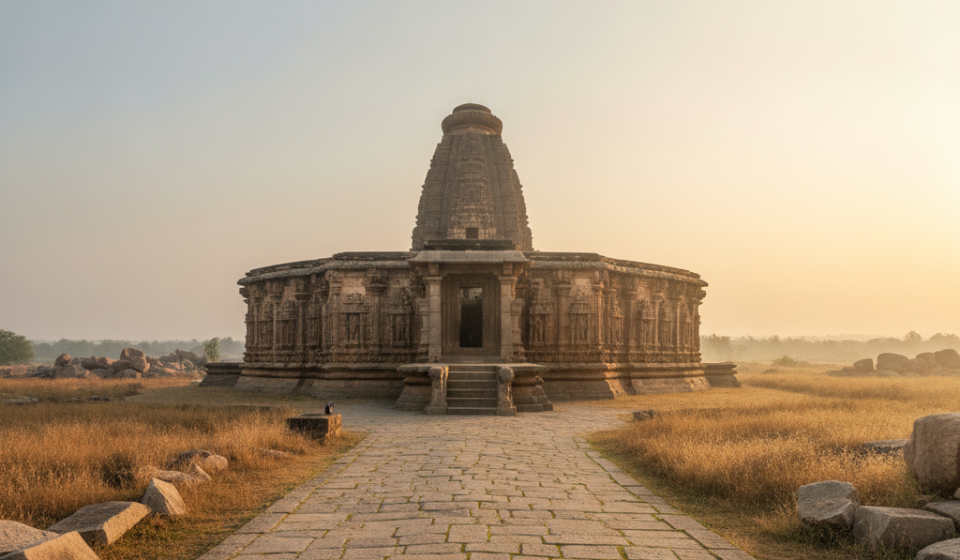
The Ultimate Aihole Travel Guide: How to Explore the Cradle of Indian Temple Architecture

Aihole represents a critical chapter in the history of Indian art. Known widely as the cradle of Indian temple architecture, this village in northern Karnataka serves as a living museum for historians and architecture enthusiasts. While many travelers flock to the nearby monuments of Pattadakal or the massive ruins of Hampi, this site demands a slower pace. It houses over 125 stone temples dating back to the 6th century. A proper Aihole travel guide must move beyond simple sightseeing to appreciate the experimental nature of these structures, where early Chalukyan architects tested forms that would eventually define temple design across the subcontinent.
- Historical Importance: Over 125 stone temples dating from the 6th century showcase the evolution of Chalukyan architecture.
- Must-Visit Sites: The Durga Temple, Lad Khan Temple, and Ravana Phadi Cave are unmissable structural highlights.
- Best Travel Window: Plan your trip between November and February to enjoy the most comfortable weather conditions.
- Logistics: Base yourself in Badami and hire a private vehicle for a smooth exploration experience.
Understanding the Historical Significance
The Chalukya dynasty ruled this region between the 6th and 12th centuries. During their peak, they transformed sandstone into intricate narratives. The architecture here acts as a bridge between wooden structures of the past and the massive stone edifices seen in later eras. Because it functioned as a laboratory for builders, one finds diverse styles coexisting within a single cluster.
- Development of the shikhara (temple tower) styles.
- Evolution of the mandapa (pillared hall) layouts.
- Integration of secular and religious motifs in stone carving.
The site remains significant because it documents the transition from cave architecture to free-standing masonry. Visitors can observe several evolutionary aspects:
- Each monument serves as a practical lesson in early structural development.
- Smaller, seemingly insignificant temples reveal how builders solved core engineering challenges.
- The experimental designs laid the groundwork before architects scaled up to massive, legendary projects.
Best Time to Visit
Northern Karnataka experiences extreme heat. Planning the journey requires careful attention to the calendar to ensure the experience remains comfortable. The optimal window for exploring the stone complexes occurs during the cooler months.
| Season | Months | Travel Condition |
|---|---|---|
| Winter | November to February | Ideal weather for walking tours. |
| Summer | March to June | Extreme heat; best avoided. |
| Monsoon | July to October | High humidity, though landscapes turn lush. |
Most experts suggest arriving at the site gate as early as 8:00 AM. This timing avoids the intense midday sun and the influx of large tour groups that typically arrive by mid-morning. Walking through the quiet temple compounds during the early hours offers a stark, meditative atmosphere that is difficult to replicate later in the day.

Must-Visit Temples in Aihole
The vast number of monuments can feel overwhelming for a first-time visitor. Prioritizing specific structures ensures that the core historical narrative remains clear. While every temple holds architectural value, these three sites stand out as essential stops for anyone using this Aihole travel guide.
| Temple Name | Primary Deity / Significance | Key Architectural Style |
|---|---|---|
| Durga Temple | Surya (Sun God) | Apsidal (Chariot-like) layout resembling Buddhist Chaityas |
| Lad Khan Temple | Shiva (originally civic hall) | Low-slung roof, massive pillars, panchayatana layout |
| Ravana Phadi Cave | Shiva (Nataraja) | Rock-cut cave temple with expressive relief sculptures |
Durga Temple
The Durga Temple serves as the architectural centerpiece of the complex. Key highlights include:
- Dedication: Despite its name, the structure was originally dedicated to Surya (the Sun God).
- Apsidal Shape: Its unique semi-circular design mimics Buddhist rock-cut chaityas.
- Intricate Carvings: The well-preserved pillars and high plinth showcase the peak of Chalukyan craftsmanship.
Lad Khan Temple
This structure demonstrates the transition from a community meeting hall to a religious temple. It is arguably one of the oldest monuments in the village. The heavy, low-slung roof and massive stone pillars suggest an earlier era of construction where builders prioritised stability over decorative soaring towers. Its design feels more like a robust civic hall than the ornate shrines built by later generations.
Ravana Phadi Cave
Situated slightly away from the main cluster, this rock-cut temple provides a fascinating contrast to the free-standing masonry structures. It houses deep reliefs depicting Shiva in various forms, including the Nataraja. The interior is dark and cool, creating a dramatic stage for the expressive stone figures that seem to move as shadows shift across the walls throughout the day.
Practical Tips for Your Journey
Logistical preparation ensures that the focus remains on the historical discovery rather than travel friction. Northern Karnataka requires a bit more planning than more tourist-heavy regions. Accessing the site is easiest from nearby hubs like Badami or Bagalkot.
- Local Transport: Hire a private taxi for the day from Badami. Relying on public buses is possible but often leads to long waiting times between villages.
- Footwear: Expect uneven stone surfaces and dry, dusty paths. Sturdy walking shoes are necessary.
- Hydration: Water is scarce inside the temple complexes. Carry sufficient supplies from your base hotel.
- Guides: Official government-approved guides are available at the entrance of the main complex. Their local knowledge often clarifies the subtle differences between temple styles.
The architecture of the Chalukyas is not just a study of stone. It is a study of how a culture learned to manifest its deepest beliefs into permanent forms that could withstand centuries of environmental wear.
Do not underestimate the physical toll of exploring a site this large. It is best to schedule the most physically demanding visits for the morning and reserve the quieter, peripheral monuments for the late afternoon when the light softens the harsh sandstone textures.

Conclusion
A journey to this region is an investment in understanding the foundations of Indian artistic identity. This Aihole travel guide outlines the essential stops, but the true experience lies in the quiet moments spent examining the fine details on a stray pillar in a nameless shrine. Whether visiting for architectural study or historical interest, the site offers a rare, unfiltered look at a civilization that shaped the cultural landscape of the peninsula. Approach the visit with patience, and the history embedded in these sandstone blocks will reveal itself in profound ways.