
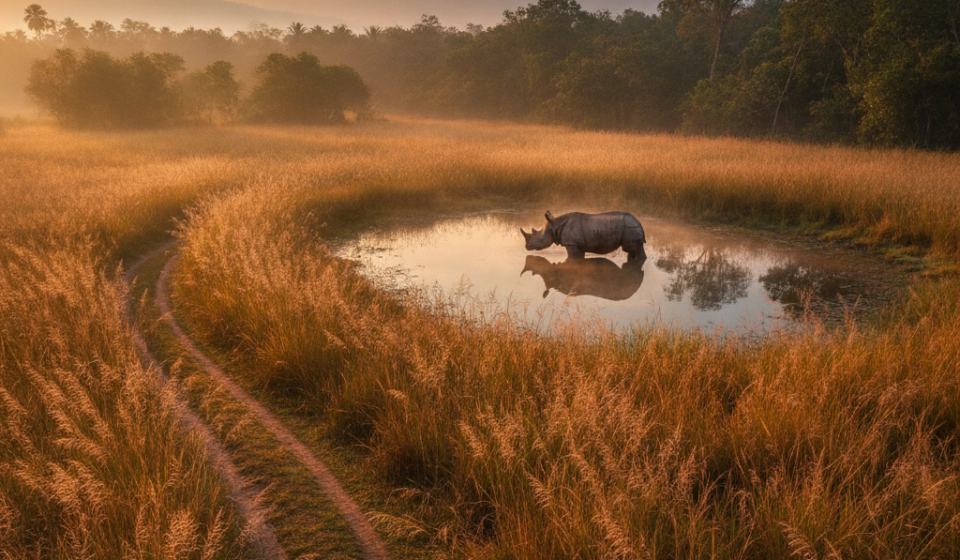
The Ultimate Manas National Park Travel Guide: How to Experience Assam’s Pristine Wilds, River Rafting, and Rare Wildlife

Manas National Park represents one of the most significant biodiversity hotspots in India. Situated at the foothills of the Himalayas in Assam, this UNESCO World Heritage site offers a rare glimpse into a pristine ecosystem that remains largely untouched by mass tourism. Effective planning remains essential for any visitor seeking to experience this sanctuary, as this Manas National Park travel guide outlines the necessary logistics, ecological highlights, and seasonal considerations for a successful expedition.
Key Takeaways
- UNESCO Recognition: Globally celebrated for its exceptional biodiversity, rare fauna, and stunning Himalayan foothill landscapes.
- Perfect Timing: Plan your journey between November and February to enjoy ideal weather and maximum safari track accessibility.
- Unique Safaris: Offers distinct ways of exploring, including robust jeep drives, early-morning elephant safaris, and calm river rafting.
- Rare Wilderness Haven: Protects crucial populations of highly endangered species like the pygmy hog, golden langur, and wild water buffalo.
- Advance Booking Required: Forest permits and accommodations are strictly limited and should be secured well ahead of your travel date.
Understanding Manas National Park
The park earns its reputation as a premier destination due to its unique position as a trans-boundary reserve. This strategic location provides immense ecological value:
- Trans-boundary Corridor: It shares a contiguous border with Bhutan’s Royal Manas National Park, facilitating unhindered animal migration.
- Vast Protected Landscape: The connected reserves form a massive sanctuary allowing species to roam freely over thousands of square kilometers.
- Critical Biodiversity Shelter: This uninterrupted connectivity directly supports endangered populations of Bengal tigers, pygmy hogs, and the iconic golden langur.
Ecologically, the area functions as a blend of diverse habitats. These include:
- Grasslands that support large herbivores.
- Tropical evergreen forests providing dense cover.
- The Manas River system which serves as the lifeblood of the reserve.
The management of this reserve prioritizes the conservation of these habitats. Visitors must respect the strict regulations enforced by the forest department to maintain the integrity of this protected zone.
Best Time to Visit
Seasonal variations significantly influence the accessibility of the park. Careful timing ensures higher chances of wildlife sightings and safer navigation of the forest tracks.
| Season | Status | Travel Insight |
|---|---|---|
| Winter (November to February) | Peak Season | Optimal climate and high visibility for wildlife spotting. |
| Spring (March to April) | Recommended | Higher temperatures, but excellent for viewing active animals. |
| Monsoon (May to October) | Closed | Park remains closed due to heavy rainfall and flooding risks. |
Most experts recommend planning a visit between November and February. The weather stays cool, and the vegetation remains thinner, making it far easier to observe animals at the watering holes.
Getting There
Accessing the park requires a journey through the heart of Assam. Guwahati acts as the primary gateway for international and domestic travellers.
- Air: The nearest airport is Lokpriya Gopinath Bordoloi International Airport in Guwahati, located approximately 145 kilometres away.
- Rail: Barpeta Road serves as the most convenient railway station, situated about 20 kilometres from the park entrance.
- Road: Private taxis or pre-booked vehicles provide the most efficient transfer from Guwahati to the park headquarters at Bansbari.
Advance coordination with local service providers ensures a smooth transition from the transport hubs to the entry gates.

Wildlife Highlights and Safari Experiences
The primary draw for most visitors involves the diverse megafauna found within the park. Conducting a safari requires patience, as the dense forest cover often conceals animals effectively.
Recommended Safari Types
- Jeep Safaris: These provide the most extensive coverage of the interior tracks, allowing for deeper exploration of the core zones.
- Elephant Safaris: While limited in capacity, these offer an intimate experience, allowing for closer approaches to wildlife without disturbing their natural behavior.
| Safari Option | Typical Duration | Key Target Zones | Best Suited For |
|---|---|---|---|
| Jeep Safari | 3 – 4 Hours | Bansbari (Central) & Bhuyanpara (Eastern) | Deep forest penetration, scenic landscape photography, and multi-zone coverage. |
| Elephant Safari | 1 Hour | Bansbari (Central Core) | Close-up encounters with one-horned rhinos, quiet wilderness experience. |
The park stands as a critical refuge for the endangered pygmy hog and the elusive clouded leopard, species that are rarely sighted in other protected areas of the region.
Safety protocols mandate that all visitors must remain within designated vehicles during jeep safaris. Engaging a local naturalist is highly recommended, as their expertise significantly enhances the ability to identify tracks, calls, and movement patterns in the thick undergrowth.

River Rafting and Adventure Activities
Beyond traditional wildlife viewing, the Manas River offers exceptional opportunities for adventure. Rafting here differs from commercial river sports elsewhere. It focuses on the serenity of the landscape and the potential to view wildlife from the water.
Participants should note the following regarding rafting activities:
- Activities are strictly permitted only within designated zones.
- Life jackets and adherence to guide instructions are mandatory.
- The activity depends entirely on water levels, which change frequently during the season.
This experience provides a unique vantage point of the park. It allows for a quieter approach to wildlife that might otherwise avoid the noise of land-based vehicles.
Essential Travel Tips and Regulations
A successful trip to this remote destination hinges on preparation. Strict compliance with park rules prevents conflicts with the local authorities and ensures minimal impact on the environment.
- Permits: Obtain all necessary entry permits through official channels well in advance of the travel date.
- Dress Code: Pack light, neutral-coloured clothing to blend into the surroundings.
- Waste Management: Adhere to a strict carry-in, carry-out policy for all personal waste.
- Health: Consult a medical professional regarding vaccinations and mosquito protection, as the park is a tropical region.
Furthermore, visitors should carry identification documents at all times. Park rangers perform routine checks at the entry and exit points to ensure the safety of both tourists and the local ecosystem.
Accommodation Options
The area surrounding the Bansbari gate hosts several lodges and government-run bungalows. These range from simple, rustic setups to more comfortable private resorts.
Booking accommodation inside the park periphery offers several distinct advantages and operational factors to keep in mind:
- Early Safari Access: Staying close to the gates allows you to secure the earliest slots for morning safari routes.
- Resource Conservation: Many local eco-lodges operate on solar power and limited generator hours to minimize ecological impact.
- Nature Immersion: Being situated closer to the buffer zone offers unparalleled proximity to the sights and sounds of the wild.
FAQs
Is it possible to spot tigers in Manas National Park?
Yes, tigers reside in the park, though sightings are infrequent due to the dense forest terrain and the solitary nature of the animals. Consistent conservation efforts have helped maintain a stable population.
Are guides mandatory for safaris?
Yes, every vehicle entering the forest must be accompanied by an authorized forest guide. This is a mandatory regulation to ensure visitor safety and to protect the wildlife.
Can I bring my own vehicle for a safari?
Private vehicles are not permitted for safaris within the core zones. Visitors must use authorized park vehicles or those pre-approved by the park administration for all game drives.
What is the connectivity like inside the park?
Mobile network coverage remains highly erratic inside the park and at most base lodges. Visitors should plan to be disconnected from standard digital communication for the duration of their stay.
Conclusion
Exploring Manas National Park offers a profound encounter with one of India’s most resilient wildlife sanctuaries. While the journey requires careful planning, the reward lies in observing a balanced ecosystem that continues to thrive under protection. Following the guidance provided in this Manas National Park travel guide will assist in organizing a responsible, safe, and meaningful visit to these pristine wilds.