The Ultimate Illikkal Kallu Travel Guide: How to Visit Kerala’s Spectacular Misty Monolith

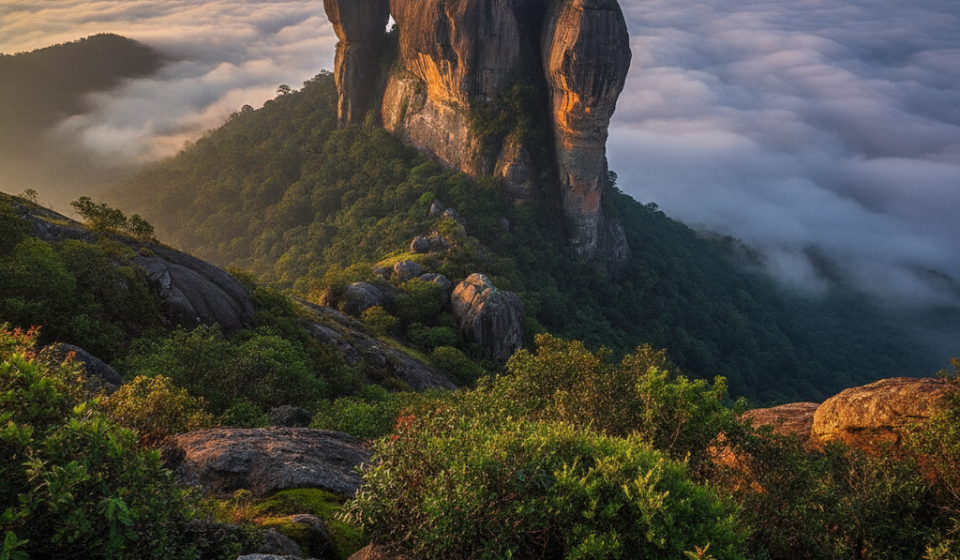
Rising abruptly from the rugged landscape of Kottayam, Illikkal Kallu stands as one of the most compelling natural formations in Kerala. This granite monolith, perched at an altitude of approximately 6,000 feet, offers panoramic views that stretch across the Western Ghats to the distant Arabian Sea. For travelers seeking a departure from conventional hill stations, this peak provides a stark, atmospheric beauty that feels removed from the modern world. Crafting a precise Illikkal Kallu travel guide requires understanding the specific logistics of this region, as the combination of high-altitude weather and restricted access points necessitates careful planning.
Key Takeaways:
- Altitude & Location: Approximately 6,000 feet above sea level, situated in the scenic Kottayam district of Kerala.
- Key Rock Formations: Comprises three distinct summits: Kuda Kallu, Koonu Kallu, and the main vertical peak.
- Optimal Travel Windows: The dry post-monsoon and winter months (November to February) yield the best visibility and conditions.
- Visitor Logistics: Access requires a drive to the base station at Teekoy, followed by a dedicated local shuttle service.
- Safety Alert: Because of sudden thick mist and lack of safety barriers, peak access is heavily restricted during strong winds or monsoons.
Understanding the Significance of Illikkal Kallu
Illikkal Kallu is not merely a single point of interest. It is a massive rock formation comprising three distinct summits, each possessing a unique shape. The primary peak, often called the main stone, is a massive vertical slab that appears to defy gravity. Local lore and geographical studies suggest this formation is a remnant of ancient tectonic activity that has been polished by centuries of monsoonal winds.
The geographical and ecological importance of the site includes several key aspects:
- Hydrological Source: Numerous streams feeding the Meenachil River originate from these high-altitude slopes.
- Ecosystem Diversity: The area offers a rare viewpoint to observe transitions from midland rubber and tea plantations to pristine high-altitude shola forests.
- Geological Origin: Tectonic history and continuous monsoonal erosion have carved out these unique granite structures.
- Kuda Kallu: A mushroom-shaped rock formation near the main peak.
- Koonu Kallu: A hump-shaped rock that offers significant vantage points for photographers.
- The Main Peak: The highest point, providing the iconic silhouette associated with the location.
Optimal Time to Visit
Timing your visit is critical when planning a trip to a peak prone to sudden weather shifts. The experience of standing atop the monolith changes drastically between seasons. While the winter months offer clarity, the monsoon season provides a dramatic, though often restricted, experience.
| Season | Conditions |
|---|---|
| Winter (November to February) | Best for visibility and hiking; cool and stable temperatures. |
| Summer (March to May) | Clear skies, though higher temperatures at lower elevations. |
| Monsoon (June to October) | High mist density; access is frequently restricted for safety. |
Most experienced travelers suggest visiting during the post-monsoon period in November. At this time, the surrounding valley remains lush, the air is crisp, and the likelihood of clear sky visibility at the summit is significantly higher.

Logistics and Accessibility
Getting to the base of the monolith requires navigating narrow, winding roads through the hilly terrain of the Kottayam district. The town of Teekoy serves as the primary gateway for those approaching from the plains. From Teekoy, the route to the base station involves a steep incline that tests both vehicle performance and driver capability.
To assist with your journey, here is a quick reference guide of the key visitor logistics for Illikkal Kallu:
| Operational Aspect | Details and Travel Advice |
|---|---|
| Opening Hours | 8:00 AM to 5:30 PM daily (subject to sudden closures during dense fog) |
| Entry Ticket Fee | Approximately INR 25 to INR 50 per adult |
| Shuttle Service Fee | Approximately INR 20 to INR 30 per passenger (round trip) |
| Parking Availability | Dedicated paid parking space is available at the base station |
Once you reach the designated parking area, a specialized shuttle service is often required to transport visitors closer to the peak. This transition is necessary because the final stretch of the road is rugged and maintained strictly for local transport and approved vehicles. Visitors should be prepared to pay a modest entry fee at the security checkpoint, which covers access to the managed viewing areas.
Safety is the primary constraint at Illikkal Kallu. Because the cliffs lack guardrails in many sections and the wind speeds can become extreme, authorities frequently prohibit access during heavy rainfall or dense fog.
Essential Preparation for the Journey
As this is a high-altitude location, visitors must prepare for conditions that differ sharply from the towns below:
- Fluctuating Temperatures: The weather at 6,000 feet is considerably cooler than the surrounding valleys.
- Wind Protection: Intense winds near the peak can trigger a sudden chill, so carrying a light jacket is highly recommended even during summer.
- Slippery Surfaces: High humidity and passing clouds make the pathways damp and slick.
Footwear is another vital consideration. While the path from the parking area to the summit is partially paved or developed, the terrain around the rocks remains uneven and slippery. High-grip footwear is necessary to manage the transitions between the concrete walkways and the natural rocky slopes.
Recommended Gear List
- Sturdy, closed-toe walking shoes with non-slip soles.
- Light windproof jacket or layers for fluctuating temperatures.
- Portable water supply and light energy snacks.
- A camera with a reliable lens cover (to protect against sudden mist moisture).
Safety and Environmental Considerations
Preserving the integrity of the ecosystem is a shared responsibility. The area around Illikkal Kallu is fragile, and the increased footfall has necessitated stricter management. Visitors are expected to adhere to all posted signage, especially regarding restricted zones where the drop is sheer and unprotected.
Waste management remains a significant issue at popular tourist spots in the Western Ghats. Please observe a strict carry-in, carry-out policy. Do not leave plastic, food waste, or other debris near the cliffs. The winds here are powerful, and any waste left behind is quickly dispersed into the surrounding, protected shola forests, creating long-term environmental hazards.

Conclusion
Illikkal Kallu offers a perspective on the Western Ghats that few other locations can provide. It is a place defined by its height, its isolation, and the dramatic interplay of clouds and stone. By respecting the logistical constraints, preparing for the volatile high-altitude weather, and adhering to safety protocols, visitors can safely enjoy one of Kerala’s most striking natural landmarks. A successful trip depends less on elaborate planning and more on a keen awareness of the environment, ensuring that the monolith remains accessible for those who appreciate its rugged, quiet majesty.