
India possesses an extraordinary natural heritage that few other destinations can rival. From the snow-capped Himalayan peaks to the tropical Western Ghats, the subcontinent offers shelter to some of the world’s most endangered animal species. For travelers seeking an immersive encounter with nature, the vast network of wildlife sanctuaries in india presents an unparalleled opportunity to observe these creatures in their natural habitats. Whether tracking the elusive Bengal tiger through deciduous forests or watching the prehistoric one-horned rhinoceros graze in marshy grasslands, each safari reveals a unique ecological story. To experience these wonders, planning your itinerary around the premier wildlife sanctuaries in india is essential. This comprehensive guide outlines the most outstanding conservation areas, detailing their unique wildlife populations, optimal seasonal windows, and practical tips to ensure your Indian wilderness journey is both seamless and profoundly memorable.
Key Takeaways for Your Indian Wildlife Adventure
- Unrivaled Biodiversity: India is home to over 7% of the world’s recorded species, protected across hundreds of diverse conservation reserves.
- Iconic Apex Predators: Key highlights include tracking the royal Bengal tiger, the prehistoric one-horned rhinoceros, and the rare Asiatic lion.
- Seasonal Operations: Most core zones of major wildlife sanctuaries in india close during the monsoon season (typically June to October).
- Advance Booking Crucial: Safari permits are highly restricted to minimize human impact and should be booked 3 to 4 months in advance.
- Customized Packages: Booking through dedicated platforms like TravelDham ensures guaranteed permits, naturalist guides, and seamless logistics.
The Rich Ecological Diversity of India
India’s geography creates a remarkable mosaic of ecosystems supporting an astonishing array of biodiversity. The country contains roughly 7% of all recorded species globally (depending on how marine micro-organisms are classified), despite occupying only 2.4% of the world’s land area. This concentration of life is protected within designated conservation zones, including national parks, biosphere reserves, and wildlife sanctuaries in india. These protected habitats stretch across distinct bio-geographic zones, from the arid desert ecosystems of Rajasthan to the humid, evergreen canopies of Assam.
Because of this varied terrain, the wildlife sanctuaries in india act as crucial refuges for unique species and ecosystems:
- Saline Flats of Gujarat: Shelter the last remaining population of the Indian wild ass (Khur).
- High-Altitude Valleys of Ladakh: Provide a rugged, cold-desert home for the elusive snow leopard.
- Wetlands & Migratory Flyways: Serve as vital seasonal havens for millions of birds migrating from Siberia and Central Asia.
Understanding these structural differences is the first step toward planning an impactful safari, as each sanctuary offers a highly specialized wilderness experience tailored to its specific climate.
Top Wildlife Sanctuaries in India for an Authentic Safari
While there are over 500 protected zones across the subcontinent, certain reserves stand out for their historic conservation success, quality of safari infrastructure, and sheer density of animal encounters. When evaluating the best wildlife sanctuaries in india, travelers must look beyond simple species checklists. It is crucial to consider the overall wilderness experience, from the expertise of local trackers to the visual beauty of the surrounding wilderness. Below, we examine the premier destinations that define the classic wildlife safari adventure.
Jim Corbett National Park: The Historic Tiger Territory
Established in 1936, Jim Corbett National Park holds the distinction of being India’s oldest national park, a premier tiger reserve, and the birthplace of Project Tiger. Located in the picturesque foothills of the Himalayas in Uttarakhand, this legendary reserve is characterized by its dramatic hilly topography, dense sal forests, and the winding Ramganga River. It remains a cornerstone among the most celebrated wildlife sanctuaries in india, drawing nature enthusiasts who wish to experience the raw beauty of the sub-Himalayan belt.
The park is divided into several distinct safari zones, such as Dhikala and Bijrani, each offering unique opportunities to observe the majestic Bengal tiger and herds of wild Asian elephants. Beyond these flagship species, Corbett provides a sanctuary for over 600 species of birds. For those seeking an organized and comfortable expedition, choosing customized Jim Corbett tour packages guarantees hassle-free safari permits and lodging in historic forest rest houses. This wilderness area beautifully combines rich conservation history with exceptional wildlife sightings.
Ranthambore National Park: Royal Ruins and Regal Predators
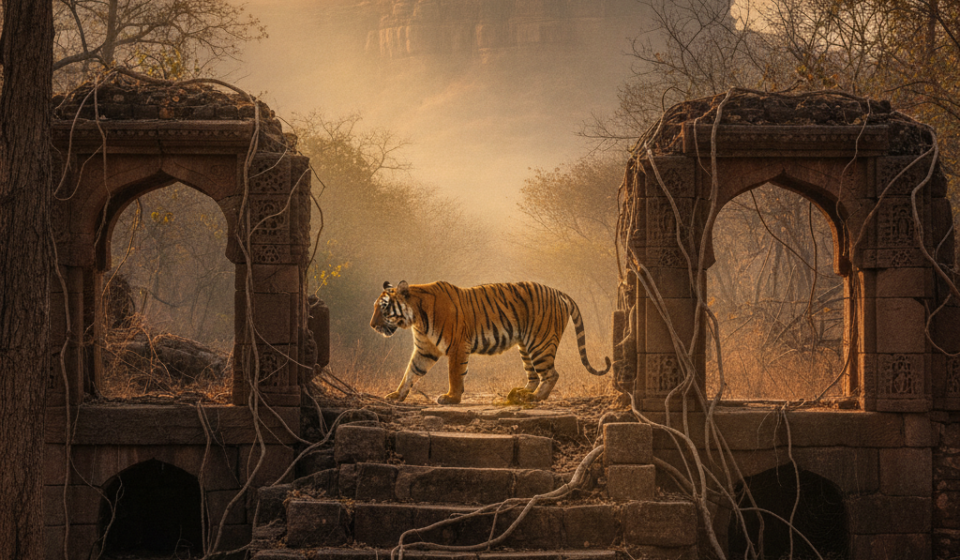
In the eastern part of Rajasthan, where the ancient Vindhya and Aravalli mountain ranges meet, lies Ranthambore National Park. This park is famous for its unique combination of natural wilderness and historical heritage, featuring a majestic 10th-century fortress that overlooks the forest. As one of the most visually stunning wildlife sanctuaries in india, Ranthambore offers photographers an incomparable backdrop of crumbling stone arches, stepwells, and ancient temple ruins, often with tigers resting nearby.
The dry deciduous forests make tracking the Bengal tiger relatively easy here compared to more humid, overgrown parks. Visitors can observe these apex predators stalking their prey near the picturesque Padam Talao lake. To ensure a premium travel experience with expert naturalist guides, exploring the curated Ranthambore holiday options is highly beneficial. The park represents a striking intersection of India’s royal past and its commitment to preserving vulnerable wild animal populations.
Kaziranga National Park: Home of the Great Indian One-Horned Rhinoceros
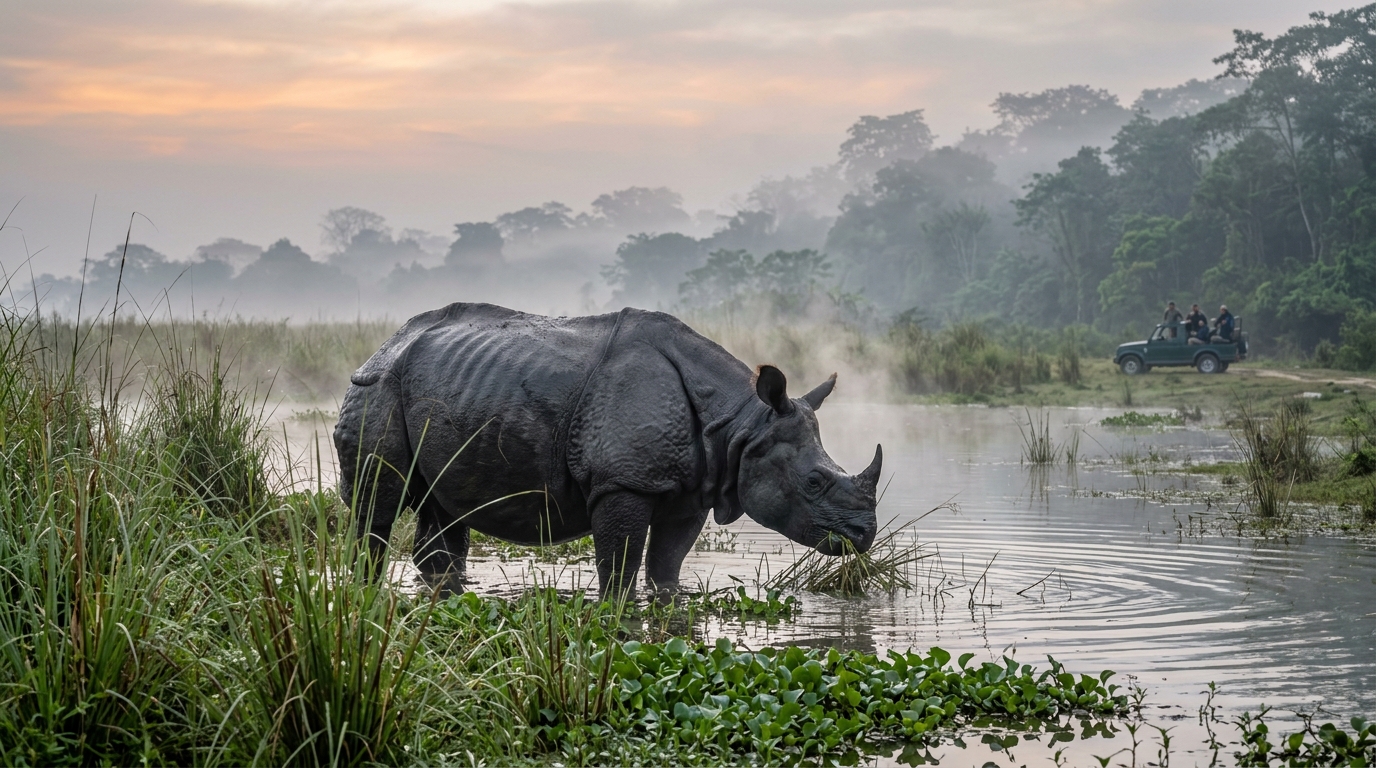
Situated along the fertile floodplains of the Brahmaputra River in Assam, Kaziranga National Park is a conservation success story of global significance. This UNESCO World Heritage Site is home to roughly two-thirds of the world’s population of the great Indian one-horned rhinoceros. Among the key wildlife sanctuaries in india, Kaziranga stands out for its unique tall elephant grass pastures, swampy lagoons, and dense broadleaf forests that support an incredibly dense concentration of large mammals.
In addition to its famous prehistoric rhinos, Kaziranga boasts a high density of Bengal tigers and shelters substantial populations of wild water buffalo, swamp deer, and Asian elephants. Exploring this vast wetland ecosystem is typically conducted via early morning elephant safaris or open-top jeep excursions across its major ranges. The marshy terrain provides a crucial habitat for endangered bird species. Travelers can experience these vibrant wetlands by securing customized Kaziranga travel arrangements designed to showcase the best of Northeast India’s unique biodiversity.
Gir National Park: The Last Refuge of the Asiatic Lion
For travelers interested in observing species found nowhere else, Gir National Park in Gujarat is an indispensable destination. It is the sole remaining natural habitat of the Asiatic lion, a species that once roamed widely across Western Asia but was pushed to the brink of extinction by the early 20th century. Today, Gir is celebrated as one of the most crucial wildlife sanctuaries in india, showcasing how dedicated community-based conservation and strict habitat protection can successfully revive an endangered predator population.
The rugged, dry deciduous forests of Gir provide the perfect habitat for these social big cats, which are physically distinct from their African counterparts due to a fold of skin running along their bellies. A safari in Gir also offers opportunities to spot leopards, striped hyenas, and over 300 bird species. Opting for professional Gir forest safari packages ensures travelers secure the mandatory entry permits and can traverse the park with skilled local trackers.
Bandhavgarh National Park: Ancient Fortresses and High Tiger Density
Nestled in the Vindhya Hills of Madhya Pradesh, Bandhavgarh National Park is famous for having one of the highest densities of royal Bengal tigers in the country. The park’s core area is dominated by a sheer sandstone hill topped by the ancient ruins of Bandhavgarh Fort, which adds a dramatic sense of history to the pristine wilderness below. This unique park ranks high among the premier wildlife sanctuaries in india, particularly for travelers whose primary objective is witnessing a tiger in its natural habitat.
The compact size of Bandhavgarh’s tourism zones, combined with its open sal forests, translates to exceptionally high-quality wildlife sightings. Tigers here are accustomed to safari vehicles, allowing for intimate observations of their daily routines. To make the most of this prime big-cat territory, arranging your journey through Bandhavgarh travel services helps manage the strict regional zone allocations and secures the services of elite naturalists who bring the forest’s ecology to life.
Kanha National Park: The Inspiration Behind The Jungle Book
Widely regarded as one of India’s most scenic and well-managed reserves, Kanha National Park in Madhya Pradesh offers a classic safari experience of vast proportions. The park is characterized by its sweeping bamboo forests, open meadows, and pristine streams that inspired Rudyard Kipling’s famous literary masterpiece, *The Jungle Book*. Within the vast network of wildlife sanctuaries in india, Kanha is celebrated not only for its healthy tiger population but also for saving the southern swamp deer (Barasingha) from extinction through pioneering habitat management.
The park’s large, open meadows provide spectacular visibility, making it an excellent location to observe diverse herbivore herds, including gaur, barking deer, and sambar, which in turn attract top predators like tigers and leopards. To experience this pristine woodland paradise, booking tailored Kanha wildlife tours ensures access to premium lodges and multiple daily safaris across the park’s most productive zones.
Keoladeo National Park (Bharatpur Bird Sanctuary): A Haven for Avian Enthusiasts
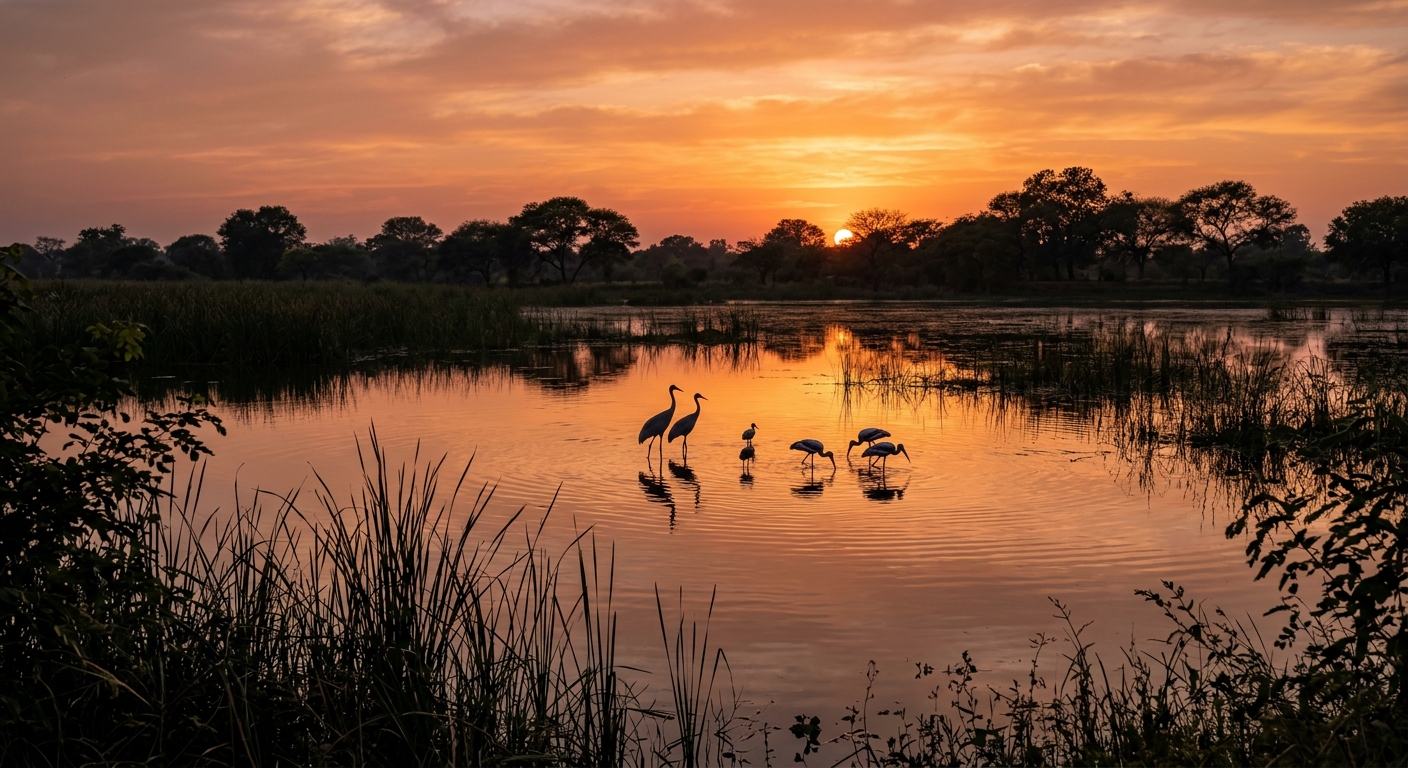
Unlike the vast forest reserves dominated by large mammals, Keoladeo National Park, formerly known as the Bharatpur Bird Sanctuary, is a compact wetland reserve in Rajasthan that offers a completely different wildlife experience. This UNESCO World Heritage Site is an engineered wetland system that acts as a vital feeding and breeding ground for thousands of resident and migratory waterbirds. It holds a unique position among the bird-focused wildlife sanctuaries in india, attracting ornithologists and photographers from around the globe.
During the winter months, Keoladeo hosts thousands of migratory birds, including rare species of ducks, geese, and storks, which travel along the Central Asian Flyway. What makes this sanctuary particularly charming is that motorized vehicles are prohibited inside the core area, allowing visitors to explore the paved trails via bicycle or cycle-rickshaws driven by trained local guides. Planning a winter excursion to this avian wonderland can be seamlessly integrated into broader regional itineraries by choosing customized Bharatpur travel options.
Comparing the Best Wildlife Safaris in India
To help travelers determine which of the many wildlife sanctuaries in india best aligns with their personal interests and travel schedules, comparing key parameters is highly useful. Each reserve possesses unique geographical features, primary animal populations, and operational seasons that influence the safari experience.
The following comprehensive table outlines the distinct attributes of India’s premier conservation zones:
| Sanctuary Name & Location | Primary Wildlife Highlights | Best Time to Visit | Primary Habitat Type |
|---|---|---|---|
| Jim Corbett National Park (Uttarakhand) | Bengal Tiger, Asian Elephant, Gharial, Over 600 Bird Species | November to May | Hilly terrain, sal forests, Ramganga river valley |
| Ranthambore National Park (Rajasthan) | Bengal Tiger, Leopard, Sloth Bear, Striped Hyena | October to June | Dry deciduous forests, ancient fortress ruins, lakes |
| Kaziranga National Park (Assam) | One-Horned Rhinoceros, Wild Water Buffalo, Asian Elephant | November to April | Tall elephant grass, marshy floodplains, wet forests |
| Gir National Park (Gujarat) | Asiatic Lion, Leopard, Chousingha, Mugger Crocodile | December to March | Rugged scrubland, dry teak forests, rocky hills |
| Bandhavgarh National Park (Madhya Pradesh) | Bengal Tiger, Sloth Bear, Gaur, Barking Deer | October to June | Sandstone cliffs, ancient fort, dense sal woodlands |
| Kanha National Park (Madhya Pradesh) | Bengal Tiger, Barasingha (Swamp Deer), Leopard, Dhole | October to June | Grassy meadows, bamboo forests, pristine streams |
| Keoladeo National Park (Rajasthan) | Sarus Crane, Painted Stork, Migratory Waterfowl, Pythons | October to March | Man-made wetlands, woodlands, shallow swamps |
Choosing the right destination among the prominent wildlife sanctuaries in india involves balancing your visual expectations with practical travel logistics. For instance, the central Indian parks like Kanha and Bandhavgarh offer excellent visibility due to their open meadows, which is ideal for wildlife photography. On the other hand, the northeastern wetland environments of the wildlife sanctuaries in india, such as Kaziranga, present a lush, verdant backdrop that feels incredibly wild but can make tracking smaller animals more challenging due to the tall elephant grass. Regardless of which reserve you choose, each of these wildlife sanctuaries in india offers an authentic encounter with some of the planet’s most majestic and endangered species.
Planning Your Indian Wildlife Safari: Practical Considerations
Embarking on an expedition to the premier wildlife sanctuaries in india requires meticulous preparation and an understanding of local administrative protocols. Unlike self-drive safaris common in parts of Southern Africa, safaris within the major wildlife sanctuaries in india are strictly regulated by the state forest departments to minimize human impact on the delicate ecosystems. This structured approach ensures both visitor safety and animal welfare, but it also means that spontaneous travel can be highly difficult.
Best Time to Visit Wildlife Sanctuaries in India
The operating calendars of most wildlife sanctuaries in india are dictated by the seasonal monsoon rains. Typically, the majority of the forest reserves in central and northern India close their core zones to visitors from late June to mid-October, when heavy rains wash away forest tracks and mark the prime breeding season for many species. Consequently, understanding the best time to visit is crucial, and the optimal window to plan a safari to the prominent wildlife sanctuaries in india is between November and May.
Planning your visit depends heavily on your specific wildlife viewing goals:
- Winter Season (December to January): Offers exceptionally pleasant weather, crisp mornings, and outstanding birdwatching opportunities, though denser foliage can make big cats harder to spot.
- Spring Season (February to March): Provides a perfect balance of comfortable temperatures, thinning deciduous forests, and increasing mammal activity.
- Summer Season (April to May): Characterized by high temperatures and dry conditions. This is the absolute best time for tiger sightings, as animals gather around shrinking waterholes.
Essential Booking Tips and Permit Guidelines
Securing safari permits is the most critical step in planning a successful journey to the top wildlife sanctuaries in india. The forest departments limit the number of vehicles allowed inside each zone during the morning and afternoon shifts to prevent overcrowding. For popular parks, permits for the core zones can sell out months in advance, making spontaneous booking almost impossible. To avoid disappointment, completing your safari booking early is crucial. Travelers should finalize their plans at least three to four months before their intended visit to guarantee access to the most productive zones within the chosen wildlife sanctuaries in india.
| Requirement Type | Details & Guidelines | Recommended Timeline |
|---|---|---|
| Core Zone Permits | Limited vehicles allowed per shift; booked via official state forest department portals. | 90–120 days prior to travel |
| Identification Documents | Passport (for international travelers) or Aadhaar Card/PAN Card (for Indian residents). Must match permit details exactly. | Required at the time of booking |
| Safari Vehicle Type | Open-top 4×4 Gypsies (private/shared) or larger Canters (shared buses). Gypsies offer better flexibility and photography angles. | Booked along with entry permits |
| Essential Packing Gear | Neutral-colored clothing (khaki, olive green), high-ratio binoculars, dust covers for cameras, and sunglasses. | Prepare prior to departure |
When booking your safari in any of the major wildlife sanctuaries in india, it is essential to have valid government-issued identification, such as a passport for international visitors or an Aadhaar card for Indian residents, as these details are printed directly on the entry permits and verified at the park gates. Working with an experienced travel provider simplifies this entire administrative process, ensuring that your vehicle permits, expert naturalist guides, and accommodations are perfectly coordinated. Additionally, visitors should always pack neutral-colored clothing, high-quality binoculars, and dust protection for their camera equipment, as the unpaved forest tracks inside the wildlife sanctuaries in india can become extremely dusty during the dry season.
Conclusion
India’s diverse natural heritage offers an unparalleled collection of experiences for wildlife enthusiasts and conscious travelers alike. By visiting the magnificent wildlife sanctuaries in india, you directly support crucial conservation initiatives that protect some of the world’s most vulnerable species and their threatened habitats. From the sub-Himalayan forests of Jim Corbett to the tranquil wetlands of Keoladeo, each reserve provides a profound and humbling window into the raw complexity of the natural world. Planning such a journey requires careful foresight, but the reward of witnessing a Bengal tiger in the morning mist or an Asiatic lion under the dry Gujarat sun is truly incomparable. As you prepare to embark on your next wilderness adventure, partnering with a dedicated travel expert like TravelDham ensures a seamlessly organized, enriching, and responsible exploration of the extraordinary wildlife sanctuaries in india.