


Planning a trip to Southeast Asia requires precise timing and logistics, especially when attempting to cover the highlights of a diverse nation in a single week. A well-structured Vietnam itinerary 7 days allows travellers to experience the contrast between the bustling urban energy of the north and the serene beauty of the central coast. Success in this region depends heavily on managing travel time between major hubs, as geography dictates the pace of the journey.
Key Takeaways for Your 7-Day Vietnam Itinerary
- Optimal Route: Flying into Hanoi (North) and out of Da Nang (Central) maximizes sightseeing time and eliminates backtracking.
- Entry Requirements: Indian passport holders must apply for an E-visa online, which takes 3-5 business days.
- Best Travel Window: Plan your trip between February and May to get the most balanced weather across both North and Central regions.
- Connectivity: Direct flights from Delhi, Mumbai, and other Indian hubs to Hanoi and Ho Chi Minh City make transit seamless in 2026.
- Currency: Carry Vietnamese Dong (VND) for local street food markets and small vendors, as cash is widely preferred.
Best Time to Visit Vietnam
Vietnam experiences varied micro-climates due to its elongated shape. Selecting the right window for travel ensures pleasant conditions for outdoor exploration. Most travellers prefer the cooler, drier months for optimal sightseeing.
- North Vietnam: The ideal period spans from September to November and March to April, when humidity levels remain manageable.
- Central Vietnam: Optimal weather occurs from February to May. This avoids the heavy typhoon season that impacts the coast later in the year.
- South Vietnam: The dry season runs from December through April, providing consistent sunshine for city tours and delta excursions.
As of July 2026, air connectivity from major Indian cities like New Delhi and Mumbai to Hanoi and Ho Chi Minh City has improved significantly. Direct flights reduce fatigue, providing more time for active exploration on the ground.
| Departure City (India) | Destination City (Vietnam) | Average Flight Duration | Approx. Frequency |
|---|---|---|---|
| New Delhi (DEL) | Hanoi (HAN) / Ho Chi Minh City (SGN) | 4 to 4.5 hours | Daily flights |
| Mumbai (BOM) | Hanoi (HAN) / Ho Chi Minh City (SGN) | 4.5 to 5 hours | Daily flights |
| Kolkata (CCU) | Hanoi (HAN) | 3 hours | 3-4 times weekly |
| Ahmedabad (AMD) | Da Nang (DAD) / Hanoi (HAN) | 4.5 hours | Bi-weekly flights |
Essential Visa Information for Indian Citizens
Navigating entry requirements is the first step in preparing a Vietnam itinerary 7 days. Indian passport holders must secure appropriate documentation before departure to avoid issues at immigration checkpoints.
| Visa Type | Application Method | Processing Time |
|---|---|---|
| E-Visa | Official Government Portal | 3 to 5 business days |
| Visa on Arrival | Requires Pre-approved Letter | Varies by agency |
The E-visa remains the most reliable method for most Indian travellers. It allows for a stay of up to 90 days. Ensure that passport validity extends at least 6 months beyond the intended return date to meet regulatory standards.
7-Day Vietnam Itinerary Overview
This route focuses on a balance of cultural depth and natural wonders. It assumes arrival in Hanoi and departure from Da Nang, which saves valuable transit time compared to a round trip.
- Day 1: Arrival in Hanoi and exploration of the Old Quarter.
- Day 2: Full-day excursion to Ha Long Bay.
- Day 3: Morning in Hanoi, afternoon flight to Da Nang.
- Day 4: Discovering Hoi An Ancient Town.
- Day 5: Ba Na Hills and Golden Bridge.
- Day 6: Relaxation in Hoi An or a My Son Sanctuary tour.
- Day 7: Final morning in Hoi An and departure from Da Nang.
Day 1: Arrival and Immersion in Hanoi
Hanoi functions as the cultural heart of the nation. The Old Quarter provides an immediate introduction to local life. It is best to walk the narrow streets to observe the synthesis of French colonial architecture and traditional Vietnamese commerce.
The Temple of Literature serves as a testament to the country’s long-standing dedication to education and scholarly pursuits. It remains a mandatory stop for any visitor seeking to understand the national character.
To fully experience Hanoi on your first afternoon and evening, consider these highly recommended activities:
- Stroll Hoan Kiem Lake: Explore the peaceful area around the lake, which offers a much-needed reprieve from the dense traffic of the surrounding districts.
- Visit Ngoc Son Temple: Located on a small island in Hoan Kiem Lake, accessible via the iconic red Huc Bridge.
- Take an Evening Street Food Tour: Dive into authentic northern flavours by trying local culinary specialties like Bun Cha (grilled pork with noodles) and Egg Coffee.
Day 2: The Splendour of Ha Long Bay
A cruise through Ha Long Bay is an essential component of a Vietnam itinerary 7 days. Most reputable operators offer transfers from Hanoi, covering the 160-kilometre distance in roughly 2.5 to 3 hours.
- Cave Exploration: Many cruises include guided walks through massive limestone caverns like Sung Sot Cave.
- Kayaking: Exploring the karst formations at water level provides a different perspective on the geological scale of the bay.
- Scenic Decks: The primary value lies in the slow navigation through thousands of limestone pillars rising from the emerald water.
Return to Hanoi by evening to prepare for the flight to Central Vietnam. Early booking is advised as boat capacity is strictly regulated by maritime authorities.
Day 3: Transitioning to the Central Coast
Travel from Hanoi to Da Nang takes approximately 80 minutes by air. This transition shifts the focus from the historic north to the vibrant, coastal-influenced culture of the central region.
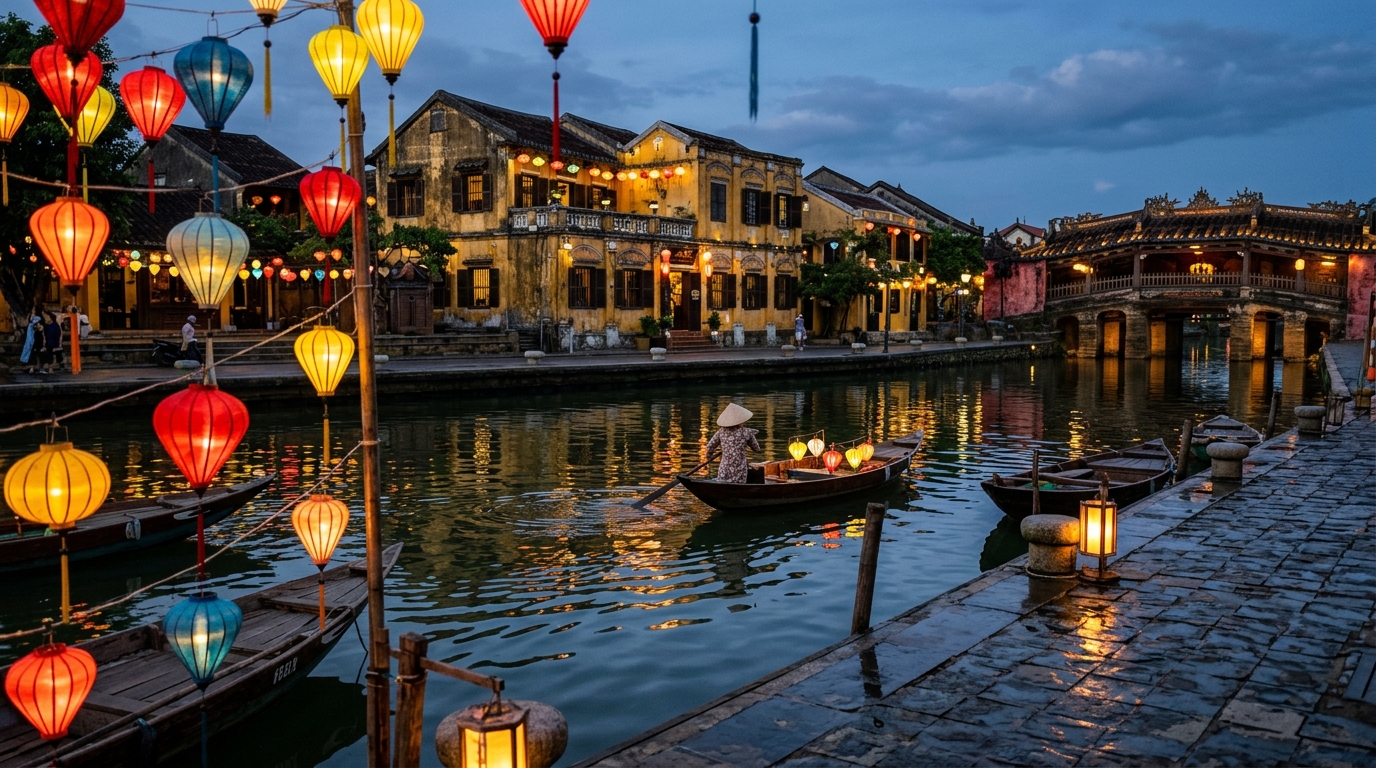
Upon arrival in Da Nang, proceed directly to Hoi An. This UNESCO World Heritage site is located roughly 30 kilometres south of the airport. The transformation from a modern city to the tranquil, lantern-lit streets of Hoi An is striking. Check into a riverside hotel to maximize proximity to the central market area.
Exploring Hoi An Ancient Town
Hoi An is best experienced on foot or by bicycle. The town retains a distinctive atmosphere created by centuries of trade between local merchants, Japanese settlers, and Chinese traders. This history is visible in the architecture of the preserved shophouses.
Points of interest include the Japanese Covered Bridge and the various assembly halls. In the evening, the town transforms as thousands of silk lanterns are illuminated along the Thu Bon River. It is a visually arresting sight that requires no specific agenda beyond wandering the pedestrian-friendly streets.
Day 5: Ba Na Hills and the Golden Bridge
The Ba Na Hills resort complex offers a unique mountain experience. Accessible via an extensive cable car system, the peak features the famous Golden Bridge, supported by two massive stone-carved hands.
To make the most of your Ba Na Hills excursion, keep these key points in mind:
- Time Allocation: Plan to spend at least 5 hours on-site to fully explore the vast resort complex.
- Key Attractions: Beyond the Golden Bridge, explore the French-style gardens, the alpine coaster, the wax museum, and the indoor Fantasy Park amusement facilities.
- Timing Strategy: Crowds peak around midday; arriving early in the morning (by 7:30 AM) ensures the best photo opportunities with minimal obstruction.
Day 6: Culture and Relaxation
Dedicate the sixth day to either deeper cultural exploration or coastal leisure. A morning trip to My Son Sanctuary offers a look at Champa Kingdom ruins, which date back to the 4th century. The site provides a significant contrast to the more recent colonial structures found elsewhere.
Alternatively, Cua Dai Beach provides a space for relaxation. Hoi An is also famous for its tailor shops, where custom clothing can be commissioned and completed within 24 to 48 hours. This offers a personalized souvenir of the journey.
Departure
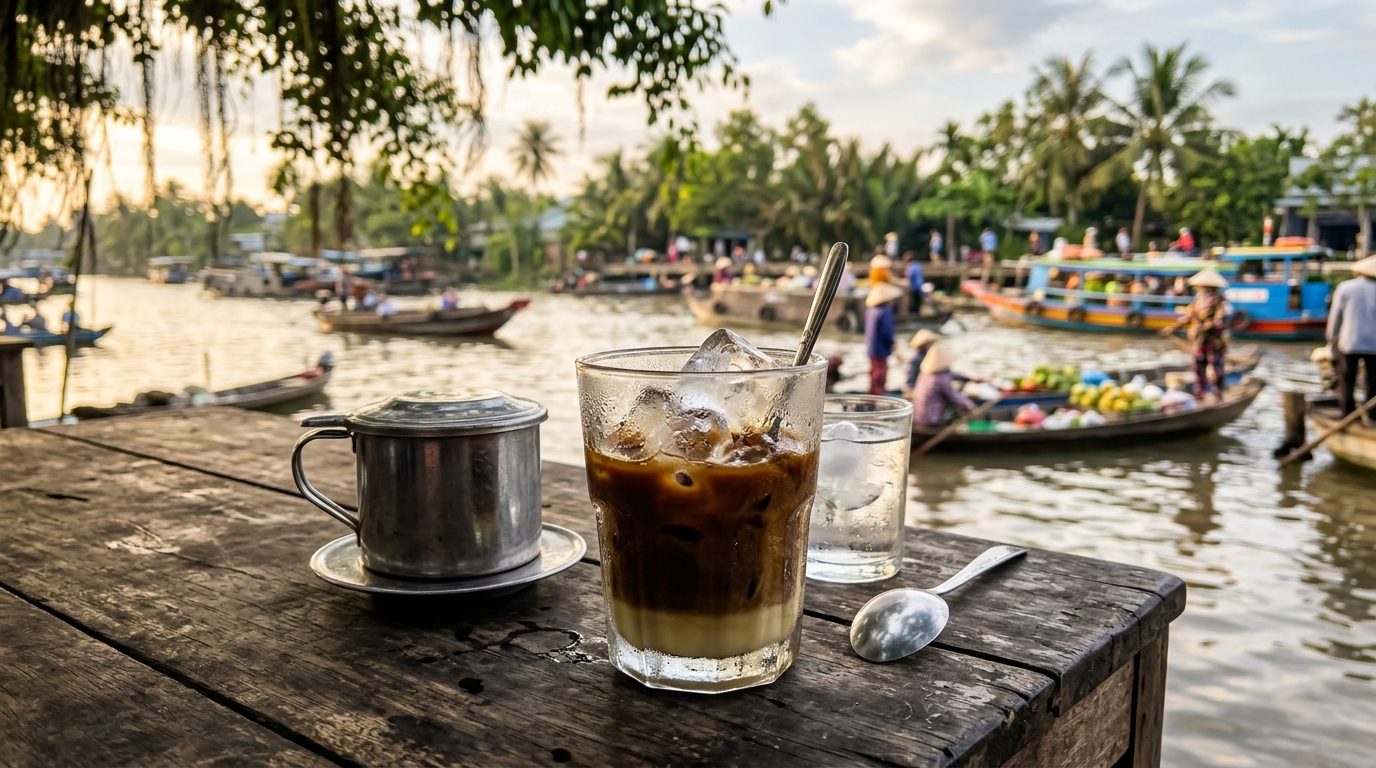
The final morning in Hoi An is ideal for a coffee by the river. Many visitors find the local Vietnamese drip coffee (Ca Phe Sua Da) to be a highlight of their culinary experience. Plan for a 45-minute transfer to Da Nang International Airport to ensure a stress-free departure. If your departure flight is scheduled for the evening, leave luggage at the hotel and take a final walk through the morning markets before heading to the terminal.
FAQs
Is 7 days enough for Vietnam?
Seven days is sufficient to see the highlights of the North and Central regions. It requires focused travel, but it effectively captures the essence of the country for first-time visitors.
What is the currency used in Vietnam?
The Vietnamese Dong (VND) is the official currency. While some high-end hotels accept international credit cards, carrying cash is essential for smaller vendors and market purchases.
Do I need travel insurance?
Securing comprehensive travel insurance is strongly advised. It provides protection against flight cancellations, medical emergencies, or lost luggage during your Vietnam itinerary 7 days.
Is it easy to find vegetarian food?
Vietnam is very accommodating for vegetarian and vegan diets. Many traditional dishes use tofu, mushrooms, and seasonal vegetables as core ingredients. You can find more information about travel planning on our services page to ensure a smooth trip.
Conclusion
Executing a Vietnam itinerary 7 days requires careful planning and efficient transit. By focusing on the northern culture of Hanoi and the historical charm of the central coast, travellers gain a comprehensive view of the nation’s character. Whether visiting for the architecture, the culinary scene, or the natural beauty of the bays, this seven-day window provides a rewarding and memorable experience. For those seeking professional assistance in coordinating these logistics, further details are available on our services page to help refine your travel plans.