
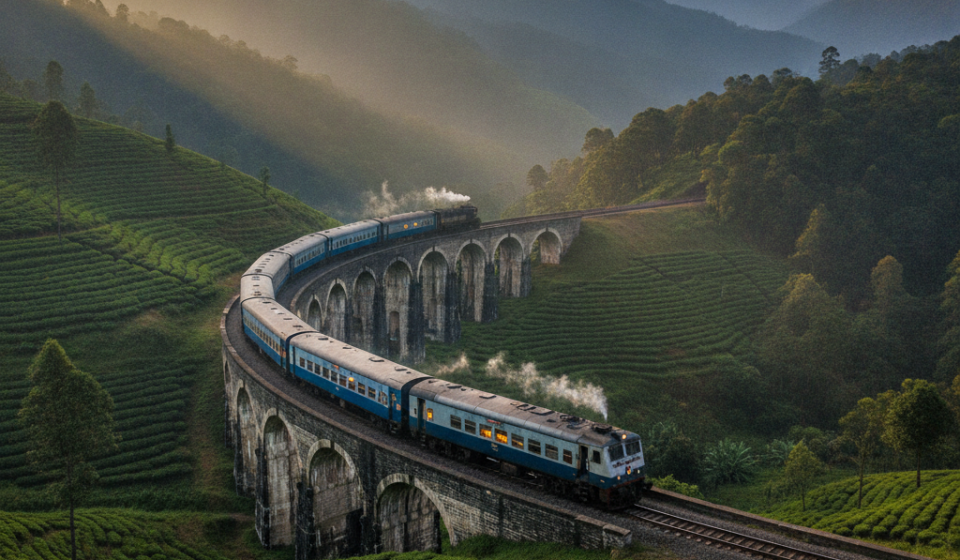
Essential Tips for Train Travel in India: Mastering Routes, Bookings & Overnight Journeys

Crossing the subcontinent by rail is one of the most remarkable journeys in modern transit. Over twenty-three million passengers travel daily on a network that links historic capitals, and remote coastal villages. Mountain stations come later in the route hierarchy but offer spectacular vistas. This massive system offers an authentic window into the geography and culture of the region, yet its sheer scale often overwhelms first-time visitors. Dealing with the ticketing system, choosing the correct booking class, and managing the logistics of multi-day routes require deep planning. This detailed guide offers professional train travel in India tips to help global passengers manage their schedules, bookings, and overnight journeys with confidence.
Key Takeaways
- Book in Advance: Secure AC classes months ahead, especially for peak seasons and popular routes.
- Check Station Codes: Verify the exact station code (like NDLS vs. NZM in Delhi) to avoid missing departures.
- Choose Comfort: Use air-conditioned classes (1A, 2A, or 3A) for long-distance overnight journeys.
- Navigate Quotas Wisely: Take advantage of Foreign Tourist Quota (FTQ) or Tatkal for last-minute bookings.
- Stay Safe & Hydrated: Use e-Catering for hygienic food and carry sealed bottled water.
Understanding the Indian Railways Network
Operating under the state-owned enterprise, Indian Railways, this rail system is the fourth-largest national railway network in the world by size. It manages roughly 68,000 route kilometers (depending on how recently tracked regional line expansions are counted). For travelers, this vast expanse is organized into multiple administrative zones, which can make understanding route schedules somewhat challenging. It is a highly centralized system, yet local variations in station operations remain prominent. When searching for train travel in India tips, understanding this structural complexity is the first critical step.
The network operates several types of trains, categorized by speed, comfort, and stop frequency:
- Premium Express (e.g., Vande Bharat, Rajdhani, Shatabdi): Top priority on the network, clean carriages, faster schedules, fewer stops, and generally high punctuality.
- Superfast & Express: Standard long-distance trains connecting major hubs, reliable but subject to minor operational delays.
- Regional & Passenger Trains: Slower routes that stop at minor stations, prone to significant delays but offering unmatched scenic views of rural India.
Broad Structure of the Network
The network serves as the country’s primary long-distance transit system, connecting megacities with remote administrative outposts. For international travelers seeking train travel in India tips, focusing almost exclusively on premium express trains is the standard recommendation. These premium trains offer cleaner carriages, faster schedules, and fewer intermediate stops, which simplifies the journey. It is basically a structured pricing system that often includes onboard catering. For example, a journey on the Shatabdi Express generally includes meals served directly to the seat. The cost is built into the ticket price. Knowing these differences prevents unexpected hunger during long-distance transits. These distinctions highlight the importance of research and gathering reliable train travel in India tips when planning rail itineraries.
| Train Category | Approx. Speed | Onboard Catering | Best For |
|---|---|---|---|
| Vande Bharat Express | 130–160 km/h | Included / Optional (Premium) | Business & fast daytime travel |
| Rajdhani Express | 120–130 km/h | Included in ticket | Comfortable overnight interstate travel |
| Shatabdi Express | 110–130 km/h | Included in ticket | Daytime intercity express routes |
| Mail / Express Trains | 80–110 km/h | Pantry car / e-Catering available | Budget-conscious long-distance travelers |
Managing Major Rail Hubs
Major cities in India often feature multiple terminal stations, which is a common source of confusion for international arrivals. In Delhi, for instance, trains depart from several key hubs:
- New Delhi (NDLS): Located near the city center, busiest station.
- Old Delhi (DLI): Historic hub handling northern and western-bound trains.
- Hazrat Nizamuddin (NZM): Gateway for southern-bound and premium trains like Gatimaan.
- Anand Vihar (ANVT): Modern terminal serving eastern routes.
If a traveler books a ticket departing from Hazrat Nizamuddin but mistakenly arrives at New Delhi, they will almost certainly miss their departure due to metropolitan traffic. This is a crucial element of train travel in India tips: always verify the exact station code printed on your ticket. Station layouts can be confusing, but following local train travel in India tips can help passengers locate their boarding platform quickly. When utilizing these hubs, passengers must remain highly observant of display boards to track platform alterations.

Selecting the Right Ticket Class for Your Journey
Selecting the appropriate carriage class is arguably the most decisive factor in determining the comfort of a long-distance rail journey. The Indian Railways offers an extensive array of travel classes, ranging from air-conditioned private compartments to unreserved benches. For many travelers, the choices can seem confusing, but they are highly standardized across most long-distance routes. When researching train travel in India tips, understanding the physical configuration and social atmosphere of each class is vital. The class of travel does not merely dictate comfort; it also influences personal safety, space for luggage, and the overall pace of the journey. Below is a comprehensive comparison of the primary reservation classes.
| Class Code | Class Name | AC Status | Berth Configuration | Ideal For |
|---|---|---|---|---|
| 1A | First Class AC | Air Conditioned | Lockable 2-berth or 4-berth coupes | Couples and premium travelers seeking maximum privacy |
| 2A | Two-Tier AC | Air Conditioned | 4 berths per compartment + 2 side berths | Comfortable overnight travel with moderate privacy |
| 3A | Three-Tier AC | Air Conditioned | 6 berths per compartment + 2 side berths | Budget-conscious long-distance travelers |
| CC | AC Chair Car | Air Conditioned | 3×2 seated arrangement | Short-distance daytime journeys under six hours |
| SL | Sleeper Class | Non-AC | 6 berths per compartment + 2 side berths | Backpackers seeking cultural immersion on a budget |
This structural breakdown illustrates that comfort levels scale directly with ticket prices. For journeys lasting longer than twelve hours, booking an air-conditioned class is highly recommended to avoid intense heat. Let us analyze the specific characteristics of these classes in greater detail.
Executive and First AC (1A) Classes
First Class AC (1A) offers the highest tier of luxury on Indian Railways. Carriages feature lockable compartments with either two berths (coupes) or four berths (cabins), providing an unmatched level of security and quiet (a key consideration for light sleepers). For those seeking premium train travel in India tips, 1A is the definitive choice for families prioritizing personal space. However, tickets are limited and must be booked months in advance. Attendants offer regional delicacies on request. But still, the price can sometimes equal a domestic flight. For a comfortable journey to destinations like Jaipur, First AC ensures an unparalleled level of relaxation.
Two-Tier AC (2A) and Three-Tier AC (3A) Classes
Two-Tier AC (2A) and Three-Tier AC (3A) represent the workhorses of long-distance comfortable travel. In 2A, compartments are spacious, featuring only four berths along with two side berths across the aisle. This class includes privacy curtains for each berth, which are absent in lower classes. In 3A, the compartments are slightly more crowded, with six berths plus two side berths. When compiling train travel in India tips, experienced travelers often suggest booking 2A over 3A for overnight journeys if budget permits, due to the increased headroom and lack of a middle berth. In 3A, the middle berth must be folded down during the day, requiring some social diplomacy and flexibility.
Sleeper Class (SL) and Second Class (2S)
Sleeper Class (SL) is the most common way locals travel. Carriages are non-AC with open windows. It is basically an open-air environment that lets in dust and noise. During summer, temperatures can become exceptionally high, though ceiling fans provide some relief. For budget travelers seeking cultural immersion, Sleeper Class offers an energetic atmosphere. Critics say this class is too chaotic for international tourists. They are not entirely wrong – but they underestimate how a daytime journey can reveal the warm character of local hospitality. However, for those seeking practical train travel in India tips, Sleeper Class is not recommended during peak summer. Second Class consists of reserved non-AC seating.
Master the Reservation System: Apps, Waitlists, and Quotas
Understanding the booking architecture of Indian Railways is a skill that requires patience and precise planning. The reservation system is highly digitalized, but the high demand for tickets means that many popular trains sell out within minutes of bookings opening. For international visitors, the registration process on the official website can be somewhat complicated due to payment gateway restrictions. Implementing structured train travel in India tips regarding the reservation system is essential to securing your desired itinerary.
Utilizing IRCTC and Authorized Ticketing Platforms
The Indian Railway Catering and Tourism Corporation (IRCTC) handles online ticket sales. To book directly, users must register an account on the IRCTC portal. International travelers pay a small registration fee (roughly 120 Indian Rupees, depending on currency conversion rates) to verify their mobile numbers. Many travelers rely on online forums to share train travel in India tips regarding which digital booking apps work best. For those who find the IRCTC interface cumbersome, utilizing authorized third-party platforms like 12Go is a highly recommended alternative. One of the most critical train travel in India tips is to complete this registration several weeks before your scheduled travel date.
Decoding the Waitlist System: WL, RAC, and GNWL
Understanding waitlist terminology is crucial, as Indian Railways frequently sells tickets even after all physical seats have been allocated. This is known as the waitlist system. When booking, you may see statuses such as GNWL (General Waitlist), RAC (Reservation Against Cancellation), or WL (Waitlist). To simplify this, we can define the core states:
- RAC (Reservation Against Cancellation): Guarantees boarding, but you share a sleeper berth. The lower berth is converted into two seats. RAC tickets automatically upgrade as cancellations occur.
- WL (Waitlist): Does not permit boarding. If it remains on the Waitlist after chart preparation, it is automatically cancelled and refunded.
Monitoring PNR status online is the best way to track progress. This is arguably one of the most vital train travel in India tips for those who have secured waitlisted tickets close to departure.
Utilizing Special Quotas: Tatkal, Foreign Tourist, and Senior Citizen
To accommodate diverse travelers, Indian Railways maintains several reservation quotas that bypass the standard waitlist. The most famous is the Tatkal quota, designed for urgent, last-minute travel. Tatkal tickets open for booking daily exactly one day prior to departure and sell out within seconds, requiring a stable internet connection. For global explorers, the Foreign Tourist Quota (FTQ) is an invaluable resource. This quota reserves a specific number of berths on major trains for international visitors, allowing bookings even when the general quota is waitlisted. Utilizing this quota is one of the top train travel in India tips for securing last-minute seats on highly popular routes.
Crucial Strategies for Planning Routes and Timings
Planning a rail journey in India is not merely about finding a train that connects two cities. It is about understanding the operational environment. The vast geography means that journeys can easily span over thirty hours, crossing multiple state lines. To ensure a pleasant journey, passengers must analyze train schedules with a critical eye, focusing on travel times and arrival windows. This section covers key train travel in India tips regarding route planning.
Balancing Travel Time Against Flight Connections
It is highly risky to schedule a train arrival close to a domestic or international flight departure. Even with modern tracking systems, delays can accumulate over long distances. If your flight departs from Delhi, plan to arrive in the city via train at least twelve hours prior, or ideally, the previous evening. This safety margin protects your travel plans from unexpected track maintenance or seasonal fog, which frequently affects northern routes during winter. One of the most valuable train travel in India tips is to treat train transit and air travel as entirely separate segments of your itinerary.
Factoring Buffer Time for Frequent Delays
While premium express trains maintain excellent punctuality rates, long-distance mail trains are often delayed by several hours. This is especially true on crowded routes passing through central and eastern India. When planning complex itineraries that involve multiple train transfers, always incorporate a generous buffer. Avoid booking connections with less than three hours of transition time. Therefore, incorporating buffer time remains one of the most standard train travel in India tips for a stress-free travel experience.
Practical Tips for a Safe and Comfortable Overnight Journey
Overnight train journeys are a classic Indian experience, offering a unique blend of adventure and relaxation. However, spending twelve hours in a shared compartment requires specific preparation. From securing your luggage to choosing the right clothing, minor details can greatly affect your sleep quality. These practical train travel in India tips will help you enjoy a peaceful and secure night on the rails.
Managing Personal Belongings and Safety on Board
Safety is a primary concern for any traveler, and simple precautions can eliminate most risks. Always keep your passport, money, and electronics in a small daypack that stays next to your body, preferably under your pillow. For larger luggage, use a combination lock and chain to secure your bags to the metal loops provided beneath the lower berths. This practice prevents opportunistic theft while you sleep. Securing your valuable items is highlighted in almost all train travel in India tips to prevent theft. Additionally, keeping your carriage curtains drawn in 2A provides an extra layer of privacy and security.
Preparing Comfort Items and Dressing Strategically
The temperature in air-conditioned compartments can drop significantly during the night, making warm clothing essential. While Indian Railways provides bedding in AC classes, having your own light travel sheet or a warm fleece jacket is highly recommended. Dress in loose, comfortable layers that allow you to move easily. Slip-on shoes are also invaluable, making it much easier to move between your berth and the restroom during the night without struggling with laces.
Culinary Guide on the Rails: Managing Food and Hydration
Experiencing local food is one of the highlights of traveling through India, and the railway network offers a unique culinary environment. From station platform vendors selling hot samosas to modern e-catering services, options are plentiful. However, maintaining digestive health is crucial. These train travel in India tips focus on how to enjoy onboard dining safely and hygienically.
Utilizing e-Catering and Onboard Pantry Services
The IRCTC e-Catering service has revolutionized rail dining, allowing passengers to order fresh meals from popular restaurants along the route. Using the official app, you can enter your PNR (Passenger Name Record) number and select from various cuisines, which are then delivered directly to your berth at designated stations. This service is highly reliable and offers a hygienic alternative to traditional station food. Leveraging this modern facility is highly recommended in current train travel in India tips for maintaining health. For those seeking authentic regional flavors, ordering a traditional thali is an excellent option.
Packing Reliable Dry Snacks and Safe Water
Despite the availability of station food, carrying a supply of dry snacks is highly recommended. Items like nuts, biscuits, and dried fruits are invaluable during unexpected delays when station stops are infrequent. More importantly, always purchase sealed bottles of mineral water from official station stalls, verifying that the cap seal is intact. Avoid drinking tap water from the train sinks under any circumstances, as it is non-potable and intended only for washing.
Essential Packing List for Indian Train Travels
To ensure a smooth journey, having a well-curated packing list is essential. Unlike air travel, where luggage is checked, you must keep all your belongings close at hand. A smart packing strategy focuses on compact, multi-functional items that enhance comfort and security. Below is a checklist of essential items:
- Luggage Locks and Steel Chains: Secure large bags beneath the berths.
- Microfiber Travel Towel and Toiletries: Crucial for long-distance journeys.
- Power Bank: Useful if charging ports are non-functional.
- Hand Sanitizer and Wet Wipes: Invaluable for personal hygiene.
- Earplugs and Eye Mask: Block out ambient noise and station lights.
- Light Travel Sheet: Useful over station bedding.
By preparing these items, passengers can manage any situation with ease. Whether traveling to Kerala or historic sites, these train travel in India tips will ensure your journey is safe, comfortable, and memorable.