

South India remains one of the most culturally dense and geographically diverse regions of the Asian continent. Historically distinct dynasties, from the Cholas to the Hoysalas, left behind architectural wonders that continue to dominate the skyline. Crafting a comprehensive south india travel plan requires balancing historic temple towns, misty hill stations, and tranquil coastal backwaters. With millions of travelers visiting the southern peninsula annually, a structured travel strategy is essential for maximizing time and resource efficiency. This analysis provides an authoritative blueprint to structure a smooth journey across the southern states. By addressing the logistical realities, seasonal nuances, and cultural expectations of the region, travelers can construct an itinerary that respects both time constraints and cultural depth.
Key Takeaways for Your South India Travel Plan
- Choose Thematic Corridors: Avoid travel fatigue by dividing your journey into distinct regional routes (e.g., Kerala coasts, Tamil Nadu temples, or Karnataka heritage).
- Optimize for Seasons: Plan your trip between October and March for pleasant weather, or target hill stations like Munnar and Coorg during the warmer summer months.
- Incorporate Heritage and Nature: Balance deep architectural explorations in ancient temple cities with relaxing stays in the western hill stations and tranquil backwaters.
- Leverage Modern Transit: Utilize a mix of high-speed Vande Bharat trains, private chauffeured cars for winding hills, and reliable sleeper buses.
Choosing the Right Route for a South India Travel Plan
Developing an effective south india travel plan depends on understanding the geographic division of the southern peninsula. The region is bound by the Arabian Sea to the west, the Bay of Bengal to the east, and the mountain ranges that converge at the southern tip. Attempting to traverse the entire expanse in a single brief journey leads to transit fatigue. Instead, dividing the territory into distinct thematic corridors is the most practical approach.
A linear south india travel plan reduces transit times by focusing on adjacent states. For instance, combining the coastal stretches of Kerala with the hills of western Tamil Nadu provides a balanced experience. Alternatively, focusing entirely on the ancient stone temples of Tamil Nadu delivers deep historical insight.
Evaluating regional connections ensures a smoother journey. To maximize your time, consider these popular thematic route options:
- The Coastal Corridor: Follows the Arabian Sea coastline through the peaceful Kerala backwaters and scenic beaches like Varkala.
- The Deccan Plateau Route: Connects the royal heritage of Mysuru with the magnificent medieval ruins of Hampi.
- The Temple & Heritage Circuit: Concentrates on Tamil Nadu’s architectural wonders, spanning Mamallapuram, Thanjavur, and Madurai.
The chosen route must reflect personal interest, whether that lies in monumental architecture or wildlife. Selecting a focused corridor allows for deeper engagement with each destination rather than a superficial overview of several states.
Key Destinations to Include in Your Journey
South India comprises five distinct states and two union territories, each presenting unique linguistic, architectural, and culinary characteristics. While Andhra Pradesh and Telangana offer rich Islamic heritage and culinary traditions, the core tourism corridors primarily run through Kerala, Tamil Nadu, and Karnataka. Selecting specific highlights from these three states ensures a highly diverse travel experience.
To help you compare the main transit hubs and key entry points for your itinerary, refer to the overview below:
| Travel Hub | Primary Airport Code | Key Regional Highlight | Signature Experience |
|---|---|---|---|
| Kochi | COK | Kerala Coast & Backwaters | Houseboat cruising & colonial spice warehouses |
| Chennai | MAA | Tamil Nadu Dravidian Temples | Rock-cut architecture & Carnatic heritage |
| Bengaluru | BLR | Karnataka Hills & Palaces | Coffee plantations, Mysuru Palace, & Hampi ruins |
The Coastal Serenity of Kerala
Kerala, often referred to as “God’s Own Country”, is characterized by its narrow coastal strip, dense network of waterways, and spice-rich highlands. Fort Kochi serves as the logical point of entry for most travelers, offering a historical perspective through its colonial bungalows, traditional Chinese fishing nets, and centuries-old spice warehouses.
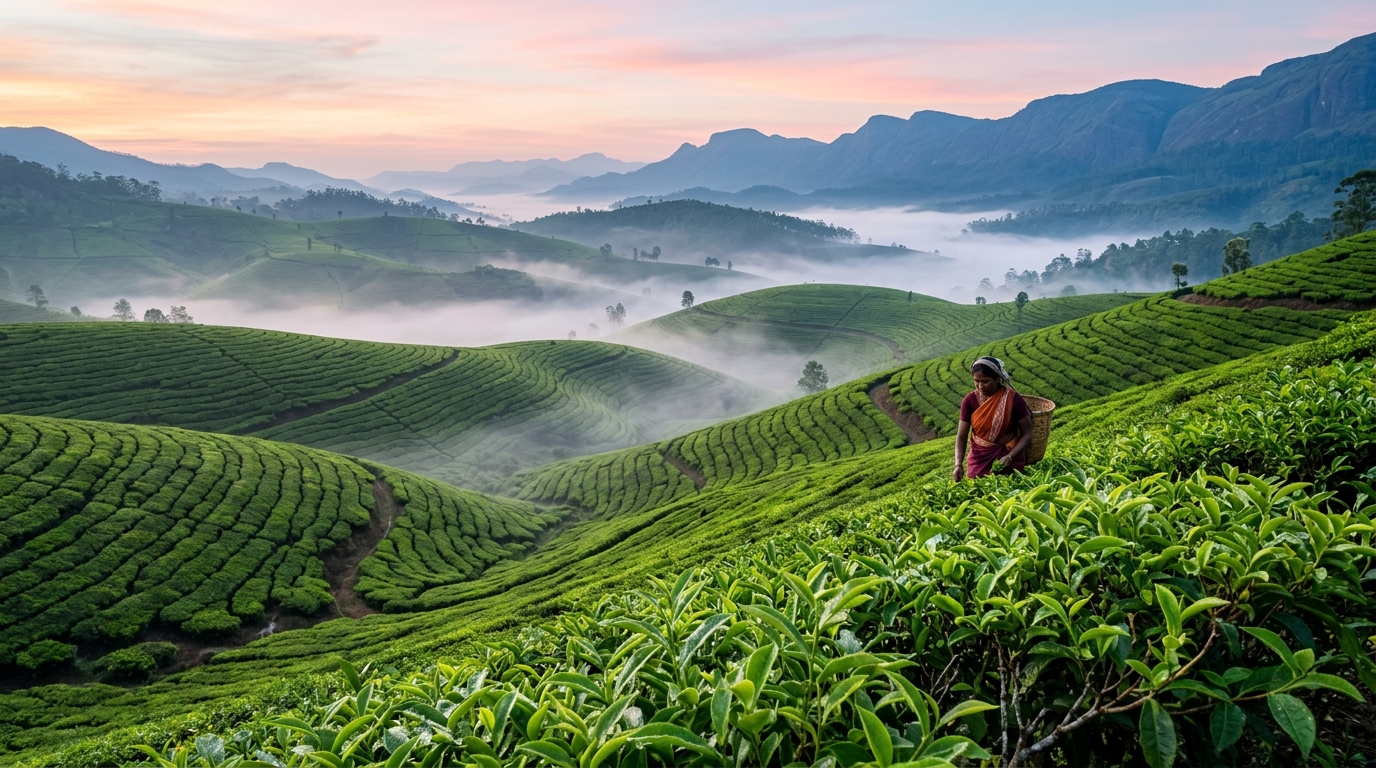
From Kochi, travelers typically ascend into the Western Ghats to reach Munnar, a hill station situated at an altitude of roughly 1,600 meters (depending on the exact peak measurement). The region is renowned for its vast tea estates and mist-covered valleys. Munnar offers excellent opportunities for trekking and learning about tea processing methods.
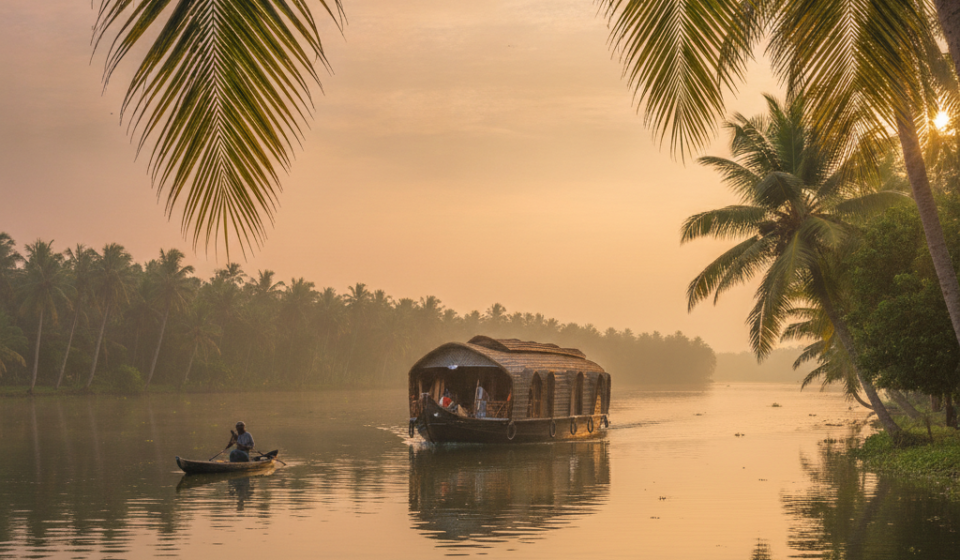
Descending from the hills leads to the famous backwaters of Alappuzha and Kumarakom. Integrating these backwaters into a south india travel plan offers a contrast to the mountainous terrain. Traversing these peaceful waterways on a traditional houseboat allows travelers to observe rural agrarian life up close. It is basically a slow-paced lifestyle that feels entirely disconnected from the modern pace of the country. A well-considered south india travel plan must account for travel distances between these hubs, as winding mountain roads can prolong travel times.
Further south, the coastal town of Kovalam and the cliffside beaches of Varkala attract those seeking seaside relaxation. To discover these scenic options, travelers can utilize curated Kerala travel packages that combine Kochi, Munnar, and the backwaters. This completes the western portion of a standard south india travel plan.
The Architectural Marvels of Tamil Nadu
Tamil Nadu represents the cradle of Dravidian civilization, characterized by towering temple gateways (known as gopurams), classical dance forms, and a rich literary history. An architectural south india travel plan usually begins in Chennai, the state capital, before moving south along the scenic East Coast Road.
To explore this culturally rich state, consider structuring your path through these key destinations:
- Mamallapuram: A coastal UNESCO World Heritage site famous for its seventh-century rock-cut temples, including the iconic Shore Temple.
- Pondicherry: A former French colony featuring quiet, tree-lined streets in the French Quarter and yellow colonial villas.
- Thanjavur: Home to the monumental Brihadisvara Temple, built by Emperor Raja Raja Chola I in 1010 CE, standing at exactly 66 meters tall.
- Madurai: An ancient, continuously inhabited city centered around the sprawling Meenakshi Amman Temple and its fourteen brightly painted gopurams.
The Diverse Landscapes of Karnataka
Karnataka presents a fascinating synthesis of modernism, royal heritage, and rugged wilderness. Bengaluru, the state capital, functions as the primary aviation hub. From here, a short journey southwest leads to Mysuru (Mysore), a city celebrated for its grand royal heritage. The monumental Mysore Palace, illuminated by nearly 100,000 lightbulbs on Sunday evenings, showcases Indo-Saracenic design at its finest.
Adjacent to Mysuru is the mountainous district of Kodagu, commonly known as Coorg. Including these coffee plantations in the south india travel plan provides a cool refuge from the plains. Coorg offers lush trekking trails, spice tours, and the unique culture of the Kodava people (who are historically renowned for their hospitality). Travelers can utilize specialized Coorg travel packages to organize guided treks and plantation stays.
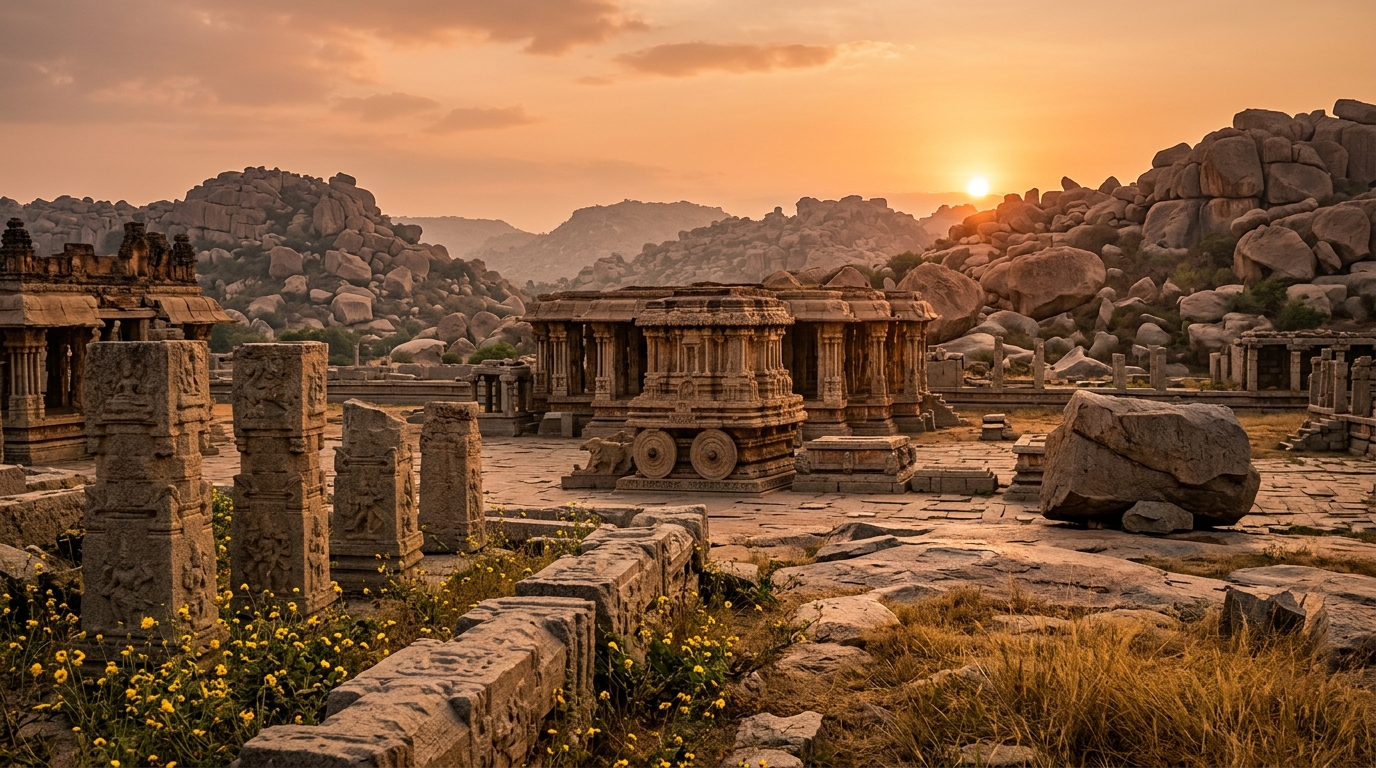
For heritage lovers, a western south india travel plan should feature Hampi, the former capital of the Vijayanagara Empire. The sprawling archaeological site, set amidst a terrain of giant granite boulders, contains over 1,600 surviving monuments. The site was designated as a UNESCO World Heritage site in 1986 (as listed on the UNESCO World Heritage Convention database). Walking through the ruins of the Virupaksha Temple reveals the extraordinary artistic height of medieval South Indian craftsmanship.
Seasonal Variations: When to Visit South India
The success of any south india travel plan depends on seasonal factors, as the tropical climate varies significantly across different zones. The region experiences three primary seasons: the dry winter, the hot summer, and the monsoon season. Because the peninsula is bordered by oceans, humidity remains relatively high throughout the year, especially along the coasts.
The winter months, spanning from October to March, represent the peak travel season. Temperatures during this period range from a comfortable 18 degrees Celsius to 30 degrees Celsius, making outdoor activities pleasant. This is the optimal time for visiting the temples of Tamil Nadu and the ruins of Hampi, where daytime heat can otherwise be intense.
Adjusting the south india travel plan for monsoon conditions is crucial if traveling between June and September. The southwest monsoon brings heavy rainfall to Kerala and coastal Karnataka, which revitalizes the waterfalls and tea gardens but can occasionally disrupt local transport. Critics argue that monsoon travel is too unpredictable. They are not entirely wrong-but the dramatic reduction in hotel rates and crowd sizes makes it an attractive alternative. Conversely, Tamil Nadu receives a significant portion of its rainfall during the northeast monsoon between October and November.
A summer-centric south india travel plan should prioritize hill stations like Ooty, Munnar, and Coorg. From April to May, temperatures on the plains can exceed 40 degrees Celsius, making urban sightseeing uncomfortable. Planning according to seasonal patterns ensures that the trip remains enjoyable.
The following table outlines the climatic conditions across the major regions during different parts of the year:
| Season | Months | Average Temperature Range | Recommended Destinations |
|---|---|---|---|
| Winter (Peak) | October – March | 18°C – 30°C | Hampi, Madurai, Alappuzha Backwaters, Kochi |
| Summer (Off-Peak) | April – May | 28°C – 42°C | Munnar, Coorg, Ooty, Kodaikanal |
| Monsoon (Green Season) | June – September | 24°C – 32°C | Wayanad, Athirappilly, Coorg, Munnar |
Practical Logistics and Transit Options
Executing a multi-state south india travel plan requires strategic transit choices to balance speed and budget. Fortunately, South India boasts some of the country’s most reliable and modern transportation infrastructure. For international arrivals, Bengaluru (BLR), Chennai (MAA), and Kochi (COK) offer world-class terminals with extensive domestic connections.
To move efficiently between these destinations, travelers can opt for several transit modes:
- Indian Railways: A railway-focused south india travel plan requires booking tickets weeks in advance, particularly for air-conditioned sleeper classes. High-speed options like the Vande Bharat Express now link major routes, including the Bengaluru-Mysuru-Chennai corridor, reducing transit times by several hours.
- Private Transfers: For a high-budget south india travel plan, hiring a private vehicle with a professional driver is recommended. This approach offers unparalleled flexibility, allowing spontaneous stops at roadside temples and spice gardens, and is especially useful in hilly regions like Munnar or Coorg.
- Intercity Buses: State-run transport corporations, such as the Karnataka State Road Transport Corporation (KSRTC), operate reliable air-conditioned Volvo bus services between major cities. These overnight buses are highly efficient for long-distance travel, offering reclining berths and punctual schedules.
Sample 10-Day and 14-Day Itineraries
To help organize a successful trip, two optimized travel itineraries have been designed to showcase the best of the region. The first is a compact ten-day route focusing on natural landscapes, while the second is a comprehensive fourteen-day path that incorporates deeper cultural and historical explorations.
Option A: The 10-Day Natural and Coastal Trail
This introductory south india travel plan covers the highlights of Kerala, focusing on mist-covered hills and serene backwaters. It is ideal for first-time visitors seeking a relaxed pace.
- Days 1-2: Kochi (Arrival & Heritage) – Explore Fort Kochi, the Santa Cruz Basilica, and watch a traditional Kathakali dance performance.
- Days 3-5: Munnar (Highlands & Tea Estates) – Visit the Tata Tea Museum and trek through the hills of Eravikulam National Park.
- Days 6-7: Thekkady (Wildlife & Spices) – Experience a guided spice plantation tour and take a boat safari on Periyar Lake.
- Days 8-9: Alappuzha (The Backwaters) – Board a private luxury houseboat for an overnight cruise through the network of canals.
- Day 10: Kochi (Departure) – Return to Kochi airport for onward flights.
Option B: The 14-Day Heritage and Culture Route
A two-week south india travel plan can merge heritage sites with natural reserves, stretching across the states of Karnataka and Tamil Nadu. Executing this specific south india travel plan demands disciplined daily schedules but offers unmatched historic depth.
- Days 1-2: Bengaluru (Arrival) – Visit the Lalbagh Botanical Gardens and Bangalore Palace.
- Days 3-4: Mysuru (Royal Splendor) – Tour the Mysore Palace, explore Chamundi Hill, and visit historic Srirangapatna.
- Days 5-7: Coorg (Highland Coffee Estates) – Experience coffee plantation walks and visit the Namdroling Monastery (Golden Temple).
- Days 8-10: Hampi (Ancient Empire Ruins) – Explore the massive ruins of the Vijayanagara Empire, including the stone chariot of the Vittala Temple.
- Days 11-12: Pondicherry (French Coastal Enclave) – Travel to the east coast to experience the peaceful French Quarter and Auroville.
- Days 13-14: Chennai (Departure) – Conclude the journey with a visit to the historic Kapaleeshwarar Temple before departing.
| Itinerary Aspect | 10-Day Coastal Trail | 14-Day Heritage Route |
|---|---|---|
| Primary Focus | Nature, relaxation, and backwaters | Royal history, ancient ruins, and colonial heritage |
| States Covered | Kerala exclusively | Karnataka and Tamil Nadu |
| Pacing | Moderate and relaxed | Active with longer transit distances |
| Best Season | October to March (or Monsoon for lush greenery) | October to February (to avoid intense heat at ruins) |
Essential Packing and Cultural Guidelines
Completing a successful south india travel plan involves respecting local norms and preparing for the tropical environment. Dressing conservatively is highly recommended, especially when visiting active religious structures. Most temples require shoulders and knees to be covered, and footwear must always be removed before entering the inner sanctums.
A comprehensive south india travel plan is not complete without culinary research. Southern Indian food is diverse, heavily utilizing coconut, rice, and local spices. Trying a traditional meal served on a banana leaf is a highlights of the region, but travelers should stick to bottled water and eat at reputable establishments to ensure hygiene.
Finalizing the south india travel plan requires securing appropriate gear. Light, breathable cotton or linen clothing is essential for managing the humidity. Comfortable, easily removable slip-on shoes are ideal for temple-hopping, while a sturdy umbrella or high-quality rain jacket is indispensable during the monsoon months. With proper preparation, the journey through South India will be exceptionally rewarding and comfortable.