

Southern India represents a distinct geographical and cultural entity. Ancient dynasties left behind massive granite temples. Meanwhile, the tropical climate shaped slow-moving coastal backwaters. Planning an itinerary through this diverse region requires careful thought. It is not as simple as booking flights. The journey demands a structured approach to balance history, nature, and transport. Executing a successful south india travel plan involves understanding the distinct regional characters of Tamil Nadu, Kerala, and Karnataka. Rather than attempting to cover the entire peninsula at once, experienced travellers focus on curated corridors. This method ensures a deeper experience. A well-constructed south india travel plan prevents transit exhaustion. It also ensures exposure to both historic monuments and serene natural sanctuaries. This document serves as a comprehensive strategic blueprint for executing an optimal journey across the southern states. By addressing logistics, seasonality, and regional itineraries, this guide facilitates a highly organized exploration of the subcontinent.
Key Takeaways for Your South India Travel Plan
- Ideal Duration: Plan for a minimum of 10 to 14 days to fully appreciate the region without transit fatigue.
- Best Travel Season: The peak winter period from October to March offers the most comfortable temperatures and dry weather.
- Customizable Circuits: Choose between the heritage-rich temple trail of Tamil Nadu, the serene backwaters of Kerala, or the royal ruins and wilderness of Karnataka.
- Transport Recommendations: Opt for private chauffeured vehicles for regional flexibility and domestic flights for major long-distance connections.
- Cultural Etiquette: Respect local customs by dressing modestly at religious sites and removing footwear before entering temples.
Strategic Planning for a South India Travel Plan
Developing a cohesive south india travel plan requires an objective assessment of distance and local infrastructure. The southern peninsula covers over 600,000 square kilometres. This vast territory includes high mountain ranges and low coastal plains. Consequently, visiting too many destinations during a single trip leads to excessive transit times. It is highly advisable to prioritize specific cultural or ecological zones. Attempting to build an exhaustive itinerary often reduces travel comfort. Focusing on smaller areas ensures a much richer experience.
Determining the Ideal Duration
Establishing the correct length of stay is critical to the success of any journey. A minimum of ten days is required to experience a single region with sufficient depth. For travellers who combine Tamil Nadu temples with Kerala backwaters, a period of fourteen days is far more appropriate. When formulating a south india travel plan, allocating at least two nights to each major stop is essential. This practice minimizes the physical strain of frequent packing and checking in. It also allows for a more thorough exploration of local monuments, markets, and natural reserves.
Defining Travel Priorities: Heritage, Nature, or Coastlines
An effective journey must align with specific intellectual and recreational interests. Clarifying these thematic preferences helps in shaping a custom south india travel plan to match specific educational and leisure expectations. Balancing these elements prevents cultural saturation and keeps the journey engaging:
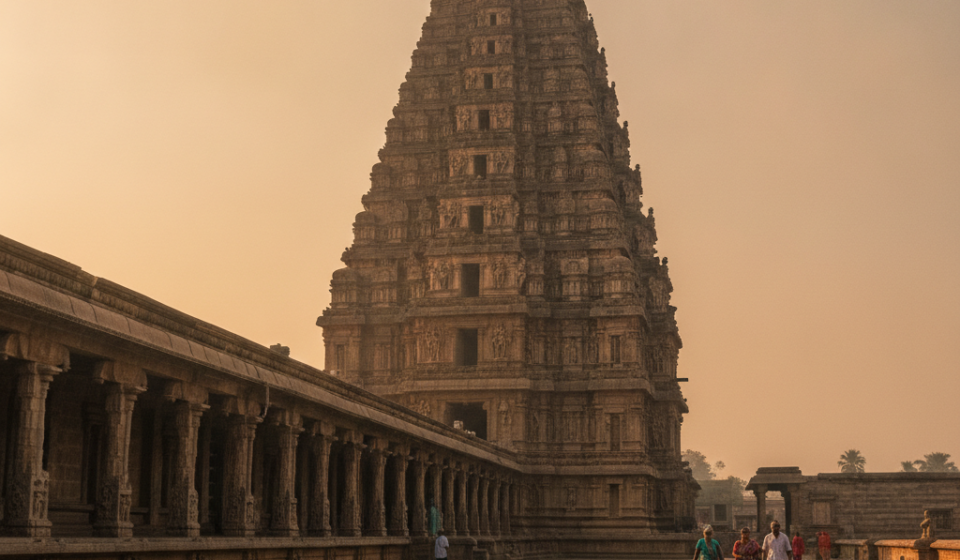
- Heritage (Tamil Nadu): Offers an unparalleled collection of Dravidian temple architecture featuring monumental gateway towers and thousand-year-old stone carvings.
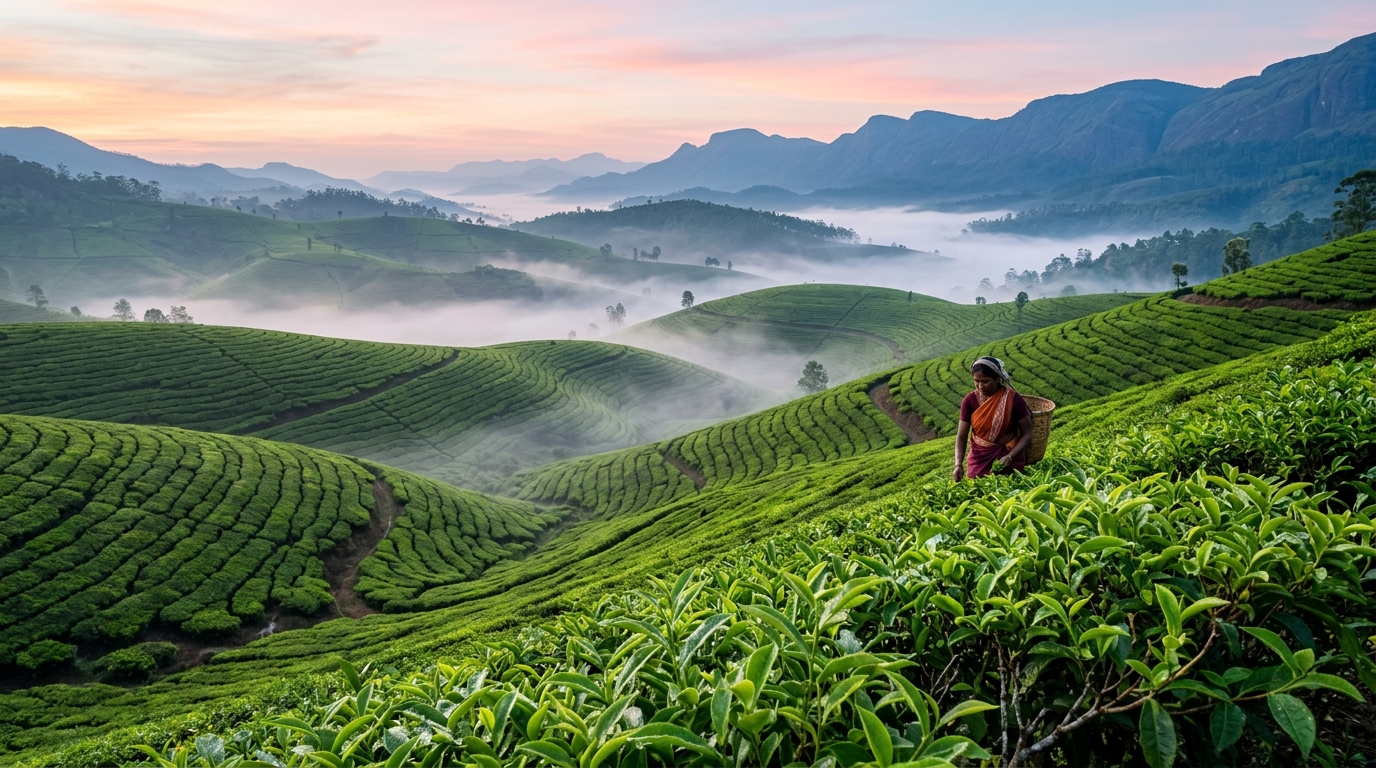
- Nature and Coastlines (Kerala): Provides a lush landscape dominated by scenic spice plantations, high-altitude tea estates, and tranquil coastal backwater canals.
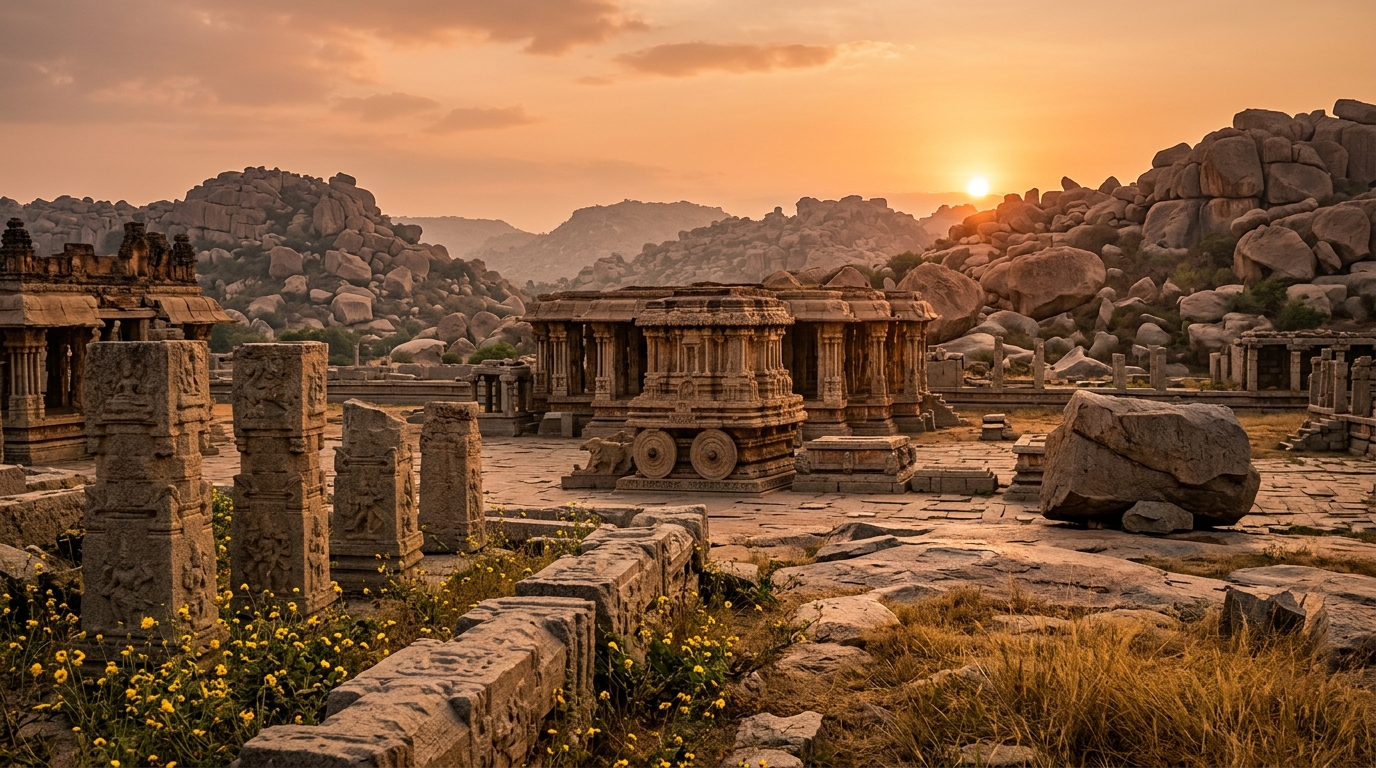
- Royal Ruins and Tech (Karnataka): Presents a unique hybrid of medieval stone ruins (such as Hampi), pristine dry forests, and modern technology hubs like Bengaluru.
Seasonal Considerations and the Best Time to Visit
The tropical climate of Southern India dictates that timing remains a critical variable for any south india travel plan. The region experiences distinct climatic phases driven by the northeast and southwest monsoons. These weather patterns alter travel conditions, road accessibility, and sightseeing comfort. Understanding these meteorological cycles is necessary to avoid extreme humidity and heavy rainfall. Below is an analytical overview of the primary travel seasons across the southern states.
| Season | Months | Climatic Character | Suitability for Travel |
|---|---|---|---|
| Peak Season | October to March | Cooler temperatures, low humidity | Highly recommended for heritage trails and coastal exploration |
| Shoulder Season | April to May | Elevated heat, high humidity levels | Suitable for high-altitude hill stations and forest reserves |
| Monsoon Season | June to September | Heavy rainfall, lush vegetation | Ideal for wellness retreats and scenic landscape photography |
The Peak Winter Season (October to March)
The winter months represent the most popular window for international and domestic tourism. During this period, daytime temperatures range from a comfortable twenty-five to thirty degrees Celsius. This range makes urban exploration and temple tours highly pleasant. Integrating coastal destinations into the south india travel plan during these months is optimal. Sea conditions are generally calm and beach activities are fully operational. However, because demand is exceptionally high, securing transport reservations and hotel accommodations several months in advance is absolutely mandatory to prevent inflated expenses.
The Monsoon Allure (June to September)
While heavy rains can disrupt conventional transport networks, the monsoon season is a unique alternative for a south india travel plan. This is particularly true for those interested in traditional wellness practices. Kerala is globally renowned for its ancient Ayurvedic healing systems. Local practitioners recommend undergoing these treatments during the wet season. The atmosphere is naturally humid and dust-free during these months. The Western Ghats also transform into a spectacular display of active waterfalls and mist-covered tea plantations. This wet season presents a majestic backdrop for travellers who prioritize natural beauty over dry weather.
Core Travel Circuits in South India
To avoid logistical complications, it is highly efficient to divide the south india travel plan into geographic sectors. Each southern state possesses a distinct cultural identity and transport network. This diversity makes single-state or dual-state circuits the most practical approach for standard itineraries. Understanding these primary travel corridors allows travellers to select a route that aligns perfectly with their available time and regional interests.
The Classic Temple Trail of Tamil Nadu
Focusing on the eastern portion of the peninsula, this route is the cornerstone of a heritage-focused south india travel plan. It typically begins in Chennai and proceeds south through Mamallapuram, Puducherry, Thanjavur, and Madurai. Travellers on this circuit encounter extraordinary stone carvings and ancient bronze casting traditions. They also visit active religious sanctuaries that have operated continuously for over a thousand years. The architectural achievements of the Chola and Pandya dynasties dominate this region. These historical sites offer deep artistic insights. For those interested in cultural heritage, we recommend exploring our curated Tamil Nadu tour packages to simplify the coordination of transport and local guides.
The Serene Backwaters and Hills of Kerala
This circuit emphasizes natural landscapes and slow-paced leisure. This focus makes it highly recommended for a leisure-oriented south india travel plan. Beginning in the historic port city of Kochi, the route moves inland to the high-altitude tea estates of Munnar. It then descends to the wildlife sanctuaries of Thekkady. The journey culminates in the tranquil backwater canals of Alappuzha and Kumarakom. Overnight stays on traditional wooden houseboats provide an intimate view of rural aquatic life. To ensure a seamless experience through this popular coastal corridor, travelers can review specialized itineraries on our Kerala travel page.
The Royal Heritage and Wilderness of Karnataka
For those seeking a combination of medieval history, dry forests, and modern urban centers, Karnataka provides diverse terrain for a comprehensive south india travel plan. The standard circuit initiates in the technology hub of Bengaluru. It then moves to the palace city of Mysuru. Finally, it continues northward to the ruined capital of Hampi. Along this route, travelers can integrate wildlife safaris in Kabini or Nagarhole National Park. These reserves boast some of the highest densities of Asian elephants and Bengal tigers in the country. This region offers an excellent contrast between urban modernity and ancient stone architecture.
Curated 10-Day South India Itinerary
This comprehensive ten-day program showcases how to structure a balanced south india travel plan. It connects the cultural monuments of Tamil Nadu with the natural landscapes of Kerala. It ends with a brief introduction to the royal heritage of Karnataka. This sequence is designed to minimize daily travel times. It also maximizes the diversity of cultural, ecological, and historical experiences.
Days 1-3: Cultural Immersion in Tamil Nadu
The initial stage represents the starting phase of the south india travel plan, focusing on deep historical immersion:
- Day 1: Chennai to Mamallapuram: Arrive in Chennai and transfer immediately to the coastal town of Mamallapuram, famous for its seventh-century rock-cut relief carvings and historic shore temples.
- Day 2: Mamallapuram to Puducherry: Experience a scenic drive along the East Coast Road to the former French outpost of Puducherry, exploring the colonial French Quarter and the experimental community of Auroville.
- Day 3: Puducherry to Tanjore: Proceed inland to the heritage city of Tanjore, home to the spectacular Brihadisvara Temple, an architectural marvel of the medieval Chola Empire.
Days 4-7: Scenic Escapes in Kerala
Moving westward across the state boundary, this segment forms the mid-section of the south india travel plan, emphasizing serene landscapes:
- Day 4: Tanjore to Munnar: Take a scenic drive up the winding roads of the Western Ghats to Munnar, a premier hill station surrounded by vast tea plantations and high mountain peaks.
- Day 5: Munnar Exploration: Spend the day walking through lush tea estates and visiting the local tea museum to understand historical production methods.
- Day 6: Munnar to Kochi: Descend to the coastal plains of Kochi. Explore the historic Fort Kochi area, the iconic Chinese fishing nets, and the sixteenth-century Mattancherry Palace.
- Day 7: Kochi to Alappuzha (Backwaters): Enjoy an overnight cruise on a traditional wooden houseboat through the backwaters of Alappuzha, offering an intimate perspective on regional village life.
Days 8-10: Heritage and Modernity in Karnataka
The final sequence serves as the final leg of this south india travel plan, connecting historic palaces with modern urban centers:
- Day 8: Alappuzha to Mysuru: Journey north to Mysuru, celebrated as the cultural capital of Karnataka.
- Day 9: Mysuru Sightseeing: Explore the grand Amba Vilas Palace with its opulent blend of Indo-Saracenic architectural styles, and visit the historic Chamundi Hill temples.
- Day 10: Mysuru to Bengaluru: Complete a short transit to Bengaluru, where modern commercial developments sit alongside historic landmarks like the Tudor-style Bangalore Palace, before taking your international departure flight.
Crucial Logistics, Transport, and Connectivity
Managing physical movement and digital communication is vital for the smooth operation of any south india travel plan. Given the geographical distances between state capitals and rural attractions, travelers must make informed decisions regarding transit options, cellular connectivity, and navigation tools. Properly addressing these logistical elements prior to departure ensures that the journey remains efficient and free of avoidable interruptions. Let us examine the essential factors that govern regional travel logistics.
Choosing the Right Transit Modes
Selecting the appropriate method of transportation directly influences the efficiency of the overall south india travel plan. For long distances, such as traveling from Chennai to Kochi, domestic flights are highly practical. However, for regional exploration, hiring a private vehicle with an experienced driver is the most effective approach. This option provides maximum flexibility. It allows travelers to stop at intermediate points of interest without relying on public bus schedules. Additionally, the Indian Railways network offers a scenic and culturally immersive alternative, particularly for overnight journeys between major urban centers.
| Transport Mode | Average Cost | Flexibility Level | Best Suited For |
|---|---|---|---|
| Private Chauffeur | Moderate to High | Excellent | Short-distance exploration, rural routes, and hill stations |
| Indian Railways | Low | Fixed Schedules | Overnight long-distance journeys between major cities |
| Domestic Flights | High | Low | Quick transit between distant state capitals (e.g., Chennai to Kochi) |
- Private Chauffeur Services: Offers maximum scheduling flexibility and direct hotel-to-hotel transit. However, this is the most expensive option and is subject to local road traffic.
- Indian Railways: Highly cost-effective and provides an authentic cultural experience. But securing reservations requires booking weeks in advance through official portals.
- Domestic Aviation: Rapidly connects major cities like Bengaluru, Kochi, and Chennai. The primary disadvantage is the exclusion of scenic rural areas and high-altitude hill stations from the route.
Accommodation and Booking Guidelines
Securing proper lodging is another critical step. Securing reservations early in the south india travel plan prevents logistical challenges. The hospitality sector in Southern India is highly diverse. It offers heritage boutique hotels, modern business properties, and eco-friendly forest lodges. When traveling during the peak winter season, luxury properties and heritage home-stays often sell out four to six months in advance. Travelers should prioritize accommodations that offer air conditioning. This is especially true in the humid coastal plains to ensure adequate rest and comfort.
Cultural Etiquette and Practical Tips
Understanding local cultural traditions and societal expectations is an essential aspect of the south india travel plan. The southern states maintain a rich heritage of conservative social norms. This is particularly true regarding religious worship, dress codes, and dining habits. Demonstrating respect for these traditions not only facilitates positive interactions with local residents but also prevents inadvertent offense. This section outlines the essential behavioral protocols that travelers should observe during their visit.
Temple Protocols and Local Norms
When visiting religious sanctuaries, adhering to specific guidelines is highly relevant for any south india travel plan. Most active Hindu temples require visitors to remove their footwear before entering the complex. Dress codes are strictly enforced. Both men and women should wear clothing that covers their shoulders and knees. Traditional attire like sarees or dhotis is preferred at historic sites like the Meenakshi Temple in Madurai. Additionally, photography is strictly prohibited inside the inner sanctum of most temples. Visitors must always walk in a clockwise direction around shrines.
Culinary Guide and Food Safety
Exploring the diverse culinary traditions of the region adds gastronomic depth to the south india travel plan. Southern Indian cuisine is distinct from northern varieties. It emphasizes rice, lentils, coconut, and a complex array of local spices. Traditional meals are frequently served on fresh banana leaves. They are eaten using only the right hand. This is considered a clean and respectful practice. To maintain physical well-being during the journey, travelers should consume only bottled or purified water. They should eat hot, freshly prepared food and exercise caution when sampling street food in busy urban markets.
- Masala Dosa: A thin, fermented rice and lentil crepe stuffed with a spiced potato mixture, traditionally served with coconut chutney and sambar.
- Idli and Vada: Steamed rice cakes and savory fried lentil donuts, representing the standard healthy breakfast option across all southern states.
- Malabar Parotta and Curry: A layered, flaky flatbread typical of Kerala, often paired with highly seasoned vegetable or meat stews.
- Filter Coffee: A strong, sweet beverage made by mixing frothed milk with coffee decoction brewed in a traditional metal drip filter.
Conclusion
Formulating a systematic south india travel plan requires balancing historic structures with natural sanctuaries. By selecting targeted geographical circuits, respecting regional cultural standards, and choosing appropriate modes of transit, travellers can ensure a comfortable and deeply enriching journey. For personalized trip planning and verified domestic accommodation arrangements, we invite you to consult our comprehensive domestic travel solutions to guarantee a highly professional travel experience.