
Planning a journey through the southern peninsula of India requires more than just booking flights and hotels. It demands a systematic appreciation of diverse cultures, architectural evolution, and ecological variations. A well-structured south india travel plan acts as the blueprint for an efficient exploration of this region. It is basically a roadmap through five major states and two union territories. Historically, travelers often overemphasized the golden triangle of the north, yet the southern states present an equally compelling narrative of massive monolithic temples, tranquil inland waterways, and dense spice forests. By organizing logistics around regional geographies, travelers can avoid common transit inefficiencies and fully appreciate the distinct identity of each sub-region. Approaching this trip with clear objectives and structured routes is essential to prevent logistical fatigue.
Key Takeaways for Your South India Travel Plan
- Geographical Focus: Avoid over-scheduling; prioritize specific sub-regions (e.g., Kerala backwaters or Tamil Nadu temple heritage) rather than trying to cover the entire peninsula in one trip.
- Optimal Timing: The best period to visit is from October to March to enjoy pleasant weather and avoid extreme summer heat or heavy monsoon downpours.
- Diverse Highlights: South India offers a distinct mix of Dravidian architecture (Tamil Nadu), peaceful waterways (Kerala), royal heritage (Karnataka), and unique colonial pockets (Pondicherry).
- Logistics: Multi-state travel is highly rewarding but requires careful route planning due to longer transit times, especially in the winding roads of the Western Ghats.
Defining the South India Travel Plan: Geographical Scope and Heritage
To build an effective south india travel plan, one must first comprehend the vast geographical and cultural context of the region. South India comprises the states of Andhra Pradesh, Telangana, Karnataka, Kerala, and Tamil Nadu, alongside the union territories of Lakshadweep and Pondicherry. Each of these administrative divisions possesses unique linguistic heritages (spanning roughly four major language families, depending on how sub-dialects are classified) and varied topographies. The region is bordered by the Arabian Sea to the west, the Bay of Bengal to the east, and the Indian Ocean to the south. This extensive coastline has historically facilitated maritime trade with global empires, shaping a cosmopolitan heritage that persists today.
When designing a south india travel plan, travelers must recognize that a single itinerary cannot realistically cover the entire southern peninsula without leading to exhaustion. Consider these critical physical and regional boundaries:
- The Western Ghats: This mountain range runs parallel to the western coast, acting as a natural barrier that significantly influences local climates and travel times.
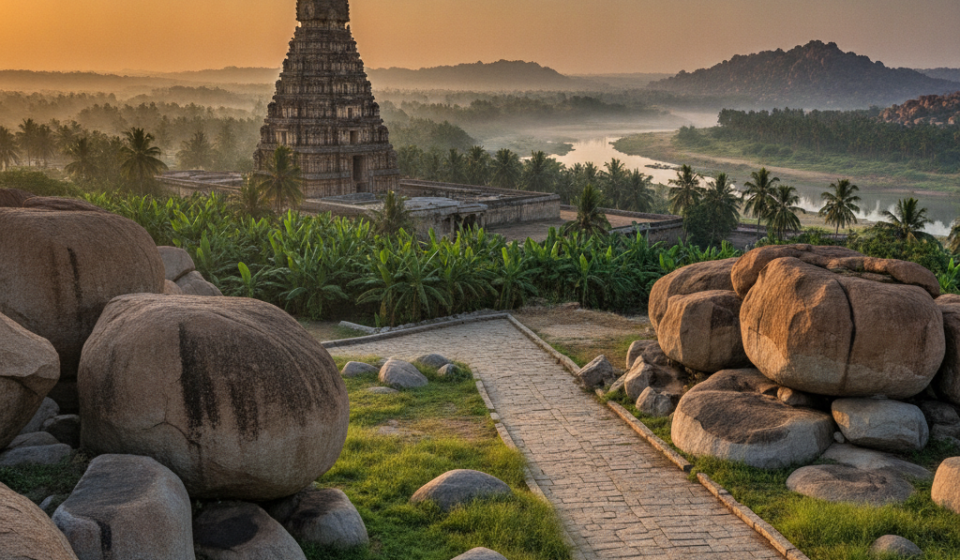
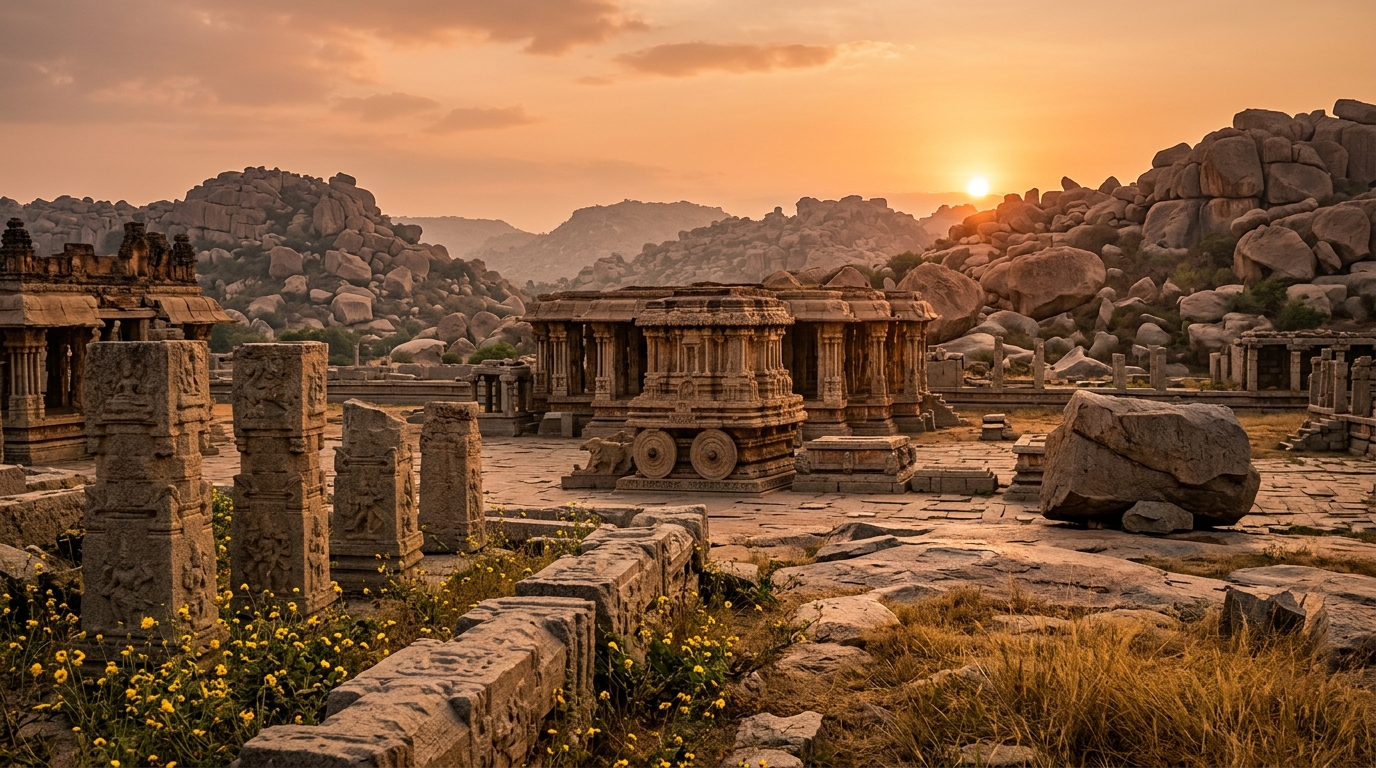
- The Deccan Plateau: Dominating the interior region, this plateau hosts massive arid plains and prominent historical ruins like Hampi.
- Coastal Zones: The long, sandy coastlines along the Arabian Sea and Bay of Bengal offer completely different paces of life and architectural styles.
Understanding these physical demarcations helps in selecting specific travel zones. Whether the focus is on ancient temple architecture in Tamil Nadu or coastal relaxation in Kerala, defining the geographical scope is the critical first step in establishing a realistic travel schedule.
Key Regional Highlights for Your Itinerary
An optimal south india travel plan incorporates a balanced mix of historical sites, ecological wonders, and cultural encounters. The diversity of the southern states means that transitions between regions can feel like crossing international borders, with sudden shifts in language, architecture, and cuisine. For instance, the transition from the Dravidian temple towns of Tamil Nadu to the lush, slow-paced waterways of Kerala highlights the distinct personality of each state (a contrast that is often jarring for first-time visitors).
Developing a comprehensive south india travel plan requires isolating the key cultural and natural highlights of each state. Rather than attempting a hurried grand tour, selective immersion allows for a deeper appreciation of the regional distinctions. Below is a detailed analysis of the primary highlights that warrant inclusion in any structured south india tour itinerary.
Kerala: The Backwaters and Spice Hills
Kerala represents a cornerstone of most tourist visits, primarily due to its unique hydraulic network and highland spice estates. A well-designed south india travel plan often allocates significant time to this state, beginning with the coastal city of Cochin. Cochin showcases a synthesis of colonial history, where Portuguese churches and Dutch palaces stand adjacent to traditional Chinese fishing nets. Moving inland, the backwaters of Alappuzha (often referred to as Alleppey) provide an unparalleled aquatic environment. A classic kerala backwater cruise on a traditional houseboat (kettuvallam) offers a close view of rural riparian life, serving as a peaceful contrast to India’s bustling urban centers.
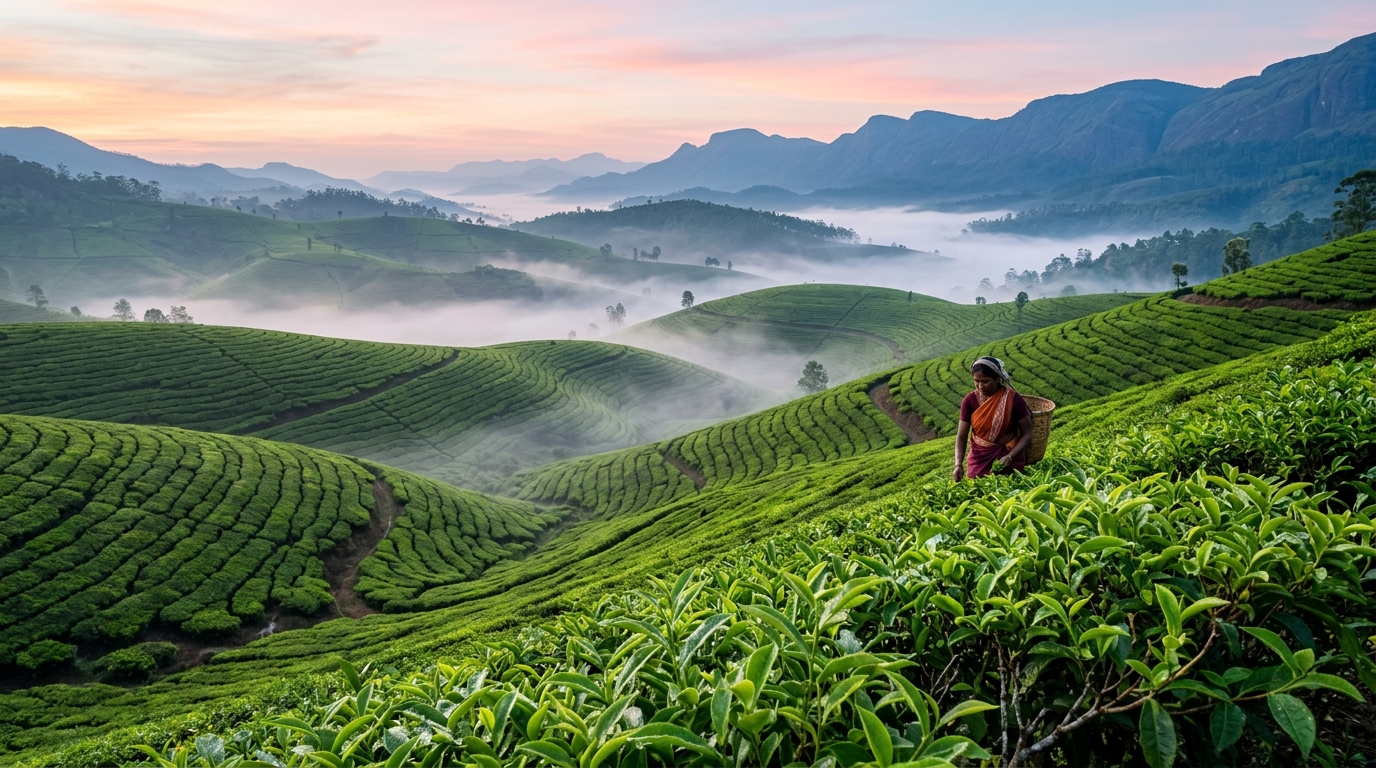
Further east, the terrain rises into the Western Ghats, where Munnar presents expansive tea plantations and cool highland temperatures. The Periyar National Park in Thekkady provides opportunities to observe wild elephants and explore cardamom and pepper plantations. For travelers seeking specialized travel options, booking a dedicated Kerala tour package through TravelDham ensures that transfers between these topographically diverse locations are executed efficiently. This combination of calm waterways and cool hill stations makes Kerala an indispensable segment of any southern journey.
Tamil Nadu: Temples and Architectural Marvels
Tamil Nadu serves as the repository of classical Dravidian culture, characterized by monumental temple complexes and a literary heritage that spans millennia. For an architecturally focused south india travel plan, this state is the essential focal point. The capital, Chennai, provides a modern entry point, but the true historical depth lies further south. The group of monuments at Mahabalipuram, featuring 7th-century rock-cut shore temples, demonstrates the early genius of Pallava dynasty architecture.
Further south, the city of Madurai houses the Meenakshi Amman Temple, a massive complex featuring twelve towering gopurams (gateway towers) covered in thousands of colorful stone sculptures. The Chola dynasty temples of Thanjavur, Gangaikondacholisvaram, and Darasuram represent the peak of medieval stone architecture.
“The temples of South India are not merely architectural wonders; they are living repositories of ancient music, dance, and civic governance that have survived uninterrupted for centuries.”
These structures are not merely historical monuments; they remain active centers of worship and cultural practice. To streamline the logistics of visiting these complex sites, consulting a professional Tamil Nadu tour package can prevent the common pitfalls of navigating local temple schedules and transit rules. The scale of Tamil Nadu’s monuments requires deliberate, unhurried exploration as part of a focused south india travel plan.
Karnataka: Palaces, Ruins, and Coffee Plantations
Karnataka offers a diverse combination of royal heritage, ancient ruins, and highland natural beauty. The state capital, Bengaluru, acts as a high-tech hub, but its historical significance is anchored in nearby Mysore (officially Mysuru). The Amba Vilas Palace in Mysore is a spectacular example of Indo-Saracenic architecture, especially when illuminated on weekend evenings. Integrating Mysore into a south india travel plan provides a bridge between modern urban development and royal heritage. But still, many travelers rush through Bengaluru and miss the quiet, colonial-era botanical gardens at Lalbagh.
Further north lies Hampi, the ruined capital of the historic Vijayanagara Empire. Set within a surreal boulder-strewn landscape, Hampi contains more than 1,600 surviving monuments, including the Virupaksha Temple and the stone chariot of the Vittala Temple complex. For a contrast to these dry, historical plains, travelers can head southwest to Coorg (Kodagu), a region famous for its misty hills, coffee plantations, and distinct Kodava culture. Incorporating Karnataka into a comprehensive south india travel plan ensures a comprehensive view of the Deccan Plateau’s historical and environmental complexity.
Pondicherry and Goa: Coastal Variations
To experience the coastal diversity of the subcontinent, travelers should consider integrating the unique enclaves of Pondicherry and Goa into their travel schedule. Pondicherry (officially Puducherry), a former French colony on the eastern coast, maintains a distinct European atmosphere. The French Quarter, with its mustard-colored colonial villas, cobblestone streets, and tree-lined avenues, offers a quiet, slower pace of travel that contrasts sharply with nearby Tamil Nadu cities.
On the western coast, while technically classified under western India, Goa is often included in an extended south india travel plan due to its historical and maritime connections to the southern states. Goa presents a blend of Portuguese-Catholic heritage, historic churches, and pristine sandy beaches. This coastal state offers a festive, relaxed environment that complements the more structured temple tours of the south. Whether seeking the spiritual quiet of Pondicherry or the energetic beaches of Goa, these coastal destinations offer critical breathing room in any extensive south india travel plan.
To assist in structuring a south india travel plan, the following table compares the major southern states across key travel metrics, enabling travelers to prioritize destinations based on their personal interests:
| State | Primary Attractions | Key Travel Hubs | Signature Culinary Item | Recommended Duration |
|---|---|---|---|---|
| Kerala | Backwaters, spice plantations, hill stations, Ayurveda | Cochin, Trivandrum, Alleppey | Karimeen Pollichathu (pearl spot fish) | 5 – 7 Days |
| Tamil Nadu | Dravidian temples, heritage towns, classical arts | Chennai, Madurai, Thanjavur | Idli, Dosa, Filter Coffee | 6 – 8 Days |
| Karnataka | Palaces, medieval ruins, coffee estates, wildlife | Bengaluru, Mysore, Hampi, Coorg | Bisi Bele Bath, Mysore Pak | 5 – 8 Days |
| Andhra Pradesh | Spiritual centers, coastal drives, ancient caves | Tirupati, Visakhapatnam, Vijayawada | Andhra Ginger Chutney, Pootharekulu | 3 – 5 Days |
Designing Your Itinerary: Route Options and Duration
Creating an executable south india travel plan requires mapping out routes that account for actual transit times rather than simple geographical distances. Roads in the hilly regions of the Western Ghats can be winding, meaning a 100-kilometer drive might take up to four hours. Therefore, selecting a realistic route is essential for a successful journey.
Depending on the available vacation days, travelers can choose from several pre-designed paths. Each route is structured to maximize cultural exposure while minimizing back-and-forth travel. Reviewing these options allows you to align your south india travel plan with your specific timeline and interests. As noted in recent regional tourism reports, over 70% of heritage travelers now choose multi-state routes to maximize their time.
The Classic 7-Day Coastal Route
The 7-Day Coastal Route is tailored for travelers with limited time who wish to experience the essence of the southwestern coast. This route focuses primarily on Kerala’s backwaters and historical ports, ensuring a relaxing yet culturally rich experience. This itinerary is highly recommended for those planning as FITs (Fully Independent Travelers, meaning individuals who travel without a group tour), as it allows complete control over daily pacing.
A typical itinerary for this route includes:
- Days 1-2: Cochin – Explore the historical Fort Kochi, Dutch Palace, and attend a Kathakali dance performance.
- Days 3-4: Munnar – Travel inland to the tea estates of Munnar, enjoying the cooler mountain air.
- Day 5: Alleppey – Experience a traditional houseboat stay on the backwaters.
- Days 6-7: Kovalam – Conclude with relaxation on the beaches of Kovalam before departing from Trivandrum.
This short-duration plan is highly manageable and avoids long, exhausting overland journeys, making it an excellent introductory south india travel plan.
The Heritage and Culture 10-Day Route
For travelers who prioritize architecture, art history, and ancient monuments, this 10-day south india travel plan focuses on the classical states of Tamil Nadu and southern Karnataka. This itinerary requires slightly more active travel but offers unparalleled historical depth.
The recommended daily distribution is:
- Days 1-2: Chennai and Mahabalipuram – Tour the Pallava dynasty shore temples and rock reliefs.
- Days 3-4: Thanjavur and Trichy – Visit the Brihadeeswarar Temple and the rock fort complex.
- Days 5-6: Madurai – Explore the bustling streets and witness the evening ceremony at the Meenakshi Temple.
- Days 7-8: Mysore – Travel by train to Mysore to tour the grand palace and Chamundi Hill.
- Days 9-10: Bengaluru – Conclude in the modern state capital, experiencing its vibrant culinary scene.
This route is ideal for those who wish to trace the evolution of Dravidian art and royal history across different eras.
The Comprehensive 14-Day Grand Southern Circuit
The 14-Day Grand Southern Circuit represents the ultimate south india travel plan, merging the cultural depth of Tamil Nadu with the natural beauty of Kerala and Karnataka. This extensive journey provides a complete overview of the region’s geographical and cultural diversity. It is arguably the most comprehensive way to experience the region, though not without exceptions for those who prefer slow-paced exploration.
The itinerary connects the east and west coasts, passing through major heritage sites and natural reserves:
- Days 1-3: Chennai, Mahabalipuram, and Pondicherry – Transition from historic Dravidian monuments to the colonial French Quarter.
- Days 4-6: Thanjavur and Madurai – Deep dive into the classic temple heartland of Tamil Nadu.
- Days 7-9: Munnar and Alleppey – Cross the Western Ghats to enjoy the cool tea estates and the backwaters of Kerala.
- Days 10-12: Mysore and Coorg – Experience Karnataka’s royal palaces and misty coffee plantations.
- Days 13-14: Bengaluru – Conclude the tour in Karnataka’s capital for your return flights.
This grand route requires a measured pace and pre-booked private transport to ensure transitions between states are handled smoothly. It remains the most rewarding way to experience the subcontinent’s southern half.
Practical Planning Considerations
Executing a successful south india travel plan requires attention to local climates, multi-state transit rules, and booking timelines.
Best Time to Visit and Seasonal Variations
The best time to visit south india is from October to March, when the monsoon rains have subsided and temperatures are moderate. During these winter months, coastal regions experience pleasant humidity, and hill stations like Munnar and Coorg remain comfortably cool. Summer months (April to June) can bring extreme heat, with temperatures in the interior plains exceeding 40 degrees Celsius, making sightseeing uncomfortable. Some critics argue that traveling during the monsoon season is impossible due to heavy downpours. They are not entirely wrong. But still, they overlook the dramatic beauty of the Western Ghats when waterfalls are at their peak.
Transportation and Logistics Across States
For a multi-state south india travel plan, hiring a private air-conditioned vehicle with a professional driver is the most reliable option for regional transits. For longer distances, such as traveling from Chennai to Mysore, the Indian Railways network provides comfortable options like the Shatabdi Express or Vande Bharat Express. Air travel is ideal for jumping between major hubs like Bengaluru, Cochin, and Chennai.
| Transit Mode | Best For | Pros | Cons / Preparation Needed |
|---|---|---|---|
| Private Chauffeur Car | Inter-city transfers, hill stations (Munnar, Coorg) | Complete flexibility, luggage convenience, scenic stops | Higher cost, slower on winding mountain roads |
| Express Trains (Shatabdi/Vande Bharat) | Longer distances between major hubs (Chennai to Mysore) | Comfortable AC seats, local meals included, avoids road traffic | Must book up to 120 days in advance; fixed schedules |
| Domestic Flights | Jumping across opposite coasts (Bengaluru to Cochin) | Saves valuable travel days | Airport security delays, baggage weight limits (15kg standard) |
To keep transit efficient, consider the following logistical tips:
- Hiring Private Vehicles: Perfect for point-to-point road journeys, giving you total freedom over schedules.
- Booking Express Trains: Ensure you choose high-speed options like Shatabdi or Vande Bharat Express for clean, air-conditioned seating.
- Leveraging Domestic Flights: Use these when bridging massive gaps between major hubs such as Chennai (MAA), Bengaluru (BLR), and Cochin (COK).
Accommodation Choices and Booking Strategies
A complete south india travel plan must account for a wide variety of accommodation options, from heritage boutique hotels in Pondicherry to traditional homestays in Coorg. For popular tourist destinations, booking accommodations at least three to four months in advance is highly recommended, particularly during the peak winter season.
Essential Travel Tips and Cultural Etiquette
When executing your south india travel plan, respecting local customs is paramount. When visiting religious sites, modest clothing that covers shoulders and knees is mandatory. Removing footwear before entering temples or local homes is a universal rule. Additionally, carry cash for small purchases, as remote spice plantations and rural markets may not accept digital payments.
Conclusion
A well-structured south india travel plan turns a potentially overwhelming journey into an enriching exploration of ancient cultures and pristine natural landscapes. By selecting a focused itinerary and planning logistics around seasonal variations, travelers can experience the true depth of the southern peninsula without unnecessary stress.
FAQs
What is the ideal duration for a south india travel plan?
An ideal duration is 10 to 14 days, allowing you to combine two or three states without rushed travel.
How should travelers dress when visiting temples in South India?
Travelers must wear modest clothing; men typically wear trousers or traditional dhotis, while women should wear long skirts, sarees, or salwar kameez.
Is it necessary to book train tickets in advance for South India travel?
Yes, train reservations on major express routes should be booked up to 120 days in advance to secure comfortable air-conditioned berths.