
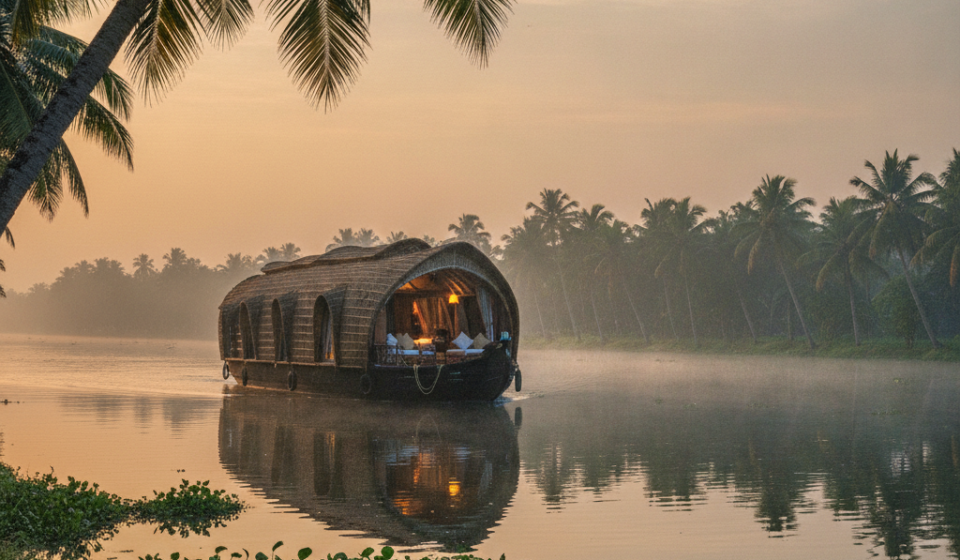

Planning a journey through the southern peninsula of India often feels like trying to read a massive, multi-layered novel in a single sitting. The sheer diversity of experiences, from ancient stone temples to serene coastal waters, demands a highly organized approach. A well-constructed south india travel plan prevents the common mistake of over-scheduling, allowing travelers to absorb the distinct slow-paced rhythm of the region. Rather than rushing between distant monuments, the secret lies in choosing a specific geographic loop and dedicating enough time to experience each stop. Achieving this balance requires realistic travel times and an understanding of local transit patterns.
Key Takeaways for Your Journey:
- Prioritize Depth: Focus on specific regional loops rather than trying to cover the entire 630,000 sq km area in one trip.
- Perfect Duration: A 10 to 14-day itinerary offers the ideal balance for exploring heritage sites and coastal backwaters.
- Peak Season: Plan your travel between November and February to enjoy the most pleasant tropical weather.
- Smart Transit: Combine private drivers for hilly routes with first-class trains for long-distance connectivity.
- Cultural Respect: Pack modest clothing that covers shoulders and knees to comply with temple dress codes.
The Foundations of a Great South India Travel Plan
A structured south india travel plan should begin with an honest assessment of geographic realities. The southern portion of India covers an area of over 630,000 square kilometers, which is roughly double the size of Germany. Trying to cover the entire region in a single trip is a logistical error that leads to travel burnout. Experienced travelers realize that the south is not a single entity. It is basically a collection of highly distinct cultures, ancient languages, unique cuisines, and varied topographies. A successful south india travel plan relies on prioritizing depth over breadth, choosing specific regional loops instead of rushing everywhere.
Defining Your Regional Focus
When defining your regional focus, the choice usually comes down to a few major corridors. A focused south india travel plan should categorize destinations by their primary appeal:
- Tamil Nadu: Represents the spiritual and cultural heartland, dominated by Dravidian architecture and historic temple towns. Those interested in architectural heritage often prioritize Tamil Nadu itineraries.
- Karnataka: Offers a blend of palace heritage and high-altitude coffee plantations.
- Kerala: Famously suited for slow travel, featuring coastal backwaters and wellness retreats.
Integrating these distinct regions requires a realistic south india travel plan that acknowledges mountain barriers like the Western Ghats. To help you choose, here is a regional breakdown comparison:
| Region | Primary Travel Theme | Must-See Highlights | Best Suited For |
|---|---|---|---|
| Tamil Nadu | Spiritual & Architectural Heritage | Brihadeeswarar Temple, Mahabalipuram, Madurai | History buffs, temple lovers, and culture enthusiasts |
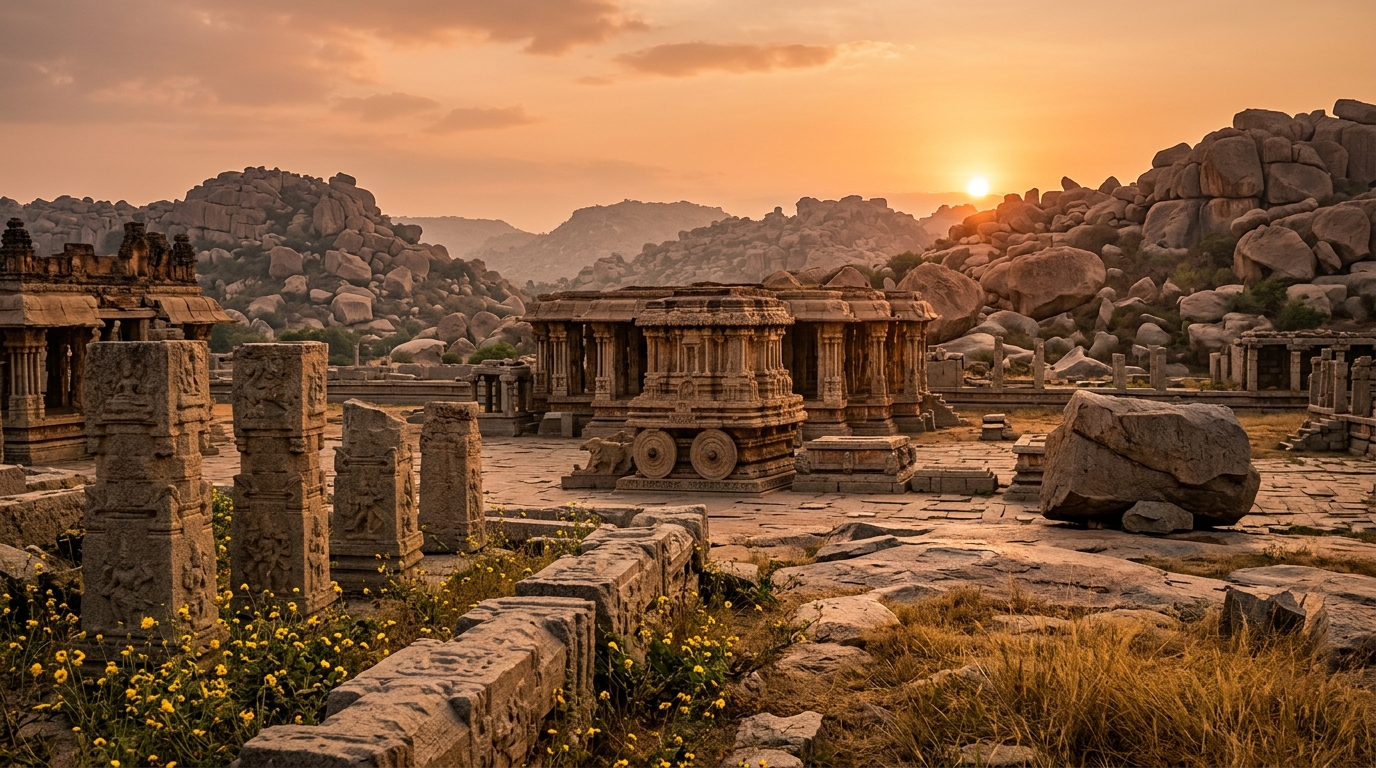
| Karnataka | Royal Palace Heritage & Nature | Mysore Palace, Coorg, Hampi Ruins | Adventure seekers, heritage explorers, coffee lovers |
| Kerala | Slow Travel & Wellness | Alleppey Backwaters, Munnar Tea Gardens, Kovalam | Couples, families, wellness seekers, nature admirers |
Determining Your Travel Duration
The length of your trip dictates how much territory you can comfortably cover. Based on your available time, consider these structured timelines:
- 7-Day Plan: Must restrict itself to a single small loop, such as Kochi to Munnar and Alleppey, to avoid spending too much time in transit.
- 10-Day Plan: Expands your boundaries to include a cross-border journey, such as Mysore to Wayanad.
- 2-Week Plan (The Sweet Spot): Highly recommended for first-time visitors. This duration allows for a classic route spanning from the cultural monuments of Karnataka down to the backwaters of Kerala. Anything less than a week usually results in spending more time in transit.
- 3-Week Plan: Permits a comprehensive, multi-state journey that captures both the eastern and western coasts in detail.
Two-Week Classic South India Itinerary
For travelers who want a balanced introduction to the region, a two-week classic route is highly recommended. This specific south india travel plan connects the historical remnants of old kingdoms with the natural serenity of the tropical coast. The route typically starts in Bangalore, the region’s primary aviation hub, and proceeds south through Mysore before crossing the mountains into Kerala. By adopting this physical path, your south india travel plan follows a logical geographical flow that minimizes backtrack routing. By identifying the top places to visit in south india, your route will follow a logical geographical flow. The journey transitions smoothly from bustling urban centers to royal cities, mountain forests, and finally to calm coastal waterways.
Week 1: Heritage and Hill Stations of Karnataka and Tamil Nadu
The first week of your south india travel plan focuses on the grand history and elevated landscapes of the inland regions. Starting in Bangalore, travelers immediately notice a modern, fast-paced city. But still, the true journey begins when heading southwest toward Mysore. The Bangalore and Mysore tour highlights the transition to historic royal heritage, defined by the spectacular Mysore Palace. From Mysore, the route climbs into the Western Ghats. A detour to Coorg is highly recommended for coffee plantations and misty valleys. A dedicated Coorg tour offers an excellent introduction to local culture. After experiencing the highlands, your south india travel plan moves across the state border into the Nilgiri hills of Tamil Nadu. Here, the historic mountain town of Ooty provides a cool respite from the hot plains below.
Week 2: Backwaters and Beaches of Kerala
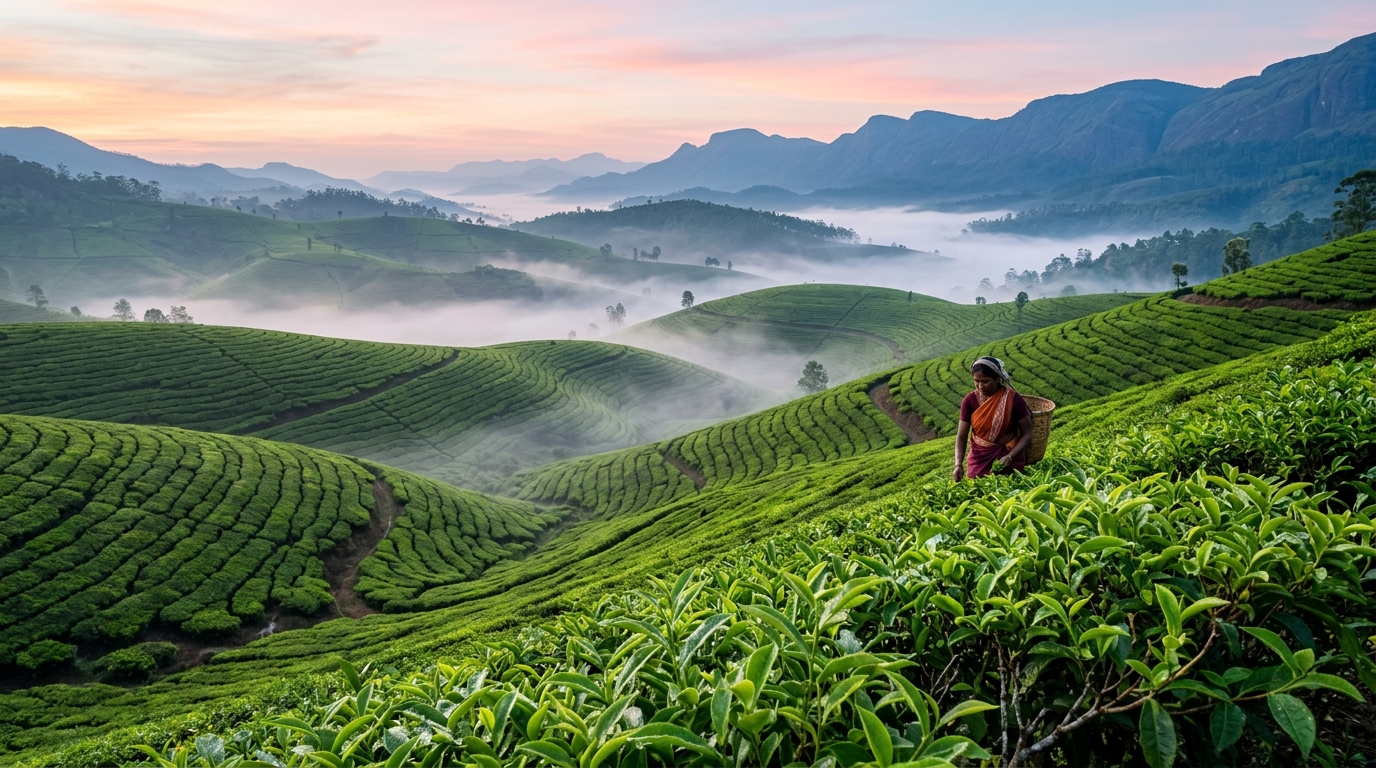
As the second week begins, your south india travel plan shifts focus toward the coastal state of Kerala. Descending from the hills, the route enters the port city of Kochi, historically known as Cochin. Kochi represents a fascinating cultural melting pot, where Chinese fishing nets sit alongside Portuguese churches and Jewish heritage sites. From Kochi, a comprehensive south india travel plan moves toward Munnar’s emerald tea plantations before heading to the backwaters of Alleppey. Spending a night on a traditional wooden houseboat is a mandatory highlight. The journey concludes along the coastal strip. Those seeking beach relaxation should look at premium Kerala travel packages that include the pristine sands of Kovalam. For a polished finish, a Kovalam tour provides the perfect beach ending before departing.
Here is a quick reference list of key stops during this classic two-week route:
- Bangalore: The urban gateway with historical gardens.
- Mysore: Famous for its grand palace and vibrant heritage markets.
- Coorg: Misty highlands dominated by coffee plantations.
- Kochi: Historic spice port with mixed European influences.
- Alleppey: The iconic backwaters enjoyed from a traditional houseboat.
- Kovalam: Relaxing crescent beaches overlooking the Arabian Sea.
Ten-Day Cultural and Coastal Itinerary
If your time is limited to ten days, a more targeted south india travel plan is necessary. Rather than attempting a multi-state loop that requires long drives, a ten-day itinerary should focus heavily on a specific thematic experience. This approach ensures that you spend your days exploring temples, tasting local cuisine, and relaxing, rather than staring at asphalt. If you want a comprehensive south india itinerary, a well-designed ten-day south india travel plan can take two main forms: an eastern cultural route through Tamil Nadu or a western wellness route through Kerala. Both paths offer rich rewards, but they cater to very different travel styles.
Exploring the East Coast: Chennai, Pondicherry, and Tanjore
The eastern route of your ten-day south india travel plan begins in Chennai, a bustling metropolis with deep classical roots. From Chennai, the journey moves south along the scenic East Coast Road to Mahabalipuram, famous for its seventh-century rock-cut temples. Continuing south, your south india travel plan reaches the unique town of Pondicherry. A specialized Pondicherry tour highlights the French Quarter, where mustard-colored villas and cobblestone streets contrast with traditional Tamil neighborhoods. Further south lies Thanjavur, the capital of the ancient Chola Empire. The Brihadeeswarar Temple here is a marvel of medieval engineering, featuring a massive granite dome carved from a single stone. This route is ideal for those who want their south india travel plan to focus on historical depth.
Unwinding in Kerala: Munnar and Kochi
For those who prefer nature to monuments, a ten-day south india travel plan focused on Kerala is the perfect alternative. This route begins in the historic harbor city of Kochi, allowing you to spend two days exploring its colonial heritage. From the coast, your south india travel plan ascends into the cool air of Munnar, situated roughly 1,600 meters above sea level. Munnar is famous for its sprawling tea estates, which look like manicured green carpets draped over the hills. The journey then moves to the calm waters of Alleppey for a serene houseboat cruise. Earlier, we noted the importance of slow-paced travel. This specific Kerala south india itinerary perfectly embodies that philosophy, ending with a day on the quiet beaches of Marari. It is a highly restorative route.
Crucial Practical Logistics for South India
Executing a seamless south india travel plan requires attention to practical details that are often overlooked in standard guidebooks. Southern India operates under different social norms, climate patterns, and transit systems than northern India. A failure to understand these differences can lead to unnecessary delays or cultural misunderstandings. Therefore, your south india travel plan must integrate realistic logistical expectations from the very beginning. From booking train tickets months in advance to knowing how to dress when visiting active religious sites, these small details make a massive difference. Preparation ensures that you focus entirely on the beautiful experiences.
Best Time to Visit South India
Timing is the most critical element of any south india travel plan. The region experiences a tropical climate, which means it is hot and humid for most of the year. The absolute best time to visit south india is during the winter months, from November to February. During this period, temperatures are relatively mild, ranging from 22°C to 30°C in the plains. According to the Indian Meteorological Department data (2024), the southwest monsoon brings heavy rainfall to the west coast from June through September. While some travelers enjoy the lush green scenery during the monsoon, most prefer the dry winter season. Your south india travel plan should avoid the intense summer heat of March through May.
Transportation and Transit Strategy
How you move between destinations is another vital component of your south india travel plan. For long distances, the Indian Railways network is highly efficient and offers a fascinating cultural experience. Critics say traveling by train in India is too chaotic for first-timers. They are not entirely wrong, but they overlook the comfort of a first-class air-conditioned sleeper (1AC) or two-tier air-conditioned sleeper (2AC) coach. However, for regional travel between smaller towns and hill stations, hiring a private car with a driver is the most practical choice. When designing your south india travel plan, remember that road travel in hilly terrains is slow. Average road speeds rarely exceed 40 kilometers per hour due to winding mountain roads. For independent travelers (often referred to as FITs or Fully Independent Travelers), utilizing regional flights between major cities saves valuable hours.
Packing and Cultural Etiquette
Your clothing choices must be carefully considered when finalizing your south india travel plan. Because of the warm tropical climate, lightweight cotton and linen fabrics are highly recommended. However, cultural modesty is incredibly important in southern India, particularly when visiting temples. Both men and women should wear clothing that covers their shoulders and knees. Some traditional temples have strict dress codes, requiring men to wear a traditional sarong (locally called a dhoti) and forbidding leather items inside. Therefore, a smart south india travel plan includes packing easily removable slip-on shoes, as footwear must be left at the entrance of all religious sites.
Budgeting and Accommodation Plans
A realistic financial blueprint is the final pillar of a successful south india travel plan. Southern India offers excellent value for money, but prices can vary widely depending on the level of comfort you require. From budget-friendly heritage homestays to luxury palace hotels, there is something for every wallet. Your south india travel plan should allocate funds across three main categories: accommodation, transit, and daily dining or activities. By understanding the local cost structure, you can avoid overspending while ensuring you do not miss out on unique experiences like houseboat stays. It is also important to plan for seasonal price fluctuations.
Estimating Daily Costs
To help you budget, a standard south india travel plan can be divided into three tiers of daily spending. Budget travelers can expect to spend around 2,500 to 4,000 Indian Rupees (INR) per day, utilizing public transport and local guesthouses. Mid-range travelers, who prefer private cars and boutique three-star hotels, will average 6,000 to 10,000 INR daily. For those seeking luxury, including five-star palace hotels and private houseboats, budgets can exceed 20,000 INR per day. Incorporating these estimates into your south india travel plan ensures financial clarity. Below is a detailed cost breakdown:
| Travel Component | Budget Tier (INR) | Mid-Range Tier (INR) | Luxury Tier (INR) |
|---|---|---|---|
| Double Room (Per Night) | 1,500 – 2,500 | 4,000 – 8,000 | 15,000+ |
| Daily Transport (Private/Train) | 500 – 1,000 | 2,500 – 4,500 | 6,000+ |
| Meals (Per Person/Day) | 400 – 800 | 1,200 – 2,500 | 4,000+ |
| Activities & Entrance Fees | 300 – 600 | 1,000 – 2,000 | 4,000+ |
Understanding Indian Meal Plans (CP, MAP, and AP)
When booking hotels for your south india travel plan, you will encounter standard hospitality meal acronyms. The Continental Plan (CP) includes room stay and breakfast, which is recommended for city stops where you want to explore local restaurants. The Modified American Plan (MAP) includes room stay, breakfast, and one major meal. MAP is an excellent choice for your south india travel plan when staying in remote hill stations or plantation resorts where dining options outside the property are limited. Finally, the American Plan (AP) includes all three daily meals, which is standard for houseboat bookings in Kerala. Choosing the correct meal plan prevents unexpected food bills and ensures a much smoother journey.