
Planning a journey through the southern peninsula of India often reveals a striking contrast to the bustling, monument-heavy northern corridors. This region offers a distinct experience defined by ancient Dravidian temples, mist-laden tea estates, and tranquil backwaters that move at their own deliberate pace. For travellers seeking a comprehensive experience, designing a structured south india travel plan is the most effective way to balance the sheer diversity of Karnataka, Tamil Nadu, and Kerala. From the high-tech streets of Bengaluru to the historic shores of Kochi, a well-conceived itinerary ensures that no critical cultural nuance or natural wonder is missed. The key lies in understanding how to connect these varied landscapes without succumbing to travel fatigue. This guide provides a balanced, realistic approach to uncovering the southern states, ensuring that every destination is enjoyed rather than merely checked off a list.
Key Takeaways for Your South India Travel Plan
- Optimal Timing: The winter season (October to March) is the ideal time to visit due to mild temperatures and lower humidity.
- Diverse Geography: This 14-day itinerary seamlessly bridges the dynamic cityscape of Karnataka, the scenic hills of Tamil Nadu, and the tranquil coastal backwaters of Kerala.
- Pacing is Essential: A physical transit of 14 days requires a balanced route to avoid travel fatigue across different terrains.
- Cultural Immersion: Essential highlights include experiencing a traditional Kerala houseboat stay, exploring ancient Dravidian architecture, and wandering through aromatic spice estates.
Why South India Demands Your Attention
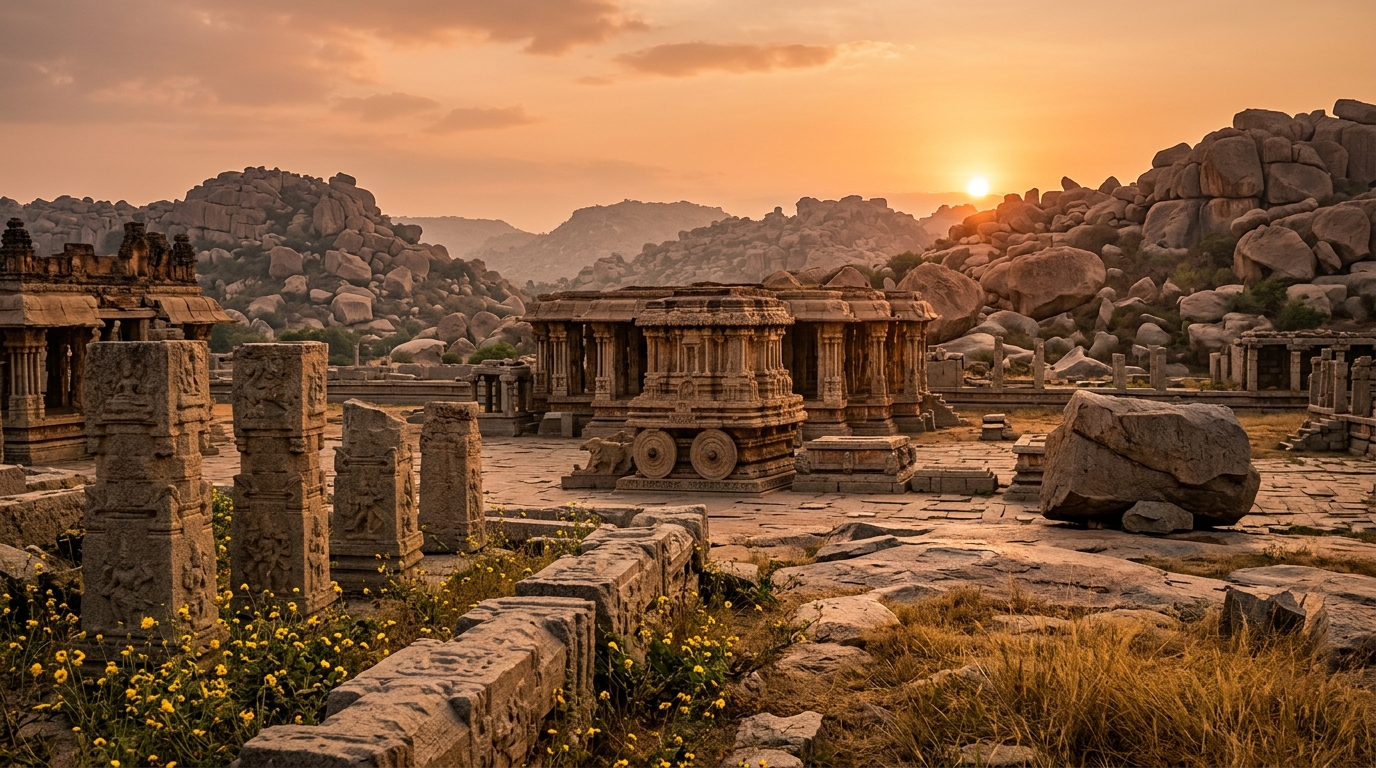
The southern half of the Indian peninsula is not simply a geographic variation of the north; it is a culturally distinct territory with its own languages, architectural styles, and culinary traditions. When starting a south india travel plan, one must recognise that the region boasts a history largely independent of northern empires. Here, the classical Dravidian architecture reigns supreme, characterised by towering, multi-coloured gopurams (temple gateway towers) that dominate the skyline in towns like Madurai and Thanjavur. This artistic legacy is complemented by a geography that shifts from the rugged Western Ghats to pristine coastal strips. Therefore, creating a detailed south india travel plan helps travellers deal with these profound regional differences. Identifying the best places to visit in South India requires an understanding of how distinct each state is, rather than treating the entire peninsula as a single destination.
Unlike the dry plains of Rajasthan, the southern states offer a completely unique sensory experience. Key highlights of this regional shift include:
- Lush Geography: An abundance of dense greenery, misty spice plantations, and vast aquatic canal systems.
- Distinct Culinary Profile: A shift from heavy, dairy-based northern curries to light, fermented rice dishes, coconut-infused gravies, and aromatic filter coffee.
- Wellness Traditions: A world-renowned hub for traditional Ayurvedic therapies and holistic rejuvenation.
For the FIT (Fully Independent Traveller – basically someone who prefers self-guided plans over structured tour groups), this approach offers absolute flexibility while exploring a region that is as warm as it is intellectually fascinating.
Determining the Best Season to Visit
Weather is a primary variable when structuring a south india travel plan. The regional climate is tropical, but the elevated hill stations of the Western Ghats offer temperate conditions year-round. Understanding the monsoon patterns is critical, as heavy rainfall can disrupt transport and outdoor activities, particularly along the coast of Kerala. The winter months represent the peak tourist season, offering pleasant daytime temperatures and cool evenings. This period is ideal for temple hopping in Tamil Nadu and exploring the wildlife sanctuaries of Karnataka. The summer months, while hot in the plains, remain highly attractive for those retreating to elevated sanctuaries like Ooty or Munnar. To assist in scheduling, the table below outlines the regional variations across the primary seasons:
| Season | Months | Climatic Conditions | Travel Suitability |
|---|---|---|---|
| Winter | October to March | Cool, dry, and pleasant (ranging from 15°C to 30°C) | Excellent for all sightseeing, backwater cruises, and heritage tours |
| Summer | April to June | Hot and humid in plains (can exceed 38°C); pleasant in hill stations | Recommended exclusively for hill stations like Munnar and Coorg |
| Monsoon | July to September | Heavy rainfall, high humidity, lush green landscapes | Ideal for Ayurvedic treatments and viewing active waterfalls |
When finalising a south india travel plan, travellers should align their specific interests with these seasonal shifts to ensure a comfortable journey. Making the right seasonal choice is the cornerstone of a successful trip, allowing you to avoid the worst of the summer humidity while catching the hills at their most vibrant.
The Ultimate 14-Day South India Travel Plan: An Overview
To experience the true essence of this diverse region, a fortnight is the recommended minimum duration. This specific 14-day south india travel plan is designed to bridge three major states: Karnataka, Tamil Nadu, and Kerala. By starting in the urban centre of Bangalore and concluding on the coastal shores of Kerala, travellers can observe the gradual shift in culture, cuisine, and geography. Designing a South India itinerary requires balancing physical travel times with dedicated rest days to avoid burn-out.
This route balances historical heritage with natural beauty, avoiding the exhaustion of over-scheduling. It serves as an excellent introduction for first-time visitors while offering enough depth for seasoned travellers. Critics say that a fortnight is too short to cover such a massive territory. They are not entirely wrong – but a well-planned route makes it highly achievable. This curated route is arguably the most efficient way to capture the distinct identities of the southern states. The following table provides a high-level summary of this classic South India itinerary:
| Day Range | Primary Destinations | Key Highlights | Approximate Travel Time |
|---|---|---|---|
| Days 1-3 | Bangalore and Mysore | Vidhana Soudha, Mysore Palace, Devaraja Market | 3 hours via train or highway |
| Days 4-6 | Wayanad and Ooty | Tea gardens, Nilgiri Mountain Railway, spice farms | 4 hours via road winding through forest |
| Days 7-9 | Munnar | Eravikulam National Park, Mattupetty Dam, tea estates | 6 hours via scenic mountain roads |
| Days 10-12 | Alleppey and Kochi | Overnight houseboat stay, Fort Kochi, Chinese fishing nets | 4 hours via plains and coastal roads |
| Days 13-14 | Varkala or Kovalam | Clifftop beaches, Ayurvedic therapy, coastal dining | 3.5 hours via coastal highway |
This structured approach acts as the backbone of our recommended south india travel plan, ensuring a seamless transition between destinations.
Detailed Itinerary: Week 1 – Royalty, Ruins, and Hill Stations
The first week focuses on the rich heritage of Karnataka and the stunning hills of the Western Ghats. This region provides a stark contrast between rapid modern development and preserved royal histories. Exploring the remnants of old kingdoms, wandering through spice gardens, and ascending the sprawling high-altitude plantations makes this phase of the south india travel plan particularly rewarding.
Days 1 to 3: Bangalore and Mysore – Transitioning from Silicon Valley to Royal Heritage
The journey begins in Bangalore (officially Bengaluru), the capital of Karnataka. It is basically a fascinating study in contrasts, where glassy corporate headquarters sit alongside historic colonial-era parks like Lalbagh Botanical Garden. As a starting point for this south india travel plan, Bangalore provides a gentle introduction to the country, offering excellent dining, craft breweries, and a modern metro system. Critics say Bangalore has lost its charm to traffic. They are not entirely wrong. But still, the city’s green sanctuaries remind visitors why it was once called the Garden City. After a day of exploring the city’s green spaces and the grand Tudor-style Bangalore Palace (a local favorite), travellers should journey south to Mysore (officially Mysuru).
Mysore is the cultural capital of Karnataka, famous for its royal heritage and yoga centres. The focal point of the city is the magnificent Mysore Palace, a brilliant example of Indo-Saracenic architecture. The palace is particularly spectacular on Sunday evenings when it is illuminated by nearly 100,000 light bulbs. For those interested in local trade, a walk through Devaraja Market offers an immersive sensory experience filled with heaps of fresh marigolds, blocks of aromatic sandalwood, and traditional Mysore silk sarees. Incorporating both destinations into a south india travel plan allows one to experience two completely different sides of Karnataka. To make the most of this region, travellers can explore curated packages, such as the Bangalore Mysore itinerary, which streamlines local transport and accommodation. Visiting these two cities in sequence provides an ideal foundation for understanding the historical transition from royal rule to modern commercial success.
Days 4 to 6: Wayanad and Ooty – Coffee Estates and Colonial Hills
Leaving the royal plains of Mysore, the route ascends into the Western Ghats, crossing the border into Kerala’s Wayanad district (a region known for its high-altitude agriculture) before moving toward Ooty in Tamil Nadu. This geographic transition helps structure the physical transit of the south india travel plan, moving from bustling urban centres to quiet mountain environments. Wayanad is highly celebrated for several distinct experiences:
- Mist-Capped Peaks & Wildlife: Dense forests home to wild elephant herds and spectacular trekking paths.
- Edakkal Caves: An ancient heritage site featuring remarkable petroglyphs that date back to the Neolithic era.
- Coffee & Spice Estates: Vast properties where visitors can stay in heritage bungalows and learn about Robusta and Arabica cultivation.
From Wayanad, a scenic drive leads to Ooty (officially Udhagamandalam), the former summer capital of the Madras Presidency. Ooty is famous for its colonial architecture, botanical gardens, and the Nilgiri Mountain Railway, a UNESCO World Heritage site. Riding this historic steam toy train as it winds through steep valleys and pine forests is highly recommended for a comprehensive south india travel plan. The cool mountain air and slower pace of life in these hill stations provide a refreshing break before descending into the tropical plains of Kerala.
Detailed Itinerary: Week 2 – Backwaters, Culture, and Coastal Charm
The second week of the journey transitions entirely into Kerala, often referred to as “God’s Own Country.” This coastal state offers a distinct cultural landscape, characterised by its network of coastal lagoons, vast coconut plantations, and historic port cities. This phase is the cornerstone of any classic south india travel plan, offering a harmonious blend of relaxation, wellness traditions, and rich cultural heritage.
Days 7 to 9: Munnar – Rolling Hills and Tea Plantations
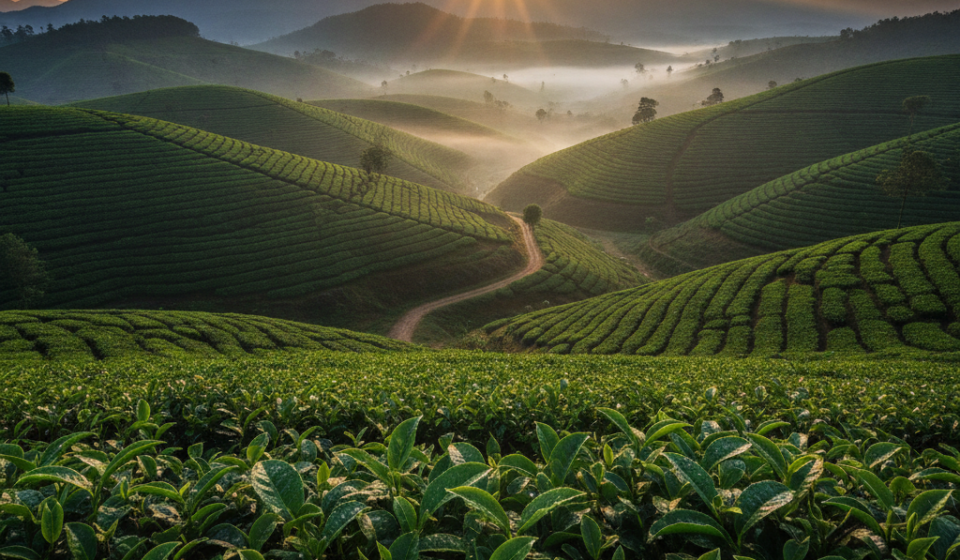
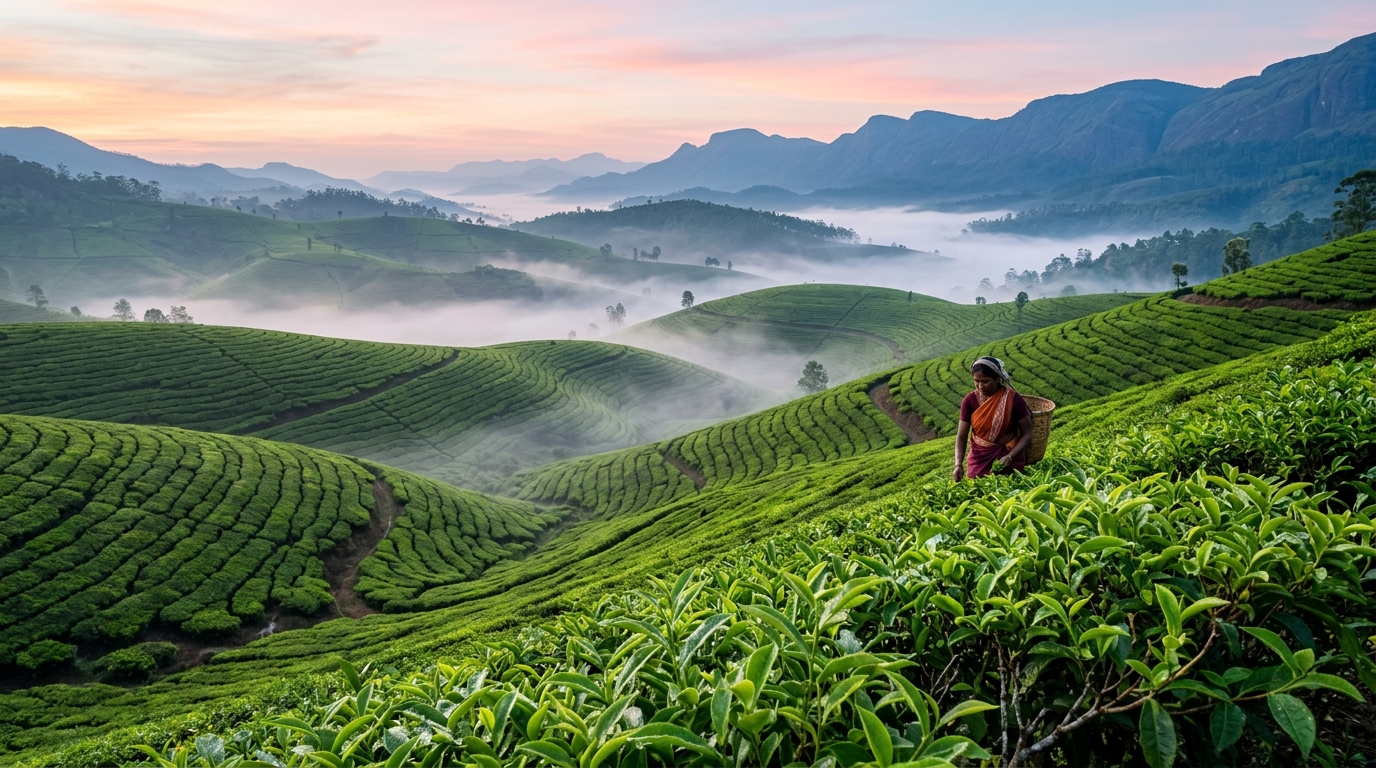
Descending from the Nilgiri hills, the route leads to Munnar, the tea capital of Kerala. Situated at the confluence of three mountain streams, Munnar is famous for its endless expanses of tea estates that cover the hills like a green carpet. The cool climate makes this destination a highlight of the south india travel plan. The visual layout of these hills, framed by low-hanging clouds, provides an incredible backdrop for early morning walks.
Travellers should visit the Tata Tea Museum to understand the intricate process of tea manufacturing. For nature enthusiasts, a visit to Eravikulam National Park is essential, as this sanctuary is home to the endangered Nilgiri Tahr mountain goat. Walking through the spice gardens of Munnar (where cardamom, black pepper, and cinnamon grow) adds a fragrant element to the journey. This highland experience provides a beautiful contrast to the warm, aquatic lowlands ahead on the itinerary.
Days 10 to 12: Alleppey and Kochi – Houseboats and Colonial History
Leaving the misty hills of Munnar, the south india travel plan moves toward the famous coastal waters of Kerala. The first stop is Alleppey (officially Alappuzha), the gateway to the vast network of Kerala backwaters. Experiencing an overnight stay on a traditional houseboat (locally known as a kettuvallam) is a non-negotiable element of the travel experience. These houseboats, originally used to transport harvested rice, have been converted into floating luxury suites that glide peacefully across the lagoons.
As noted in the annual review by the Kerala Tourism Department, the backwaters span over roughly 900 kilometres of waterways (depending on how the smaller tributaries are measured), offering a glimpse into a unique aquatic lifestyle. Cruising along these quiet canals reveals local villages, coir-weaving workshops, and historic temples. Following the houseboat experience, travellers head north to Kochi (formerly Cochin), a historic port city that has welcomed global traders for centuries. Fort Kochi, the historical heart of the city, features a fascinating blend of Portuguese, Dutch, and British colonial architecture. Key attractions include:
- Chinese Fishing Nets: Massive cantilevered structures that line the shore, introduced by Chinese traders in the 14th century.
- St. Francis Church: Built in 1503, this is the oldest European-built church in India and the original burial site of explorer Vasco da Gama.
- Kathakali Performance: A traditional dance-drama form known for its elaborate costumes and dramatic makeup.
This historical depth makes the transition into coastal Kerala on this south india travel plan deeply memorable. To explore detailed options for this region, travellers can review specialized Kerala tour packages that cover accommodation and houseboat bookings.
Days 13 to 14: Varkala or Kovalam – Coastal Relaxation
The final segment of the south india travel plan leads to the southern coast of Kerala, where travellers can choose between the dramatic cliffs of Varkala or the crescent-shaped beaches of Kovalam. Both destinations offer an ideal setting for relaxation. Varkala is famous for its unique red cliffs bordering the Arabian Sea. The clifftop is lined with excellent open-air restaurants and yoga studios, overlooking the sacred Papanasam Beach.
In contrast, Kovalam is a developed beach resort town, famous for its striped lighthouse and shallow waters. Both towns are renowned centres for traditional Ayurvedic therapies. Enjoying a rejuvenating oil massage or a Shirodhara session offers a relaxed end to the south india travel plan. Whether choosing Varkala or Kovalam, this final phase of the south india travel plan ensures that the trip ends on a peaceful note, letting travellers return home physically refreshed.
Practical Logistics for Your South India Travel Plan
Executing a complex south india travel plan requires careful preparation regarding transport, accommodation, and cultural norms. Because the southern states cover a large geographic area, understanding your transit options is crucial for a smooth and stress-free journey. In terms of practical travel tips for South India, preparing for local customs is just as important as sorting out your tickets.
To help budget and coordinate transport, the table below outlines the primary transit methods available throughout the southern states:
| Transport Mode | Ideal For | Pros | Cons / Considerations |
|---|---|---|---|
| Private Chauffeur / Cab | Short-to-medium intercity transits & scenic routes (e.g., Mysore to Wayanad) | Maximum flexibility; door-to-door comfort; spontaneous sightseeing stops | Higher cost compared to public transit |
| Indian Railways (Train) | Longer distances between major hubs (e.g., Bangalore to Mysore) | Cost-effective; highly scenic; local cultural experience | Must be booked weeks in advance to secure AC classes (1AC, 2AC, CC) |
| KSRTC / Kerala RTC Buses | Budget travelers navigating steep hill stations (e.g., Ooty, Munnar) | Extremely affordable; high frequency of departures | Can be bumpy and less comfortable on winding mountain roads |
Here are the essential logistical considerations to finalize a robust south india travel plan:
- Transportation: Booking trains in advance is recommended. For shorter transits, hiring a private vehicle with a driver is the most flexible option. This allows for spontaneous stops at scenic viewpoints and temples along the way.
- Accommodation: Options range from heritage properties to forest lodges. Booking in advance is essential to secure the best rates for your south india travel plan.
- Packing Essentials: Loose, breathable cotton clothing is ideal, but warmer layers are necessary for elevated hill stations like Munnar and Ooty. Modest clothing is mandatory when visiting religious sites.
- Cultural Etiquette: Always remove your footwear before entering temples. Engaging local guides can greatly enhance your understanding of regional history.
Ultimately, addressing these structural details ensures that your south india travel plan executes without surprises.
Conclusion
A thoughtful south india travel plan does not merely move a traveller from one monument to another; it is basically a journey through distinct cultural and geographic landscapes. By balancing the historical monuments of Karnataka, the colonial hill stations of Tamil Nadu, and the relaxing backwaters of Kerala, this 14-day itinerary provides a comprehensive and memorable experience. Whether walking through aromatic spice plantations, staying on a traditional houseboat, or exploring centuries-old temples, visitors will discover a region defined by its warmth, beauty, and ancient heritage. Planning carefully, respecting local traditions, and traveling at a measured pace will ensure that your journey through South India remains a lifelong highlight.