
A journey through the southern peninsula of India reveals a distinct mosaic of language, architecture, and culinary traditions that differs significantly from the northern plains. Designing an efficient south india travel plan requires a clear understanding of regional geography, transportation links, and seasonal weather patterns. From the ancient carved stone temples of Tamil Nadu to the tranquil backwaters of Kerala and the mist covered coffee plantations of Karnataka, this region demands a methodical approach to travel curation. Without a structured plan, travelers risk spending more time in transit than absorbing the distinct heritage of each state. A well orchestrated route ensures that cultural exploration and leisure balance perfectly, maximizing both time and financial resources. This comprehensive guide provides the structural framework, logistical insights, and budget estimations necessary to execute a flawless southern Indian expedition and refine a customized south india travel plan.
Key Takeaways for Your South India Travel Plan:
- Choose Your Corridor: Select from Temple & Heritage, Coastal & Backwater, or Western Ghats routes to minimize transit times and avoid travel fatigue.
- Optimal Season: Plan your journey between October and March for pleasant weather, or June to September for authentic Ayurvedic wellness treatments.
- Balanced 10-Day Itinerary: Combine the royal heritage of Mysuru, hill trails of Coorg/Munnar, and relaxing canals of Kochi and Alappuzha.
- Budget Planning: Keep transport costs in check by balancing private AC car rentals (3,500 – 5,000 INR/day) with economic express train transfers.
- Cultural Etiquette: Prepare for strict dress codes at active temples and enjoy local culinary thalis on traditional banana leaves.
Choosing the Best Route for a South India Travel Plan
The vastness of the southern peninsula means that attempting to cover every state in a single short visit is often counterproductive. A successful south india travel plan must categorize destinations by theme and geographical proximity. Broadly speaking, the region divides into three primary travel corridors, each catering to different travel styles and cultural interests. When beginning to draft a south india travel plan, deciding between coastlines and historic cities is the first major choice.
The Classic Temple and Heritage Route
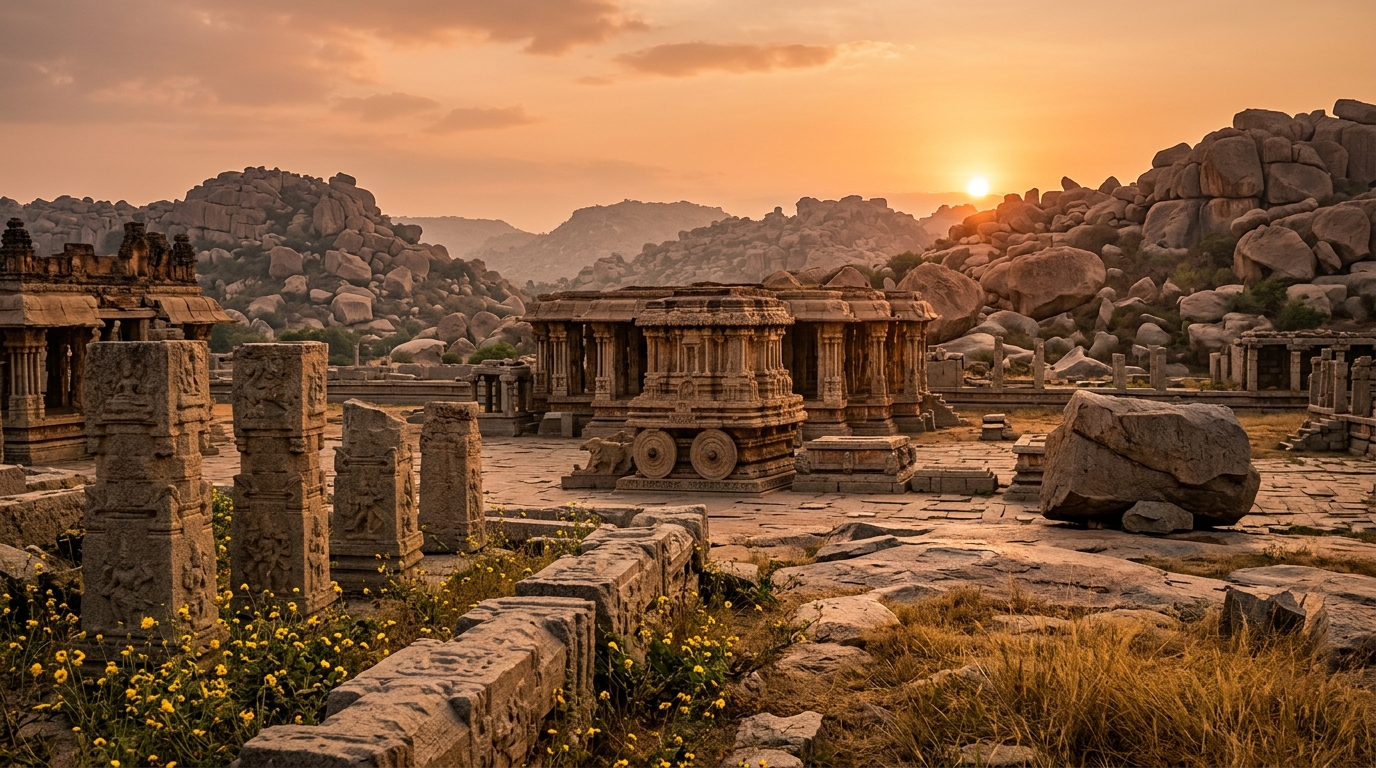
This route focuses heavily on the historical and architectural marvels of Tamil Nadu and southern Karnataka. It typically begins in Chennai, moving onward to the UNESCO World Heritage monuments at Mahabalipuram, the monumental temples of Thanjavur, and the vibrant heritage mansions of Chettinad. Travelers on this trajectory gain deep exposure to Dravidian architecture, which is characterized by towering gopurams (ornate temple entrance gateways) and sprawling temple complexes. This route also appeals to those interested in classical dance, bronze casting, and ancient handloom weaving traditions. It is a highly educational path that requires a patient, appreciative mindset, as the heat and crowds of temple towns can be intense. Integrating these ancient sites into a south india travel plan requires understanding the driving distances between towns.
The Coastal and Backwater Route
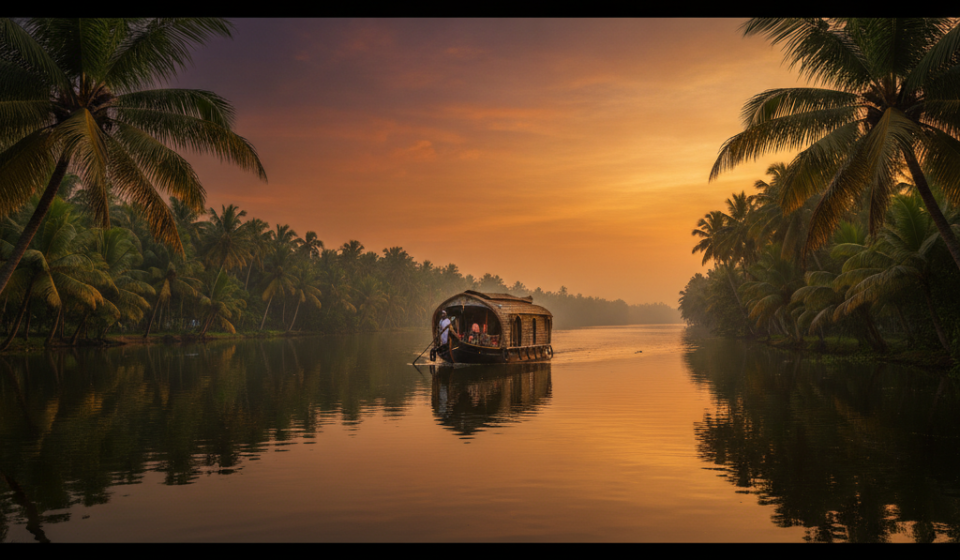
For those prioritizing relaxation, natural beauty, and wellness, the coastal route along the Arabian Sea is the ideal option. This path primarily spans the length of Kerala, starting from the historic port town of Kochi, ascending into the tea estates of Munnar, and descending into the backwaters of Alappuzha. The defining experience here is a stay on a traditional houseboat, combined with authentic Ayurvedic rejuvenation therapies. This corridor operates at a slower, more deliberate pace, making it highly suitable for families, honeymooners, or anyone recovering from a hectic corporate schedule. For many, this relaxed pace makes the coastal route the centerpiece of a south india travel plan.
The Western Ghats and Hill Station Route
This route winds through the high altitude areas of Karnataka, Kerala, and Tamil Nadu, offering a cooler climate and rich biodiversity. Key destinations include Coorg, Wayanad, and Ooty. These areas are characterized by extensive spice plantations, dense forests, and tea gardens. Travelers can engage in activities like trekking, wildlife viewing, and plantation tours. The region serves as an essential counterpoint to the humid coastal plains, providing a refreshing climate and a focus on nature rather than historic monuments. Including these green corridors in a south india travel plan ensures a balanced itinerary of nature and urban culture.
By matching personal interests to one of these three corridors, travelers can construct an itinerary that minimizes travel fatigue and maximizes engagement with the local environment.
| Route Corridor | Primary Highlights | Ideal Traveler Profile |
|---|---|---|
| Temple and Heritage | Mahabalipuram, Thanjavur, Madurai, Hampi | History enthusiasts, architecture lovers, and cultural explorers |
| Coastal and Backwater | Kochi, Alappuzha backwaters, Varkala beach | Leisure travelers, wellness seekers, and couples |
| Western Ghats and Hills | Coorg, Munnar, Ooty, Wayanad | Nature lovers, adventure trekkers, and wildlife enthusiasts |
Optimal Seasonality: Best Time to Visit South India
Weather is a crucial variable when designing a south india travel plan. Because the peninsula sits close to the equator, temperatures remain warm throughout the year, but rainfall patterns vary dramatically across the eastern and western coasts. Understanding the local monsoon shifts helps determine the absolute best time to visit south india.
Understanding the distinct seasonal phases helps customize your itinerary:
- Winter (October to March): The absolute best time to visit south india. Scorching summer heat subsides, and humidity drops to comfortable margins. Temperatures in the plains hover between 22 and 30 degrees Celsius, while high-altitude hill stations like Munnar and Ooty can experience crisp nights dipping below 10 degrees Celsius. This is the prime season for sightseeing, beach activities, and wildlife sanctuary tours.
- Monsoon (June to September): Offering a unique perspective especially for wellness tourism, the southwest monsoon hits the coast of Kerala in June. Heavy downpours transform the countryside into an intense green. In traditional Indian medicine, this wet and cool period is considered the optimum time for Ayurvedic treatments, as the skin pores open up to be more receptive to herbal oils.
- Summer (April to May): Characterized by intense heat and high humidity, with temperatures frequently exceeding 38 degrees Celsius in inland regions. Coastal areas can feel exceptionally oppressive. Travelers who choose to visit during these months should focus a south india travel plan almost exclusively on the high-altitude sanctuaries of the Western Ghats to escape the heat.
Key seasonal factors to consider include:
- The Festive Season: Traveling through the region during major festivals like Pongal (January) or Onam (typically August or September) offers immense cultural richness, though aligning this with a south india travel plan requires advance bookings.
- Wildlife Sighting Windows: National parks like Nagarhole and Bandipur are best visited between March and May when animals congregate around diminishing water sources, despite the high summer heat.
- Monsoon Closures: Certain houseboat operations in the backwaters and beach shacks along the Karnataka coast shut down entirely during peak monsoon months (June to August) due to safety concerns and rough seas.
Crafting the Perfect 10-Day South India Tour Itinerary
For first-time visitors seeking a balanced experience of culture, nature, and relaxation, establishing a robust south india travel plan over a 10-day period is highly recommended. Developing a cohesive south india tour itinerary requires selective planning to avoid long, exhausting road journeys. This route connects the cultural capital of Karnataka (Mysore) with the hill stations and backwaters of Kerala, utilizing a mix of road and rail transport.
Days 1-3: Cultural Immersion in Karnataka
The journey begins in Bengaluru, the region’s main aviation hub. After a brief stay to adjust, travelers proceed directly to Mysuru (formerly Mysore), which serves as the cultural heart of Karnataka.
- Day 1: Arrival and Garden City Exploration: Arrive in Bengaluru and explore the Lalbagh Botanical Gardens. Take a late-afternoon train or private car to Mysuru (a journey of roughly three hours, depending on traffic).
- Day 2: Royal Heritage of Mysuru: Dedicate the day to the magnificent Mysore Palace, a spectacular example of Indo-Saracenic architecture. In the evening, visit the Chamundi Hill temple for a panoramic view of the city.
- Day 3: Journey to the Hills: Travel from Mysuru to Coorg (roughly a three-hour drive). Spend the afternoon walking through a fragrant coffee plantation and learning about the coffee harvesting process (a highly engaging experience for culinary enthusiasts). If you want to walk through mist-covered hills, exploring Coorg tour packages is an excellent starting point.
Days 4-6: Exploring the Hills and Wildlife of Kerala
From Karnataka, the south india travel plan crosses the state border into Kerala, descending into the dense forests and tea gardens of Wayanad or Munnar.
- Day 4: Wayanad Wildlife and Caves: Explore the ancient petroglyphs at Edakkal Caves and take a jeep safari through the Wayanad Wildlife Sanctuary to spot wild elephants and gaurs.
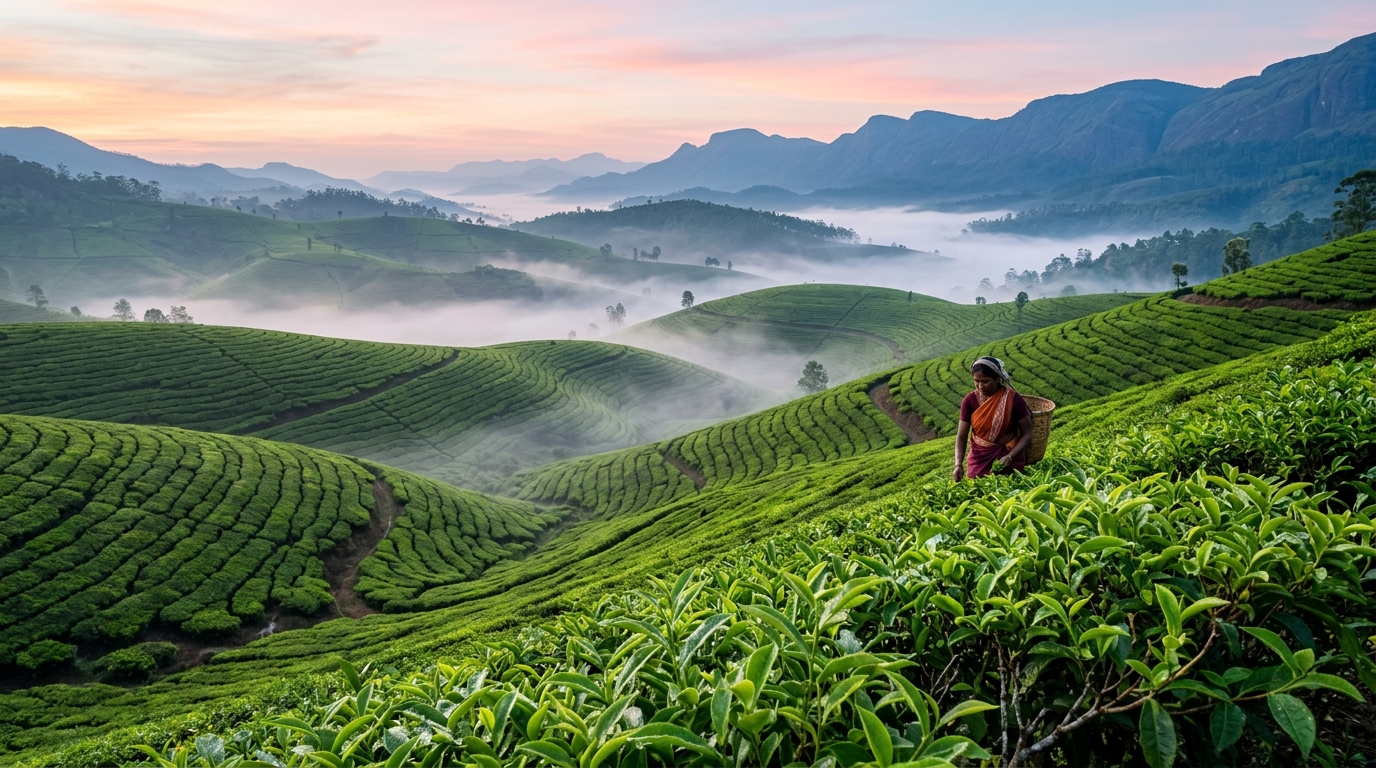
- Day 5: Transfer to Munnar: Take a scenic drive to Munnar, the premier hill station of Kerala. The drive winds through steep mountain passes (or ‘ghats’) lined with emerald tea estates.
- Day 6: Tea Estate Trails: Visit the Lockhart Tea Museum and trek through the Munnar hills. The cool mountain air provides a welcome relief from the humid plains.
Days 7-10: Coastal Relaxation and Backwaters
The final leg of this south india tour transitions from the cool hills to the tropical coastline, focusing on the cultural heritage of Kochi and the serene backwaters of Alappuzha.
- Day 7: Colonial History in Kochi: Drive down to Fort Kochi. Spend the afternoon exploring the historic spice markets, the 16th-century Jewish Synagogue, and the iconic Chinese Fishing Nets lining the harbor.
- Day 8: The Houseboat Experience: Drive to Alappuzha (often called Alleppey) and board a private kettuvallam (a traditional thatched houseboat). Drifting through the narrow, palm-fringed canals while eating freshly prepared local cuisine is arguably the highlight of any southern voyage. For those looking to experience the tranquil waterways first-hand, checking out customizable Kerala tour packages can save significant planning hassle.
- Day 9: Beachside Leisure in Kovalam: Travel south to Kovalam, a premier beach destination known for its iconic lighthouse and crescent-shaped beaches. Spend the day relaxing by the sea or indulging in a traditional Ayurvedic massage.
- Day 10: Departure from Thiruvananthapuram: Conclude the south india travel plan with a short drive to the international airport in Thiruvananthapuram (Trivandrum) for your onward flight.
This structured itinerary ensures that a south india travel plan covers three distinct ecological zones, providing a comprehensive overview of the region’s diverse offerings without feeling overly rushed.
Budget Breakdown: Estimating Your South India Trip Expenses
Creating a realistic budget is a fundamental component of any south india travel plan. South India is generally more budget-friendly than northern India regarding accommodation and food, though transport costs can escalate due to the distances between major cities. To help plan, this south india budget guide breaks down expenses into three distinct tiers of travel. Whether planning a solo adventure or a family holiday, structuring a south india travel plan with clear cost estimates prevents unexpected financial surprises. Financing a south india trip involves balancing fixed transportation costs with flexible dining choices. This south india budget guide aims to provide a clear, transparent view of real-world costs.
Accommodation Options and Costs
Lodging options across the region are diverse, ranging from historical homestays to high-end luxury resorts.
- Budget Tier: Clean guesthouses and hostels cost roughly 1,200 to 2,500 INR per night. These usually feature basic amenities, fan-cooled or air-conditioned rooms, and shared or private bathrooms.
- Mid-Range Tier: Comfortable three-star hotels, boutique homestays, and plantation bungalows range from 3,500 to 7,500 INR per night. This tier often provides excellent value, offering personalized service and delicious local breakfasts.
- Luxury Tier: Five-star heritage properties, luxury beach resorts, and private houseboats range from 12,000 to 35,000 INR per night. Landmark heritage hotels (like the Brunton Boatyard in Kochi or Taj Falaknuma Palace in Hyderabad) offer unmatched historical character.
Transport and Commute Pricing
Private transport is often the most efficient way to execute a complex south india travel plan, especially when traveling with family or heavy luggage. Hiring a private air-conditioned car with a professional driver typically costs between 3,500 and 5,000 INR per day, which includes the driver’s lodging and meals. For solo travelers or those on a budget, the extensive rail network is highly economical. An air-conditioned chair car (CC) or three-tier sleeper (3AC) ticket on an express train generally costs between 500 and 1,500 INR, depending on the distance. Using trains for longer overnight journeys is a highly recommended tactic to optimize a south india travel plan budget.
To help you choose the best transit options for your south india travel plan, here is a quick comparison of regional transport modes:
| Transport Option | Average Cost Range (INR) | Best For | Key Advantages |
|---|---|---|---|
| Private AC Car & Driver | 3,500 – 5,000 / day | Families, multi-stop routes, luggage comfort | Maximum flexibility, door-to-door transit, local driver expertise |
| Express Trains (AC Chair/3AC) | 500 – 1,500 / ticket | Budget-conscious couples, long city-to-city transfers | Highly economical, relaxing, authentic cultural experience |
| Interstate Buses (KSRTC/SETC) | 300 – 1,200 / ticket | Solo travelers, short journeys between major hubs | Frequent departures, extensive network coverage |
Food, Sightseeing, and Daily Allowances
Dining in South India is remarkably inexpensive unless you dine exclusively in five-star hotel restaurants. A traditional South Indian meal, often served on a banana leaf (known as a ‘meals’ or ‘thali’), costs between 120 and 250 INR at clean local eateries. Sightseeing fees are also modest, though foreign national tickets for major monuments like the Mysore Palace or Mahabalipuram are priced higher than domestic tickets. Designing a comprehensive south india travel plan requires factoring these admission differences into the daily cost estimates.
The table below outlines the estimated daily cost per person (excluding international flights) for a typical south india trip.
| Expense Category | Budget Traveler (INR / Day) | Mid-Range Traveler (INR / Day) | Luxury Traveler (INR / Day) |
|---|---|---|---|
| Accommodation | 1,500 – 2,500 | 4,000 – 7,000 | 15,000 – 30,000 |
| Transport | 500 – 1,000 (Train/Bus) | 3,500 – 5,000 (Private Car) | 6,000 – 10,000 (Luxury Car/Flights) |
| Food & Dining | 400 – 800 | 1,200 – 2,500 | 4,000 – 8,000 |
| Sightseeing & Activities | 300 – 600 | 1,000 – 2,500 | 3,000 – 7,000 |
| Total Estimated Daily Spend | 2,700 – 4,900 | 9,700 – 17,000 | 28,000 – 55,000 |
Practical Tips for a Seamless South India Tour
Executing a seamless south india travel plan requires paying attention to local customs and temple regulations. Therefore, adjusting a south india travel plan to incorporate regional nuances ensures a smoother experience. Here is some practical advice to ensure a successful south india tour.
Cultural Etiquette and Temple Norms
Many active temples in South India enforce strict dress codes to preserve spiritual sanctity. Incorporating these guidelines into your south india travel plan prevents cultural misunderstandings:
- Temple Dress Codes: Modest attire covering both legs and shoulders is strictly required. For certain traditional temples, men may need to wear a dhoti (veshti) and women a saree or salwar kameez.
- Footwear Protocols: Footwear must always be left at the temple entrance. Wearing slip-on shoes is highly practical for quick removals.
- Inner Sanctum Rules: Note that some historic temples restrict entry into the inner sanctum (garbhagriha) to practicing Hindus. Always check signage.
- Photography Restrictions: Photography is generally forbidden inside the main temple chambers. Respect these rules to avoid fines or confiscation of equipment.
Language and Local Communication
While English is widely understood, learning a few words in regional languages (like Tamil or Malayalam) builds rapport. Adding these minor regional elements to a south india travel plan will enrich interactions with local communities. For travelers seeking a completely hassle-free journey, aligning a south india travel plan with experienced travel operators can elevate the entire experience.