

The southern peninsula of India presents a complex geography where historical kingdoms, tropical coastlines, and elevated tea estates converge. Unlike the desert corridors of the north, this region demands a slower, more deliberate pacing to truly appreciate its distinct language families, culinary traditions, and temple architecture. Developing an optimized south india travel plan requires balancing these varied elements to avoid the common pitfall of over-scheduling. From the Dravidian stone carvings of Tamil Nadu to the quiet backwaters of Kerala, a successful journey depends on understanding regional distances and seasonal variations. Managing these transitions smoothly is not merely a matter of booking transport. It is basically an exercise in cultural appreciation. For those seeking to craft a structured, comprehensive south india travel plan, analyzing the logistics before selecting destinations is the most reliable path to an enriching experience.
Key Takeaways for Your South India Travel Plan
- Select Your Corridor: Focus on either the Western Corridor (nature, wildlife, backwaters) or the Eastern Corridor (temples, heritage, culture) to avoid travel fatigue.
- Determine Ideal Duration: Allocate a minimum of 10 to 14 days to fully appreciate the region’s diverse cultural landscapes.
- Optimal Timing: Plan your journey between October and March to benefit from the most comfortable tropical climate.
- Smart Transport Layout: Mix comfortable express trains for intercity connections with private hired vehicles for remote sites.
- Respect Local Norms: Follow temple dress codes and local dining customs to ensure smooth cultural transitions.
Essential Elements of a Strategic South India Travel Plan
A strategic south india travel plan must begin with a clear understanding of the subcontinent’s vast geography. The southern territory spans five distinct states (along with Union Territories), each presenting unique cultural environments and linguistic identities. Attempting to cover all these regions in a single, rushed itinerary often results in excessive transit times and surface-level experiences. For those who prefer a structured approach, many high-end south india tour packages offer comprehensive logistical support, including private transport and pre-arranged guides.
Defining Your Geographical Scope
To build an effective south india travel plan, a traveler must choose between two primary corridors. The western corridor focuses on the lush ecosystems of Karnataka and Kerala, while the eastern corridor highlights the deep historical heritage of Tamil Nadu. When identifying the most compelling places to visit in south india, it is useful to group destinations by their primary characteristics.
- The Western Corridor: This route is characterized by coffee estates, mist-covered hills, and quiet coastal stretches. Key nodes include Bangalore, Mysore, Coorg, and the expansive backwaters of Kerala.
- The Eastern Corridor: This circuit emphasizes ancient stone architecture, classical music, and French colonial history. Key points of interest include Chennai, Mahabalipuram, Pondicherry, and the Great Living Chola Temples of Tanjore.
Selecting one corridor over another prevents the exhaustion of constant cross-peninsula travel. A well-designed south india travel plan focuses on depth rather than superficial breadth, ensuring that each destination is fully appreciated.
Optimising Travel Duration and Transport Networks
A successful south india travel plan requires an optimal allocation of days. While a brief seven-day trip is possible, a comprehensive exploration demands a minimum of ten to fourteen days (depending on the specific regions chosen). This window allows for a balanced mix of urban exploration, natural sanctuaries, and historic monuments.
Understanding the transport networks is equally critical for a functional south india travel plan. Rail remains the most culturally immersive mode of transport, with the Shatabdi Express offering reliable connectivity between major urban centers like Chennai, Bangalore, and Mysore. For shorter distances or remote hill stations, hiring a private vehicle with an experienced driver is highly recommended. This approach offers unparalleled flexibility, allowing travelers to halt at wayside attractions and rural markets that are otherwise inaccessible. When drafting your south india travel plan, budget for extra travel time during the afternoon hours, as traffic in historic town centers can become congested.
Route 1: The Classic Heritage and Coastal Circuit (10 Days)
This classic route serves as an excellent foundation for an initial south india travel plan. It smoothly bridges the royal history of Karnataka with the pristine natural landscapes of northern Kerala. This ten-day south india itinerary is highly recommended for first-time visitors seeking a balanced overview of the region.
Days 1 to 3: Bangalore, Mysore, and Kabini
This phase of your journey seamlessly connects progressive urban environments with royal heritage and pristine wilderness:
- Day 1 (Bangalore): The journey commences in Bangalore (officially Bengaluru), the modern technological epicenter of the nation. While the city is celebrated for its contemporary lifestyle, the historic Lalbagh Botanical Garden and the Tudor-style Bangalore Palace provide a rich starting point. Spend Day 1 acclimatizing and exploring these urban green spaces.
- Day 2 (Mysore): A three-hour drive south brings travelers to Mysore (now Mysuru), the historic seat of the Wodeyar dynasty. The primary focus here is the magnificent Mysore Palace, particularly spectacular when illuminated on Sunday evenings. A visit to the Chamundi Hill temple provides panoramic views of the city. The historic city of Mysore also features the bustling Devaraja Market. This traditional bazaar is filled with fresh flowers, conical mounds of colored powder, and locally produced sandalwood oils, making it an excellent location for street photography. For those seeking custom curated arrangements, incorporating professional Bangalore Mysore travel packages into your overall south india travel plan ensures hassle-free entry to these historical sites.
- Day 3 (Kabini): Travel further south to the Kabini Forest Reserve, a part of the Nagarahole National Park. Once a private hunting ground for the Maharaja of Mysore, it is now one of India’s premier wildlife sanctuaries. A boat safari on the Kabini River offers opportunities to spot Asian elephants, gaurs, and the elusive black panther.
Days 4 to 6: Wayanad and the Malabar Coast
Cross the state border into Kerala on Day 4, ascending the Western Ghats to reach the misty district of Wayanad. This region is defined by spice plantations, tea gardens, and ancient caves. A visit to the Edakkal Caves reveals Neolithic rock carvings dating back roughly 6,000 years (a testament to the deep antiquity of human settlement here). Wayanad is also known for its extensive bamboo forests and organic agricultural initiatives. The local culinary scene features unique ingredients such as wild forest honey and specialty bamboo rice, providing a distinct dining experience.
On Day 5, descend toward the Malabar Coast, arriving at the historic port city of Kozhikode (formerly Calicut). This is where Portuguese explorer Vasco da Gama first set foot on Indian soil in 1498. The culinary heritage here is distinct, with Malabar parotta and Kozhikode biryani representing essential dining experiences.
Day 6 is dedicated to exploring the coastal beauty of the Malabar region. Quiet beaches like Kappad offer a serene contrast to the bustling cities, making it a critical addition to any comprehensive south india travel plan.
Days 7 to 10: Cochin, Alleppey Backwaters, and Marari Beach
On Day 7, head south to Kochi (Cochin), a cosmopolitan port city shaped by centuries of maritime trade. The historic fort area, Fort Kochi, displays a unique blend of Portuguese, Dutch, British, and Chinese influences. Key attractions include the iconic Chinese Fishing Nets, the St. Francis Church, and the highly detailed murals of the Mattancherry Palace.
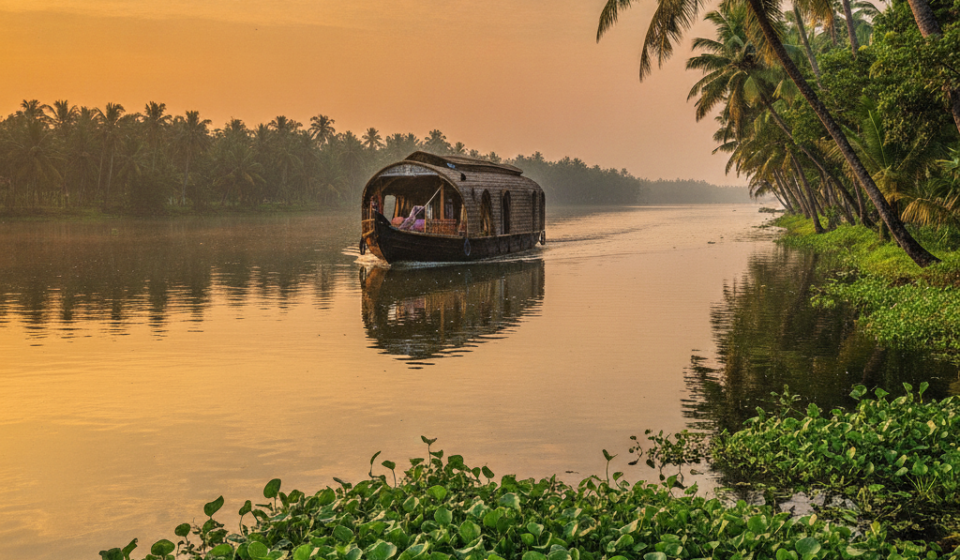
Day 8 takes you to Alappuzha (Alleppey), the undisputed heart of the Kerala backwaters. Here, travelers board a traditional Kettuvallam (a converted wooden houseboat) for an overnight cruise through a network of canals, lakes, and lagoons. This experience is arguably the highlight of a premium south india travel plan, offering a window into rural riverine life.
Days 9 and 10 are reserved for leisure at Marari Beach, a quiet fishing village near Alleppey. Unlike the highly commercialized beaches of the west coast, Marari retains a tranquil, local character. To experience this coastal luxury, booking dedicated Kerala tour packages can simplify your bookings and elevate your overall south india travel plan.
Route 2: The Temple Kingdoms and Cultural Corridor (12 Days)
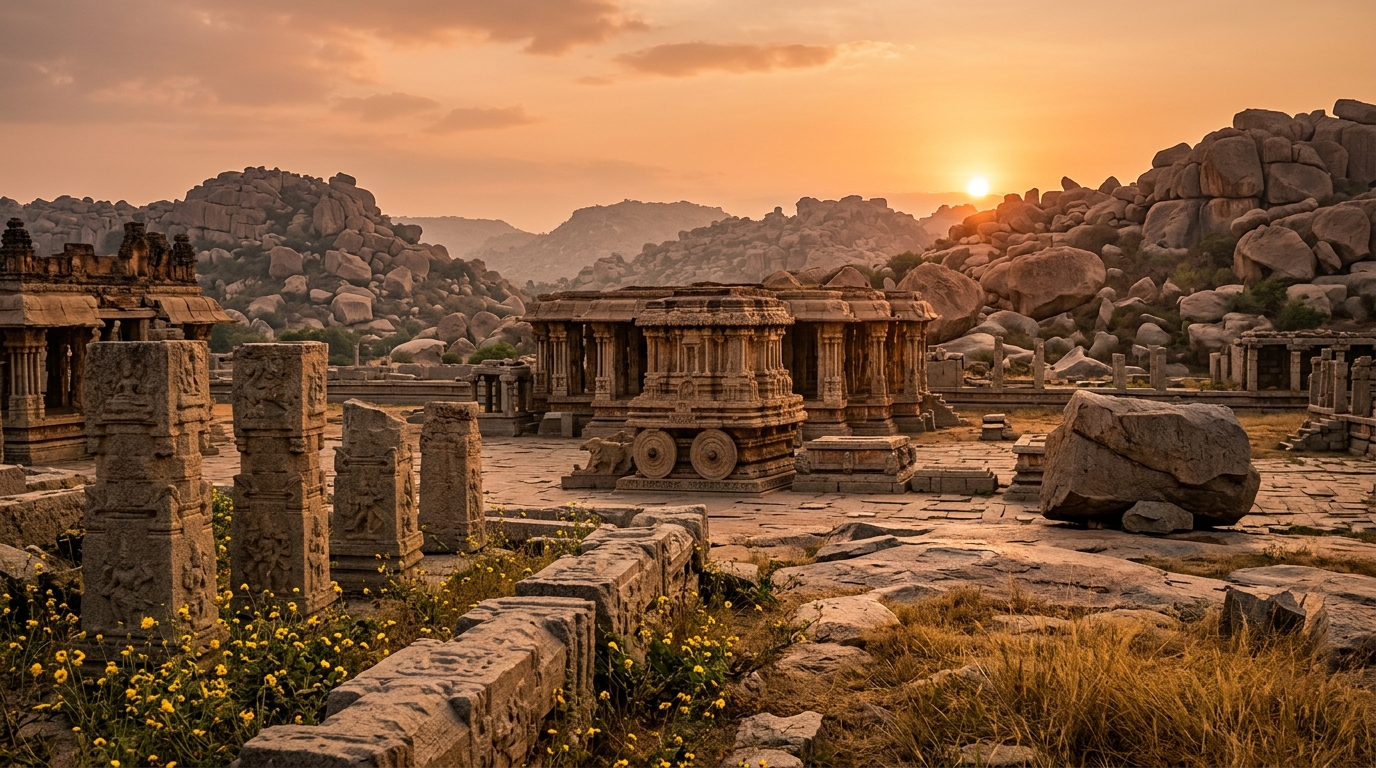
For those whose south india travel plan focuses on classical art, historic architecture, and spiritual traditions, this twelve-day circuit through Tamil Nadu and the high hills of Kerala is unmatched. It explores the monumental stone architecture of the Dravidian kingdoms before retreating to the cool tea estates of the Western Ghats.
Days 1 to 4: Chennai, Mahabalipuram, and Pondicherry
The cultural corridor begins in Chennai, the capital of Tamil Nadu. The city’s National Art Gallery and the historic San Thome Basilica offer a great introduction to the region’s diverse history.
On Day 2, travel south along the scenic East Coast Road to Mahabalipuram (Mamallapuram). This UNESCO World Heritage site is famous for its 7th-century rock-cut temples and bas-reliefs. The Shore Temple, standing on the edge of the Bay of Bengal, was constructed in the 8th century under Pallava rule (according to records maintained by the Archaeological Survey of India).
On Day 3, continue to the charming Union Territory of Pondicherry (Puducherry). This former French colony retains its distinctive European architecture, cobbled streets, and chic cafes in the French Quarter. The contrast with neighboring Tamil towns is striking. For travelers wanting to enjoy this unique cultural blend, exploring structured Pondicherry holiday packages is a valuable step when designing a south india travel plan.
Spend Day 4 visiting Auroville, an experimental township dedicated to human unity, located just outside Pondicherry. The Matrimandir, a massive golden sphere at the center of the township, is a marvel of modern architecture and silent contemplation.
Days 5 to 8: Tanjore, Chettinad, and Madurai
This central segment explores some of the most profound architectural and culinary milestones of the southern plains:
- Day 5 (Thanjavur): Head southwest into the heartland of the Chola Empire, arriving in Thanjavur (Tanjore). The city is home to the Brihadeeswarar Temple, a monumental structure built in 1010 CE by Emperor Raja Raja Chola I. The temple’s vimana (the tower over the sanctum) rises over 60 meters and is carved from a single piece of granite (an engineering feat that continues to baffle modern architects).
- Day 6 (Chettinad): Proceed to the Chettinad region, famous for its magnificent 19th-century mansions built by wealthy mercantile families. The architecture here utilizes imported Italian marble, Burmese teak, and Japanese tiles. But still, the culinary offerings of the region are what truly define Chettinad for many visitors, featuring complex spice blends that are an essential experience for culinary enthusiasts.
- Days 7 & 8 (Madurai): Travel to Madurai, one of the oldest continuously inhabited cities in the world. The life of the city revolves around the sprawling Meenakshi Amman Temple. The temple complex features fourteen towering gopurams (gateway towers) covered in thousands of colorful stone figures. Attending the evening ceremony, where the deity is carried in a procession, is a deeply moving experience that enriches any south india travel plan.
Days 9 to 12: Munnar Hills and Cochin Departure
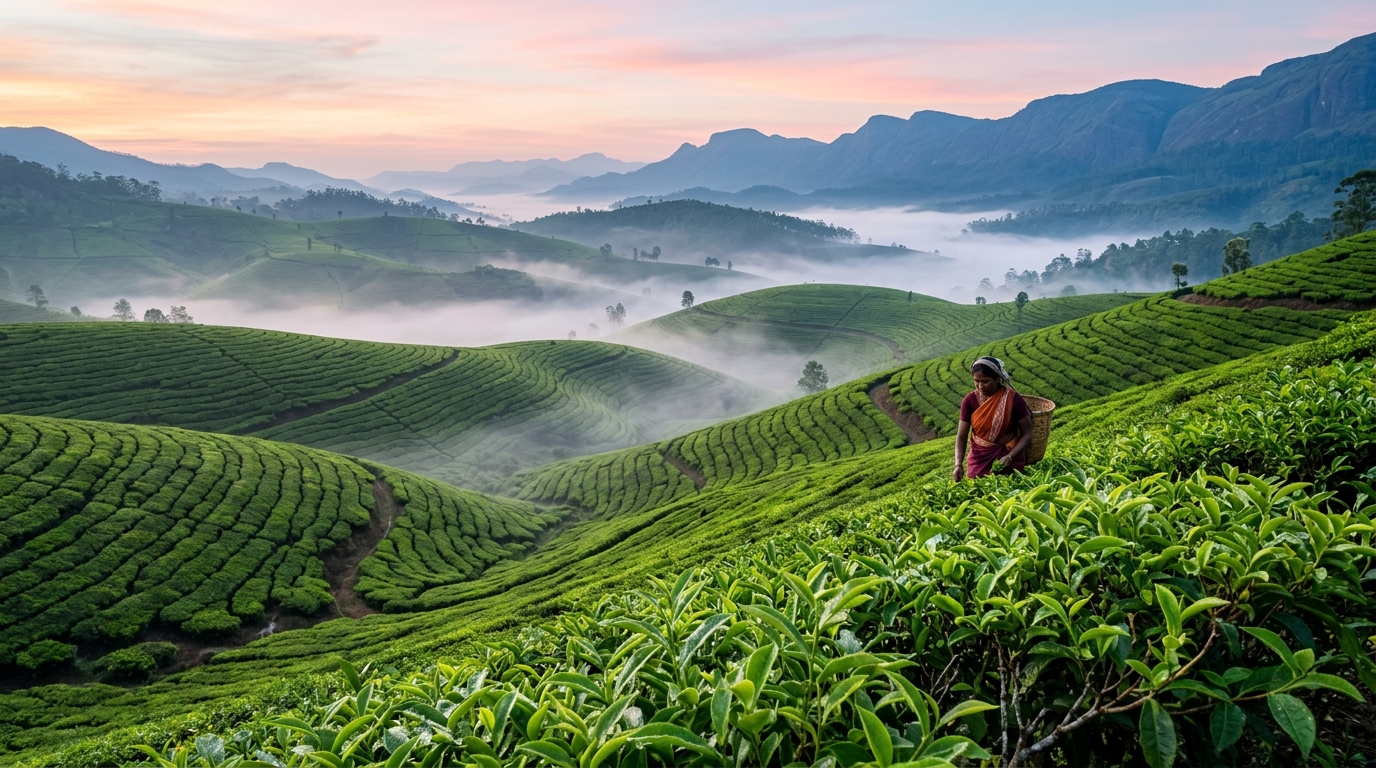
On Day 9, leave the plains of Tamil Nadu and ascend into the cool, misty air of Munnar in Kerala. Situated at an altitude of approximately 1,600 meters, Munnar is a serene expanse of manicured tea plantations and winding mountain roads. It provides a refreshing break from the tropical heat of the plains.
Day 10 is spent exploring the Eravikulam National Park, home to the endangered Nilgiri Tahr (a rare mountain goat endemic to these hills). The rolling hills of Anamudi, the highest peak in South India, form a dramatic backdrop.
On Day 11, descend to Kochi for some last-minute shopping and cultural performances, such as Kathakali dance. Day 12 marks the departure from Cochin International Airport, concluding a comprehensive, multi-state south india travel plan.
Comparing the Two Classic Itineraries
To assist in your strategic decision-making, the table below provides a side-by-side comparison of the two primary routes. This structured breakdown highlights the key focuses, ideal durations, and target audiences for each south india travel plan.
| Feature / Metric | Route 1: Classic Heritage and Coastal Circuit | Route 2: Temple Kingdoms and Cultural Corridor |
|---|---|---|
| Primary Theme | Royal heritage, wildlife, coastal landscapes, and backwaters | Ancient temple architecture, colonial history, and hill stations |
| Ideal Duration | 10 Days | 12 Days |
| States Covered | Karnataka and Kerala | Tamil Nadu and Kerala |
| Key Highlights | Mysore Palace, Kabini Safari, Fort Kochi, Alleppey Houseboat | Mahabalipuram Shore Temple, Pondicherry French Quarter, Madurai Meenakshi Temple, Munnar Tea Gardens |
| Best Suited For | Nature lovers, wildlife enthusiasts, and first-time visitors seeking a relaxed pace | History buffs, architecture lovers, and those interested in deep cultural immersion |
| Transport Intensity | Moderate (shorter driving distances between key stops) | High (longer road journeys between historic temple cities) |
This table provides a concise reference point when choosing the perfect direction for a personalized south india travel plan.
Seasonality and Climate: Identifying the Best Time to Visit South India
The climate of the southern peninsula is tropical, characterized by distinct wet and dry phases. Selecting the appropriate months is vital for ensuring the success of a south india travel plan. While some coastal regions remain hot and humid year-round, the interior hills offer a temperate escape.
Generally speaking, the best time to visit south india is from October to March. During these winter months, the monsoon rains have subsided, and temperatures range from a comfortable 18°C to 30°C in the plains. This period is ideal for sightseeing, temple exploration, and outdoor activities. According to reports from the Ministry of Tourism, winter remains the peak season for international and domestic arrivals across the southern states, leading to higher occupancy rates.
| Regional Zone | Peak Season (October – March) | Shoulder / Summer (April – June) | Monsoon Season (July – September) |
|---|---|---|---|
| Inland Plains (Madurai, Mysore) | Pleasant (18°C – 30°C); ideal for sightseeing and temple walks | Very Hot (35°C – 42°C); low crowds, heavy midday heat | Humid; moderate rain showers, lush surrounding greenery |
| Hill Stations (Munnar, Coorg, Ooty) | Chilly & Crisp (10°C – 20°C); clear skies, great for trekking | Mild & Cool (15°C – 25°C); ideal escape from plains heat | Heavy rain; misty landscapes, possible mountain travel delays |
| Coastal Belts (Kochi, Marari Beach) | Breezy (22°C – 32°C); comfortable for houseboat cruises | Humid & Warm (28°C – 36°C); warm sea breezes, coastal vibes | Very heavy rainfall; scenic backwaters but limited boating |
In contrast, the summer months (April to June) bring intense heat, with temperatures in the inland plains occasionally exceeding 40°C. Travel during this time can be physically demanding, though it is the optimal season for visiting hill stations like Ooty, Kodaikanal, and Munnar. The monsoon season, which spans from June to September, brings heavy rainfall, particularly along the west coast of Kerala. While the rain transforms the countryside into a lush green paradise, it can disrupt transport networks and outdoor excursions, making it a challenging choice for a tightly scheduled south india travel plan.
Logistical Blueprint: Accommodation, Transport, and Cultural Etiquette
Executing a successful south india travel plan requires careful attention to logistical details. From choosing the correct hotel plan to understanding local social norms, these practical considerations ensure a smooth journey.
Selecting Transport and Connectivity Options
For long-distance travel, domestic flights easily connect major hubs like Chennai, Bangalore, Kochi, and Coimbatore. However, the true beauty of the region is often experienced on the ground. When evaluating your local transit strategy, prioritize these essential transit methods:
- Private Hired Vehicles: Hiring a private vehicle with a professional driver is the standard and most convenient practice for independent travelers (frequently referred to as F.I.T. travel). This allows for dynamic pacing and unplanned stops.
- Premium Express Rail: Using premium train services is highly recommended for overnight routes, such as the journey between Chennai and Madurai. These services, like the Shatabdi Express, feature air-conditioned sleeper compartments that are clean, comfortable, and well-managed.
- Accommodation Meal Plans: For accommodations, many heritage properties and boutique resorts offer different meal structures. Opting for a Modified American Plan (MAP), which includes breakfast and one major meal, is often highly cost-effective when staying in remote hill stations or jungle lodges where dining options are limited. Having a clear south india travel plan allows you to balance your bookings and stay within a reasonable budget.
Understanding Regional Etiquette and Dining Customs
South India has a rich, deeply rooted cultural heritage that requires respectful behavior from visitors.
- Temple Dress Codes: When visiting historic temples in Tamil Nadu and Kerala, conservative attire is mandatory. Shoulders and knees must be covered, and leather items (such as belts and bags) are strictly prohibited inside temple sanctums. Some temples in Kerala require men to wear a traditional dhoti and remain bare-chested to enter.
- Dining Customs: Traditional South Indian meals are often served on a banana leaf. It is customary to wash hands before and after dining, and to eat using only the right hand.
- Footwear Protocols: Always remove shoes before entering temples, homes, and certain heritage shops.
Frequently Asked Questions
What is the ideal duration for a comprehensive South India trip?
A minimum of ten to twelve days is recommended to cover a single corridor (such as the classic Kerala coastal route or the Tamil Nadu cultural route). Attempting to cover both corridors in less than two weeks often results in a rushed experience with excessive transit times.
How easy is it to find vegetarian food in South India?
It is exceptionally easy. South Indian cuisine is predominantly vegetarian-friendly, with staples like idli, dosa, and sambar widely available. In fact, many restaurants are labeled “Pure Veg,” ensuring that all food is prepared in accordance with strict vegetarian standards.
Is South India safe for solo travelers?
Yes, the southern states are widely considered to be among the safest regions in India for solo travelers. Standard travel precautions apply, such as avoiding isolated areas at night and using registered pre-paid taxis or ride-hailing services for transit.
Do I need to book temple entries in advance?
For major religious sites like the Meenakshi Temple in Madurai or the Tirupati Temple in Andhra Pradesh, booking special entry tickets online in advance is highly recommended. This practice can significantly reduce waiting times from several hours to under an hour.