
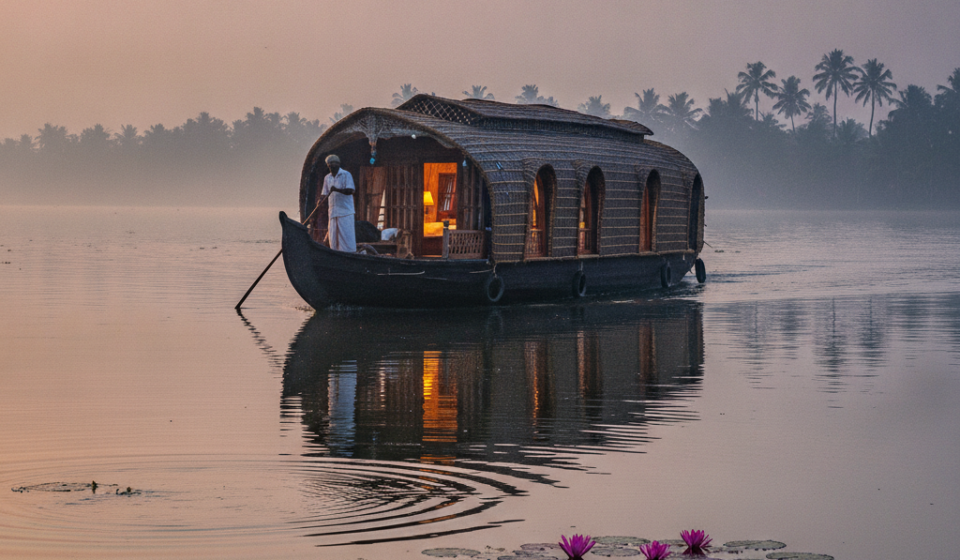

The southern peninsula of India presents an extraordinary convergence of ancient temple architecture, mist-shrouded hill stations, and tranquil coastal backwaters. For discerning travellers seeking an authentic immersion, a comprehensive south india travel plan serves as the essential blueprint for an organized journey. Unlike the arid plains of the north, the southern states offer a tropical pace of life. This is combined with a deep-rooted cultural legacy. This heritage remains virtually unbroken over millennia. Structuring an optimal travel route requires a methodical understanding of regional geographies. One must also consider seasonal transitions and transport corridors. This coordination balances physical comfort with profound exploration. Such balance is critical because the distances between key destinations are often vast. Systematic routing and transport coordination are required to ensure a rewarding experience.
Key Takeaways for Your South India Travel Plan
- Diverse Experiences: South India offers a rich mix of ancient Dravidian temples, tranquil backwaters, mist-covered hill stations, and delicious regional cuisine.
- Ideal Duration: Plan for at least 10 to 14 days to explore one or two states comfortably without feeling rushed.
- Best Time to Visit: The winter months (November to February) offer the most pleasant weather across the coastal plains, plateau regions, and hill stations.
- Efficient Transit: Combining pre-booked express trains with hired private drivers offers the best balance of local immersion and comfort.
- Gateway Cities: Utilize international airports in Bengaluru, Chennai, or Cochin to minimize redundant backtracking.
Historical and Cultural Foundations of South India
A successful south india travel plan begins with an appreciation of regional history. This geographical zone was arguably ruled by some of the most powerful Dravidian dynasties. The Cholas, Cheras, Pandyas, Chalukyas, and the Vijayanagara Empire shaped local society.
Unlike northern regions facing frequent foreign invasions, the south maintained deep cultural continuity. When executing your south india travel plan, observing these living traditions provides immense depth. Key cultural elements to observe include:
- Colossal Temple Complexes: Active centres of daily worship in Tamil Nadu featuring massive gopurams (monumental temple entrance towers) carved with thousands of mythological figures.
- Classical Performing Arts: Intricate dance forms like Kathakali and the soulful rhythms of Carnatic music performed during festive seasons.
- Historical Trade Legacies: Ancient spice-trading ports that historically linked South India with Roman and global merchants, creating a unique synthesis of local and foreign influences.
Essential Geography and Climate Considerations
The physical geography of South India is bordered by the Arabian Sea to the west. It is bounded by the Bay of Bengal to the east. The Indian Ocean lies to the south. This terrain is bisected by the Western Ghats and Eastern Ghats mountain ranges. The Western Ghats is a UNESCO World Heritage site. It acts as a massive barrier that influences regional climate. The range houses an incredibly rich biological diversity. Understanding these climatic divisions is vital when finalizing a south india travel plan. The region experiences distinct seasonal variations. The southwest monsoon brings heavy rainfall from June to September. The northeast monsoon affects the eastern coast from October to December. Thus, planning the timing of your visit is crucial for pleasant travel. The table below outlines the general weather conditions across different regions in South India. This data assists in structuring your south india travel plan.
| Region | Peak Season (Nov-Feb) | Shoulder Season (Mar-May) | Monsoon Season (Jun-Oct) |
|---|---|---|---|
| Coastal Plains (Kerala/Goa border) | 24°C to 30°C, low humidity, ideal for backwater cruising | 30°C to 36°C, high humidity, coastal breezes provide relief | 25°C to 29°C, heavy rainfall, excellent for Ayurvedic therapies |
| Deccan Plateau (Hampi/Deccan areas) | 15°C to 28°C, dry air, optimal for temple exploration | 35°C to 42°C, intense dry heat, outdoor activity restricted | 22°C to 32°C, moderate showers, green hills emerge |
| Hill Stations (Western Ghats) | 10°C to 22°C, cool misty mornings, popular for trekking | 18°C to 28°C, pleasant climate, ideal escape from plains | 12°C to 20°C, heavy rain, mist covers valleys, landslips possible |
Depending on the source, temperature records show slight variations from year to year. But still, the winter months consistently offer the most comfortable climate. Constructing a south india travel plan around this period avoids extreme summer heat. It also avoids the logistical challenges of heavy monsoons.
Strategic Regional Portals and Entry Points
Choosing the correct entry point simplifies the initial phase of a south india travel plan. The southern states boast several international airports with exceptional global connectivity. This connectivity makes multi-city travel highly feasible.
- Bengaluru (Kempegowda International Airport): Located in Karnataka, this airport is the primary hub for tech-centric and highland exploration. It is the logical starting point for heading towards Mysore, Coorg, or the ruins of Hampi.
- Chennai International Airport: Located in Tamil Nadu, this airport provides direct access to the eastern temple corridor. It is ideal for routes covering Mahabalipuram, Pondicherry, and Madurai.
- Cochin International Airport (CIAL): This facility is located in Kerala. It is the world’s first fully solar-powered airport (a highly commendable environmental milestone). It serves as the main gateway to the backwaters, Munnar tea plantations, and coastal historical towns.
Selecting your entry and exit airports carefully reduces redundant overland travel. Many travellers choose an open-jaw ticket. This approach involves arriving in Chennai and departing from Cochin. It creates a highly efficient west-to-east path across the peninsula.
The Core Components of an Optimal South India Travel Plan
To design a balanced south india travel plan, one must comprehend the distinct characters of individual states. Each administrative region boasts unique linguistic, culinary, and geographical traits. Combining these diverse elements creates a rich travel experience.
Kerala: Backwaters, Ayurveda, and Coastal Serenity
For many, Kerala remains a fundamental component of a complete south india travel plan. The state is renowned for its network of brackish lagoons and canals. These waterways are explored using traditional houseboats called kettuvallams. Earlier, these vessels were used to transport harvested rice. Now, they are designed for leisure.
According to data published by the Kerala Tourism Department in early 2025, international arrivals experienced a 12% annual growth, highlighting the global appeal of its wellness initiatives. This surge is directly reflected in the high demand for premium houseboats. Key geographic highlights of Kerala include:
- The Backwaters: A peaceful network of brackish lagoons and palm-fringed canals.
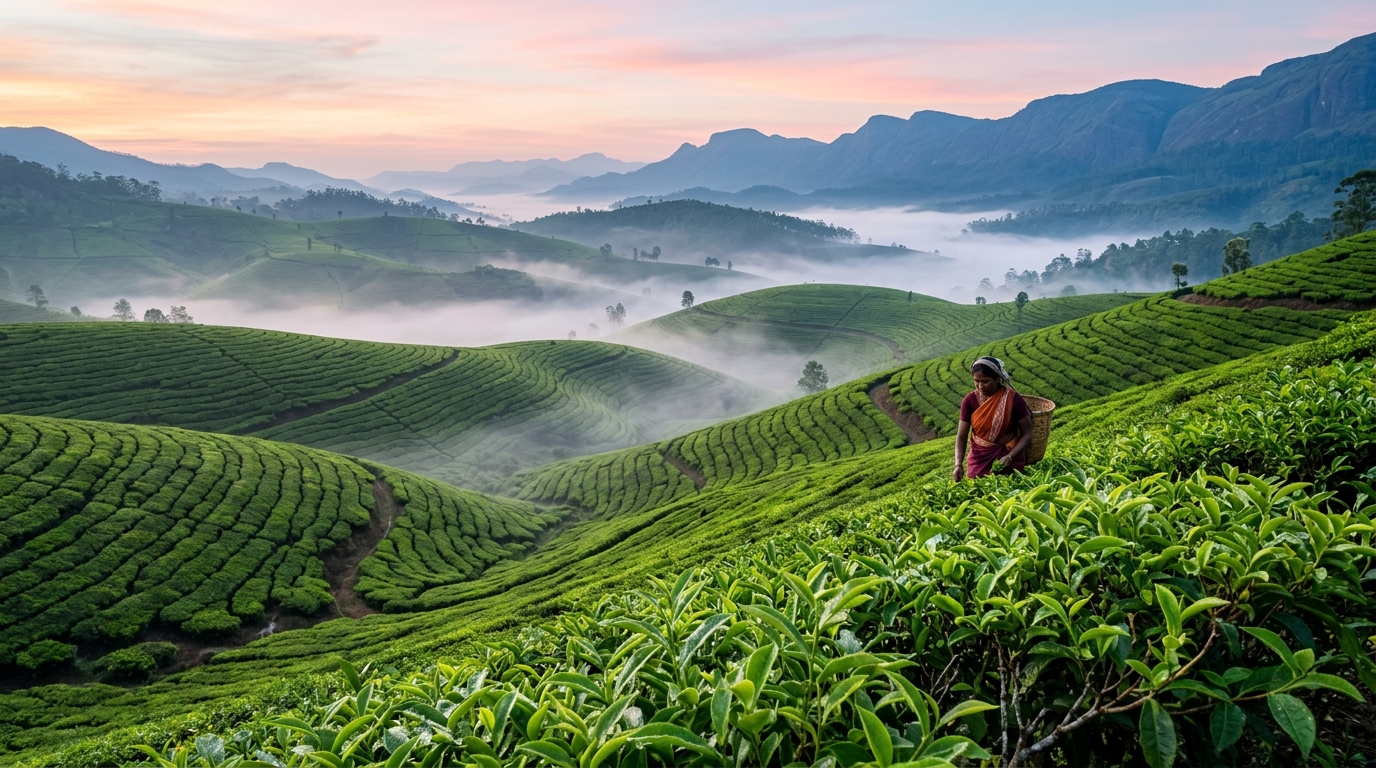
- The Highlands: Vibrant green tea plantations blanketing the rolling hills of Munnar in the Western Ghats.
- The Coastline: Dramatic red cliffs of Varkala and the soft sandy shores of Kovalam.
- Ayurvedic Wellness: The global epicentre of ancient natural medicine and therapeutic oils.
Tamil Nadu: Dravidian Masterpieces and Sacred Corridors
No historical search is complete without visiting Tamil Nadu. This state adds deep historical gravity to a south india travel plan. Here, temple architecture reached its absolute zenith under royal patronage. The Brihadisvara Temple in Thanjavur is a prime example. This monumental temple features a granite dome carved from a single stone block. This block weighs over 80 tonnes. Tamil Nadu features over 33,000 ancient temples according to the Hindu Religious and Charitable Endowments Department filings (which may vary slightly depending on how minor shrines are classified). This makes the state a spectacular living museum of Dravidian architecture. Beyond temples, the state possesses unique colonial and cultural history. The French-influenced architecture of Pondicherry and the heritage mansions of Chettinad are fascinating to explore. Chettinad is also famous for its distinct, aromatic cuisine. This style utilizes sun-dried meats and hand-ground spices.
Karnataka: Royal Grandeur, Coffee Highlands, and Wilderness
Karnataka offers an exceptional mix of historical ruins, modern cities, and dense forests. Integrating these high-altitude retreats and historic sites into a south india travel plan provides unparalleled variety:
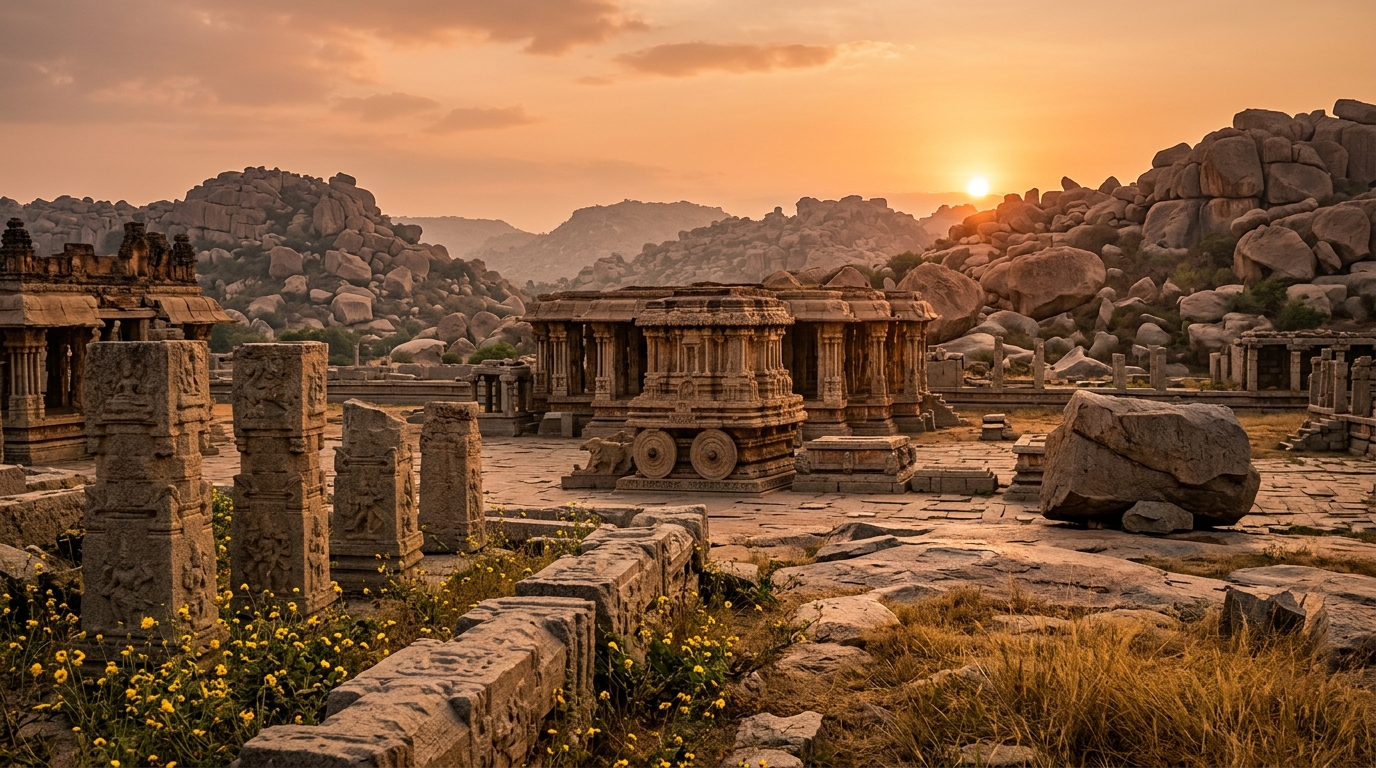
- Hampi: A UNESCO World Heritage site showcasing the otherworldly ruins of the Vijayanagara Empire amidst boulder-strewn terrain.
- Mysore: The city of palaces, featuring a magnificent Indo-Saracenic palace illuminated spectacularly on Sunday evenings.
- Coorg: A misty highland region of coffee estates, unique Kodava culture, and rewarding trekking routes (read more on Coorg).
- Wildlife Reserves: National parks like Kabini and Nagarhole, home to Asian elephants, leopards, and Bengal tigers.
Pondicherry and French Coastal Enclaves
Pondicherry is a former French colony located on the eastern coast. Integrating this coastal town into the south india travel plan offers a delightful contrast to traditional Indian cities. The French Quarter is characterized by its yellow-walled colonial villas, tree-lined streets, and quiet cafes. Visitors can enjoy freshly baked croissants alongside traditional South Indian filter coffee. The town is also home to Sri Aurobindo Ashram. Auroville is an experimental township nearby focusing on spiritual harmony and sustainable living. Walking along the rocky promenade at sunset provides a peaceful transition from busy temple towns. The ocean breeze offers a welcome contrast to inland heat.
Recommended Itinerary Outlines
Designing a realistic route requires balancing distance with depth. The southern peninsula is vast. Attempting to cover too much territory in one trip leads to exhaustion. A well-designed south india travel plan focuses on regional clusters rather than the entire peninsula.
The Classic Cultural Loop (14 Days)
This route connects the historic monuments of Tamil Nadu with the natural beauty of Kerala. It is an ideal option for a multi-state south india travel plan.
- Days 1-2: Chennai and Mahabalipuram. Start by exploring the shore temples and rock structures of Mahabalipuram.
- Days 3-4: Pondicherry. Stroll through the French Quarter, visit Auroville, and enjoy the relaxed seaside promenade.
- Days 5-6: Thanjavur and Trichy. Explore the monumental Brihadisvara Temple and the dramatic Rockfort Temple in Trichy.
- Days 7-8: Madurai. Visit the spectacular Meenakshi Amman Temple complex, which is a bustling hub of religious life.
- Days 9-10: Munnar. Drive into the Western Ghats to enjoy the cool climate and scenic tea plantations.
- Days 11-12: Alleppey (Alappuzha). Board a traditional houseboat for a relaxing cruise through the scenic backwaters.
- Days 13-14: Cochin. Conclude the journey by exploring Fort Kochi, famous for Chinese fishing nets and Portuguese churches.
The Western Ghats Nature and Wildlife Trail (10 Days)
This route is designed for a nature-focused south india travel plan. It highlights the mountain terrains, dense forests, and wildlife reserves of Karnataka and Kerala.
- Days 1-2: Bengaluru to Mysore. Visit the grand palaces and local markets, then climb Chamundi Hill.
- Days 3-4: Kabini Wildlife Sanctuary. Go on safaris to spot wild elephants and big cats in their forest habitat.
- Days 5-6: Coorg. Stay in a working coffee estate, trek to scenic viewpoints, and learn about the local Kodava culture.
- Days 7-8: Wayanad. Cross into Kerala to explore ancient caves, cascading waterfalls, and spice plantations.
- Days 9-10: Kozhikode. Travel to the coast to experience authentic Malabar cuisine and relax on quiet beaches before departing.
Logistics, Accommodations, and Culinary Protocols
Transportation and Connectivity
Some critics argue that overland travel in India is too exhausting for international tourists. While this can be true for poorly planned itineraries, a systematic route with booked sleeper trains offers a highly rewarding window into local life. Internal transport in South India is efficient but requires advance booking. The Indian Railways network connects all major towns and cities. For long-distance overnight journeys, booking sleeper classes (such as 2AC or 3AC) via the official IRCTC portal is highly recommended. For shorter trips or hill station routes, hiring a private vehicle with a driver is often the most practical option. It provides flexibility to stop at scenic spots and remote temples. Public state buses are cheap and frequent, but they can be crowded and lack air conditioning. A reliable transport booking is vital for executing an efficient south india travel plan.
| Transport Mode | Best For | Pros | Cons |
|---|---|---|---|
| Train (2AC/3AC) | Long distances & overnight journeys | Affordable, scenic, local immersion, comfortable sleeper berths | Requires advance booking (IRCTC), minor delays possible |
| Private Driver/Car | Hill stations & flexible local sightseeing | Door-to-door comfort, stop at scenic spots, personalized pace | More expensive, slower on winding mountain roads |
| Domestic Flights | Inter-state major city transit (e.g., Chennai to Kochi) | Saves time over vast distances | Misses countryside scenery, airport transit times |
Accommodations and Budgeting
The region offers a wide range of accommodation options to suit every budget. When finalizing a south india travel plan, consider these diverse options:
- Heritage Homestays: Excellent for experiencing local hospitality and traditional architecture in places like Chettinad and Coorg.
- Luxury Resorts: Found in Munnar and Kabini, offering world-class amenities in natural surroundings.
- Houseboats: A unique overnight experience on the Kerala backwaters, usually including all meals prepared by an onboard chef.
Budgeting carefully for these stays prevents unexpected expenses during your trip.
Culinary Protocols
The gastronomic component of a south india travel plan is a major highlight. Rice is the staple grain, served alongside a variety of lentil-based stews like sambar and rasam. Coconut is a key ingredient, used in chutneys, curries, and desserts. Do not miss the traditional sadya in Kerala. This elaborate vegetarian feast is served on a banana leaf and features over twenty different dishes. In Tamil Nadu, try the iconic filter coffee, brewed in a traditional brass filter and served frothy in a metal tumbler. When dining in local eateries, look for busy spots, as high turnover ensures the food is fresh and safe.
FAQs
Addressing common queries while designing a south india travel plan helps simplify the preparation process.
How many days are ideal for a South India tour?
An ideal south india travel plan requires at least 10 to 14 days. This timeframe allows visitors to experience one or two states without feeling rushed. Attempting to cover Kerala, Tamil Nadu, and Karnataka in less than a week results in excessive travel time and little actual exploration. Creating a structured south india travel plan around this duration ensures a relaxing vacation.
Is it safe for solo and female travellers?
Yes, South India is generally considered safe and welcoming for solo travellers. Local people are helpful, and English is widely spoken in towns and cities. But still, basic safety precautions should be followed. Avoid travelling late at night in unfamiliar areas, use pre-paid taxis, and dress modestly when visiting traditional temple towns. A well-conceived south india travel plan includes early arrivals at each destination.
What are the absolute must-try dishes in South India?
A culinary-focused south india travel plan should include these iconic regional items:
- Masala Dosa: Thin rice crepes filled with spiced potatoes, served with coconut chutney.
- Idli and Vada: Steamed rice cakes and savory fried doughnuts, perfect for breakfast.
- Malabar Parotta with Curry: Flaky layered flatbread served with aromatic vegetable or meat stews.
Experiencing these local delicacies is an essential part of any authentic south india travel plan.