

Planning a comprehensive journey across the southern peninsula of India requires a methodical approach. The region spans five diverse states, each presenting distinct architectural styles, linguistic traditions, and geographic contours. From the serene backwaters of the western coast to the monumental stone temples of the east, creating an optimal south india travel plan requires balancing cultural exploration with physical relaxation. This professional guide provides an exhaustive blueprint for structuring your travels, ensuring maximum logistical efficiency. Whether the objective is to explore historical monuments, relax in pristine hill stations, or experience traditional culinary arts, this framework serves as the definitive reference. By understanding regional connectivity, seasonal shifts, and cultural nuances, travelers can execute a highly coordinated and deeply rewarding journey through this historically rich territory, though local infrastructure variations can influence transit times. Furthermore, because public transit and regional highways vary in quality, a robust plan ensures that vacation hours are not lost to transit delays.
Key Takeaways for Your South India Travel Plan
- Diverse Circuits: South India features distinct geographic regions—from Kerala’s tranquil backwaters to Tamil Nadu’s architectural wonders.
- Ideal Season: The dry winter period (October to March) offers the most comfortable sightseeing weather.
- Strict Etiquette: Conservative attire is mandatory at historic temple complexes across all southern states.
- Logistical Planning: High-speed trains and private AC vehicles are highly recommended to prevent long transit delays.
Key Regions and Highlights of South India
To construct an effective south india travel plan, one must first comprehend the premier places to visit in South India and their distinct characteristics. The southern territory is not a monolith. It is basically a collection of highly individualistic cultures shaped by centuries of maritime trade and dynastic rule. For instance, Kerala focuses on natural beauty and slow-paced living, making it an essential anchor point for relaxation. Tamil Nadu is a treasure trove of classical Dravidian architecture, characterized by towering stone temples that have stood for over a thousand years. This diversity can make drafting a comprehensive south india travel plan feel overwhelming.
Each state brings a completely different dimension to your journey:
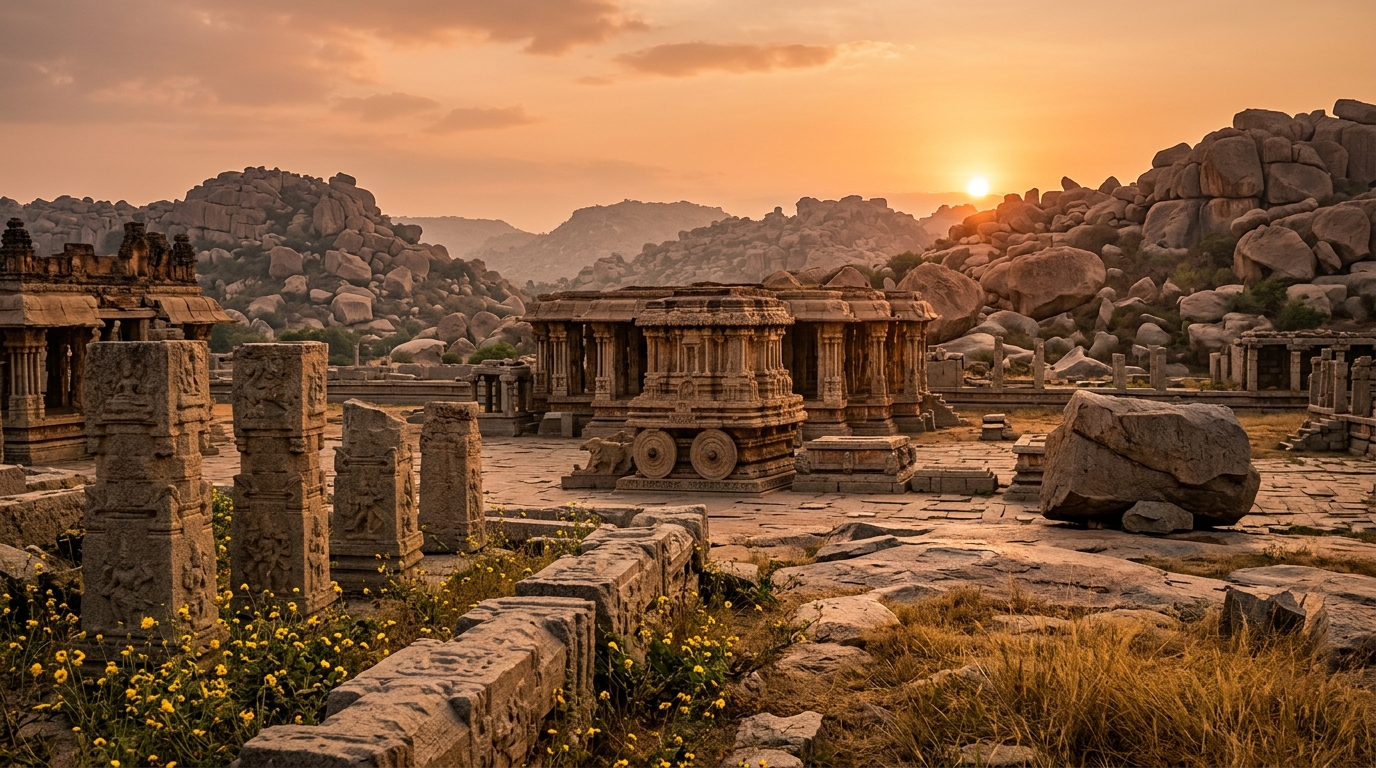
- Karnataka: The architectural heritage changes dramatically here. The ruins of the Vijayanagara Empire at Hampi present a stark, beautiful stone terrain that contrasts with the green western hills. The state also houses Coorg, a major coffee-producing highland region known for its misty hills. Furthermore, the historic city of Mysore offers a transition into royal history with its opulent monuments and traditional markets. This destination deserves a prominent position in your south india travel plan.
- Andhra Pradesh: Offers majestic heritage and massive temple complexes like Tirupati, which attracts millions of pilgrims annually (averaging over 50,000 daily visitors according to regional administrative reports). The sheer scale of these religious sites is impressive. But still, the logistical complexity of securing entry passes can be daunting, which can complicate a standard south india travel plan if not budgeted properly.
- Pondicherry: The Union Territory of Pondicherry presents a unique French colonial aesthetic. Its quiet streets offer a tranquil coastal atmosphere, ensuring this area is included in your south india travel plan.
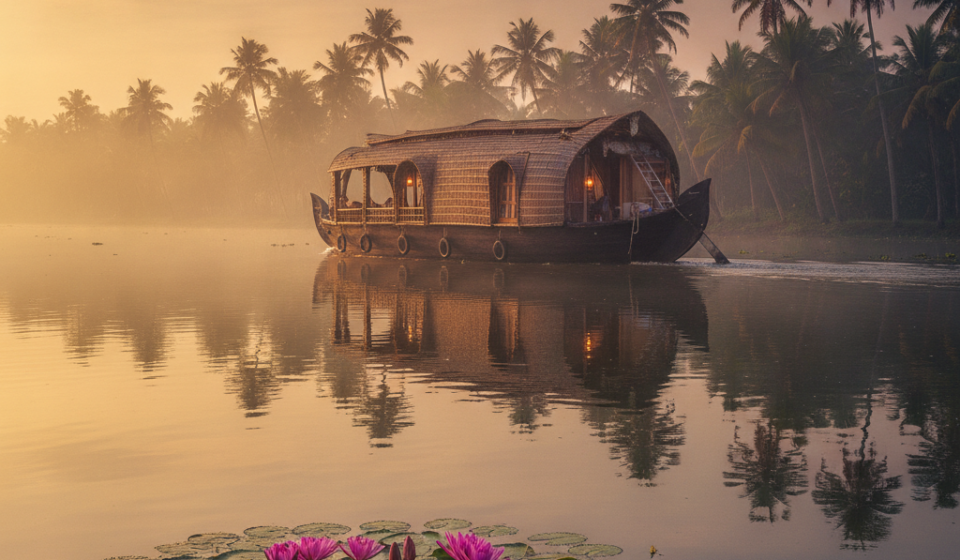
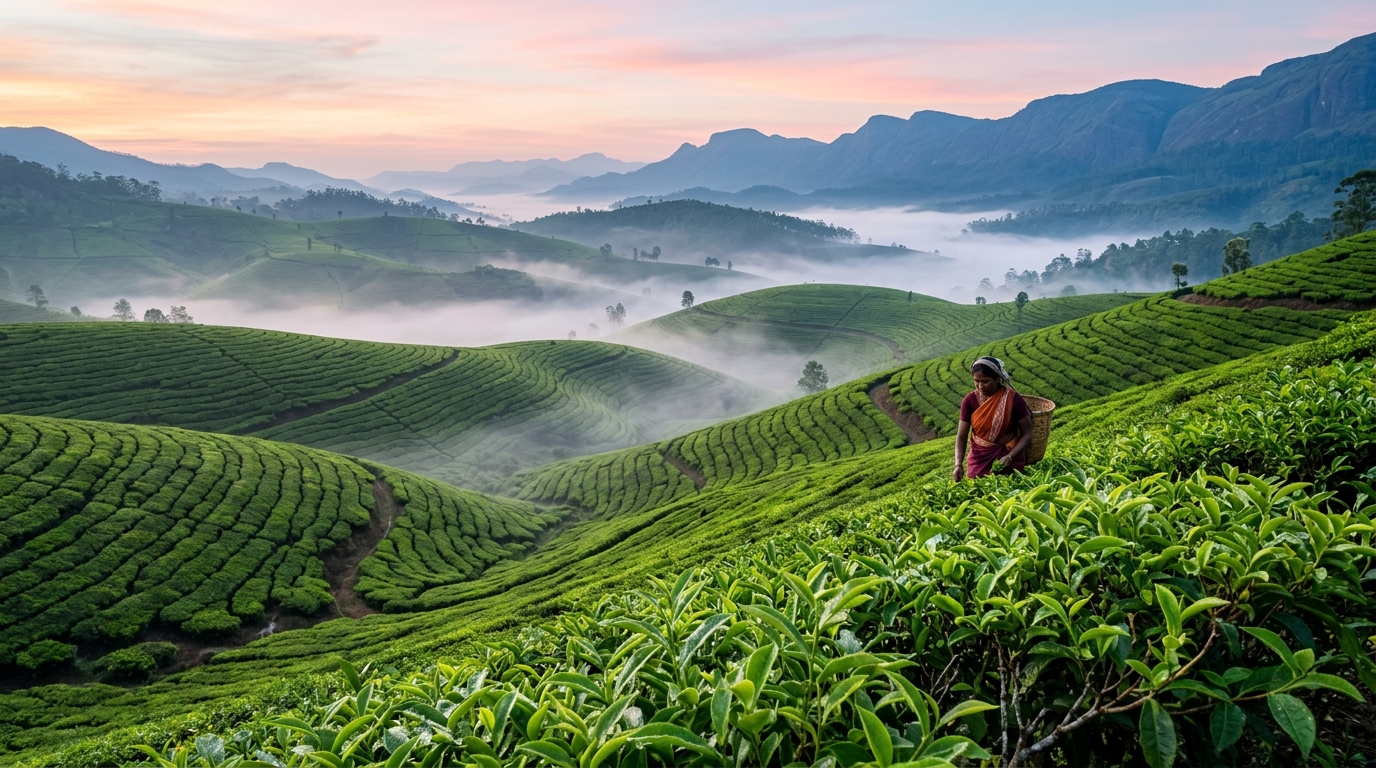
- Kerala & Tamil Nadu Contrasts: Kerala represents a coastal strip defined by its unique network of brackish lagoons, lakes, and canals known as the backwaters. Traditional wooden houseboats, historically known as *kettuvalam* (which translates to boat with knots), serve as floating hotels. The Western Ghats provide cool high-altitude sanctuaries like Munnar, famous for tea plantations. To experience this natural diversity, professional Kerala tour packages simplify coordinating transport and lodging. Tamil Nadu presents a cultural contrast, dominated by temples where massive entrance gateways, known as *gopurams*, dominate skylines of cities like Madurai. This cultural density requires careful scheduling to avoid temple fatigue.
Structuring Your South India Travel Plan
Choosing the right route requires analyzing travel goals, budgets, and physical stamina. Structuring a balanced south india travel plan requires separating regions by geographic proximity to minimize unnecessary transit hours. Travelers often make the mistake of trying to cover the entire peninsula in a single week. This invariably leads to exhausting road journeys and insufficient time at key monuments. To prevent this, professional travel planners recommend clustering the key places to visit in South India into distinct geographical circuits. These options help you build a south india travel plan that minimizes travel fatigue and maximizes time spent exploring each destination.
Option 1: The 10-Day Heritage and Backwaters Route
This specific circuit focuses primarily on the cultural heritage of Tamil Nadu and the natural beauty of Kerala. This route serves as an excellent South India itinerary for first-time visitors who want a balance of monument exploration and coastal relaxation. The journey begins in Madurai, one of the oldest continuously inhabited cities in South Asia, before moving westward through the scenic hill stations of Munnar and descending into the tranquil backwaters of Alleppey.
- Days 1 to 2: Madurai Temple Heritage – Explore the massive Meenakshi Amman Temple complex, focusing on its highly detailed stone carvings and the historic Thousand Pillar Hall.
- Days 3 to 4: Munnar Tea Highlands – Travel up into the Western Ghats (a scenic drive of roughly five hours) to enjoy the cooler climate and explore the tea gardens.
- Days 5 to 6: Alleppey Houseboat Cruise – Experience a fully catered night on a traditional houseboat, sailing through the tranquil Vembanad Lake and narrow rural canals.
- Days 7 to 8: Cochin Colonial History – Discover the historical Fort Kochi area, famous for its Chinese fishing nets, Portuguese churches, and local spice markets.
- Days 9 to 10: Departure from Cochin – Conclude your journey with a traditional Kathakali dance performance before heading to the international airport.
This structured progression ensures that you spend adequate time in each location, which is essential when mapping out a 10-day south india travel plan. The transition from the dry, temple-dominated landscape of Madurai to the cool tea gardens of Munnar provides an excellent sensory contrast. From a logistical standpoint, this is a logical progression for a south india travel plan because it utilizes the well-maintained highways connecting Tamil Nadu and Kerala. This specific phase of the south india travel plan highlights the regional heritage while offering ample downtime on the backwaters. Earlier, we highlighted the architectural majesty of Tamil Nadu and the serene waters of Kerala. This itinerary successfully bridges those distinct worlds, transitioning from crowded temple complexes to tranquil forest hillsides. The route also offers a deep culinary journey, allowing you to sample highly spiced Chettinad dishes alongside the coconut-infused flavors of coastal Kerala.
Option 2: The 14-Day Grand Southern Loop
For those with more time to spare, this 14-day loop covers three distinct states, offering a deep immersion into the royal history of Karnataka, the cool highlands of the Western Ghats, and the spiritual heritage of the eastern coast. Because it covers a massive geographical area, this represents a highly rewarding South India itinerary for slow travel enthusiasts who wish to experience the rich diversity of the southern peninsula.
- Days 1 to 2: Bangalore Urban Exploration – Arrive in India’s technological capital, visiting the historic Bangalore Palace and the sprawling Lalbagh Botanical Gardens.
- Days 3 to 4: Mysore Royal Splendor – Travel to Mysore (roughly three hours by train) to tour the magnificent Amba Vilas Palace, particularly beautiful when illuminated on Sunday evenings.
- Days 5 to 7: Coorg Coffee Plantations – Head into the misty hills of Coorg to stay at a working coffee estate, visit the Namdroling Monastery, and hike to Abbey Falls.
- Days 8 to 10: Wayanad Wildlife – Cross into Kerala to explore Wayanad’s ancient Edakkal Caves, which feature carvings dating back to the Neolithic era, and take a jeep safari.
- Days 11 to 12: Pondicherry Colonial Charm – Drive eastward toward the coast to explore Pondicherry’s French Quarter, with its distinctive yellow buildings and quiet streets.
- Days 13 to 14: Mahabalipuram Stone Carvings and Departure – Conclude your loop by visiting the UNESCO World Heritage rock-cut temples of Mahabalipuram before departing from Chennai International Airport.
These hill stations form the core of a temperate south india travel plan, providing a welcome relief from the coastal humidity. Critics might argue that covering this distance in two weeks is overly ambitious. They are not entirely wrong. But still, the extensive rail networks make this highly achievable. This phase of the south india travel plan demands reliable private transport, especially when transitioning between the remote hills of Coorg and Wayanad. The coastal finale in Pondicherry offers a relaxed atmosphere, which concludes this extensive south india travel plan on a serene note. Choosing this path highlights how geographic changes influence local lifestyles and culinary traditions. For example, the spicy Kodava cuisine of Coorg contrasts sharply with the delicate, French-influenced seafood found along the promenades of Pondicherry.
Choosing the Best Time to Visit
Weather patterns in South India are highly influenced by the seasonal monsoons, which vary significantly across the peninsula. Identifying the right season is crucial for your south india travel plan to ensure that heavy rains do not disrupt your outdoor activities or highway travel. Generally speaking, understanding the best time to visit South India represents the first major logistical step.
The winter season, extending from October to March, brings dry weather and moderate temperatures ranging from 15 degrees Celsius to 30 degrees Celsius. This is widely considered the best time to visit South India as it allows for comfortable sightseeing in the warm plains of Tamil Nadu and the humid backwaters of Kerala. The summer months, spanning April to June, can be extremely hot, with temperatures in the interior plains frequently exceeding 40 degrees Celsius. During this time, travelers generally retreat to high-altitude hill stations like Ooty, Munnar, or Coorg, where the climate remains delightfully cool. The southwest monsoon arrives in Kerala in early June, bringing heavy rainfall that gradually covers the entire peninsula by July. While the monsoon turns the landscape into a vibrant, lush green paradise, it can cause significant logistical challenges, such as road blockages in hilly areas.
This calendar is a vital tool for any south india travel plan, helping you avoid extreme heat or severe rains.
| Season | Months | Target Regions | Typical Conditions |
|---|---|---|---|
| Winter (Peak) | October to March | Backwaters, coastal cities, and stone temples | Dry, sunny, and highly comfortable temperatures |
| Summer (Off-Peak) | April to June | Hill stations (Munnar, Coorg, Ooty, Wayanad) | Very hot in plains; cool and pleasant in highlands |
| Monsoon (Green Season) | July to September | Kerala backwaters and Western Ghats forest areas | Heavy rainfall, high humidity, and lush landscapes |
Each season offers distinct advantages. For example, traveling during the monsoon allows you to experience traditional Ayurvedic wellness therapies under optimal conditions, though you must prepare for sudden downpours which can alter your south india travel plan mid-trip.
Essential Cultural Etiquette and Practical Tips
Traveling through South India is a highly rewarding experience, but still, understanding the local social structure requires awareness of regional customs. Respecting local customs is a major component of a successful south india travel plan, ensuring positive interactions with the local residents and smooth entry into historical monuments.
First, temple dress codes are strictly enforced at almost all major historical and religious sites. These structural details must be integrated into your south india travel plan so you can pack appropriate clothing and avoid being turned away at the entrance gates:
- General Attire: Both men and women are generally expected to wear clothing that covers their shoulders and knees.
- Traditional Mandates: In some highly traditional temples, such as the Sri Padmanabhaswamy Temple in Thiruvananthapuram, men are required to wear a traditional *dhoti* (a wrapped lower garment) and remain bare-chested, while women must wear a traditional *saree* or long skirt.
- Prohibited Items: Leather items, including belts, wallets, and bags, are strictly prohibited inside many inner temple sanctums.
- Footwear Etiquette: It is customary to remove footwear before entering any temple complex or private home. Most major temples have dedicated shoe-keeping stalls near the entrance, often managed for a nominal fee of roughly five rupees.
From a practical perspective, language and transit also require careful consideration. While English is widely spoken in major urban areas and tourist centers, learning a few basic phrases in the local language (such as Tamil or Malayalam) can be highly beneficial when interacting with auto-rickshaw drivers or local market vendors. When it comes to transportation, booking long-distance train tickets well in advance is highly recommended, as popular routes can sell out weeks ahead of the departure date. For shorter regional transfers, hiring a private air-conditioned vehicle with a professional driver remains the most comfortable option to ensure your south india travel plan runs without logistical delays.
| Transport Mode | Ideal Route / Distance | Key Benefits | Recommended Booking Window |
|---|---|---|---|
| Express / Shatabdi Train | Inter-city (e.g., Bangalore to Mysore) | Affordable, scenic, avoids road traffic | 60 to 90 days in advance |
| Private AC Taxi / Sedan | Hill stations & coastal routes (e.g., Cochin to Munnar) | Maximum flexibility, luggage comfort, door-to-door | 2 to 4 weeks in advance (peak season) |
| Domestic Flights | Long interstate connections (e.g., Chennai to Kochi) | Saves transit time across massive distances | 30 to 45 days in advance |
| KSRTC / State K-Swift Bus | Short-haul regional travel | Highly economical, frequent departures | 1 to 7 days in advance |
Cost Breakdown and Budgeting
A realistic south india travel plan requires a clear understanding of daily costs to prevent unexpected financial strain during your journey. South India offers excellent value for money, with options ranging from highly affordable budget guesthouses to ultra-luxurious heritage palaces and boutique resorts. This overview helps you allocate funds for your south india travel plan based on your preferred style of travel.
| Travel Tier | Daily Budget (INR) | Accommodation Type | Transport Option |
|---|---|---|---|
| Budget | 2,500 – 4,000 | Homestays and budget guesthouses | Public buses and sleeper class trains |
| Mid-Range | 6,000 – 10,000 | Boutique hotels and 3-star resorts | Private air-conditioned taxi and AC trains |
| Luxury | 18,000+ | Heritage palaces and 5-star luxury resorts | Chauffeur-driven luxury sedan and flight connections |
In addition to these daily expenses, travelers should also allocate a separate contingency fund for monument entry fees, camera permits, local guide tips, and unique activities like houseboat cruises or wildlife safaris. These are often unexpected costs that might affect your south india travel plan if not accounted for during the initial planning phase.
Conclusion
Designing a complete south india travel plan is about balancing movement and stillness. By selecting a structured itinerary, understanding the seasonal weather shifts, and respecting local traditions, travelers can experience the depth of this fascinating region. The southern states offer an incredible wealth of historical monuments, serene landscapes, and culinary arts that reward patient exploration. Please feel free to reach out to our team at TravelDham to begin executing your personalized south india travel plan today.